Shape Recognition Addition Worksheets for Ages 3-8 - Page 2
32 filtered results
-
From - To
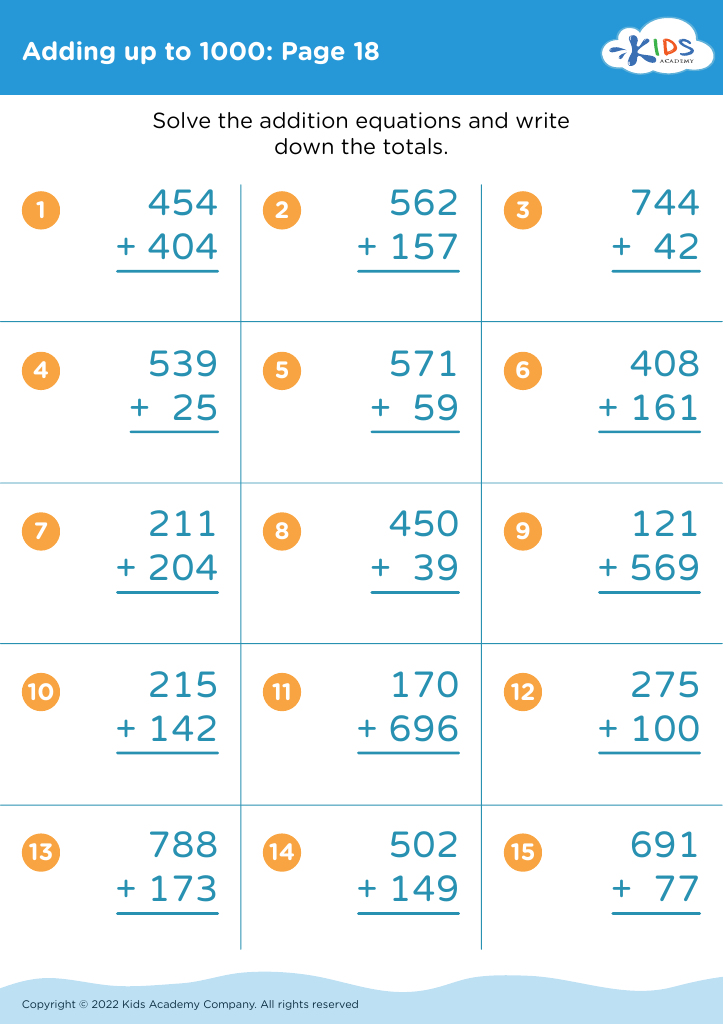
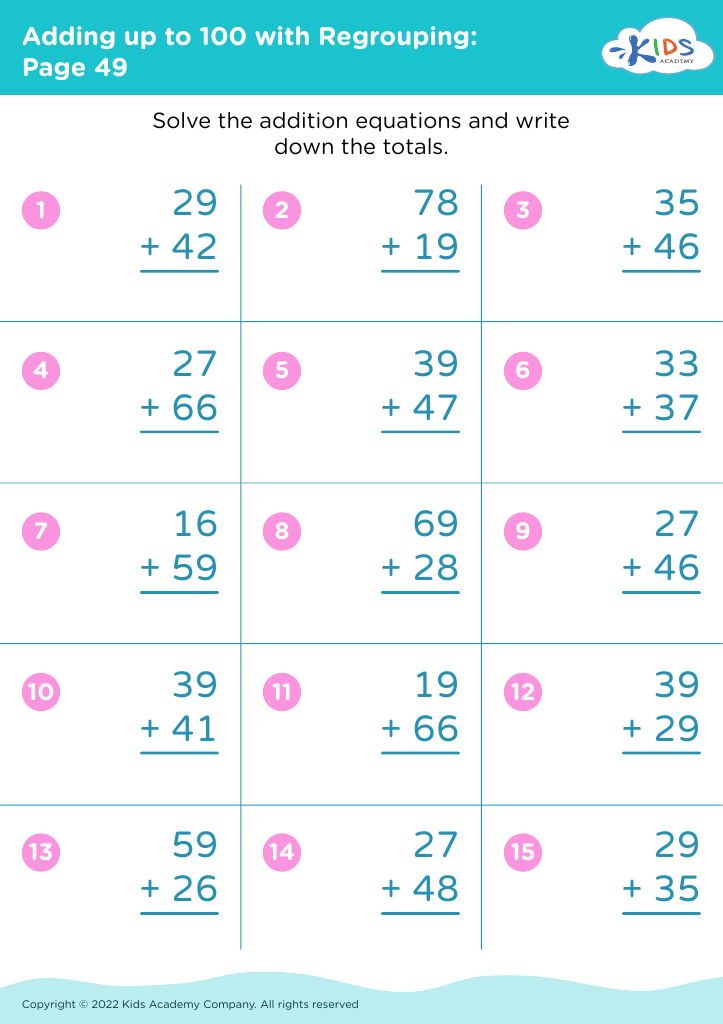
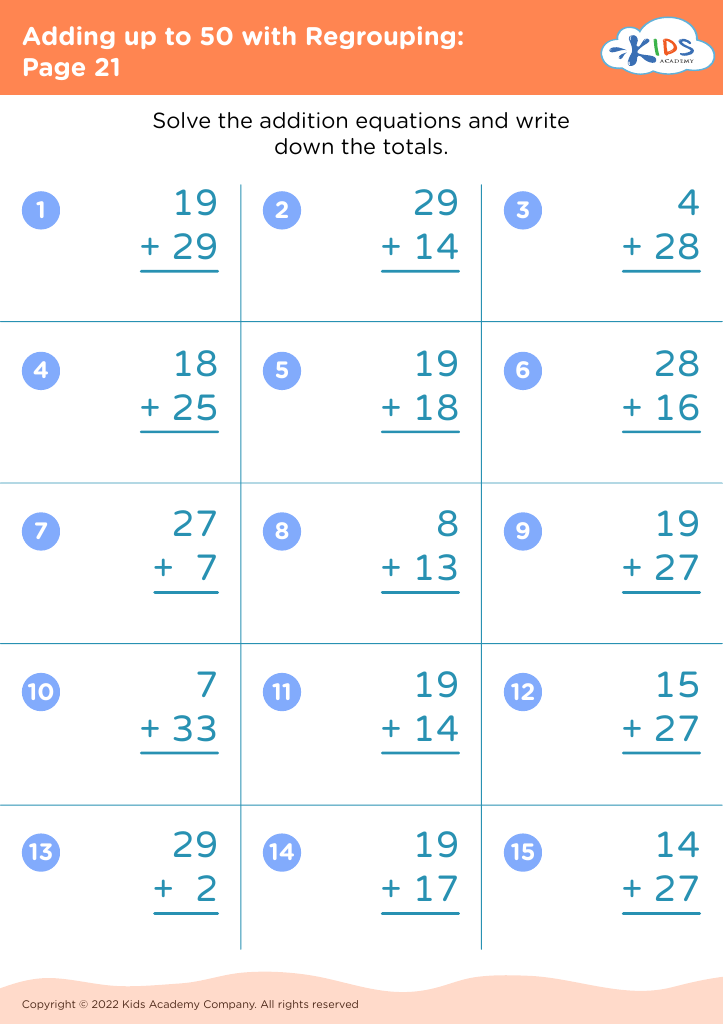
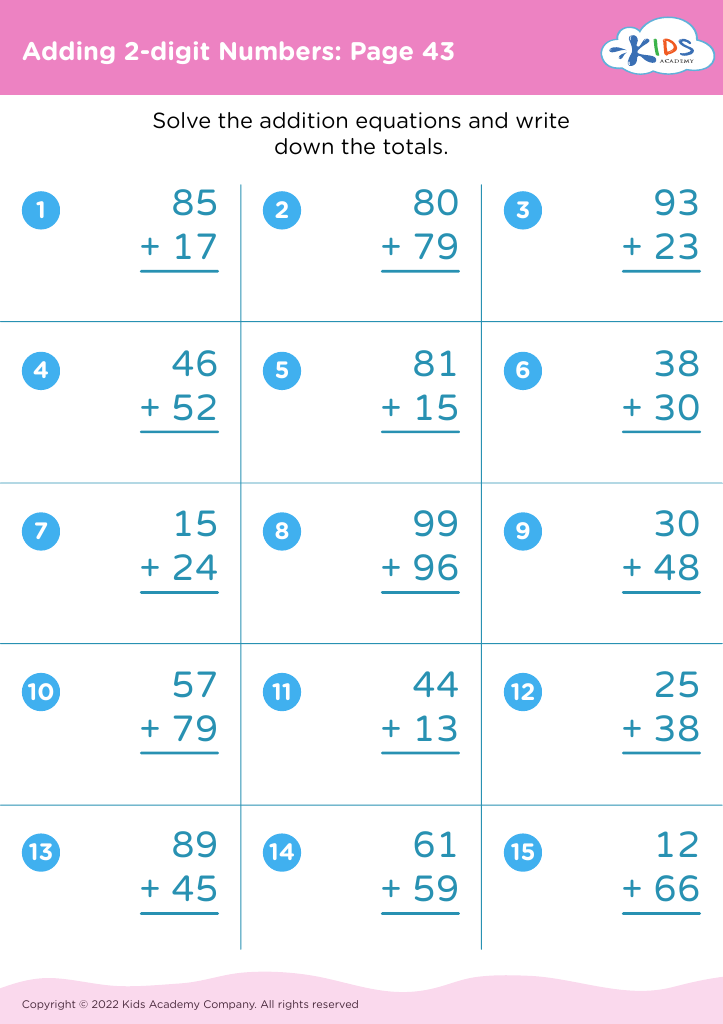








Shape Recognition Addition is a crucial learning milestone for children ages 3-8, blending visual learning with foundational math skills. Understanding shapes and how to manipulate them lays the groundwork for advanced mathematical concepts. When children engage in shape recognition, they develop spatial awareness, which is important not only in math but also in fields such as science and art.
For parents and teachers, fostering shape recognition can enhance children’s cognitive development and problem-solving abilities. Engaging in activities like sorting objects by shape or counting sides and angles during play helps children retain information better while making learning fun and interactive.
Additionally, shape recognition allows children to make connections between concrete objects and abstract mathematical concepts. This is particularly important for young learners as they transition from hands-on, tactile experiences to a more conceptual understanding of math.
Parents and teachers should promote shape recognition addition to encourage early numeracy skills, as these are linked to academic success later on. By nurturing these skills in a supportive environment, adults can instill a love of learning, fostering both confidence and curiosity as children explore the world around them.








