Color recognition Math Worksheets for Ages 3-8 - Page 2
36 filtered results
-
From - To
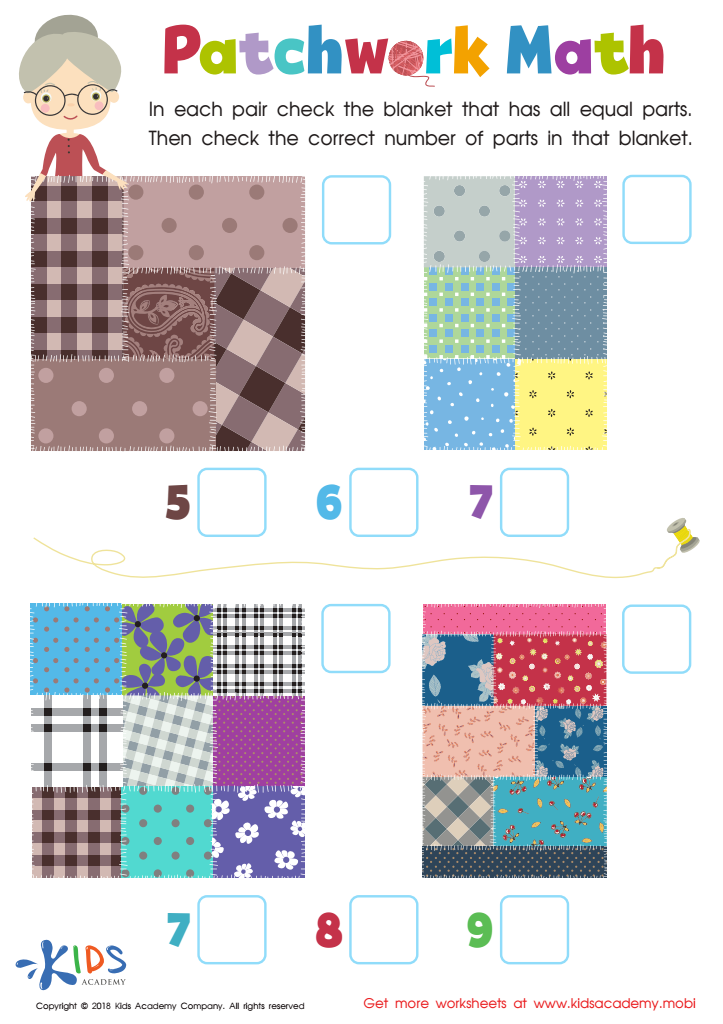
Patchwork Math Worksheet
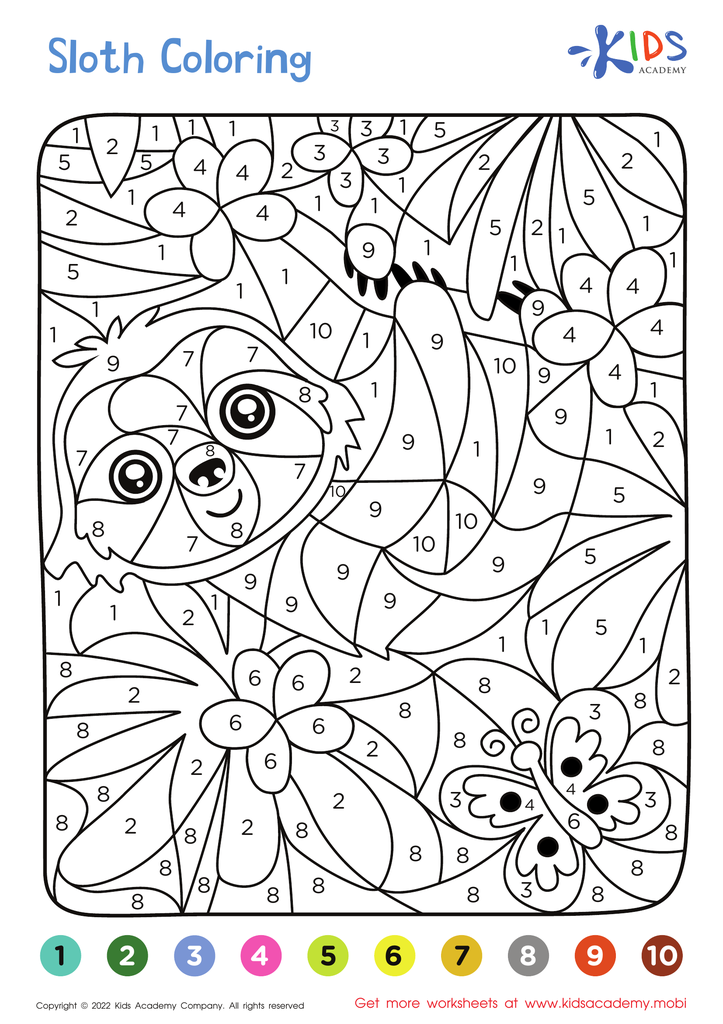
Sloth – Coloring by Numbers

Shapes Worksheet
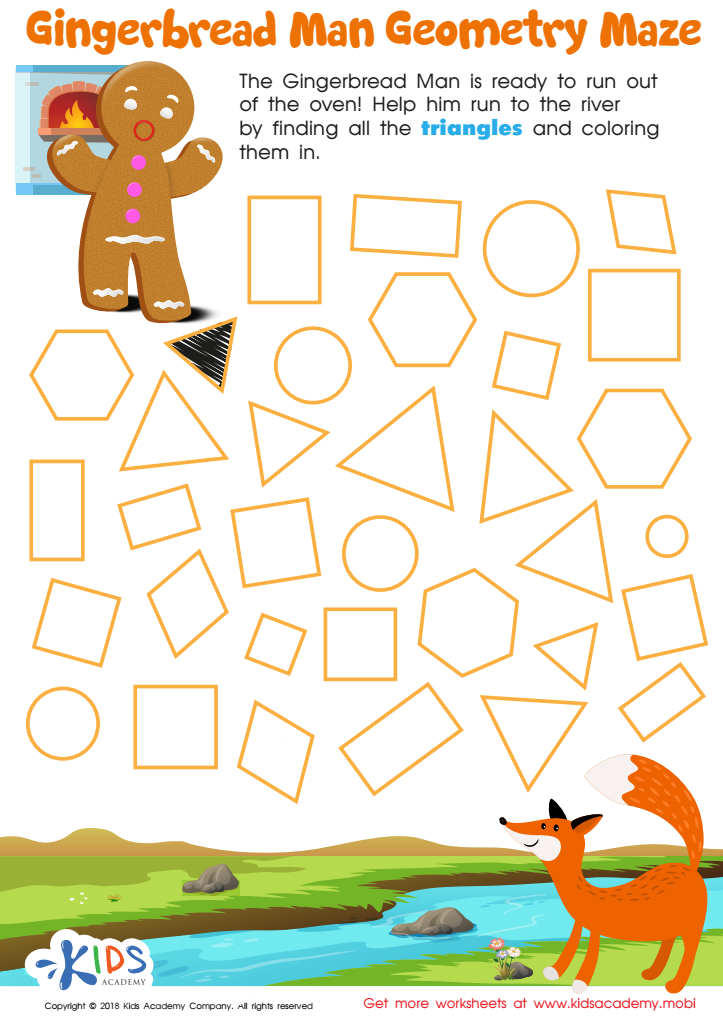
Gingerbread Man Geometry Maze Worksheet
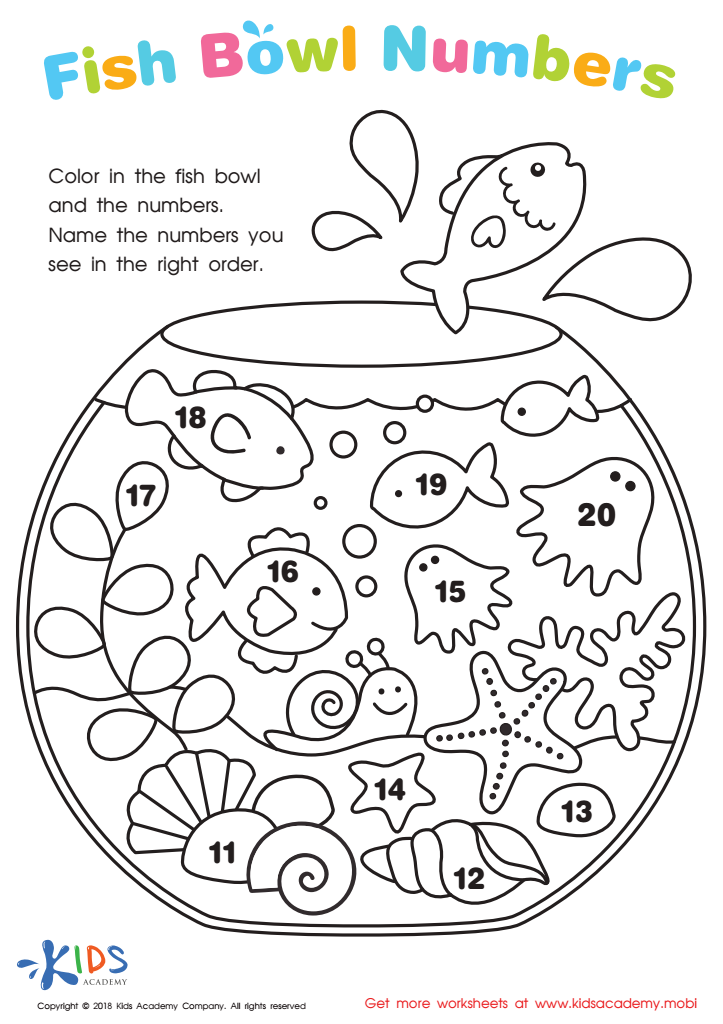
Fish Bowl Numbers Worksheet
 Assign to My Students
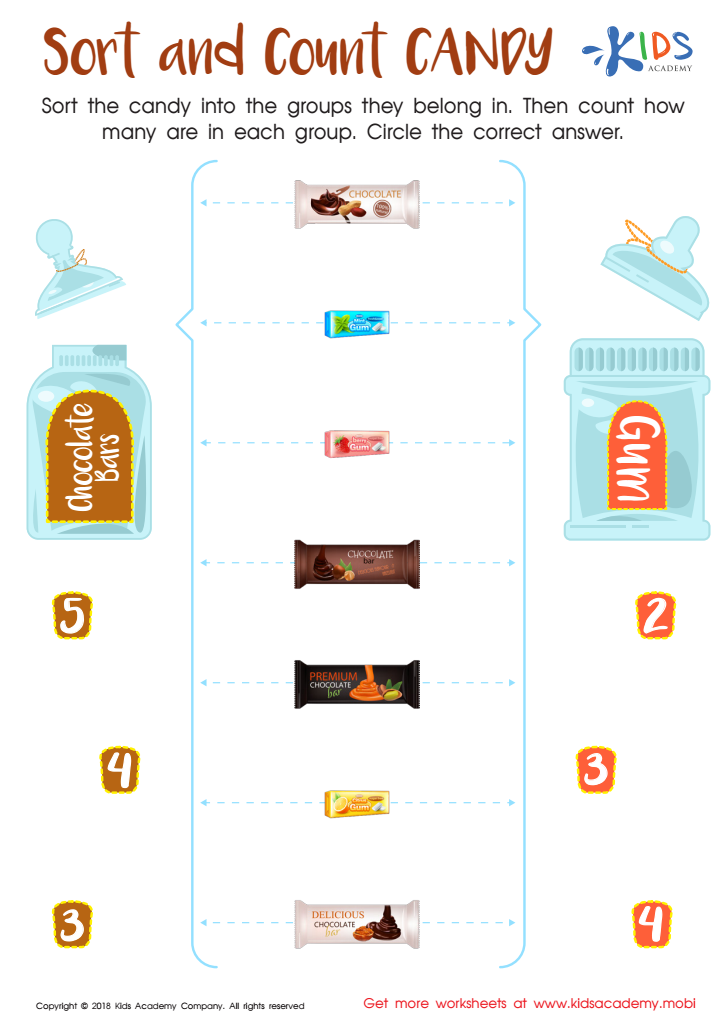
Sort and Count Candy Worksheet
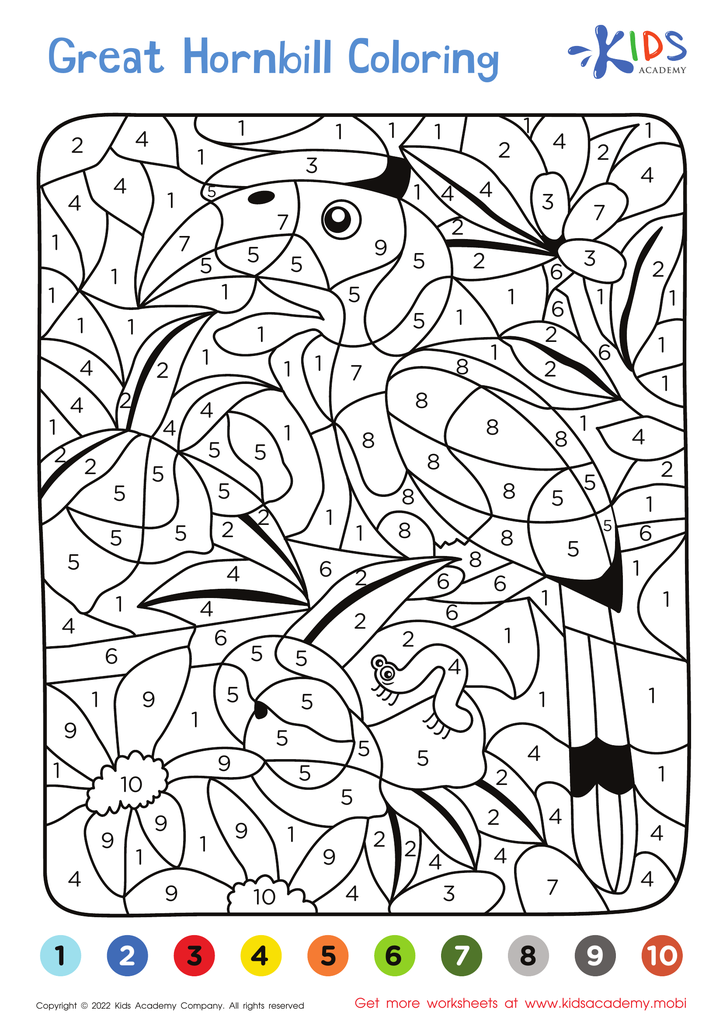
Great Hornbill – Coloring by Numbers
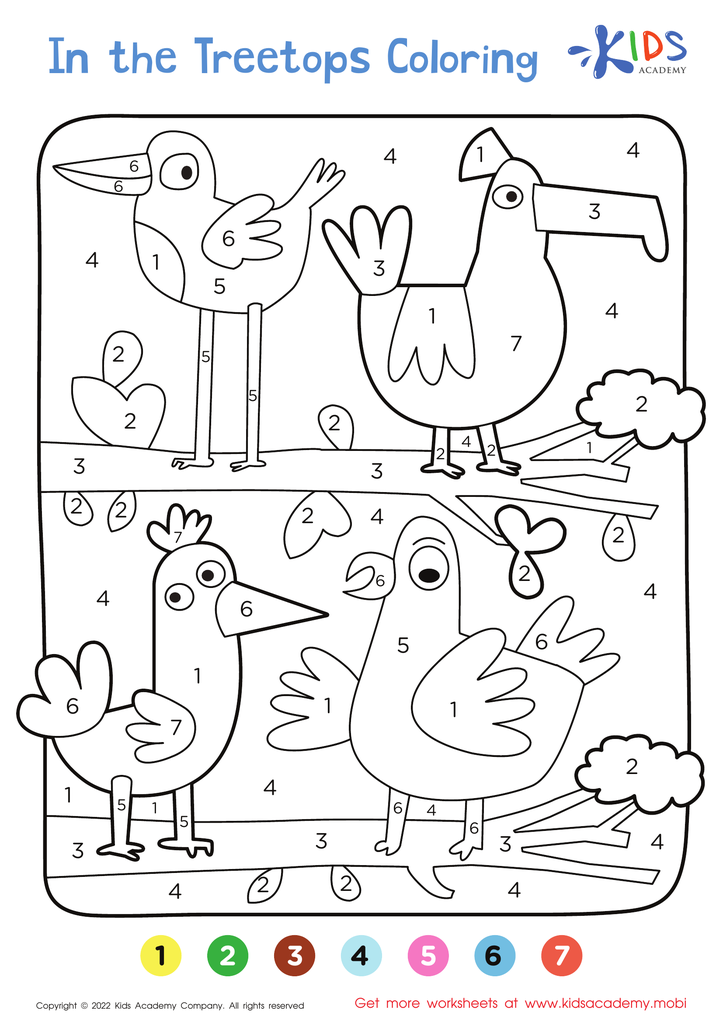
In the Treetops – Coloring Page
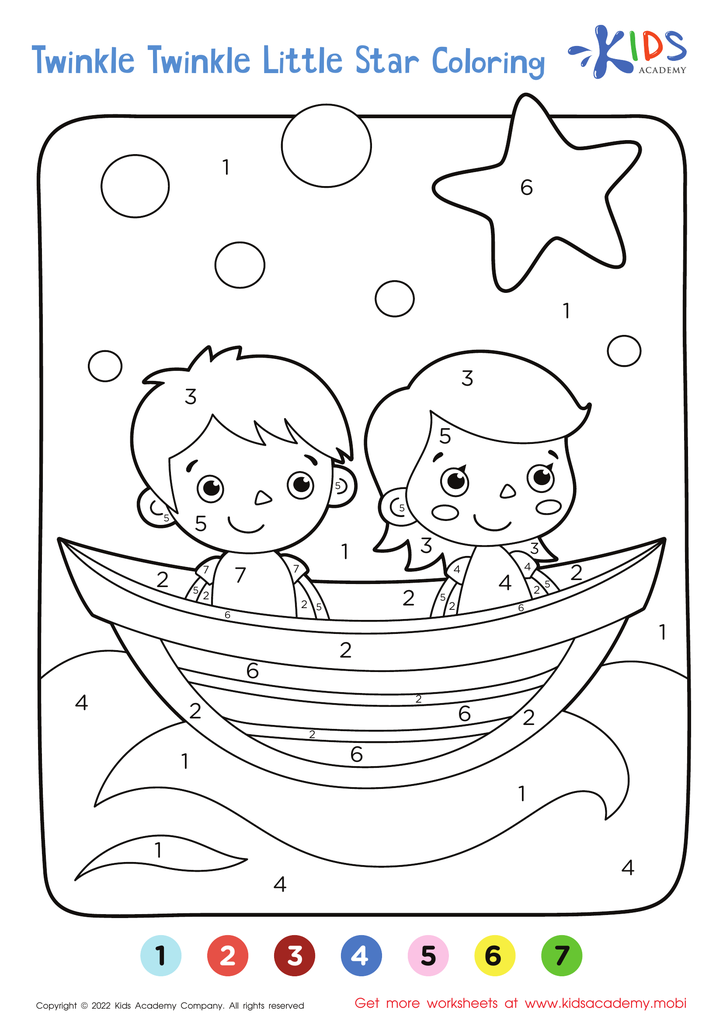
Twinkle, Twinkle, Little Star – Coloring by Numbers
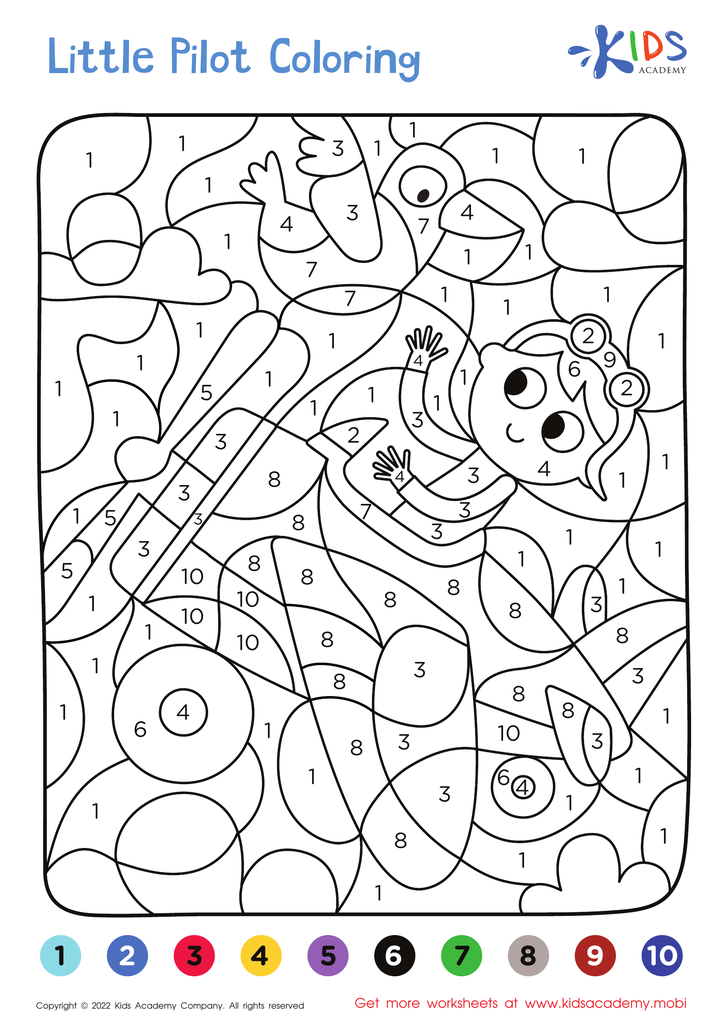
Little Pilot – Coloring by Numbers
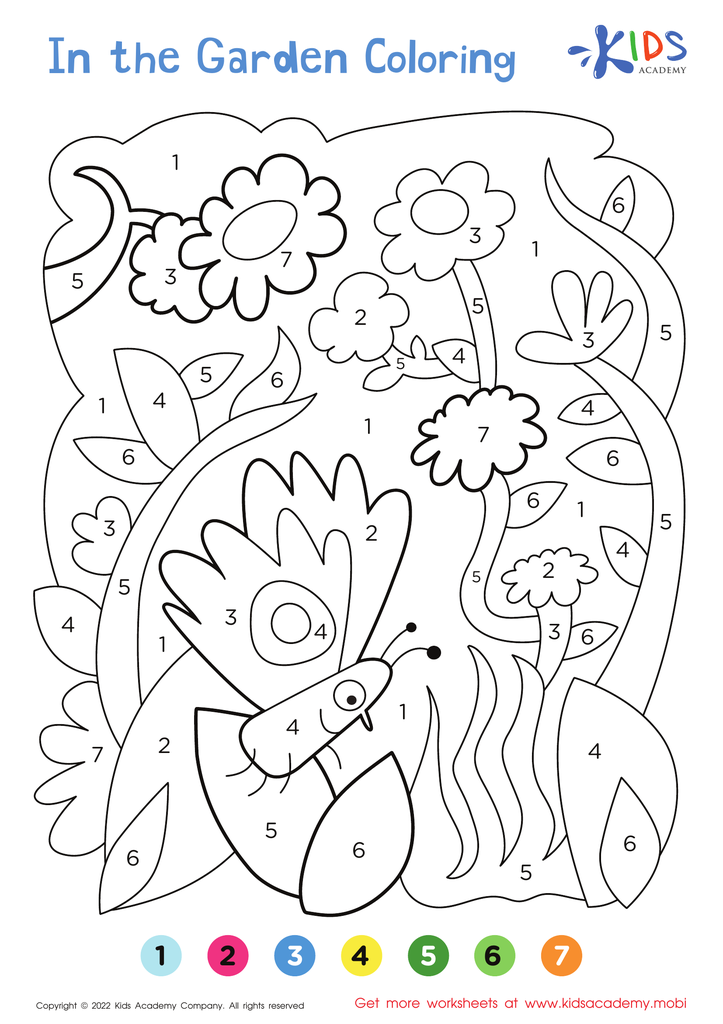
In the Garden – Coloring by Numbers
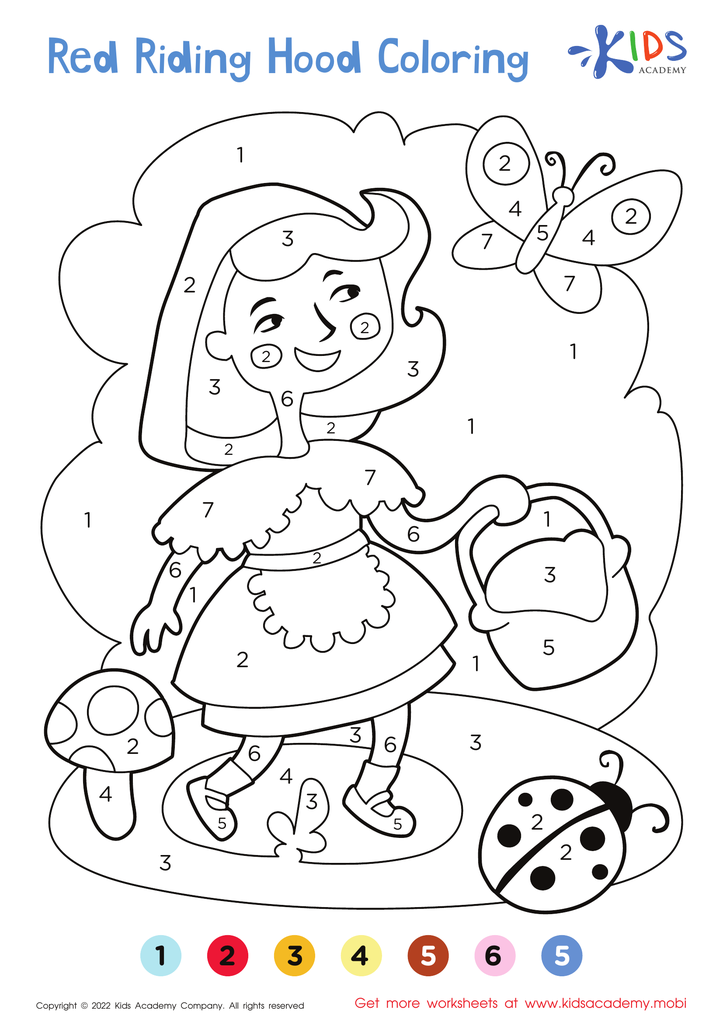
Little Red Riding Hood – Coloring by Numbers






.jpg)

Color recognition plays a pivotal role in the early math development of children aged 3 to 8. Understanding colors not only enriches a child's visual perception but also lays the foundation for more complex mathematical concepts. Learning colors promotes cognitive development by enhancing categorization skills. When children identify and sort objects by color, they practice essential skills needed for sorting, grouping, and even counting—all key elements in math.
Additionally, color recognition often correlates with language development. Discussing colors sharpens vocabulary, enabling children to articulate their thoughts and understand instructions better. For parents and teachers, using colorful manipulatives in math activities makes lessons more engaging, capturing children's attention and fostering a love of learning.
Moreover, recognizing colors ties into patterns, another foundational concept in math. As children learn to identify and create patterns using colors, they cultivate critical thinking skills that are vital for problem-solving.
Caring about color recognition in early education means nurturing well-rounded learners. It sets the stage for future academic success, ensuring that children not only excel in mathematical skills but also develop a broader understanding of their world. Ultimately, both parents and teachers play an essential role in fostering this vital early learning experience.








