Develop analytical thinking Math Worksheets for Ages 3-8
3 filtered results
-
From - To
Explore our engaging "Develop Analytical Thinking Math Worksheets" designed for children ages 3-8! These printable resources foster critical thinking skills through fun, age-appropriate activities. By solving puzzles, working with patterns, and completing logic challenges, young learners will enhance their problem-solving abilities while enjoying the learning process. Each worksheet is crafted to encourage curiosity and build a strong mathematical foundation. Ideal for home or classroom use, our worksheets align with early education standards, ensuring children have the skills they need as they progress. Inspire your little mathematicians and watch their analytical skills flourish with our interactive worksheets!
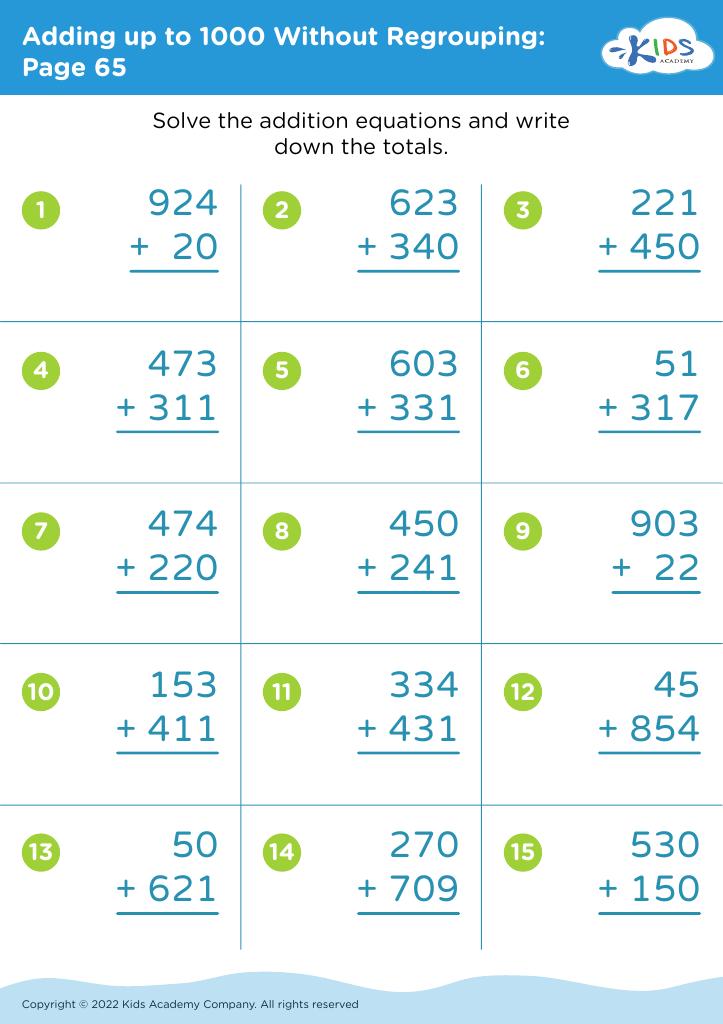
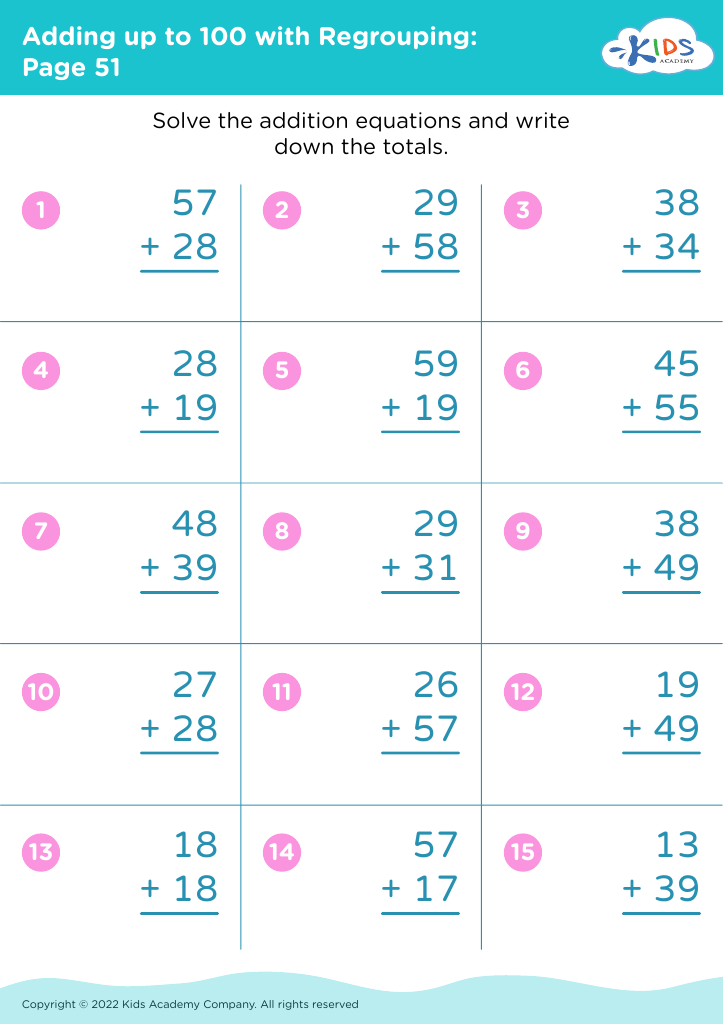
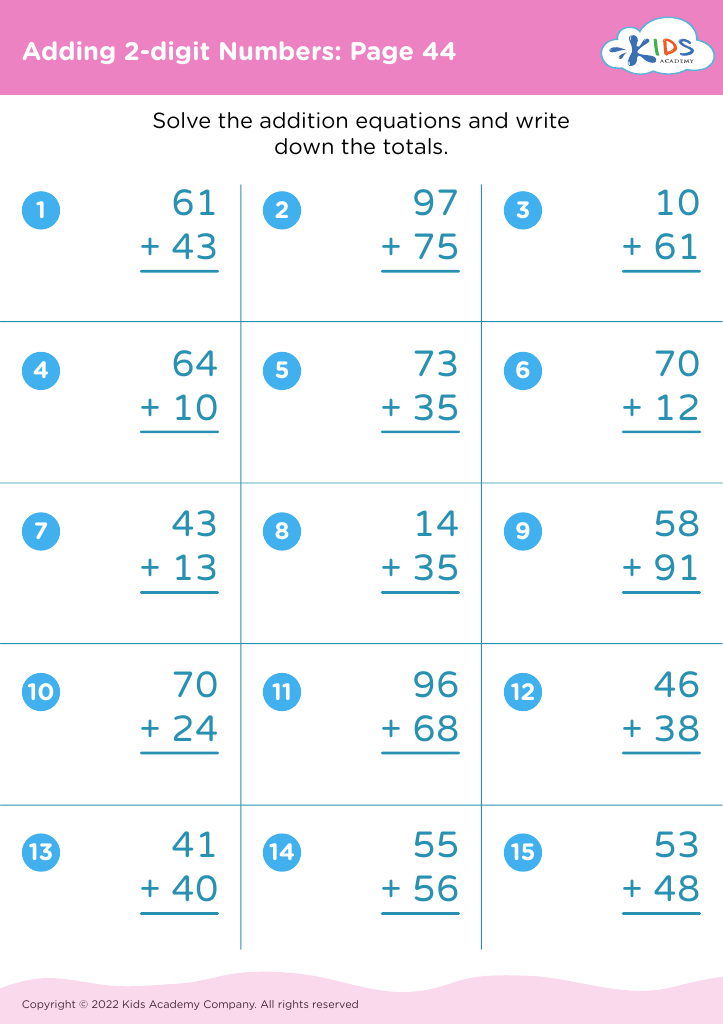








Developing analytical thinking skills in young children, particularly in the context of math, is crucial for their overall cognitive development and future academic success. For children aged 3-8, this stage is foundational, as their brains are highly plastic and receptive to new information. Engaging children in analytical math activities helps them learn to identify patterns, solve problems, and think critically—all essential skills for navigating complex challenges in school and life.
When parents and teachers prioritize analytical thinking in math, they empower children to approach problems with a logical mindset. This early exposure can lead to increased confidence in their abilities, making them more willing to tackle more difficult subjects as they progress. Furthermore, developing such skills promotes creativity, as children learn to explore multiple solutions and think outside the box.
Additionally, analytical thinking is not only vital in math but also transcends into other subjects and real-life situations. By nurturing these skills early, parents and teachers set a strong foundation for holistic learning, encouraging a love for learning and an intrinsic motivation to discover new concepts. Overall, investing time and resources into developing analytical thinking in young students is a gift that will benefit them throughout their educational journey and beyond.








