Math fluency Math Worksheets for Ages 3-8
5 filtered results
-
From - To
Welcome to our Math Fluency Worksheets for Ages 3-8! Designed to strengthen foundational math skills, our engaging resources help young learners develop confidence and proficiency in mathematics. These worksheets focus on essential concepts such as counting, addition, subtraction, and number recognition through fun, interactive activities. With colorful visuals and age-appropriate challenges, kids will enjoy mastering math fluency while exploring a variety of themes. Perfect for home practice or classroom use, our worksheets cater to diverse learning styles. Support your child's math journey and cultivate their love for numbers with our expertly crafted materials today! Start boosting their skills with just a click!
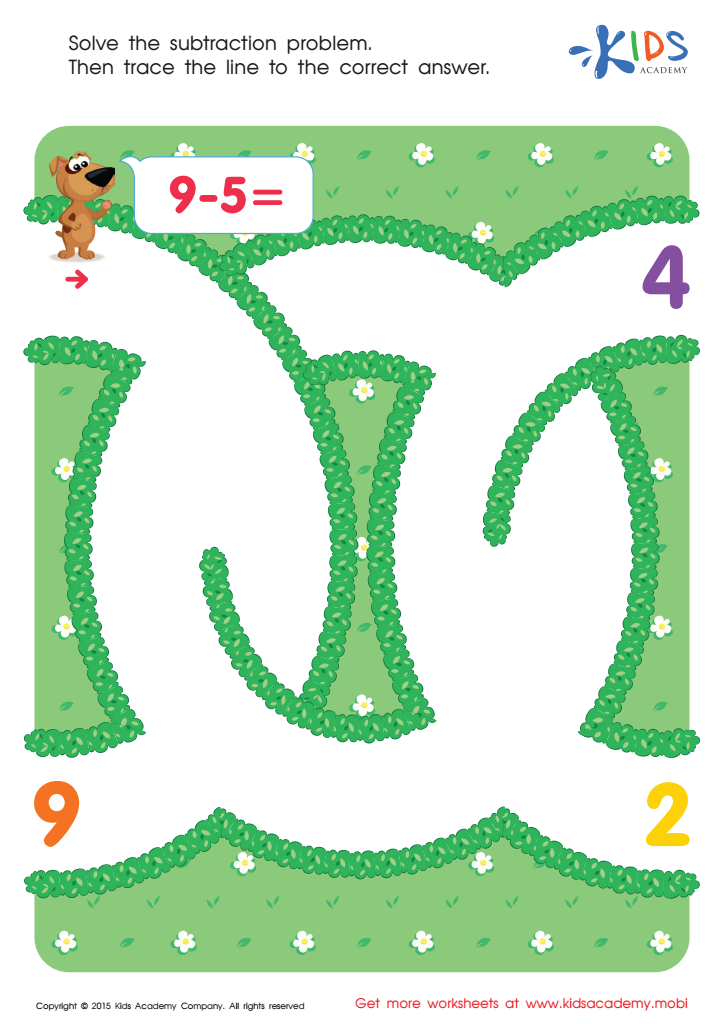
Subtraction Nine And Five Worksheet
 Assign to My Students
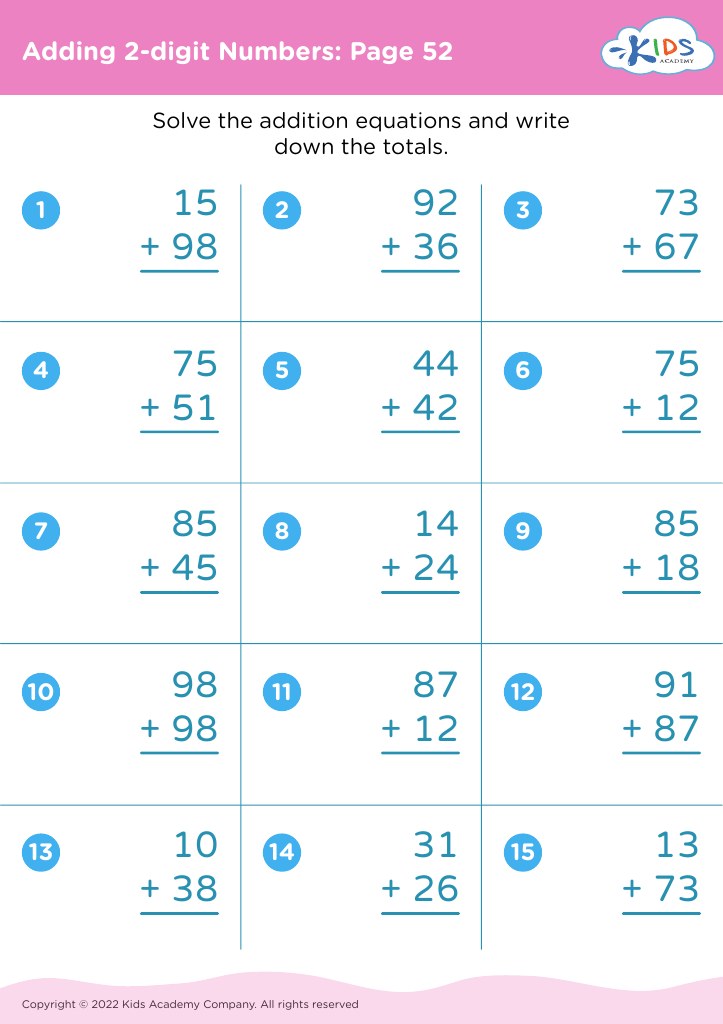
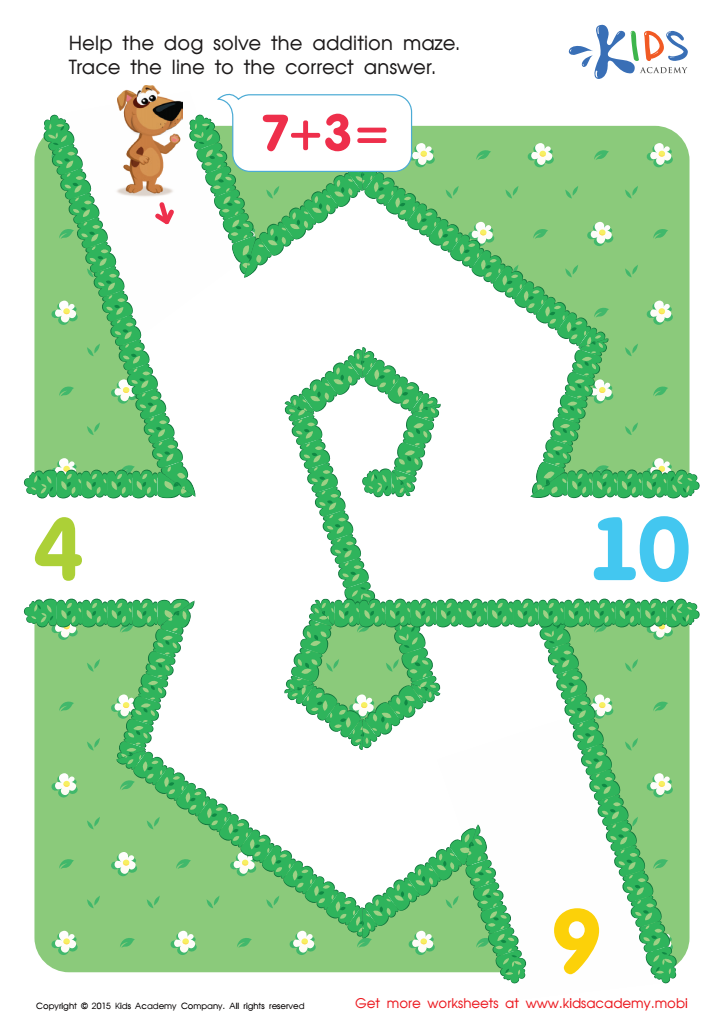
Seven Plus Three Worksheet
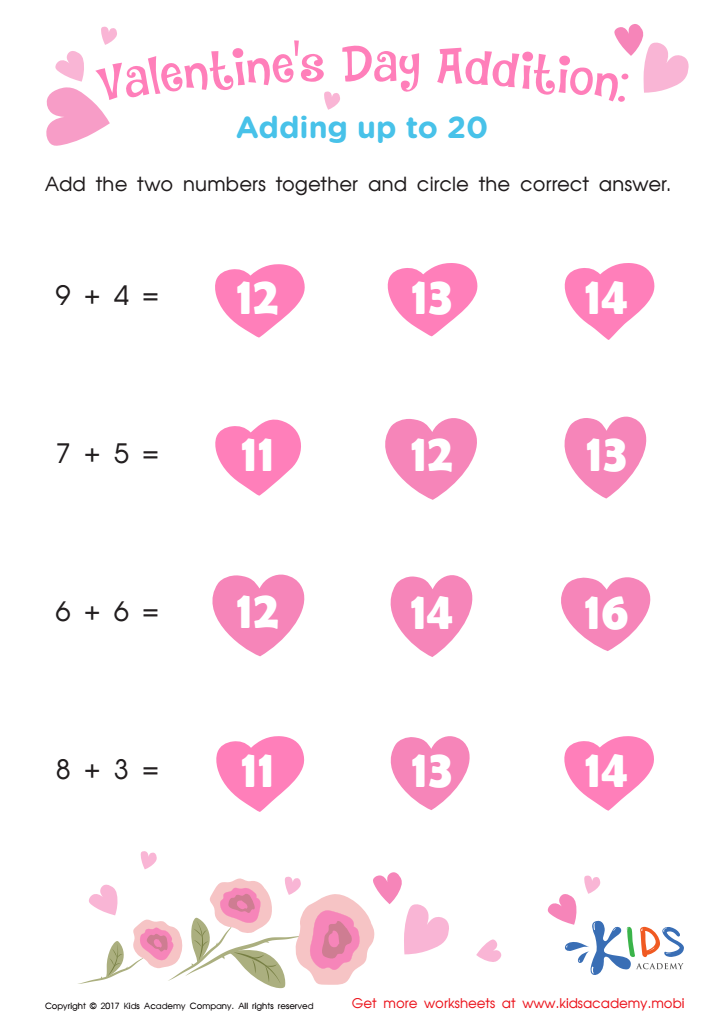
Valentine's Day Addition Worksheet
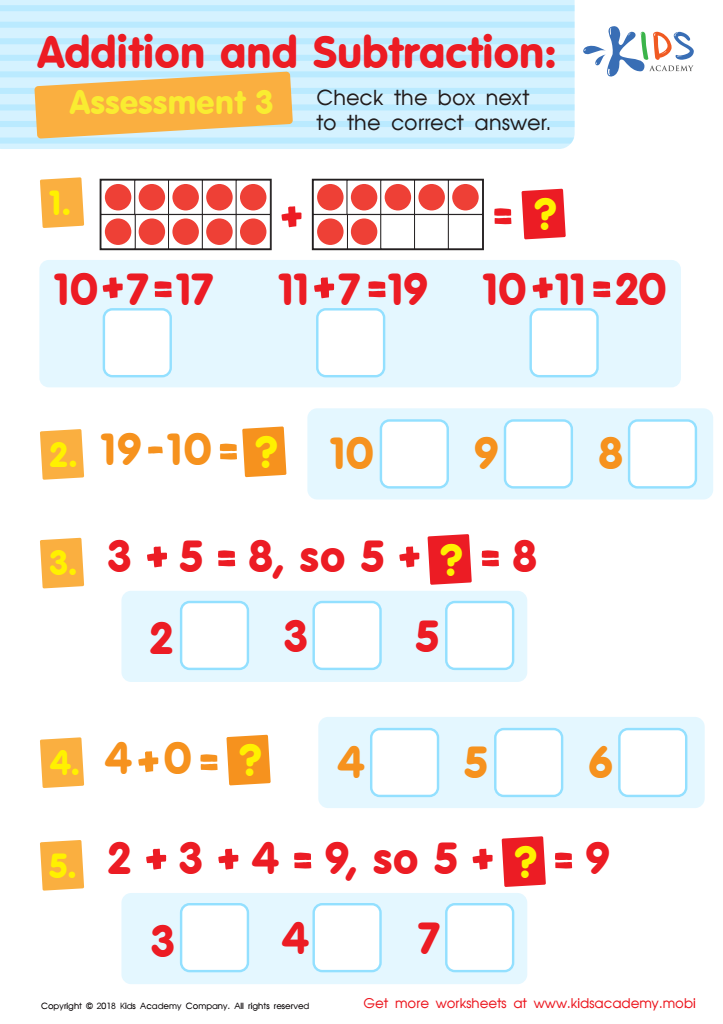
Addition and Subtraction Assessment 3 Worksheet








Math fluency for ages 3-8 is essential because it lays the foundation for logical thinking, problem-solving skills, and future academic success. During these formative years, children develop critical number sense and spatial awareness through engaging experiences with math concepts. Achieving math fluency helps children recognize patterns, understand relationships between numbers, and perform computations with ease, boosting their confidence and interest in mathematics.
For parents and teachers, nurturing math fluency is crucial as it directly impacts overall cognitive development. Proficiency in math enhances children's ability to apply learned concepts to real-life scenarios, fostering practical skills like budgeting or cooking. Moreover, classroom learning is enriched when children possess solid math foundations; they are more likely to participate, collaborate, and tackle more complex concepts.
Additionally, early math competency can reduce anxiety and apprehension about the subject, leading to a positive attitude toward learning throughout their academic journey. As they master basic skills, such as addition, subtraction, and number recognition, they become empowered learners, more equipped to handle challenges that lie ahead. Ultimately, focusing on math fluency not only benefits individual students but also contributes to creating a more numerically literate society.








