Shape Recognition Numbers up to 100 Worksheets for Ages 3-8
3 filtered results
-
From - To
Explore our engaging "Shape Recognition Numbers up to 100 Worksheets" designed specifically for children aged 3-8! These interactive worksheets help young learners develop essential shape recognition skills while reinforcing number identification up to 100. Each worksheet features vibrant illustrations and fun activities that encourage creativity and critical thinking. Perfect for pre-K and early elementary education, these resources aim to make learning enjoyable and accessible. Watch your child's confidence soar as they become familiar with various shapes and numbers, enhancing their math fluency. Download our worksheets today to set the foundation for a lifelong love of learning and mathematics!
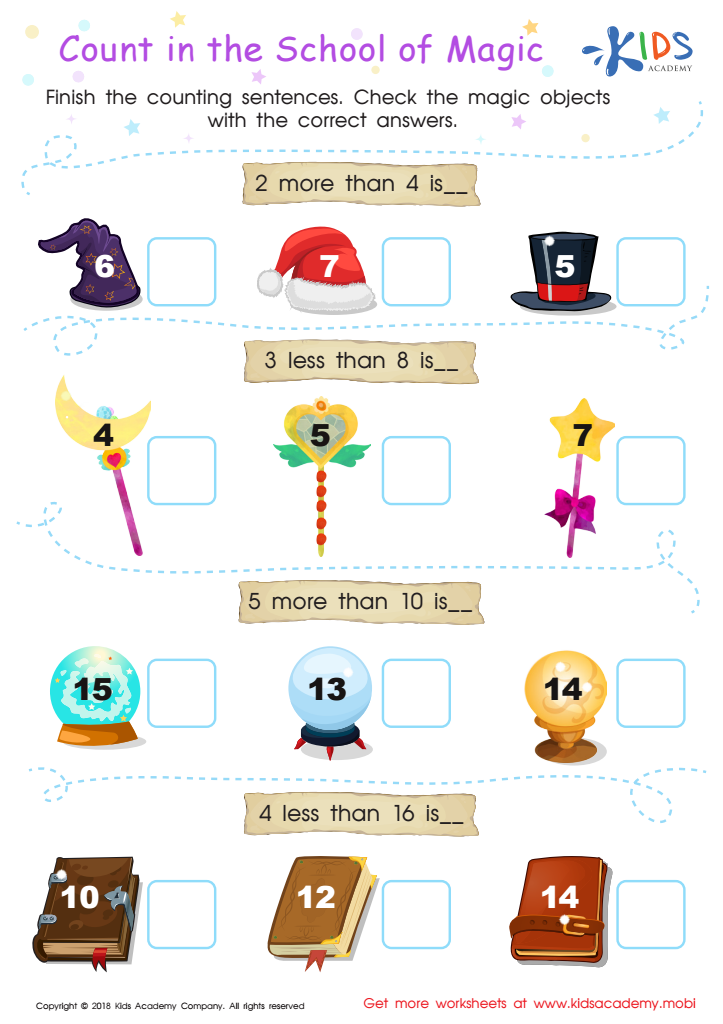
Count in the School of Magic Worksheet
 Assign to My Students
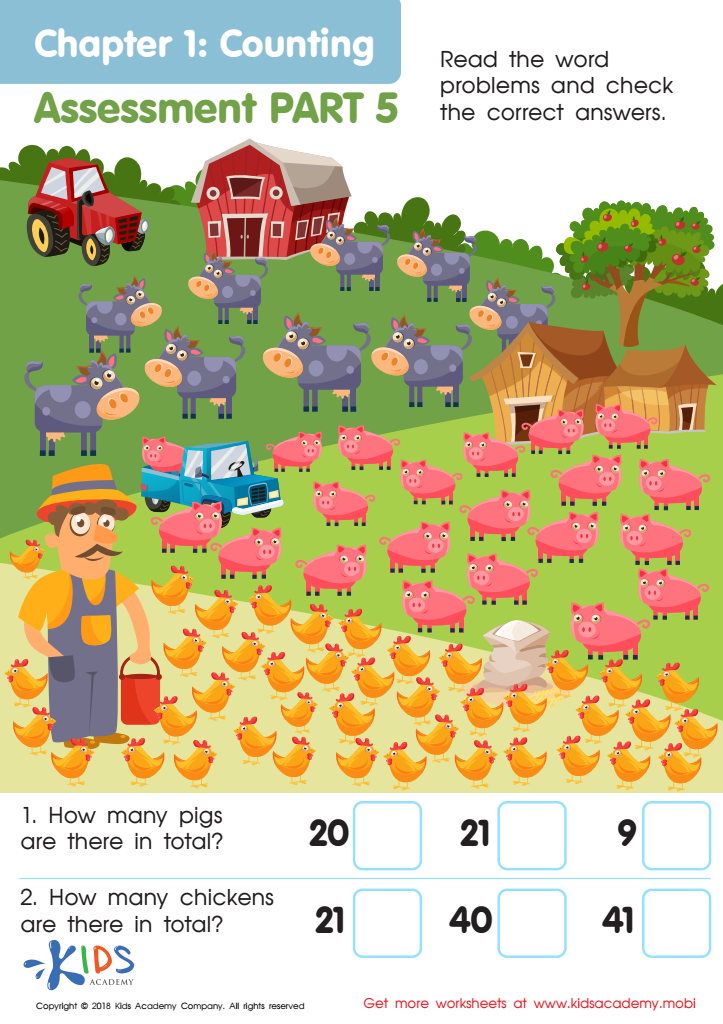
Counting: Assessment 5 Worksheet
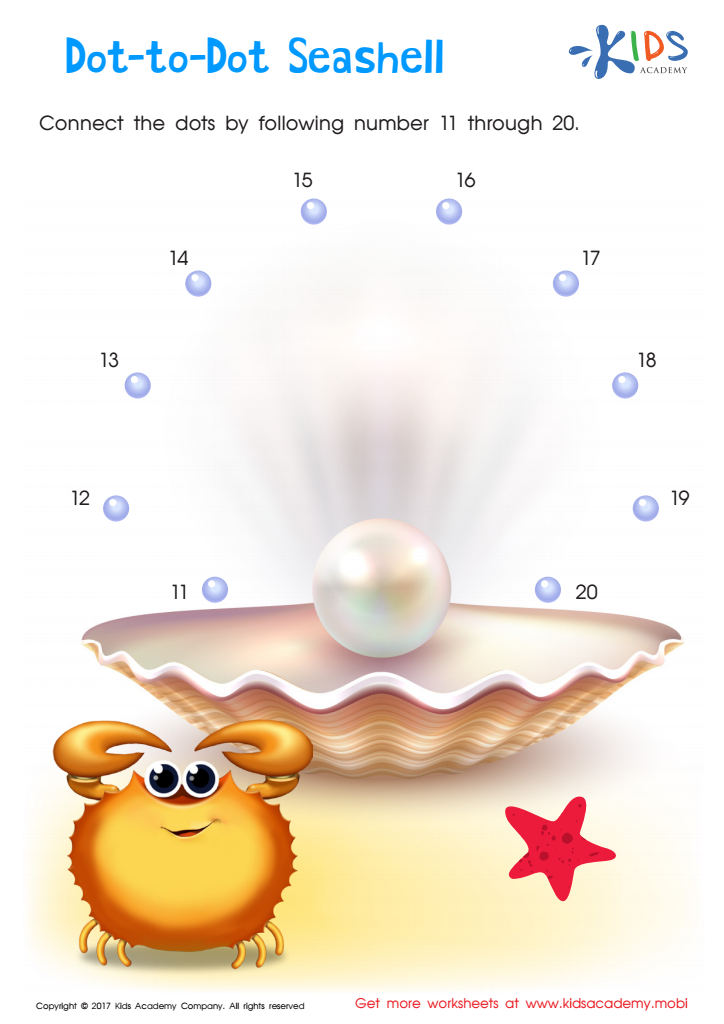
Ordering 11–20: Dot–to–dot Seashell Printable








Shape recognition and number understanding are foundational skills for children ages 3-8, crucial for their cognitive and academic development. Parents and teachers should prioritize these skills because they serve as building blocks for more complex mathematical concepts later on. Recognizing shapes enhances visual-spatial awareness, preparing children for geometry and fostering problem-solving abilities. When kids identify various shapes in their environment, they not only sharpen their observational skills but also engage their curiosity about the world around them.
In parallel, numeral recognition up to 100 fortifies a child's foundational math skills, promoting pattern recognition and number sequencing. Early exposure to numbers helps children understand quantity and basic operations, which are essential for everyday scenarios like counting objects or understanding time. Both shape and number recognition encourage critical thinking and boost confidence in their abilities to tackle academic challenges in the future.
In summary, focusing on shape recognition and number familiarity supports holistic development—cognitive, emotional, and social. It equips children with essential skills not just for math but for navigating various other domains in life, emphasizing the critical role parents and teachers play in fostering these abilities early on.








