Comparing Fractions Sight Words Worksheets for Ages 3-8 - Page 2
36 filtered results
-
From - To
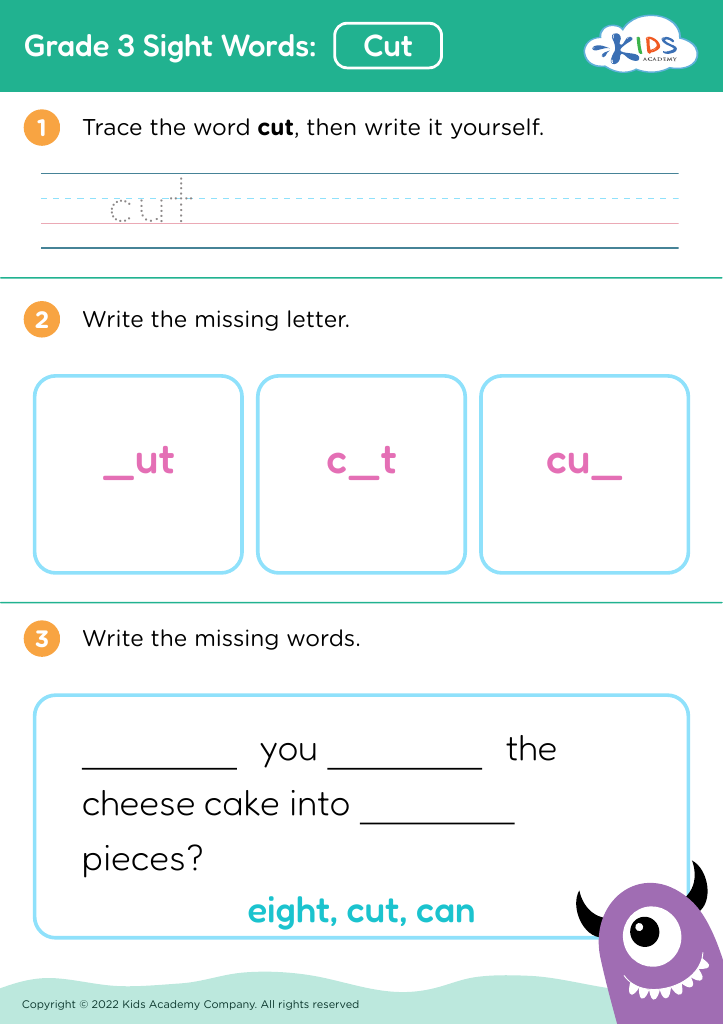

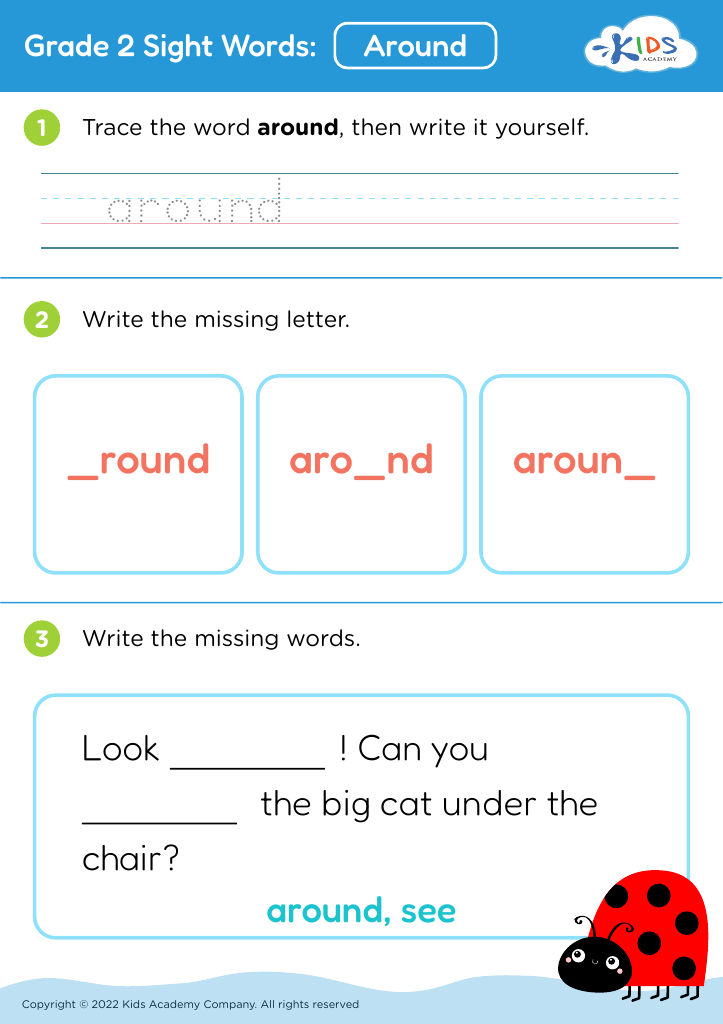
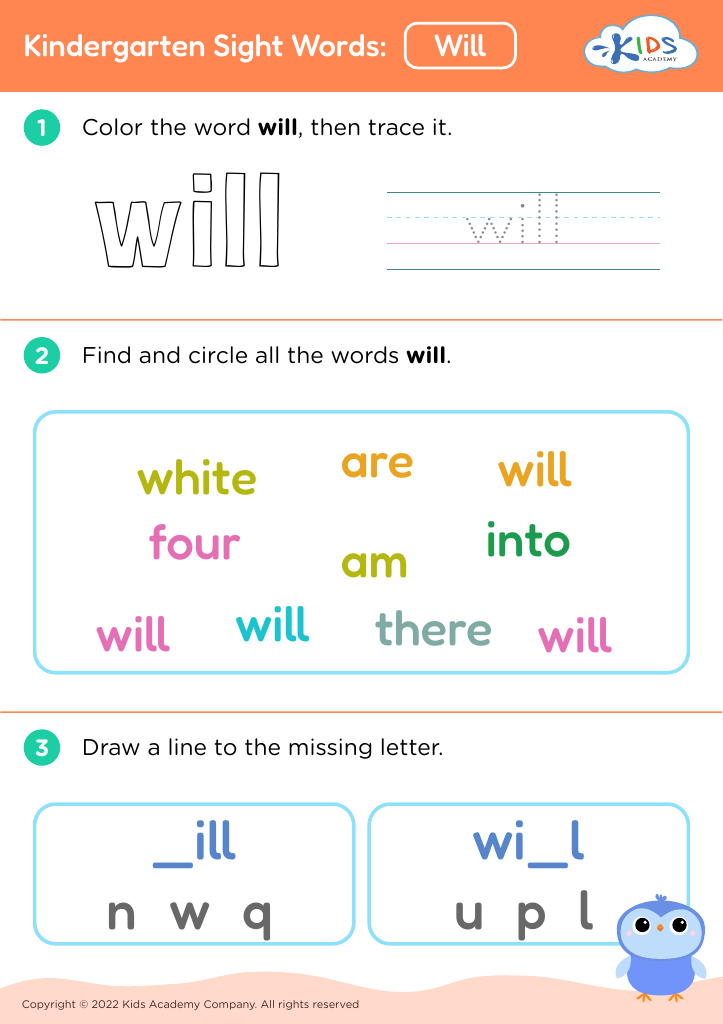
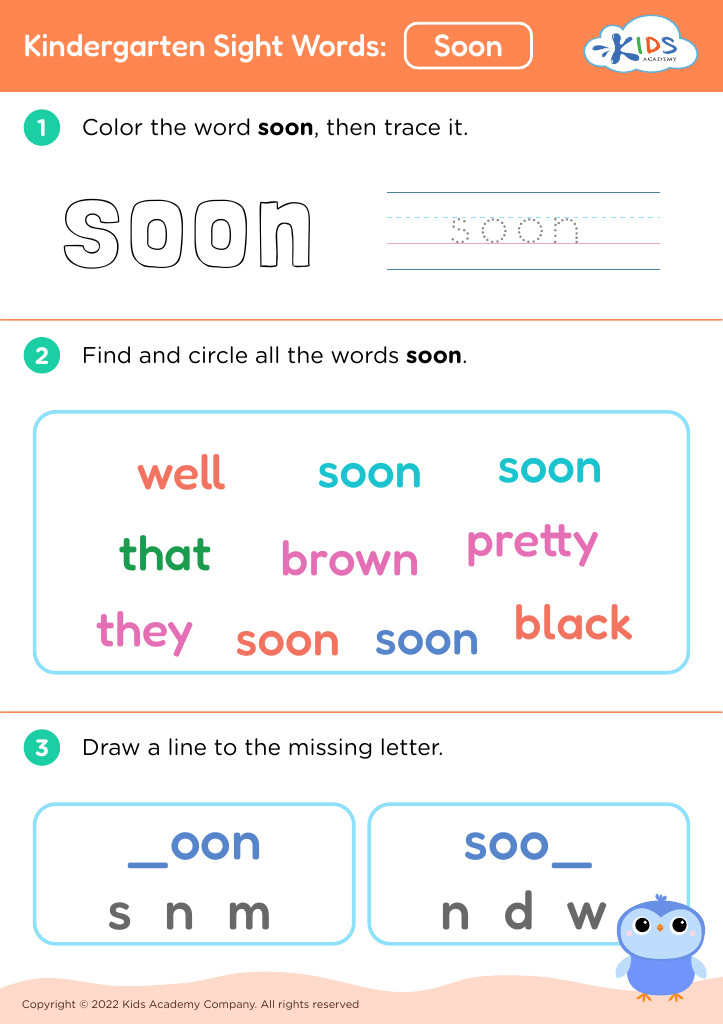
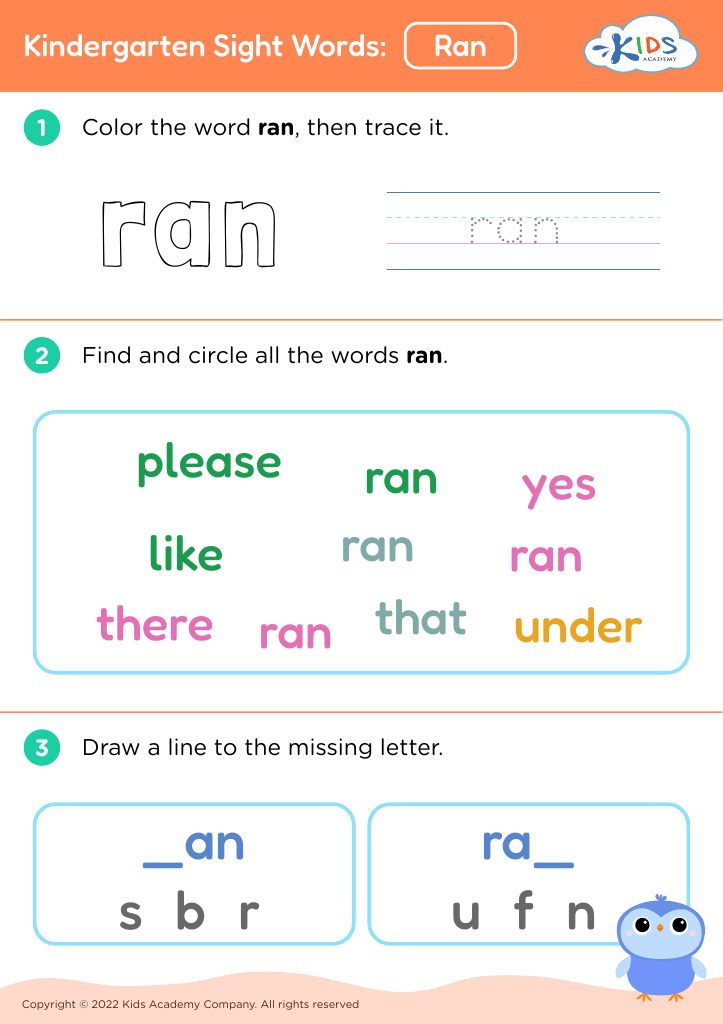
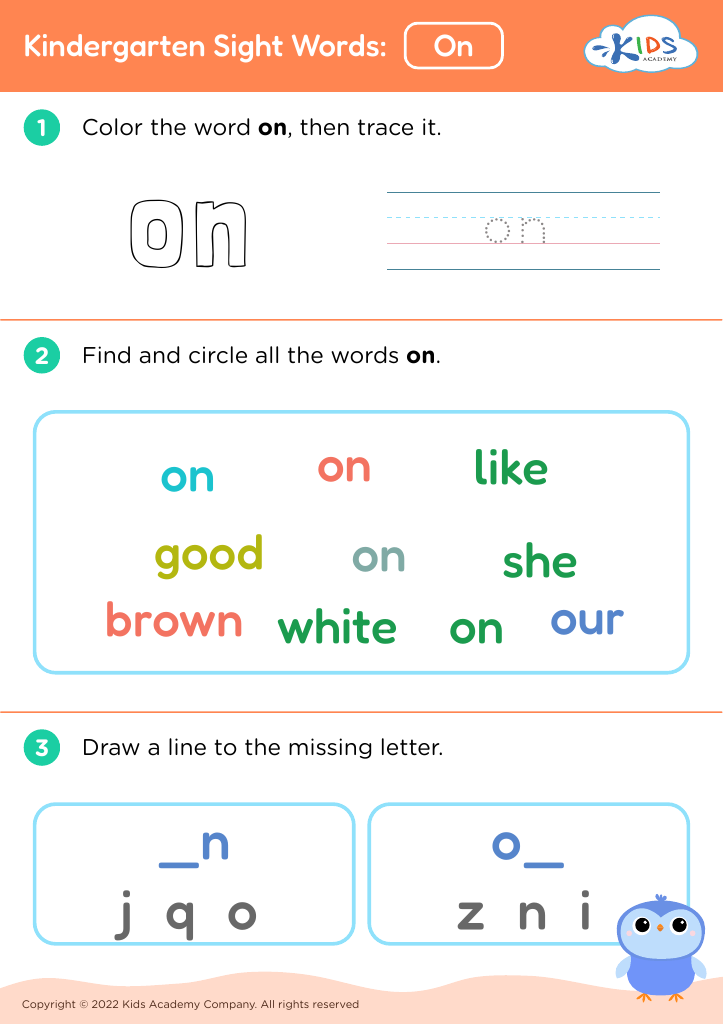
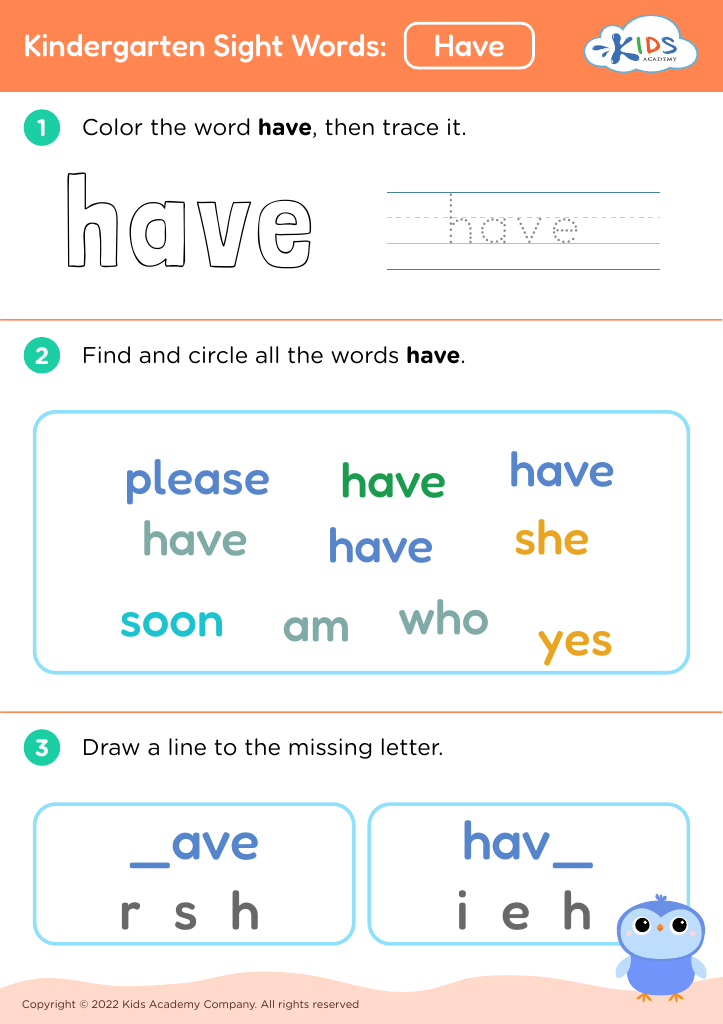
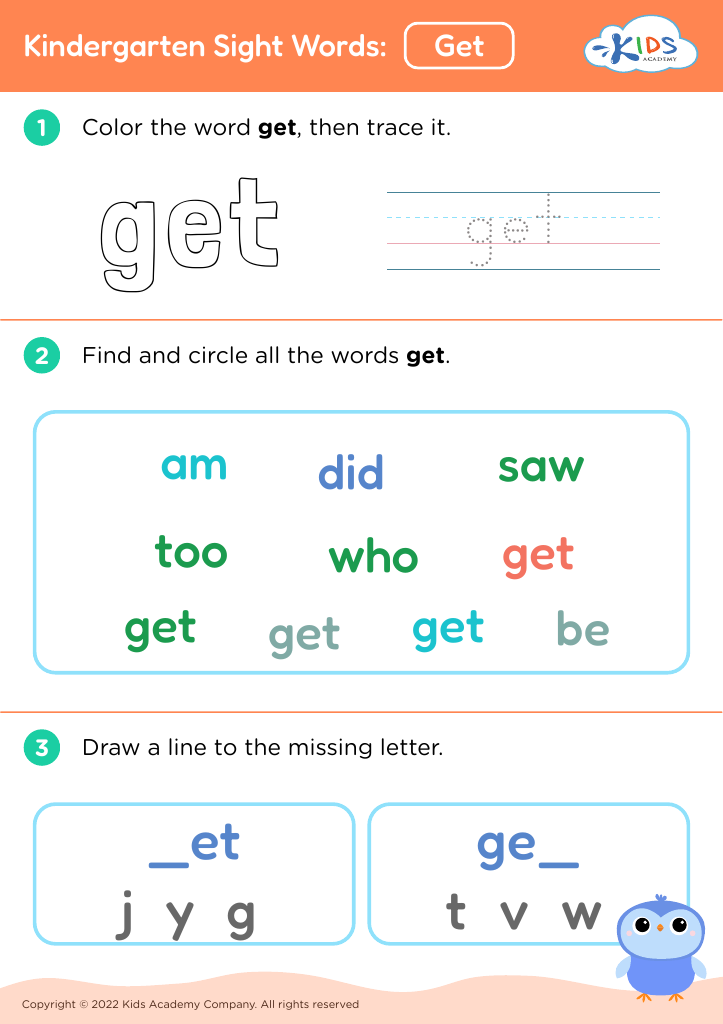
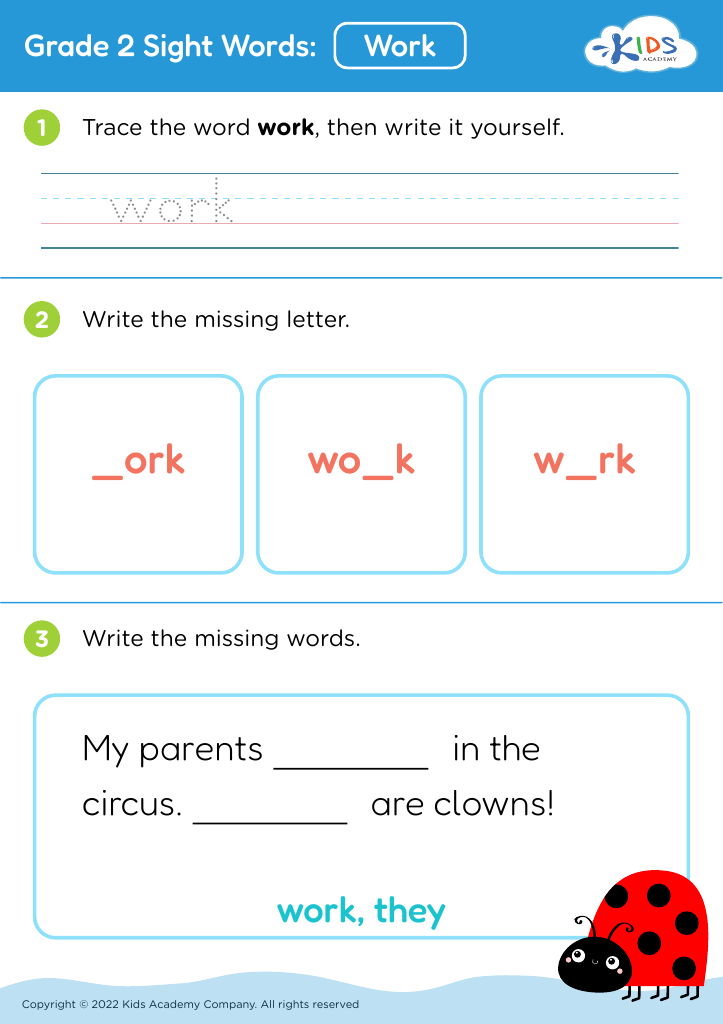







Parents and teachers should prioritize Comparing Fractions and Sight Words for children ages 3-8 as they are critical to foundational learning and future academic success. At this impressionable age, children develop essential cognitive and linguistic skills, and mastering these concepts can set a strong educational trajectory.
Comparing Fractions helps young kids grasp fundamental mathematical principles such as number sense, proportional reasoning, and problem-solving. Even though fractions may seem advanced, introducing them in a simple, visual way, like using equal parts of a pie or playful activities, enables children to understand the concepts of more and less, halves, and wholes. This not only aids in math proficiency but also prepares children for more complex arithmetic operations in later grades.
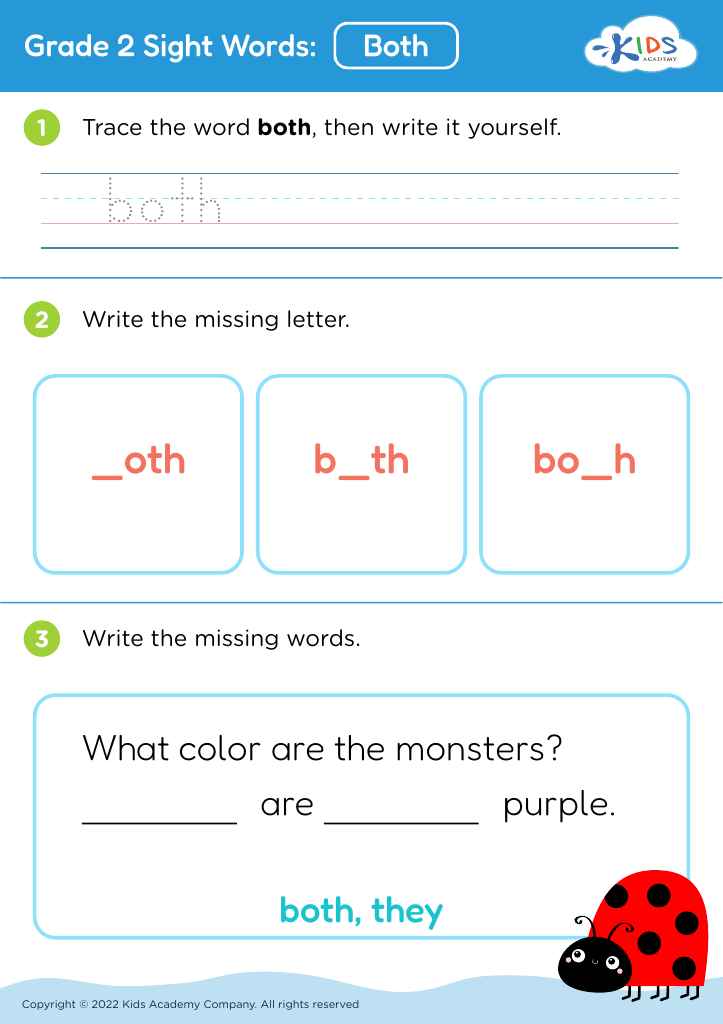
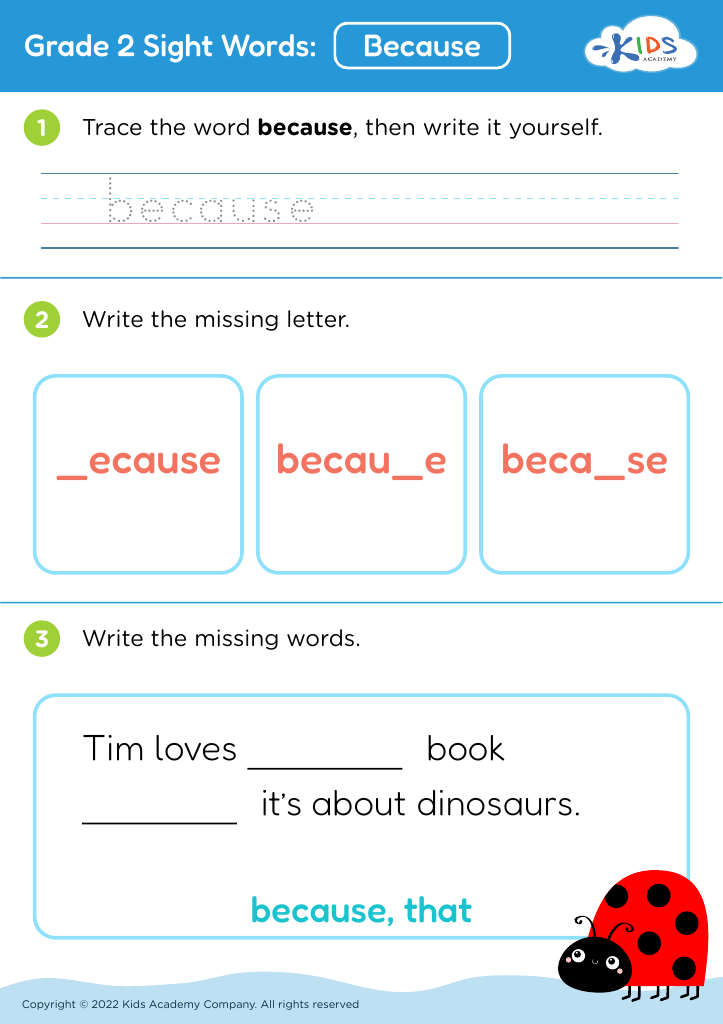
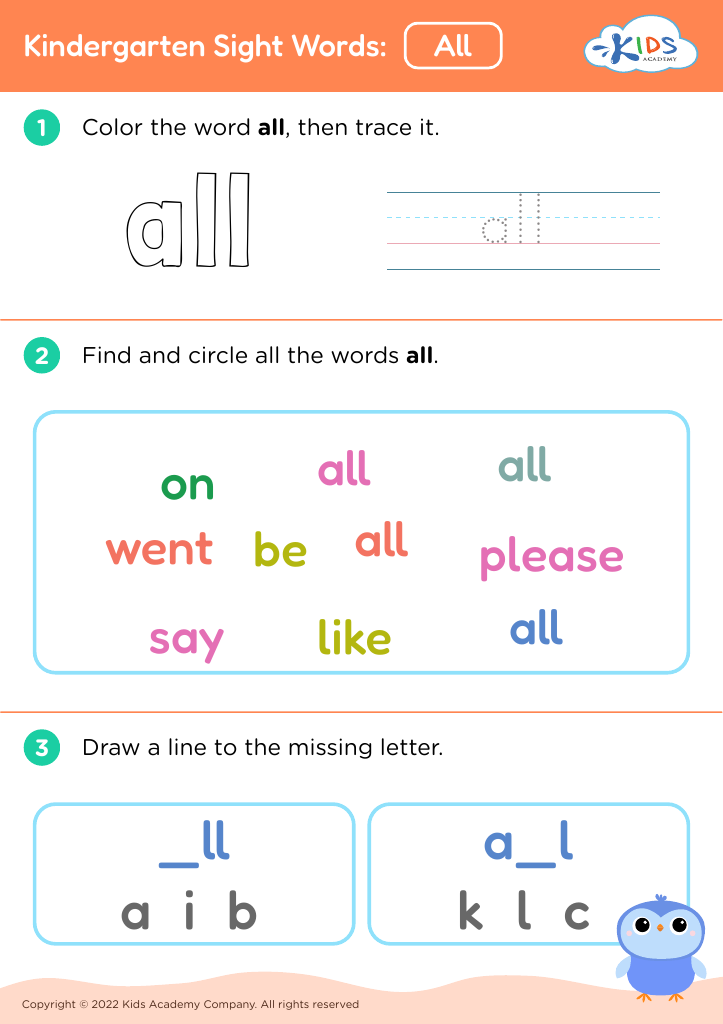
Sight Words, on the other hand, form the backbone of early reading. These are high-frequency words that children need to recognize on sight to achieve reading fluency. Because these words often do not follow standard phonetic patterns, memorizing them allows young readers to decode sentences quickly, enhancing comprehension and fostering a love for reading.
Incorporating these elements in curricula or daily activities ensures a balanced development in literacy and numeracy, which are key competencies that support overall intellectual growth and set the stage for lifelong learning.