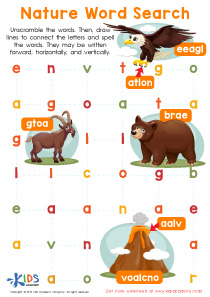
Sentence construction Sight Words Worksheets for Ages 3-8
3 filtered results
-
From - To
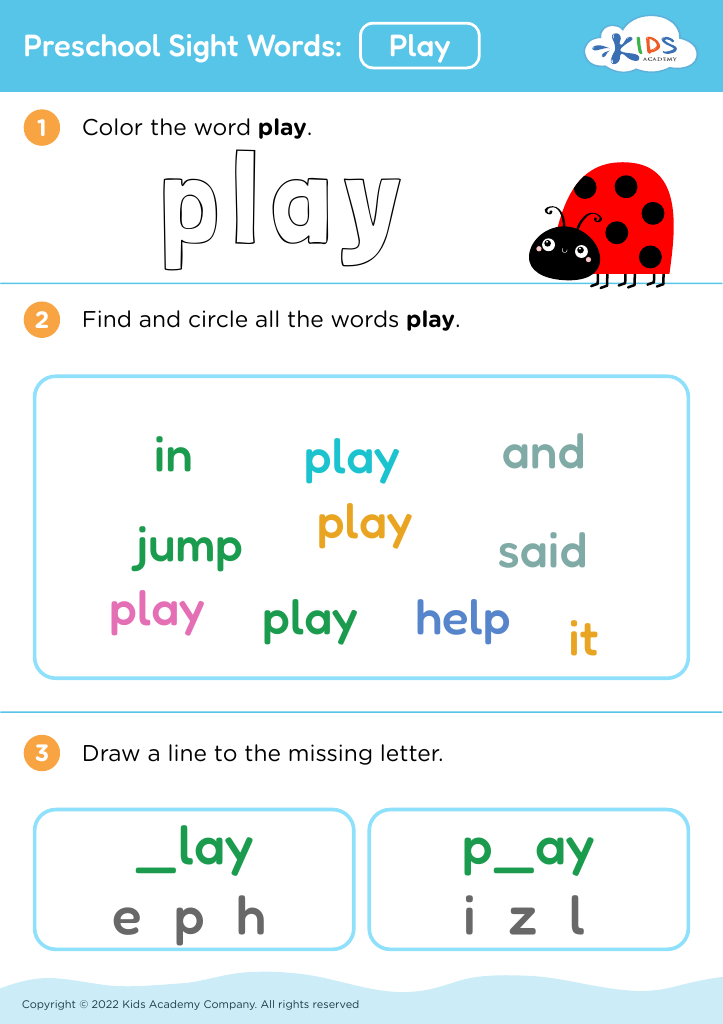
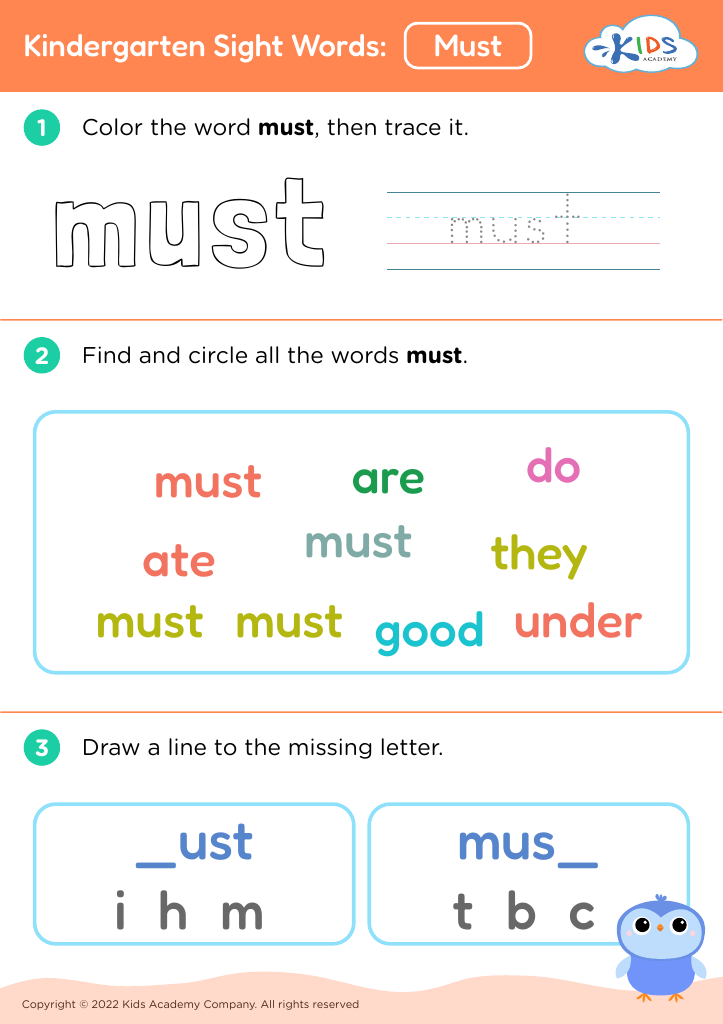
Discover our engaging Sentence Construction Sight Words Worksheets, specially designed for children aged 3-8. These worksheets provide a fun and interactive way to help young learners master sight words while improving their sentence construction skills. Filled with colorful graphics and age-appropriate exercises, our resources encourage creativity and enhance early literacy. Through playful activities, children will learn to form simple sentences, enhancing their vocabulary and reading fluency. Perfect for classroom use or at-home learning, our worksheets make it easy for educators and parents to support their child's reading journey. Start fostering a love for language and reading today with our simple, effective worksheets!
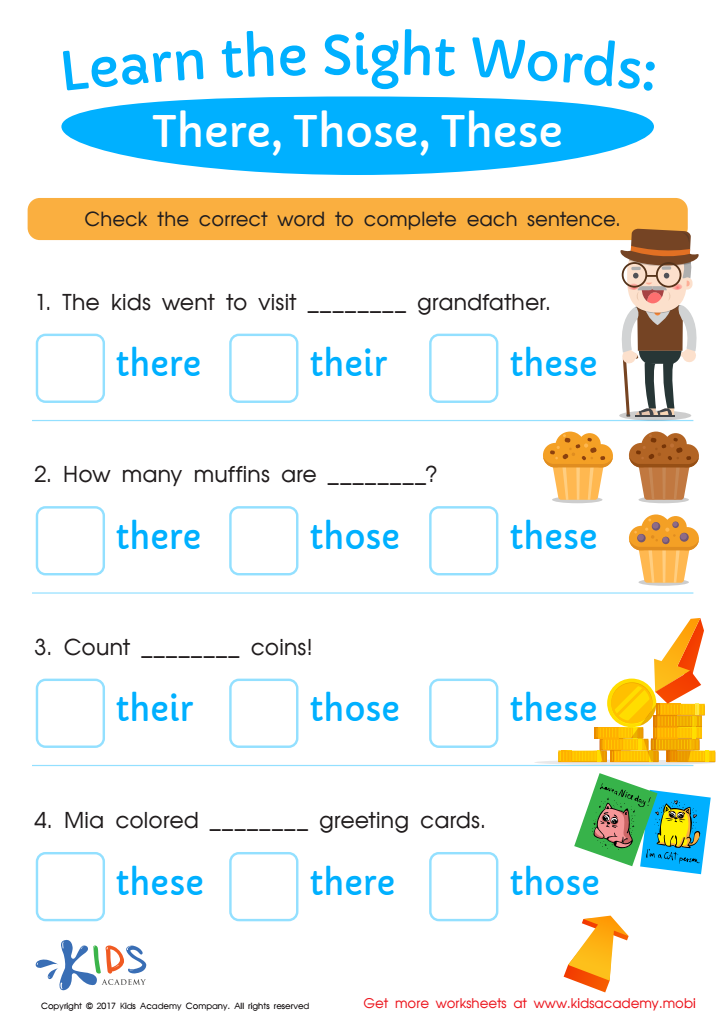
There, Those and These Sight Words Worksheet
 Assign to My Students






.jpg)

.jpg)
Sentence construction and sight words are fundamental building blocks for literacy and language development in early learners aged 3-8. Understanding sentence structure helps children grasp the framework of communication, enabling them to articulate thoughts clearly and coherently. This skill fosters critical thinking, as students learn to organize ideas logically, which is essential for academic success.
Sight words, on the other hand, are common words that children recognize instantly without needing to sound them out. Mastering these words promotes reading fluency and confidence, building a solid foundation for comprehension and storytelling abilities. When children encounter sight words in different contexts, they enhance their vocabulary and improve their overall reading skills.
Parents and teachers play a crucial role in supporting this development. By integrating sentence construction and sight word practice into daily activities, they create a rich language environment that encourages exploration and engagement. Working together to model proper sentence formation and incorporate practice in fun activities makes learning enjoyable.
Ultimately, a strong foundation in sentence construction and sight words empowers young learners, setting them on a path toward successful communication, reading, and lifelong learning. This investment in their early literacy skills promotes future academic achievement and boosts their self-esteem.