Alphabet Recognition Letter Sounds Worksheets for Ages 3-9
4 filtered results
-
From - To
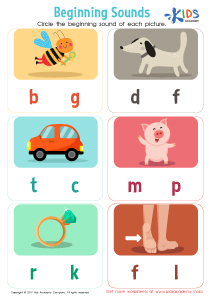
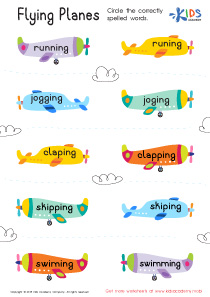
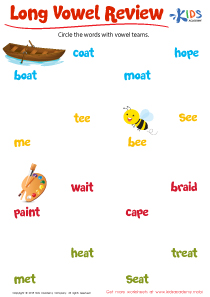
Discover our engaging Alphabet Recognition Letter Sounds Worksheets, designed for children ages 3-9! These worksheets help young learners master the alphabet while developing essential phonemic awareness. With vibrant illustrations and interactive activities, kids will easily identify letters and their corresponding sounds. Perfect for classrooms or at-home learning, our resources foster literacy skills in a fun and motivating way. Each worksheet is thoughtfully crafted to enhance recognition and sound association, ensuring children build a solid foundation for reading. Explore our collection today to support your child’s educational journey and nurture a lifelong love for learning!
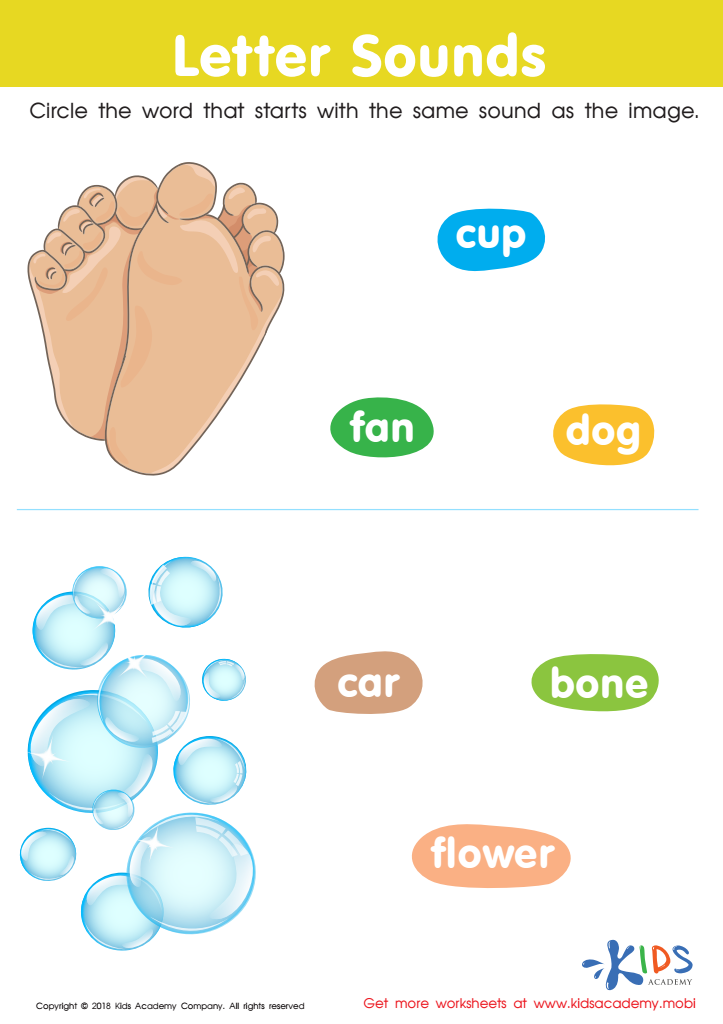
letter sounds Worksheet
 Assign to My Students
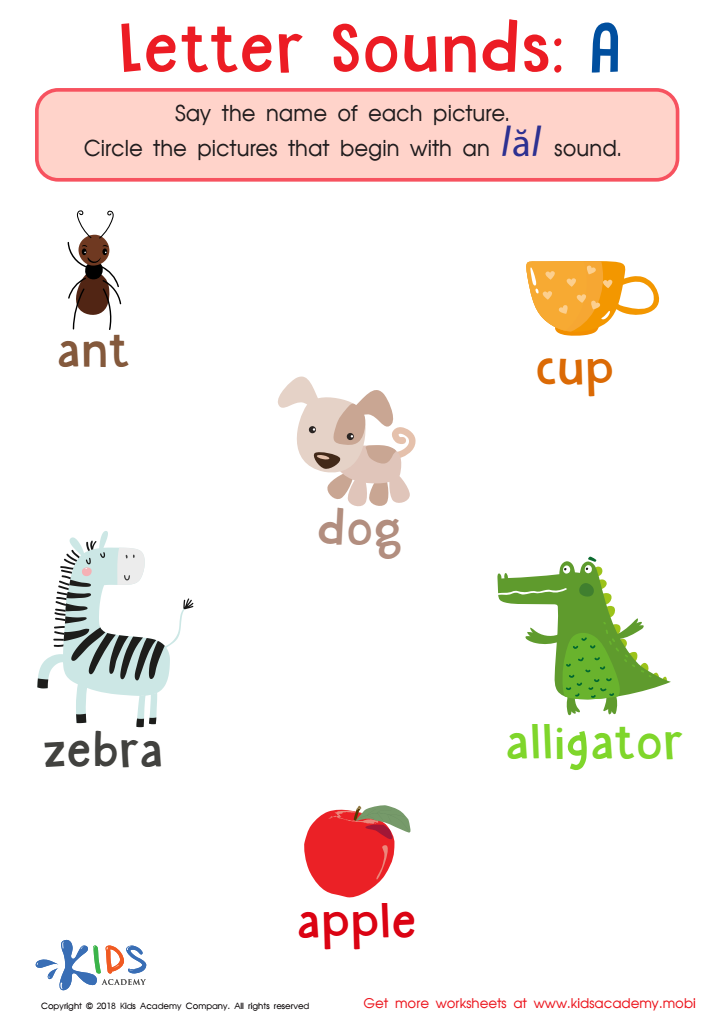
Letter A Sounds Worksheet
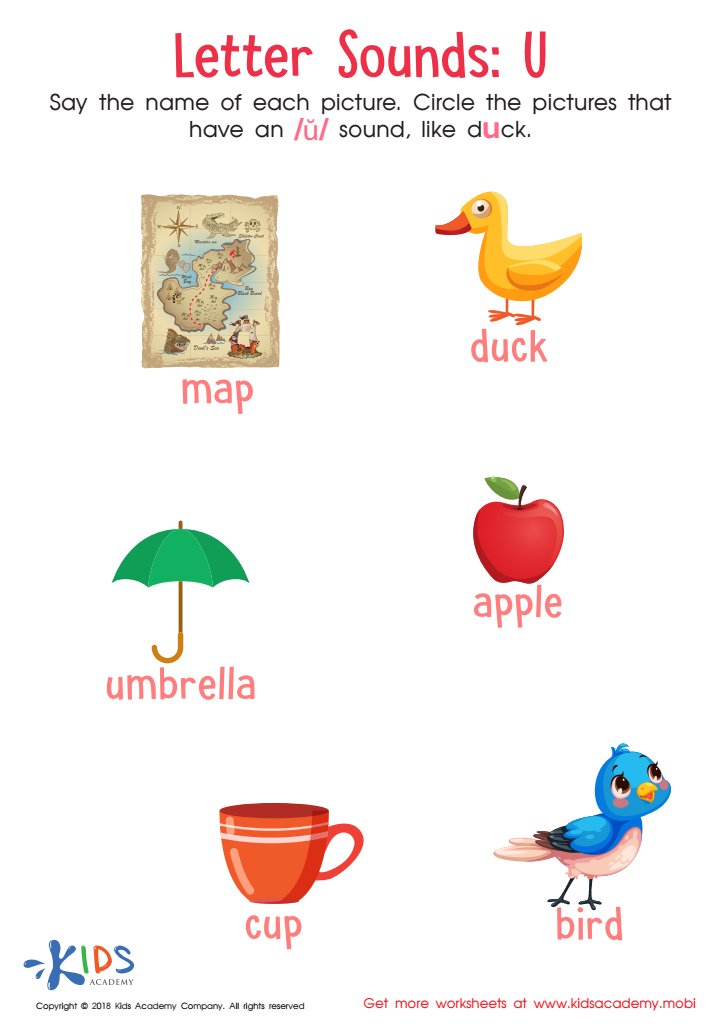
Letter U Sounds Worksheet
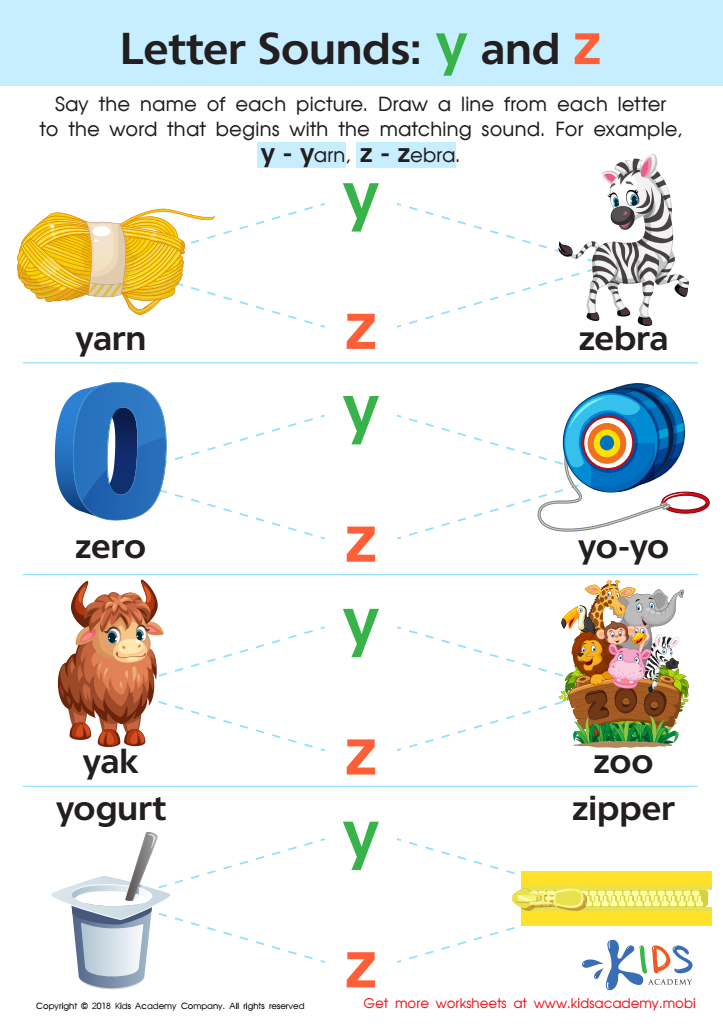
Letter Y and Z Sounds Worksheet








Alphabet recognition and letter sounds are foundational skills in early literacy development, essential for children aged 3-9. Understanding the alphabet and its corresponding sounds equips children with the tools they need to decode written language, fostering reading and writing skills that are vital for academic success.
Parents and teachers should prioritize these skills because they are closely linked to overall cognitive development. When children recognize letters and connect them to sounds, they enhance their phonemic awareness, a critical component of learning to read. Early mastery of these concepts builds a strong basis for vocabulary acquisition, comprehension, and fluency in reading—skills that will serve them throughout their educational journey.
Moreover, increased alphabet recognition impacts confidence and motivation. Children who feel empowered in their literacy abilities are more likely to engage with books and learning activities. This engagement fosters a lifelong love for reading, critical for academic achievement beyond early childhood.
Interventions and strategies that reinforce alphabet recognition and letter-sound knowledge can significantly boost children’s literacy outcomes, ensuring they are well-prepared for the demands of pre-school, grade school, and beyond. By fostering these essential skills, parents and teachers play a crucial role in shaping proficient, enthusiastic readers who are ready to explore the world through literature.