Fine Motor Skills Tracing Lines and Curves Worksheets for Ages 3-9
5 filtered results
-
From - To
Enhance your child's fine motor skills with our engaging Tracing Lines and Curves Worksheets, specially designed for ages 3-9! These educational resources focus on developing coordination and control as kids practice tracing various lines and curves. By completing these fun activities, children will gain confidence in their handwriting abilities while sharpening their hand-eye coordination. Our worksheets include a variety of colorful and visually stimulating designs that will keep little learners excited about practice. Perfect for at-home learning or classroom activities, these tracing worksheets are an essential tool for fostering early childhood development and preparing kids for future learning challenges. Download them today!
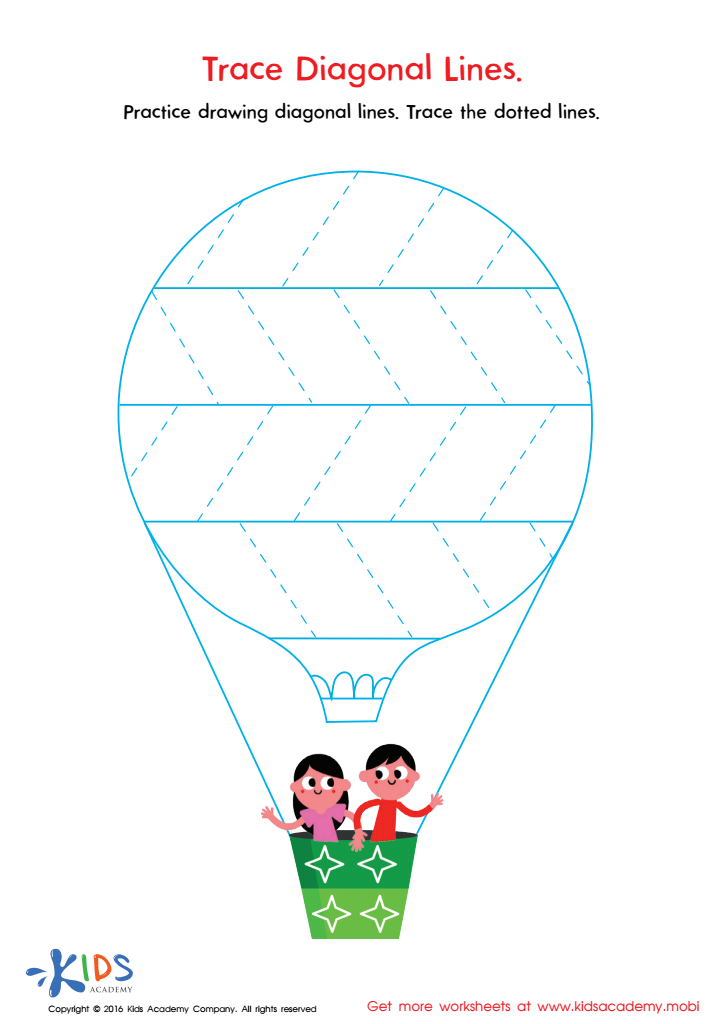
Trace Diagonal Lines Worksheet
 Assign to My Students
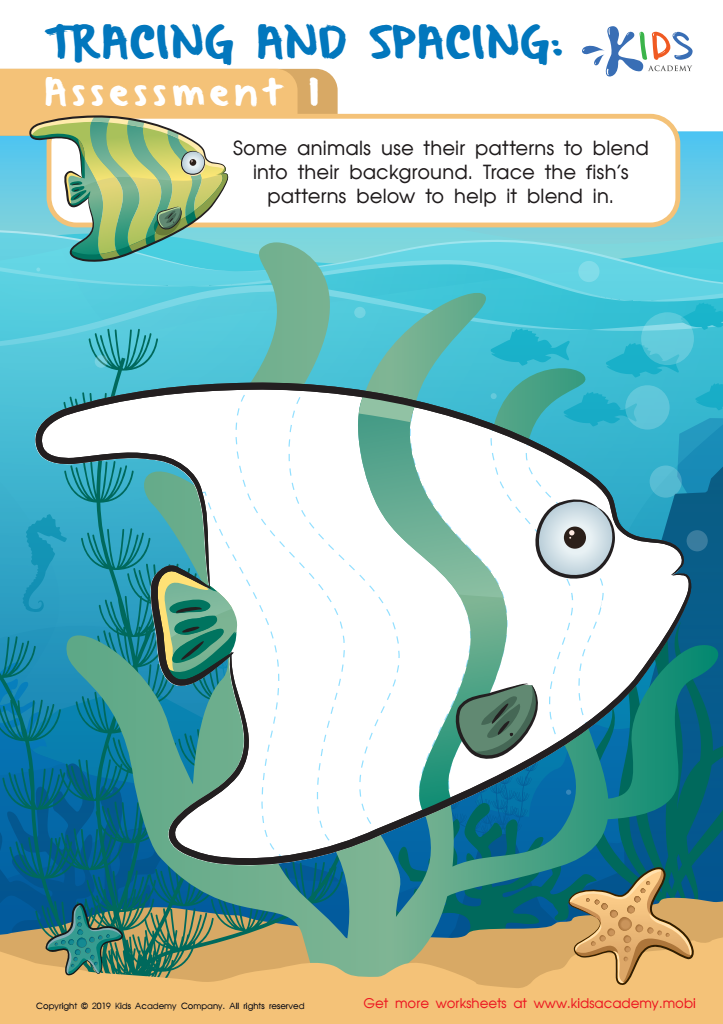
Tracing and Spacing: Assessment 1 Worksheet
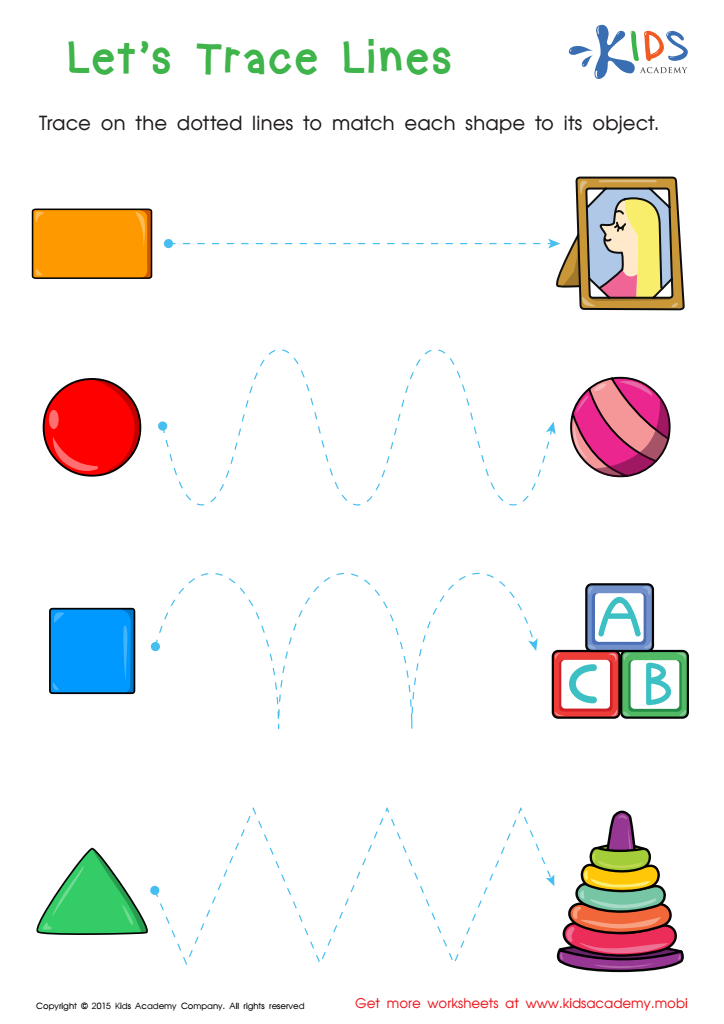
First Words: Let's Trace Lines Worksheet
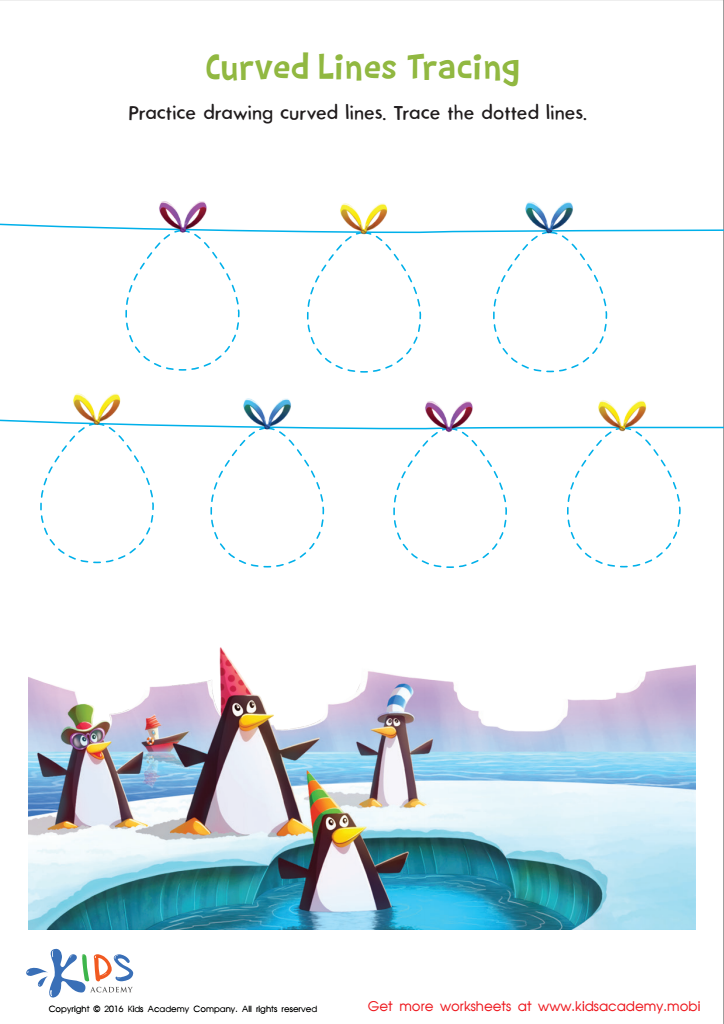
Curved Lines Tracing Worksheet

Tracing Lines Worksheet




Developing fine motor skills through activities like tracing lines and curves is crucial for children's growth, especially between the ages of 3 and 9. These skills are foundational for later tasks, including writing, using scissors, and managing buttons or zippers. Engaging in tracing activities helps improve hand-eye coordination and dexterity, which are essential for smooth and controlled hand movements.
For parents and teachers, fostering fine motor skills can lead to increased confidence in a child’s ability to complete everyday tasks. Mastering tasks that require fine motor control strengthens a child's cognitive processing and enhances focus and attention span. Moreover, such activities stimulate creativity as children collaborate and explore designs through tracing.
Early engagement in tracing lines and curves will positively influence a child's academic readiness, particularly in literacy, as early writing experiences contribute to writing fluency. By supporting the development of these skills through purposeful activities, parents and teachers can ensure that children enter formal schooling with the necessary tools for success. Ultimately, nurturing fine motor skills not only sets the groundwork for effective communication and self-expression but also encourages independence and problem-solving abilities as children learn to express their ideas creatively.








