Fine Motor Skills Color Words Worksheets for Ages 3-9
4 filtered results
-
From - To
Enhance your child's fine motor skills and color recognition with our engaging Fine Motor Skills Color Words Worksheets, designed for children aged 3-9. These specially crafted worksheets promote careful hand movements while expanding vocabulary through exciting color-themed activities. Each sheet encourages tracing, coloring, and writing, helping kids refine their hand-eye coordination and dexterity. Perfect for young learners who are acquiring English as a second language, our worksheets create a fun, educational experience, laying a strong foundation for both language development and essential motor skills. Start your child's colorful learning adventure today!
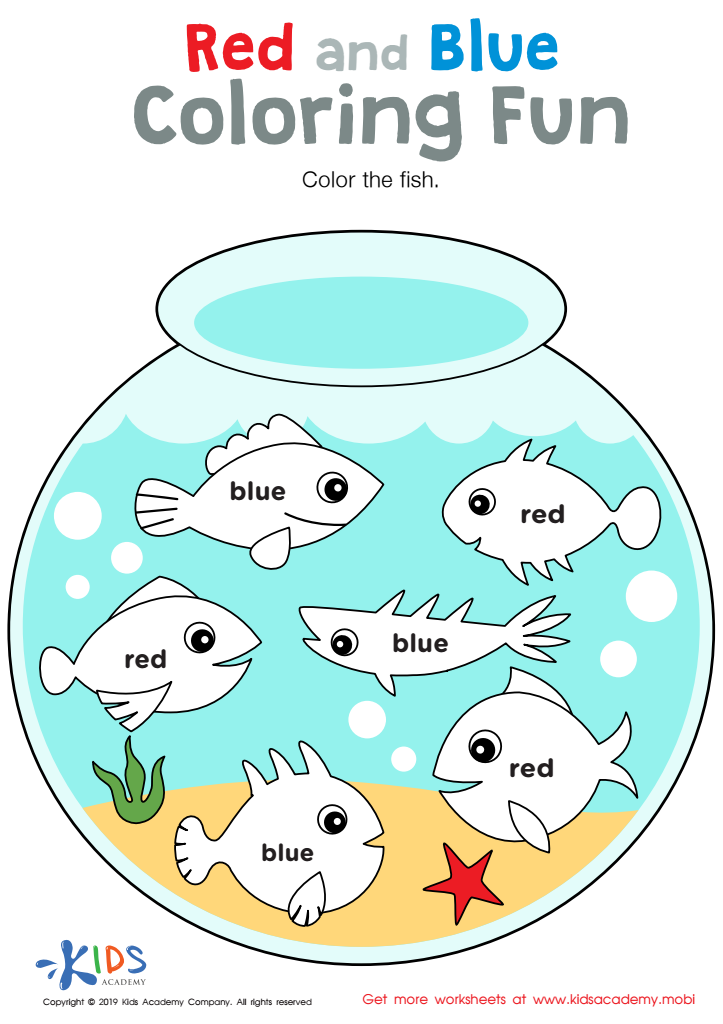
Red and Blue Coloring Fun Worksheet
 Assign to My Students
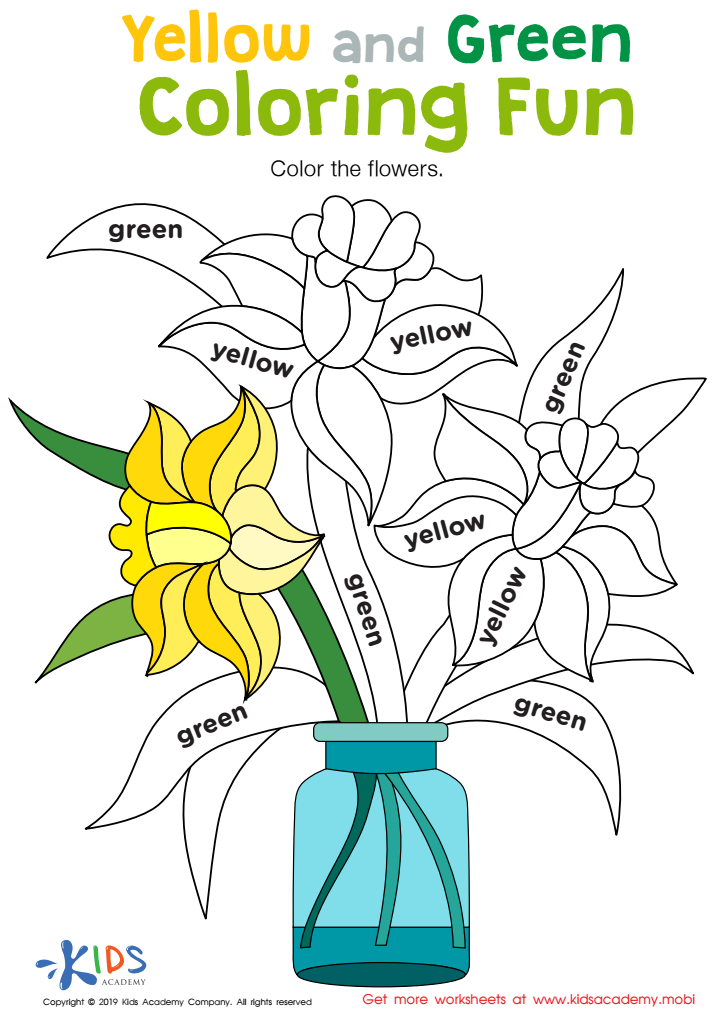
Yellow and Green Coloring Fun Worksheet
Assign to My Students
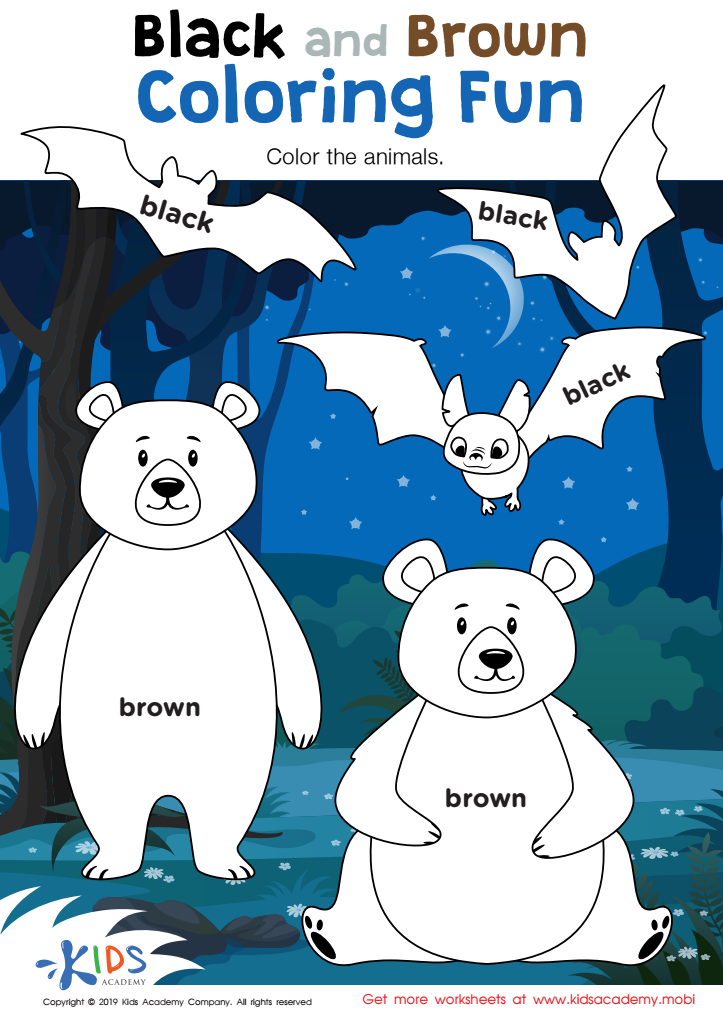
Black and Brown Coloring Fun Worksheet
Assign to My Students
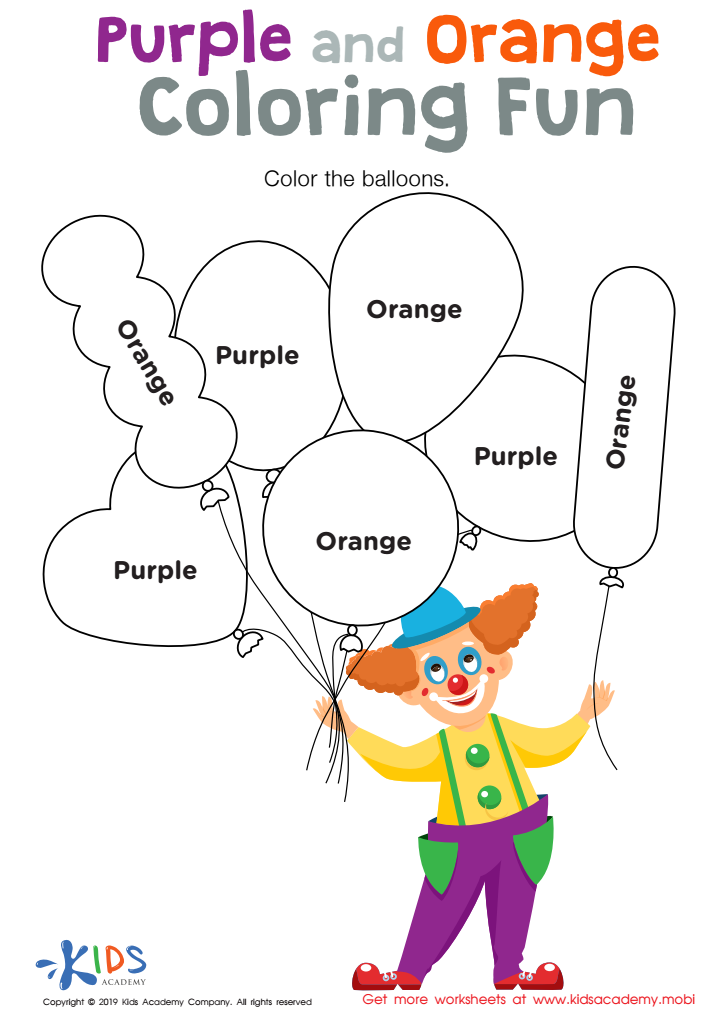
Purple and Orange Coloring Fun Worksheet
Assign to My Students



Fine motor skills refer to the coordination of small muscle movements, particularly in the hands and fingers. For children aged 3 to 9, developing these skills is crucial, and integrating color words into activities can offer a dual benefit. Parents and teachers should care about fine motor skills because they form the foundation for essential daily activities such as writing, using utensils, and buttoning clothes.
Engaging children in activities that combine fine motor practice with learning color words enhances cognitive development and language acquisition. For example, coloring within the lines, tracing, or sorting objects by color helps refine dexterity while simultaneously solidifying color recognition and vocabulary. This dual focus on fine motor and cognitive skills ensures that children are not just physically prepared for the rigors of writing and schoolwork, but also linguistically adept.
Moreover, strong fine motor skills bolster self-esteem and independence. When children can complete tasks independently, they gain confidence. Teachers and parents who prioritize these skills contribute to a child's emotional and academic growth, setting them up for long-term success. Consequently, a well-rounded approach to education at this early age is essential for holistic child development.








