Basic problem-solving Worksheets for Ages 3-9
3 filtered results
-
From - To
Unlock your child's potential with our Basic Problem-Solving Worksheets for ages 3-9! Designed to enhance critical thinking and cognitive skills, these engaging activities challenge young learners and make learning fun. Our worksheets cover a variety of scenarios, fostering creativity and encouraging children to strategize and reason effectively. Each sheet is tailored to suit different skill levels, ensuring every child can participate and grow. Ideal for educators and parents, these resources can easily be integrated into home or classroom settings. Watch your little ones develop confidence and independence as they tackle these interactive problem-solving tasks. Start their journey to becoming excellent problem solvers today!
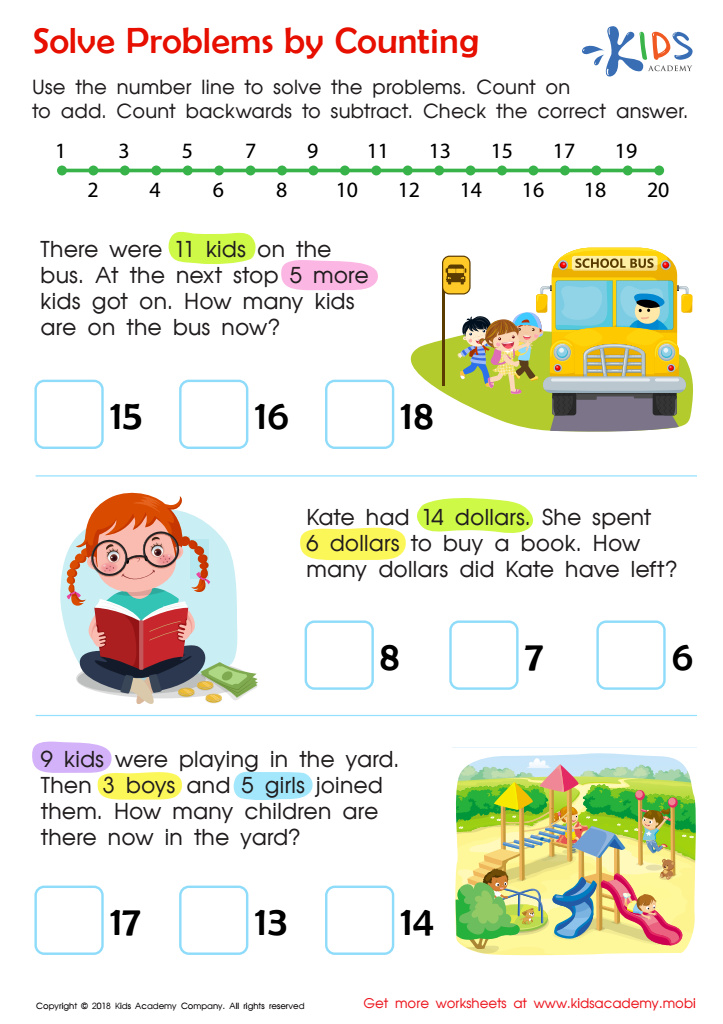
Solve Problems by Counting Worksheet
 Assign to My Students
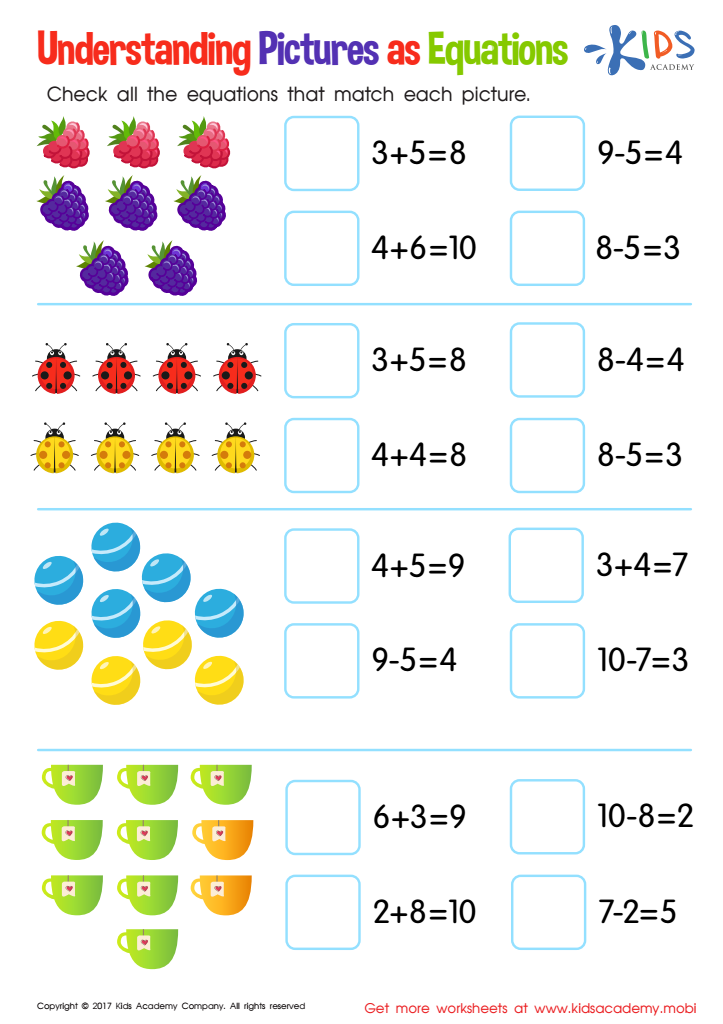
Understanding Pictures as Equations Worksheet
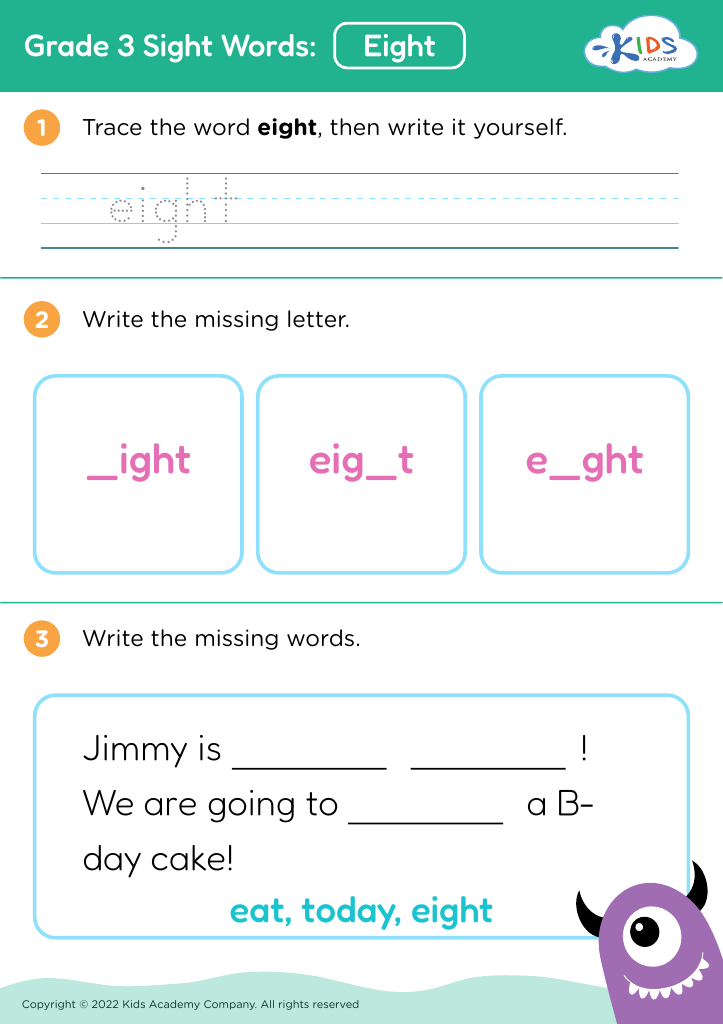








Basic problem-solving is a fundamental skill that fosters critical thinking and equips children aged 3-9 with the tools they need to navigate the world. During these formative years, children are like sponges, absorbing information and experiences. Engaging them in problem-solving activities nurtures cognitive development, enhancing their ability to think independently and reason logically. This age is crucial for building a solid foundation in emotional intelligence, as problem-solving often involves empathy and cooperation with peers, facilitating social skills and relationships.
Moreover, basic problem-solving equips children with resilience. When they encounter challenges and work through them, they learn that failure is a part of the learning process. This perspective helps develop a growth mindset, empowering children to tackle obstacles rather than shy away from them.
Parents and teachers should care about fostering these skills because the implications extend far beyond the classroom. Proficient problem-solvers are more likely to excel academically and succeed in life, as they possess the confidence to confront new challenges. Encouraging problem-solving in young learners sets them on a path toward lifelong learning, critical thinking, and adaptability, all essential attributes in our fast-evolving world. Investing in their problem-solving skills today reaps rewards for their future endeavors.








