Cognitive skill development Worksheets for Ages 3-9
6 filtered results
-
From - To
Discover our engaging Cognitive Skill Development Worksheets for ages 3-9, designed to boost your child's critical thinking, problem-solving, and memory. These expertly crafted resources aim to nurture young minds through activities that promote logical reasoning, pattern recognition, and conceptual understanding. Perfect for both classroom and home use, our worksheets cover various skill levels and interests, ensuring every child remains challenged and motivated. Empower your little learners with fun, interactive exercises that lay a strong foundation for future academic success. Visit Kids Academy today to unlock the true potential of early cognitive development!
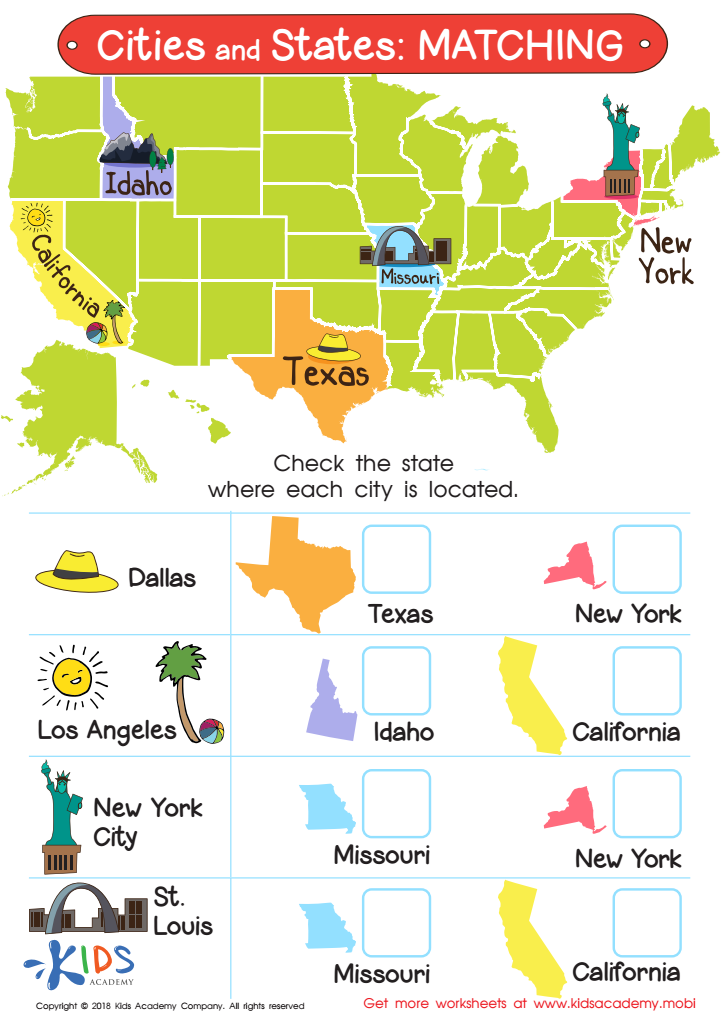
Cities and States: Matching Worksheet
 Assign to My Students
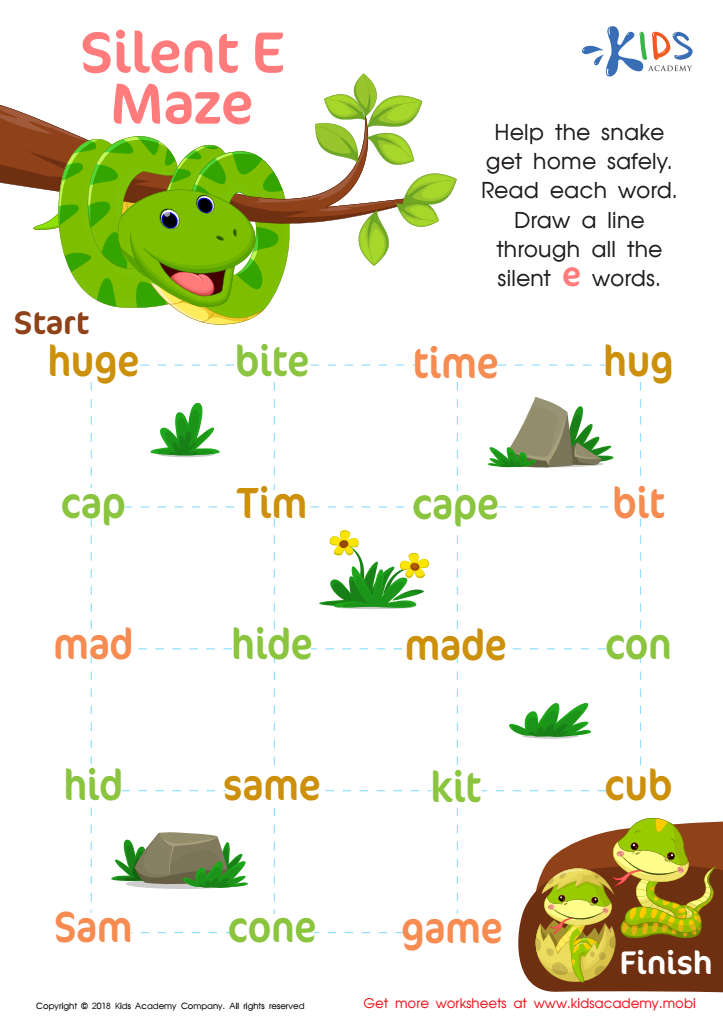
Silent E Maze Worksheet
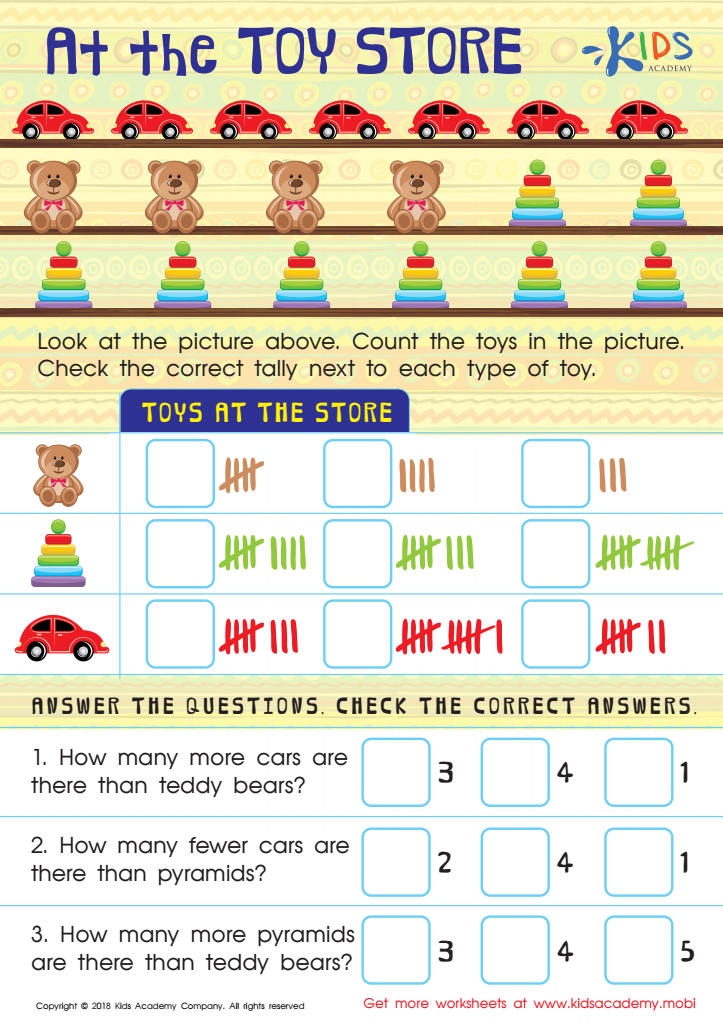
Tally Chart: At the Toy Store Worksheet

Notation of Checkmate Worksheet


.jpg)



.jpg)

Cognitive skill development in children aged 3-9 is crucial as it lays the foundation for lifelong learning and problem-solving abilities. During this period, children's brains are highly plastic, meaning they can adapt and form new connections rapidly. This is an optimal time for nurturing essential skills such as attention, memory, reasoning, and language. By focusing on cognitive development, parents and teachers can ensure children are well-equipped to handle complex tasks and think critically.
Moreover, early cognitive development is linked to academic success. Children who develop strong cognitive skills early on tend to perform better in school, displaying higher literacy and numeracy levels. This can lead to increased confidence and motivation, fostering a positive attitude toward learning.
Ensuring healthy cognitive development also has long-term societal benefits. Well-rounded, cognitively capable individuals are better prepared for the demands of the modern workforce and can contribute more effectively to society. Intervening early can help identify and address potential challenges, such as learning disabilities, thereby minimizing their impact.
In sum, attending to cognitive skill development from ages 3-9 is an investment in a child's future, contributing not only to their personal growth but also to the well-being of the community at large. By doing so, parents and teachers support the development of capable, resilient, and lifelong learners.








