Develop sequencing skills Worksheets for Ages 3-9
3 filtered results
-
From - To
Enhance your child's cognitive development with our engaging sequencing skills worksheets designed for ages 3-9! These worksheets introduce young learners to the critical skill of ordering events and recognizing patterns, fostering both comprehension and problem-solving abilities. Each engaging activity promotes logical thinking while encouraging creativity through colorful visuals and interactive tasks. From simple picture sequences to more complex story arrangements, our resources cater to various skill levels, ensuring children remain challenged and motivated. Perfect for home or classroom use, these worksheets are a fun way for kids to develop essential sequencing skills that lay the foundation for future learning. Start exploring today!
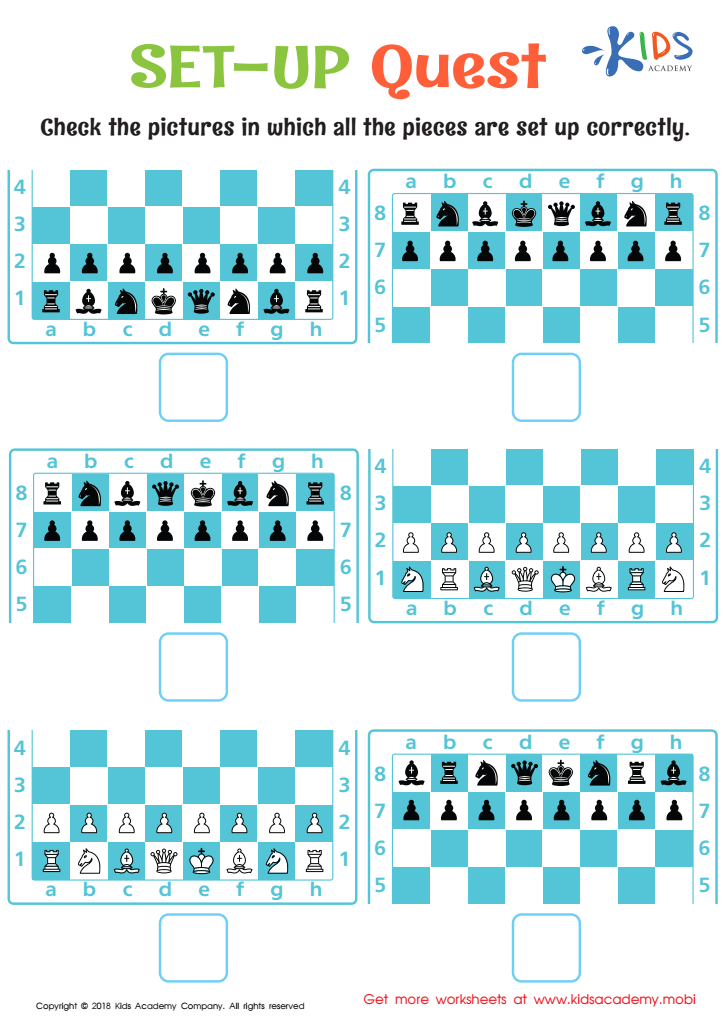
Set-up Quest Worksheet
 Assign to My Students
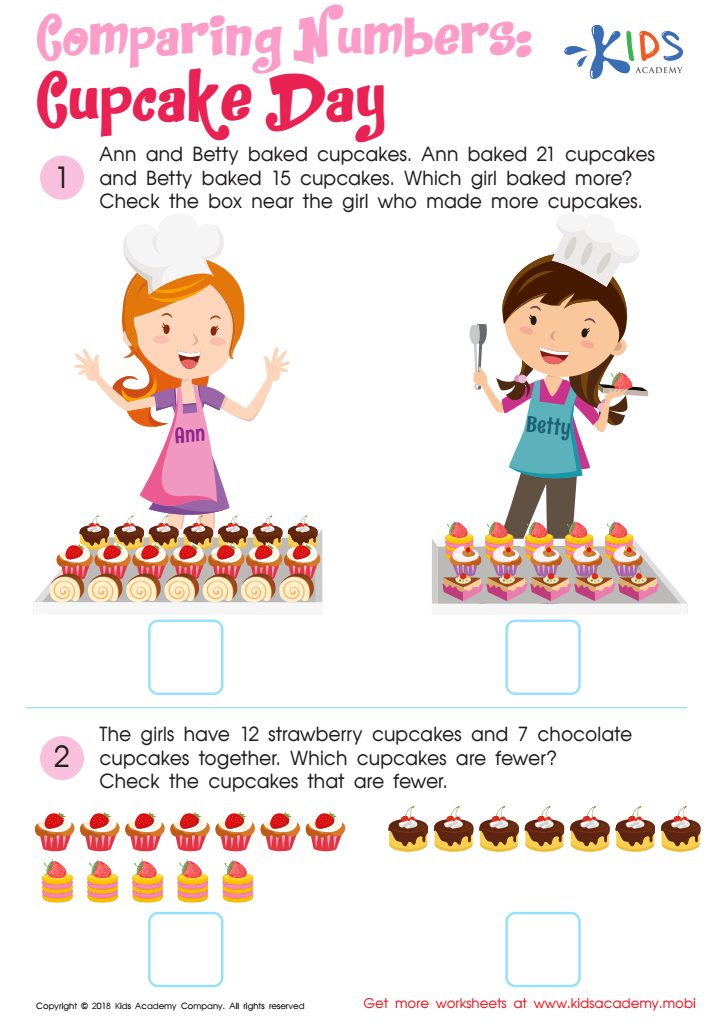
Cupcake Day Worksheet







Developing sequencing skills in children aged 3-9 is crucial for their cognitive and academic growth. These skills are foundational for understanding order, which is vital in everyday tasks and more complex learning situations. For example, sequencing helps children follow directions in the correct order, enhancing their ability to accomplish tasks like preparing a meal or completing a homework assignment.
In literacy, strong sequencing skills improve reading comprehension. When children can place events in order, they better understand the narrative structure and can recall details, leading them to become more proficient readers. Similarly, in math, sequencing aids in grasping concepts such as patterns and problem-solving.
Furthermore, sequencing fosters critical thinking and organizational abilities. It teaches children to think ahead, predict outcomes, and reflect on past experiences, valuable skills as they navigate social situations and develop emotional intelligence. This kind of structured thinking lays the groundwork for more complex skills required in later grades.
As such, engaging children in activities that bolster sequencing—like storytelling, puzzle-solving, or even simple daily routines—can have lasting positive impacts. Ultimately, parents and teachers play a vital role in nurturing these skills, setting the stage for a child’s academic success and lifelong learning.








