Developing comprehension Worksheets for Ages 3-9
3 filtered results
-
From - To
Welcome to our Developing Comprehension Worksheets for Ages 3-9! These engaging resources are designed to enhance your child's understanding and retention of information through fun, age-appropriate exercises. Focusing on various themes, our worksheets encourage critical thinking and help build essential reading comprehension skills. From identifying main ideas to understanding context, our activities offer a structured approach to learning. Created by educators, these printable sheets promote independent learning while allowing parents and teachers to track progress. With colorful illustrations and interactive tasks, your children will develop a strong foundation in reading comprehension, setting them up for future academic success.
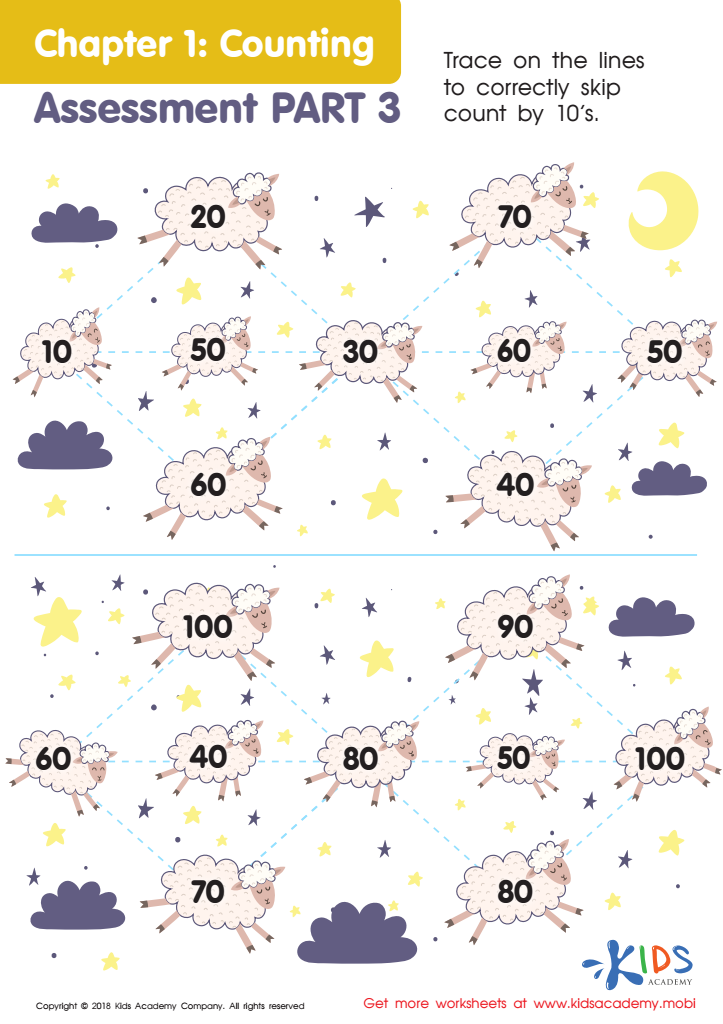
Counting: Assessment 3 Worksheet
 Assign to My Students
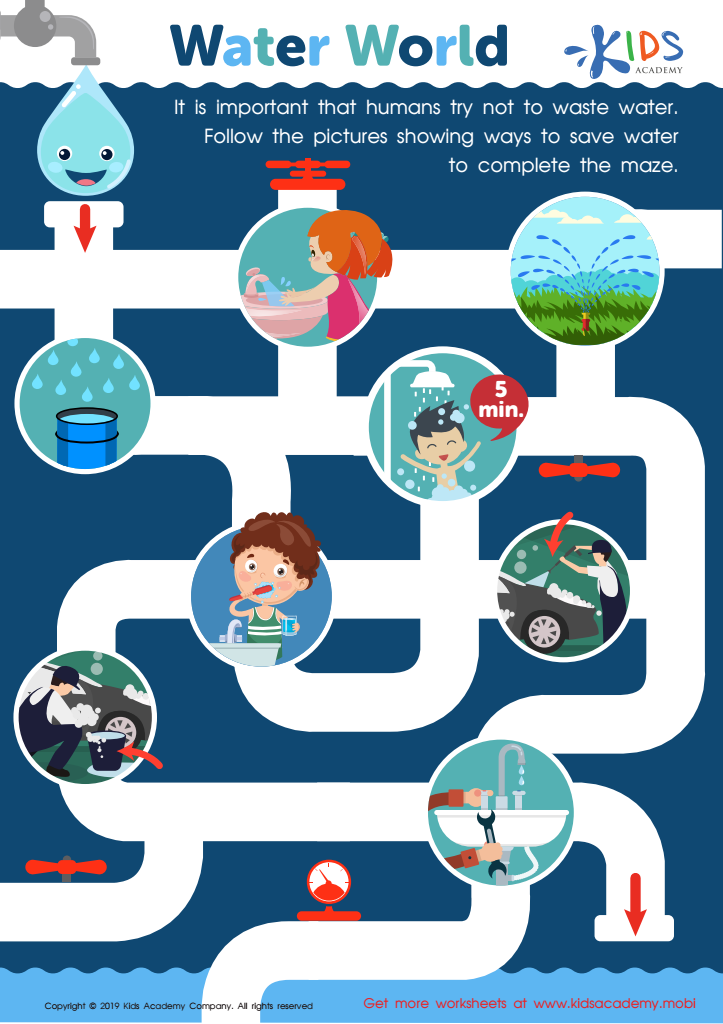
Water World Worksheet
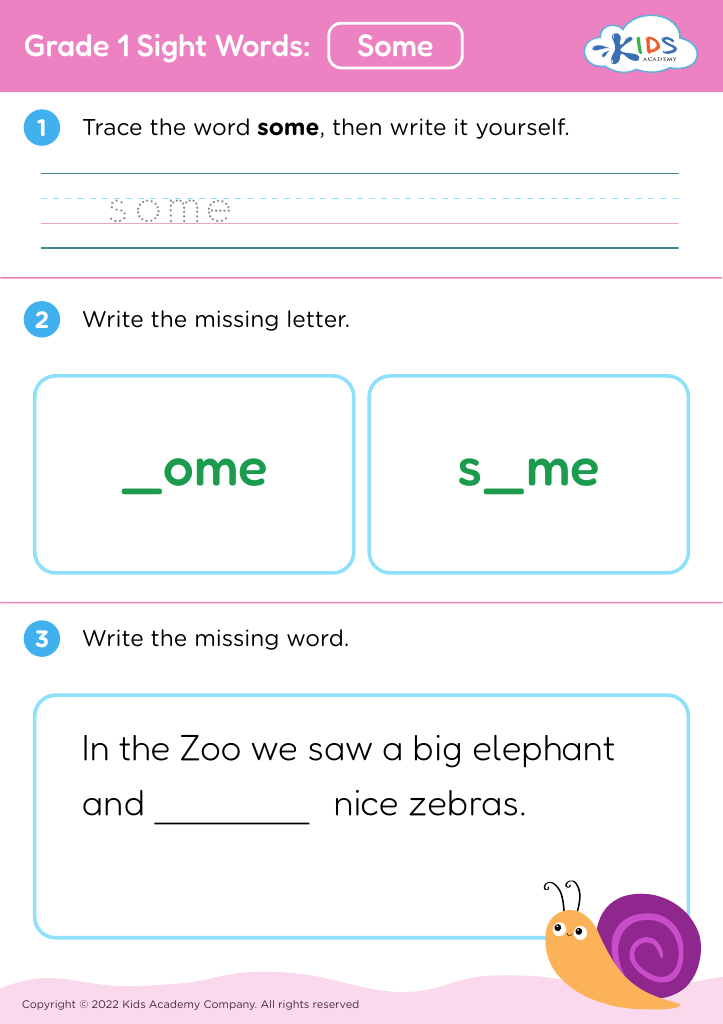


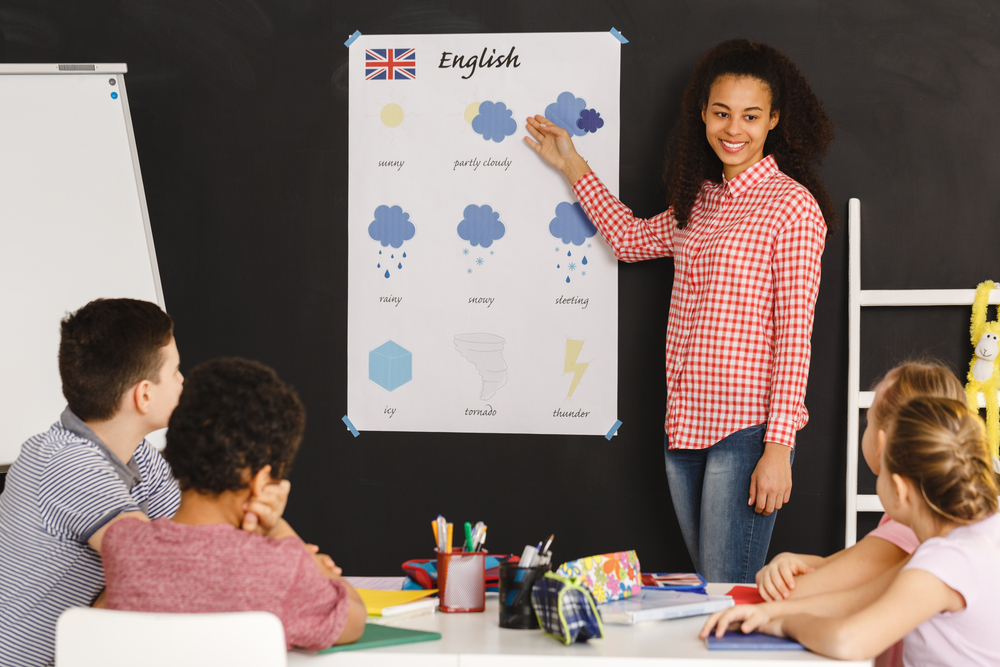


.jpg)


Developing comprehension skills in children aged 3-9 is crucial for their overall academic success and life skills. Between these ages, children are in a critical phase of cognitive development, where they begin to grasp language and construction of meaning from stories, conversations, and instructions.
By fostering comprehension abilities, parents and teachers can help children become proficient readers and critical thinkers. Comprehension is not just about understanding the words; it's about connecting concepts, predicting outcomes, and making inferences. When children develop these skills early on, they become more confident learners, which can enhance their performance in school and other areas of life.
Moreover, comprehension helps children cultivate critical social skills. By understanding narratives and contexts, they learn empathy, as they can identify and relate to the emotions and experiences of others. This foundation supports effective communication and relationship-building as they grow.
Additionally, strong comprehension skills are linked to increased motivation and a lifelong love of reading. Engaging with stories enables children to explore new worlds, cultures, and ideas, fostering creativity and curiosity. For these reasons, investing in comprehension development during these formative years is vital for fostering well-rounded, capable individuals.








