
Enhancing fine motor skills Worksheets for Ages 3-9
4 filtered results
Difficulty Level
Grade
Age
-
From - To
Subject
Activity
Standards
Enhance your child's fine motor skills with our comprehensive collection of worksheets designed for ages 3-9. Our expertly crafted activities focus on improving hand-eye coordination, dexterity, and precision, essential for daily tasks such as writing and dressing. Each worksheet offers engaging exercises suited to various developmental stages. From tracing lines and shapes to cutting practice and manipulative play, our resources make learning fun and effective. Built to nurture foundational skills, these activities support cognitive growth and prepare children for academic success. Discover the perfect tools to help your young learners thrive in their developmental journey today!
Favorites
With answer key
Interactive
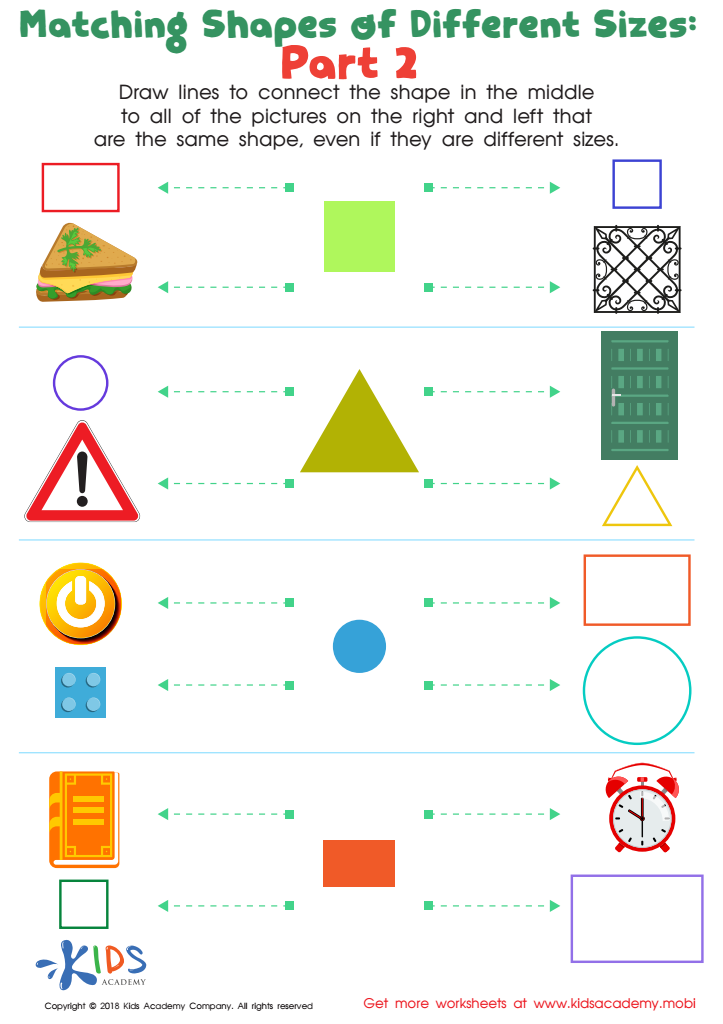
Geometry: Part 2 Worksheet
Third grade geometry gets a challenge with this free worksheet. Kids match shapes to everyday objects like sandwiches, alarm clocks and books for a better understanding of geometry in their lives. Printable pdf is included.
 Assign to My Students
Geometry: Part 2 Worksheet
Worksheet
Join Kids Academy for Free
Who is primarily going to use this learning content?








Enhancing fine motor skills for children aged 3-9 is crucial for their overall development. Fine motor skills refer to the coordination of small muscles in movements—usually involving the synchronization of hands and fingers—with the eyes. These skills form the foundational abilities needed for everyday tasks and academic success.
First and foremost, strong fine motor skills are essential for work in school, such as writing, drawing, and manipulating small objects. These abilities contribute to a child’s success in completing classroom activities and promote a sense of independence. For example, the ability to use scissors, tie shoelaces, or button clothes are daily tasks where fine motor skills are applied.
Moreover, fine motor skills are closely linked to cognitive development. When children engage in activities that require these skills, they often exercise planning, attention to detail, and critical thinking. Activities like puzzles, mosaics, and LEGO can boost these capacities alongside their motor abilities.
Lastly, fine motor skill development also plays a critical role in building self-esteem. As children master new skills, they gain confidence in their abilities, which positively impacts their social interactions and overall well-being. Therefore, educators and parents should prioritize fine motor skill activities to ensure holistic growth, both physically and mentally, during these formative years.








