Enhancing observation skills Worksheets for Ages 3-9 - Page 2
26 filtered results
-
From - To
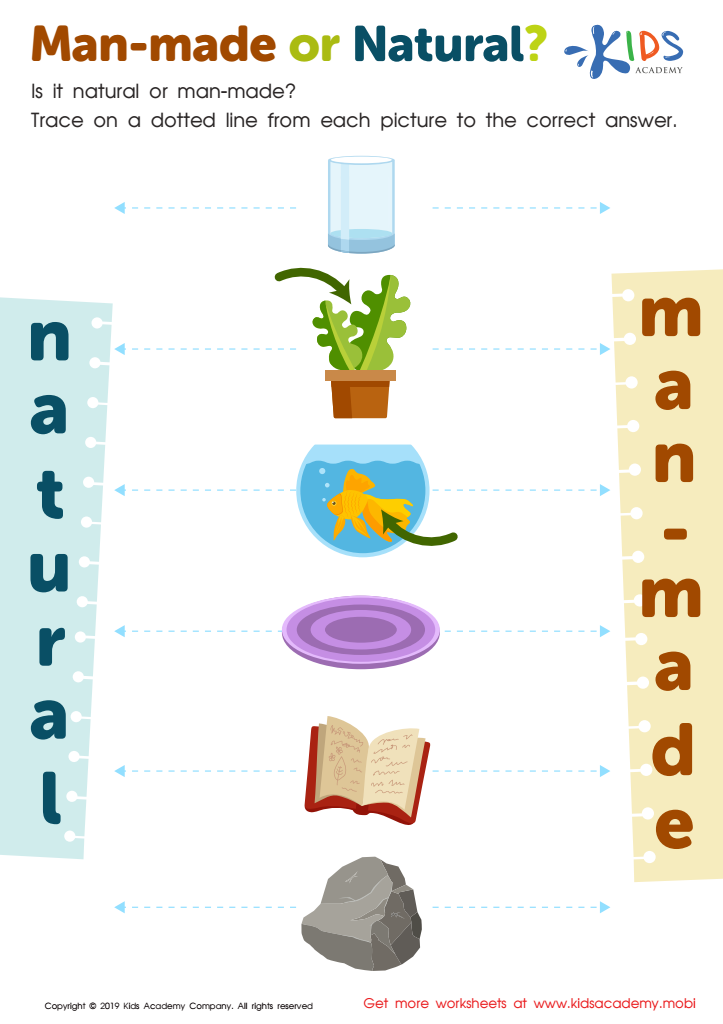
Man-Made or Natural? Worksheet
 Assign to My Students
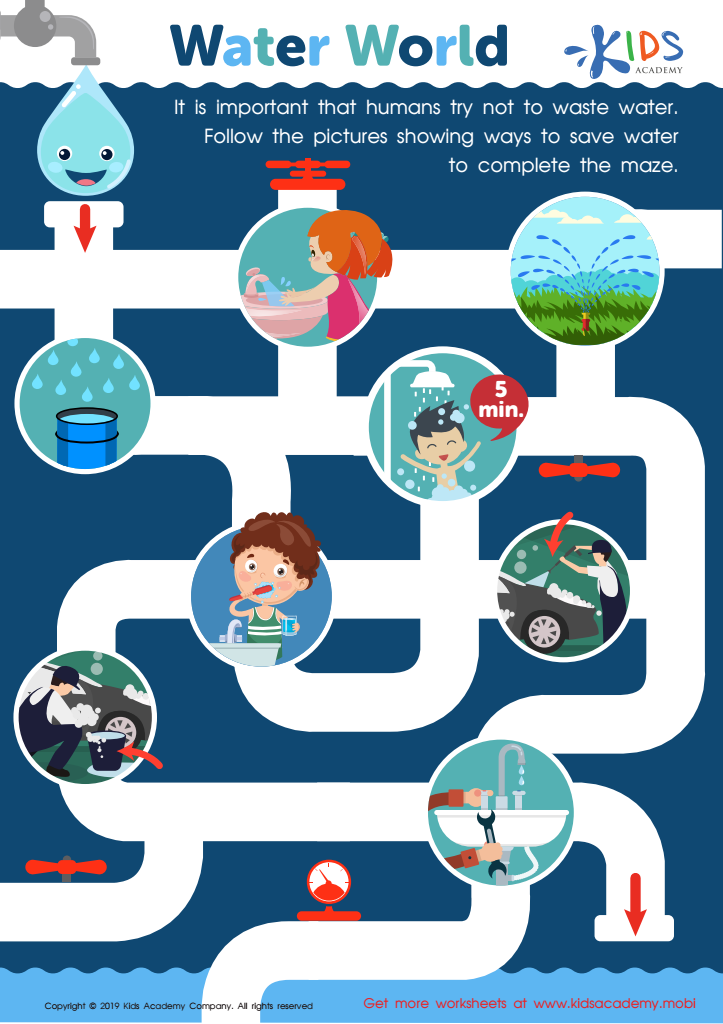
Water World Worksheet








Enhancing observation skills in children aged 3-9 is crucial for their cognitive and social development. During these formative years, children are naturally curious and keen to explore their surroundings. By fostering strong observation skills, parents and teachers help children develop attention to detail, which is foundational for learning and problem-solving. When children observe closely, they grasp concepts more effectively, improving their academic performance in subjects like science, math, and literacy.
Furthermore, observation is linked to heightened creativity and critical thinking. As children notice patterns, differences, and similarities, they learn to make informed assumptions and decisions. These skills are valuable not only in academic settings but also in day-to-day problem-solving and social interactions. Additionally, well-developed observation skills enhance emotional intelligence. Children become better at reading social cues, understanding others' emotions, and responding empathetically, fostering stronger interpersonal relationships and effective communication.
Parents and teachers who prioritize and nurture observation skills are investing in a child's comprehensive development. Through activities like nature walks, interactive reading, and discussion, they encourage a mindful presence and stimulate a child's intellectual and emotional growth. This holistic approach builds a strong foundation, enabling children to navigate the complexities of learning and social environments with confidence and insight.








