Event sequencing Worksheets for Ages 3-9
3 filtered results
-
From - To
Discover our engaging Event Sequencing Worksheets designed for children aged 3 to 9! These carefully crafted activities enhance critical thinking and comprehension skills by helping young learners understand the importance of order and timelines. Our worksheets include colorful illustrations and age-appropriate scenarios, making it fun for kids to practice sequencing events in daily routines or stories. Perfect for homeschooling or classroom use, these resources promote cognitive development while keeping children entertained. Download and print our worksheets to support your child's learning journey today and watch them thrive as they master this essential skill with ease and enjoyment!
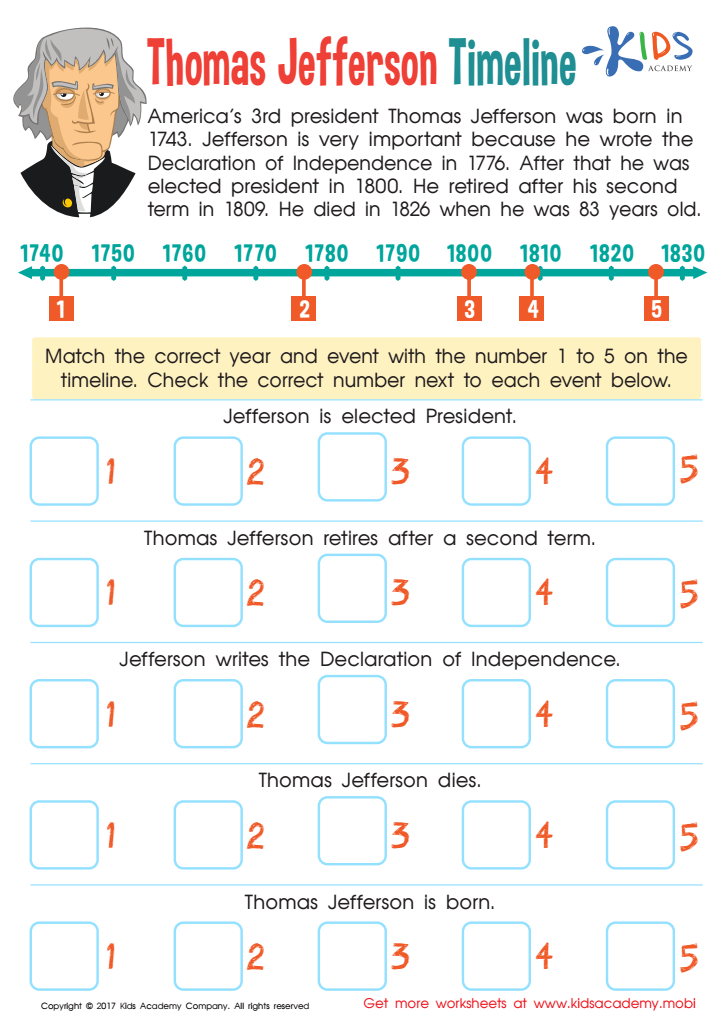
Thomas Jefferson Timeline Worksheet
 Assign to My Students
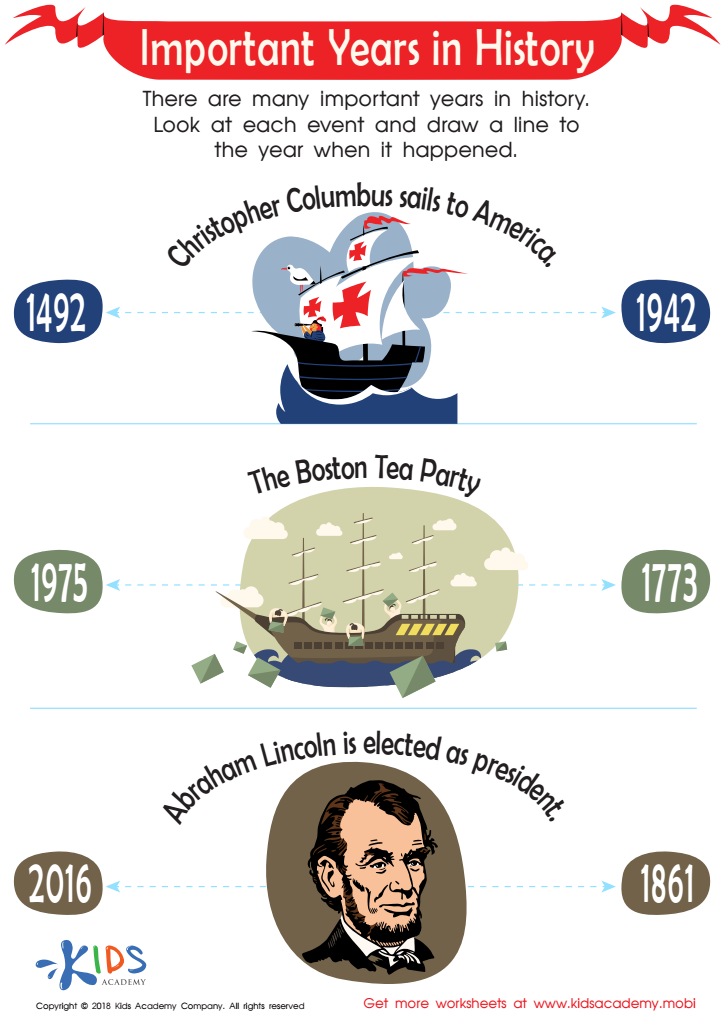
Important Years in History Worksheet
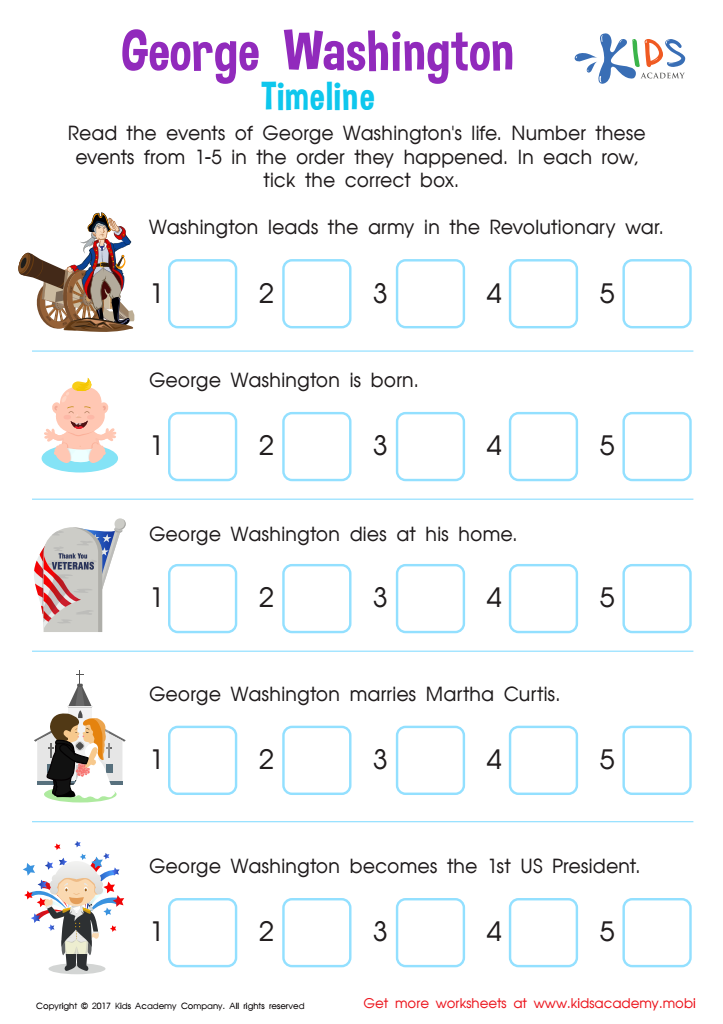
George Washington Timeline Worksheet





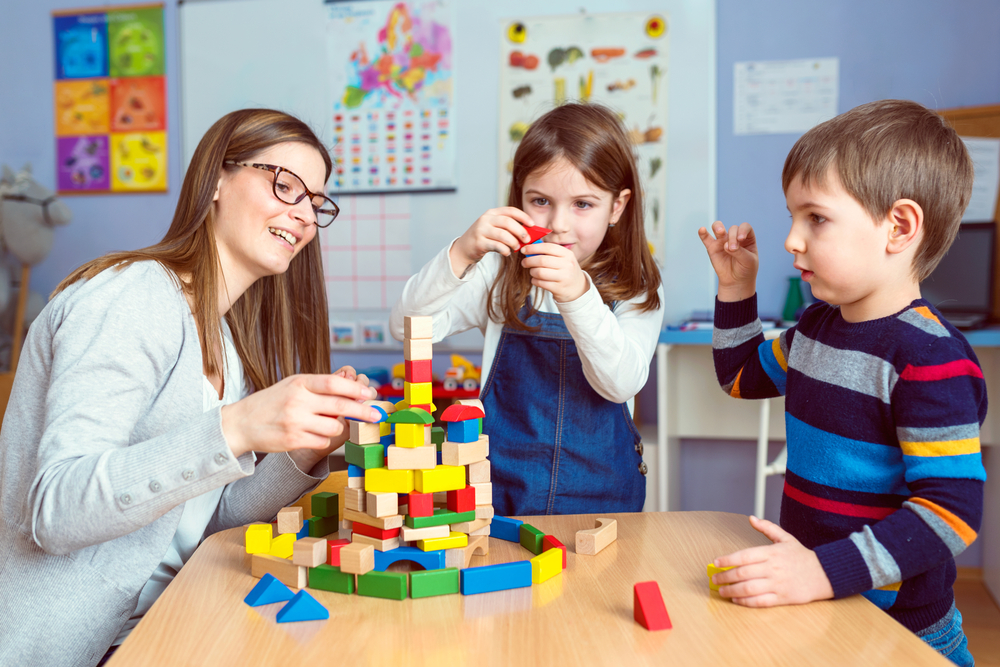


Event sequencing is a crucial skill for children aged 3-9 as it lays the foundation for critical thinking, literacy, and comprehension. For parents and teachers, understanding and fostering this skill can significantly enhance a child's overall development. Event sequencing involves organizing events in chronological order, which helps children make sense of stories and their daily experiences.
By cultivating this skill, parents and teachers can foster better storytelling abilities, improve reading comprehension, and enhance problem-solving skills. Children who can sequence events are more capable of understanding narratives in books, following instructions, and recalling significant details in a structured manner. This skills also aids in developing writing abilities, as children learn to craft coherent narratives.
Moreover, event sequencing aids in social-emotional development. Kids learn to process their experiences, reflect on responsibilities, and understand the consequences of actions through sequencing. As children discuss what happens first, next, and last, they cultivate communication skills that are vital for effective interpersonal interactions.
In summary, when parents and teachers focus on event sequencing, they provide children with essential tools for cognitive, linguistic, and emotional growth, which are foundational for a lifetime of learning and successful interactions.








