Fraction comparison Worksheets for Ages 3-9 - Page 2
47 filtered results
-
From - To
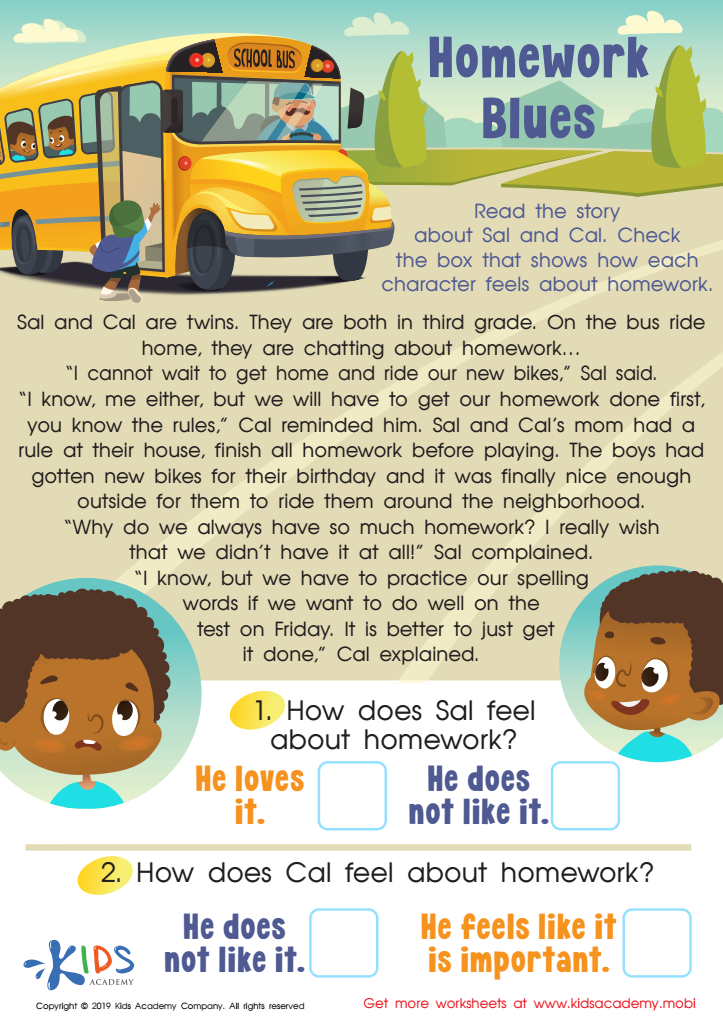
Homework Blues Worksheet
 Assign to My Students
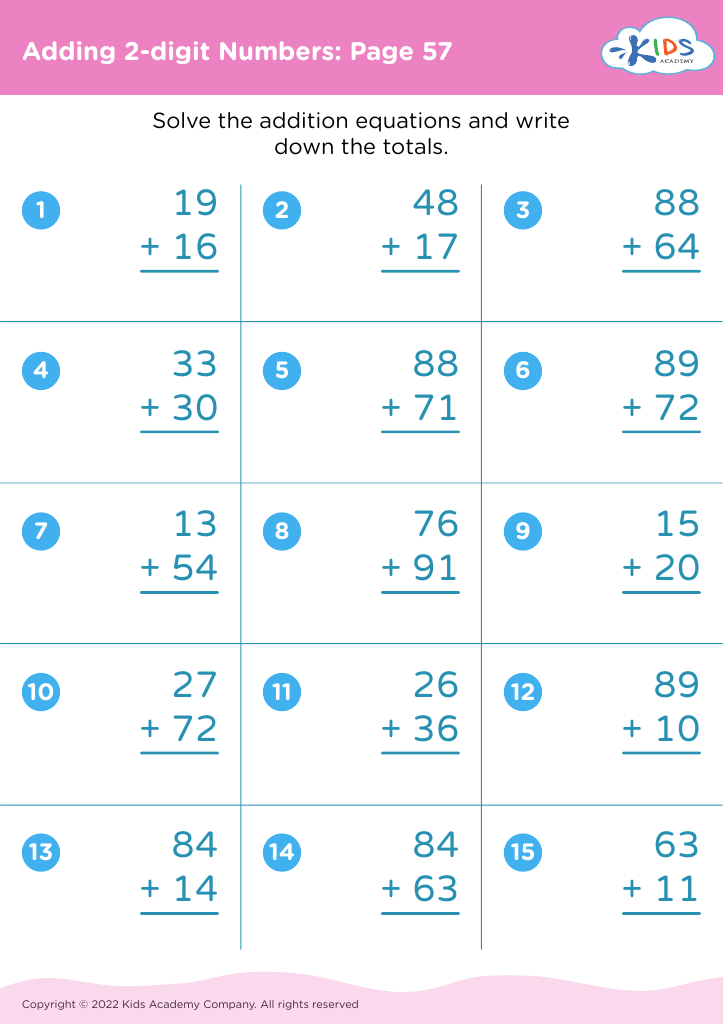
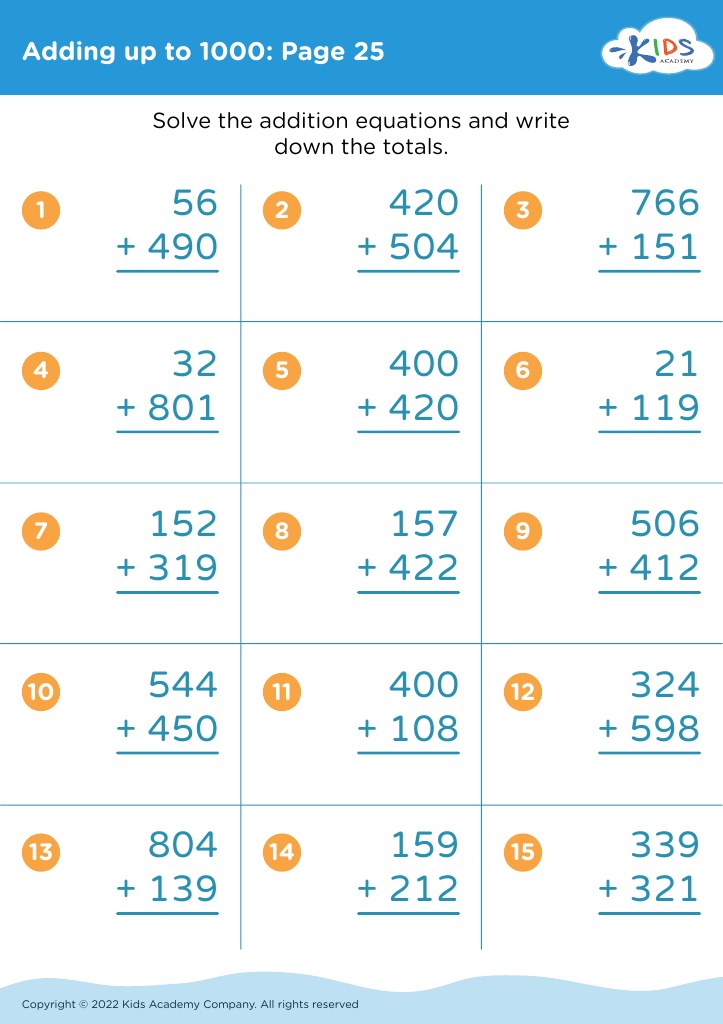
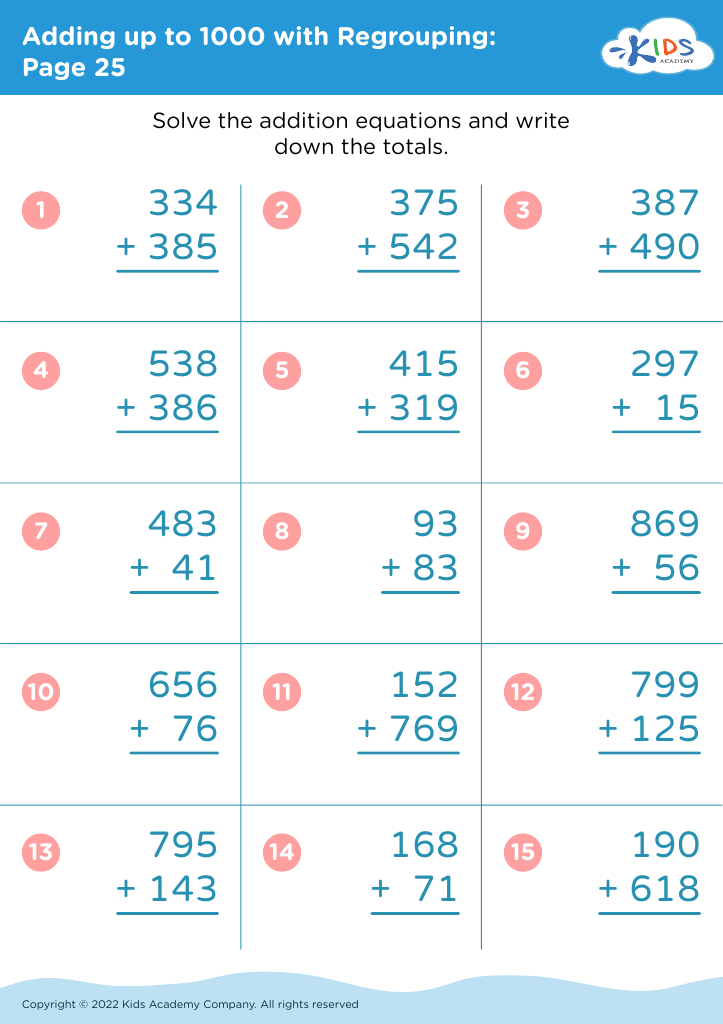








Understanding fraction comparison is crucial for children aged 3-9 as it lays the foundation for essential mathematical skills and critical thinking. Early engagement with fractions helps children develop a strong number sense, enabling them to recognize part-whole relationships. This skill is not only fundamental in mathematics but is also relevant in real-life situations, such as sharing food or understanding portions.
Parents and teachers play a pivotal role in fostering this understanding. Introducing concepts of fractions through playful activities, like using toys, food, or visual aids, makes learning engaging and relatable. Recognizing that fractions can represent similar and different quantities nurtures analytical skills. This comparative understanding is vital as it helps children with more advanced mathematical concepts in the future, such as calculations involving basic operations, ratios, and proportions.
Moreover, early exposure to fraction comparison promotes a growth mindset. Children learn that difficulties can be overcome with practice and guidance, fostering resilience in problem-solving. Ultimately, by prioritizing fraction comparison, parents and teachers equip children with a range of cognitive abilities that exceed mathematics, nurturing confident and capable learners ready to tackle more complex concepts as they grow.








