Improving drawing skills Worksheets for Ages 3-9
3 filtered results
-
From - To
Welcome to our "Improving Drawing Skills Worksheets" page, designed specifically for children ages 3 to 9. Our worksheets are a fun and engaging way to enhance your child's artistic abilities while promoting creativity and fine motor skills. With a variety of activities tailored to different skill levels, young learners can explore shapes, patterns, and imaginative drawing techniques at their own pace. These worksheets are perfect for home use or classroom activities, encouraging kids to express themselves through art. Let your child's creativity shine as they practice and improve their drawing skills in an enjoyable and supportive environment!
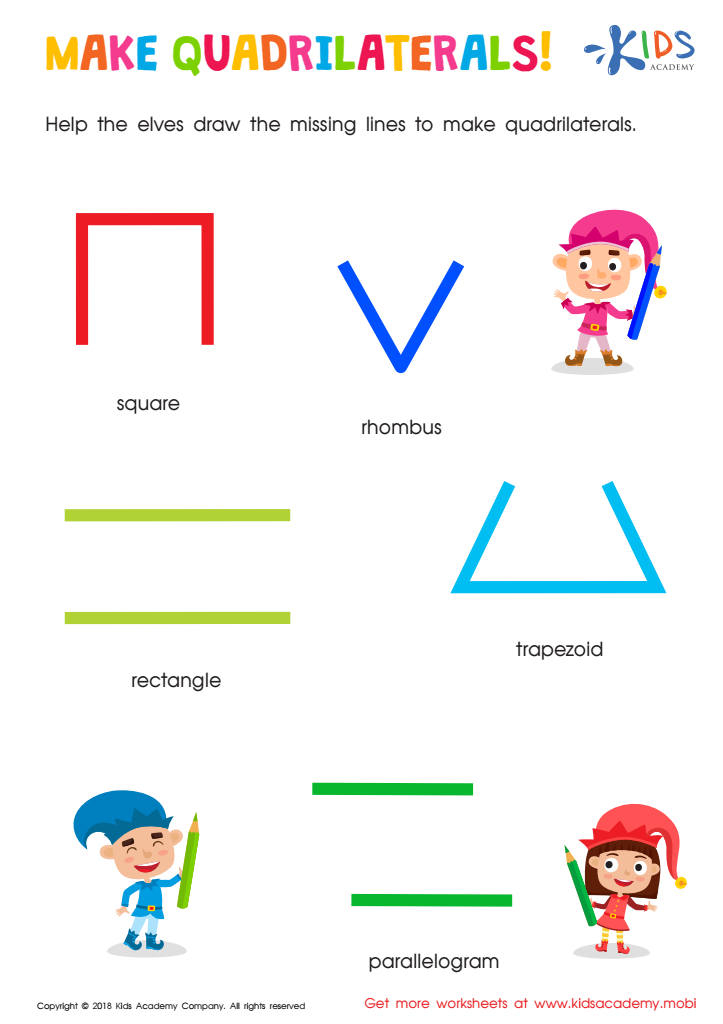
Make Quadrilaterals Worksheet
 Assign to My Students
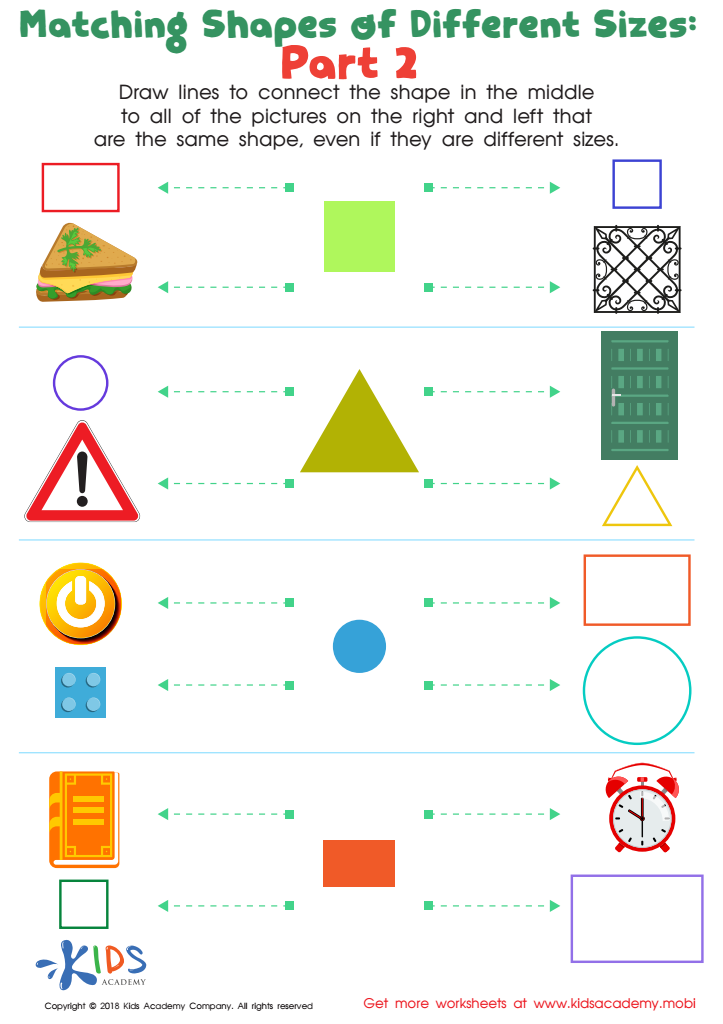
Geometry: Part 2 Worksheet




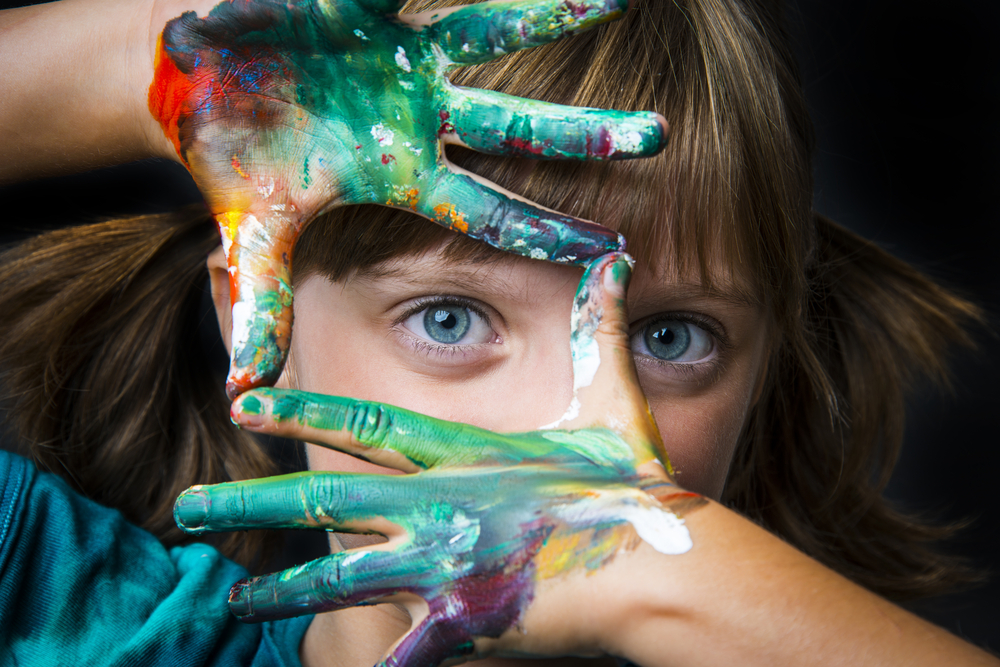


Improving drawing skills in children aged 3-9 is essential for several reasons, both developmental and educational. Firstly, drawing is a foundational element of early childhood development. It enhances fine motor skills, aiding in the development of hand-eye coordination and dexterity, which are crucial for tasks such as writing. This physical skill-building supports cognitive growth as children learn to control movements and express their creativity.
Moreover, drawing serves as a powerful form of self-expression. It allows children to communicate their thoughts, feelings, and experiences visually, particularly during a stage when verbal skills are still developing. This expressive outlet can boost their self-esteem and emotional intelligence.
From an academic perspective, drawing fosters critical thinking and problem-solving skills. As children plan and execute their drawings, they engage in decision-making, reflect on their work, and assess outcomes. Additionally, integrating drawing with other subjects, such as storytelling and science, enhances understanding and retention of information.
Lastly, encouraging drawing can strengthen parent-child and teacher-student bonds, as it opens up opportunities for interaction, discussion, and collaborative creativity. Thus, investing time in improving drawing skills is not just about the art; it’s about nurturing well-rounded, confident, and capable individuals.








