Mathematics skills Worksheets for Ages 3-9
3 filtered results
-
From - To
Discover a world of fun and engaging mathematics skills worksheets designed for children ages 3-9. Our expertly crafted printables are perfect for young learners to master essential math concepts, from counting and number recognition to advanced addition, subtraction, and problem-solving strategies. Each worksheet is tailored to age-specific skills, ensuring a solid mathematical foundation while promoting critical thinking and a love for learning. With colorful illustrations and interactive tasks, learning math becomes an exciting adventure. Help your child develop confidence and proficiency in math by exploring our extensive selection of high-quality worksheets. Start now and watch your child’s math skills flourish!
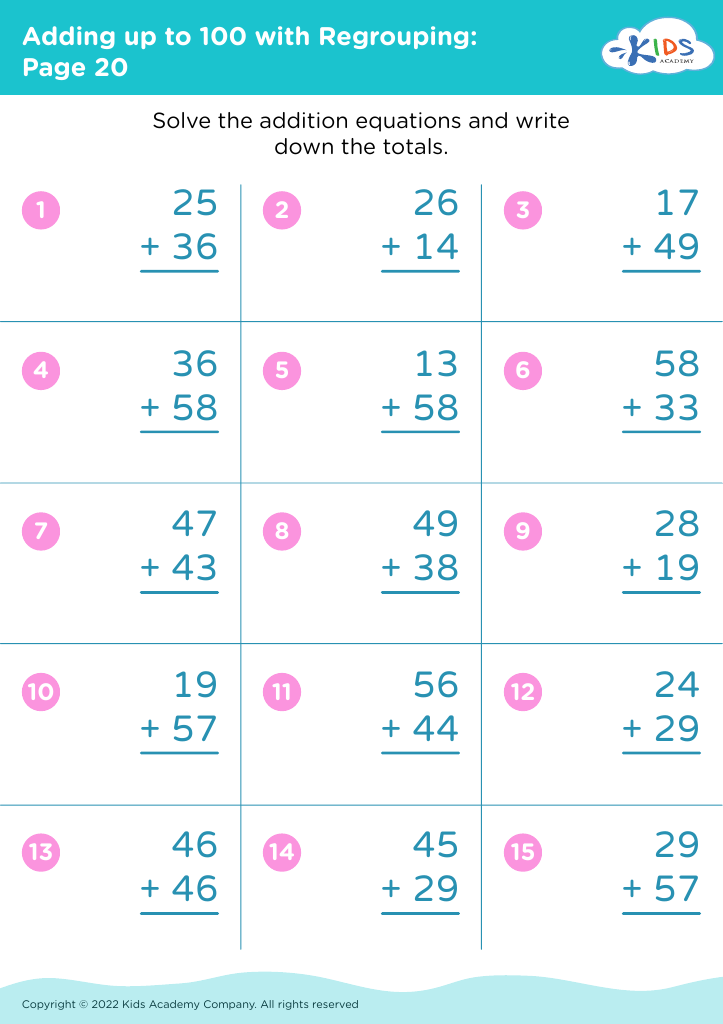
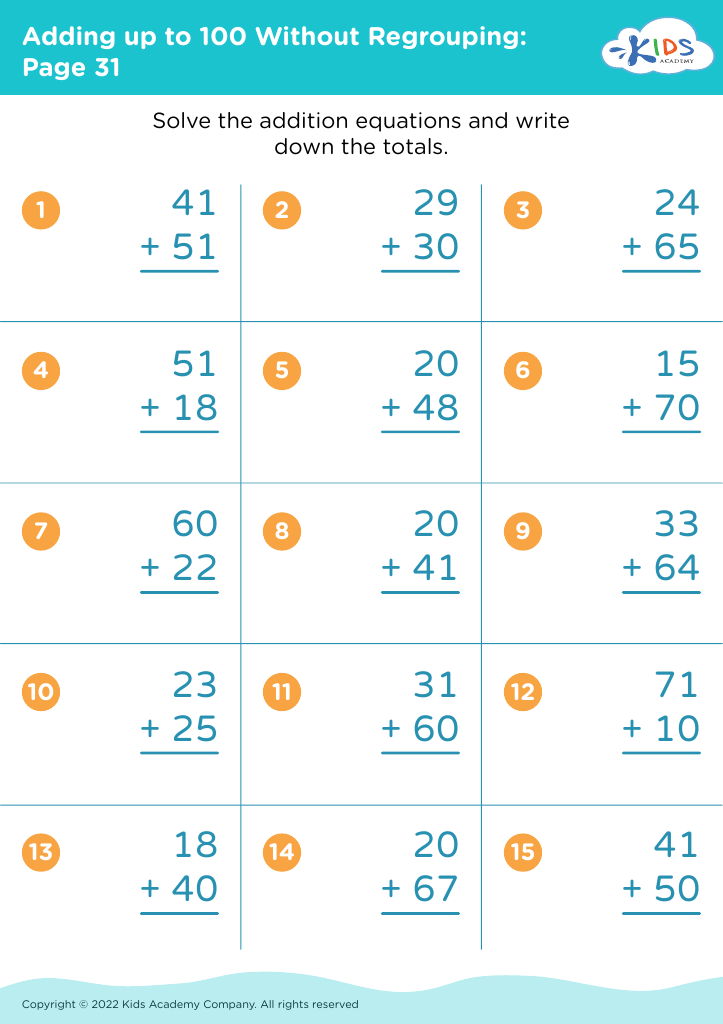
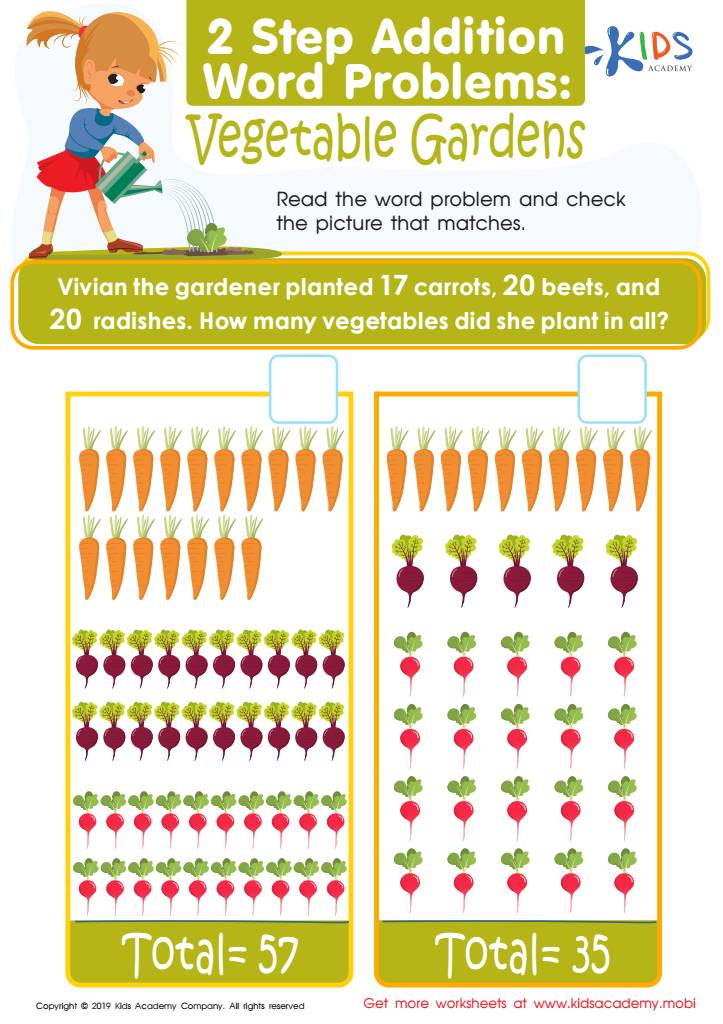
Vegetable Gardens Worksheet
 Assign to My Students








Mathematics in early childhood is fundamental for developing critical thinking and problem-solving skills. For children aged 3-9, mathematical concepts underpin their understanding of patterns, shapes, measurements, and numbers, which are crucial for everyday tasks and future academic success. During these formative years, young brains are exceptionally receptive to learning new concepts, making it an ideal time to build a strong mathematical foundation.
Early engagement with math fosters not only numerical competency but also vital cognitive abilities such as logical reasoning and spatial awareness. For instance, counting blocks, identifying shapes, and recognizing patterns improve a child's ability to process information and make connections. Early math skills are also closely linked to later literacy skills, as they both require recognizing and interpreting symbols and sequences.
Moreover, learning mathematics in a supportive environment enhances confidence, encouraging a child's curiosity and willingness to explore new concepts. Teachers and parents who actively engage children in math-related activities—such as games, puzzles, and everyday problem-solving—help make learning positive and engaging. This engagement can lead to a love of learning and perseverance.
Investing in early mathematics education sets the stage for long-term academic and professional achievements, promoting intellectual growth and social development. Therefore, educators and parents play a crucial role in nurturing these skills, ensuring that young learners develop a robust toolkit for their future.








