Nature appreciation Worksheets for Ages 3-9
6 filtered results
-
From - To
Discover our engaging "Nature Appreciation Worksheets for Ages 3-9," designed to inspire young minds around the beauty of the natural world. These thoughtfully crafted worksheets encourage children to explore, observe, and connect with nature through fun activities that promote curiosity and environmental awareness. From identifying plants and animals to understanding ecosystems, each worksheet is tailored to enhance creativity and critical thinking skills. With vibrant illustrations and age-appropriate challenges, your little learners will develop a lifelong love for nature while honing their cognitive and motor skills. Dive into our collection and nurture your child's appreciation of the wonders of the great outdoors!
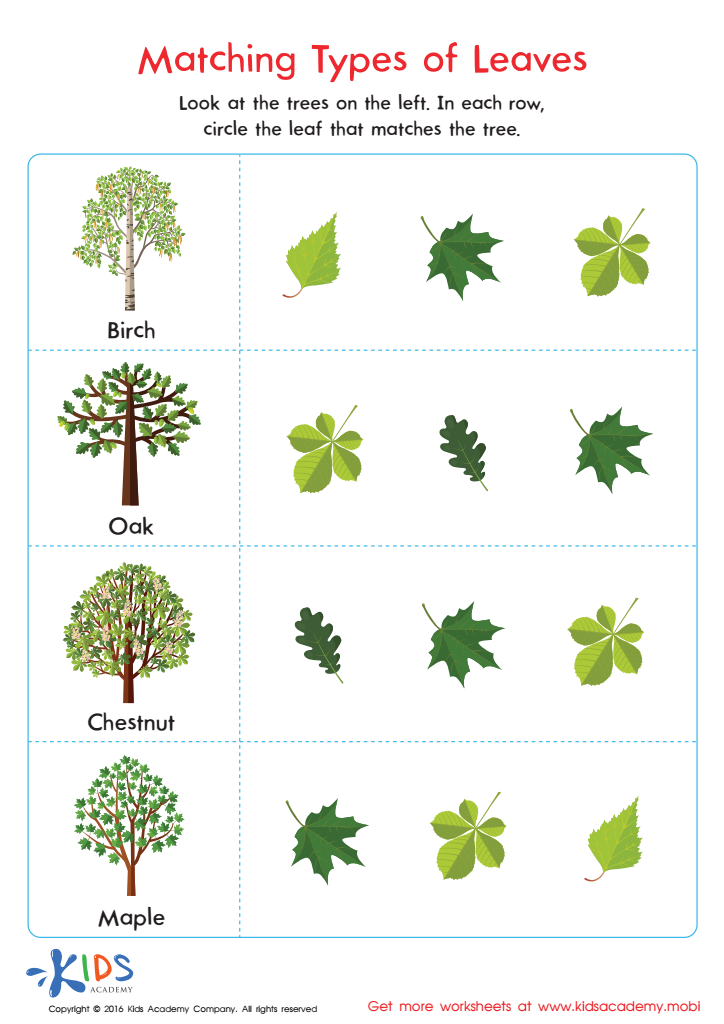
Matching Types of Leaves Printable
 Assign to My Students
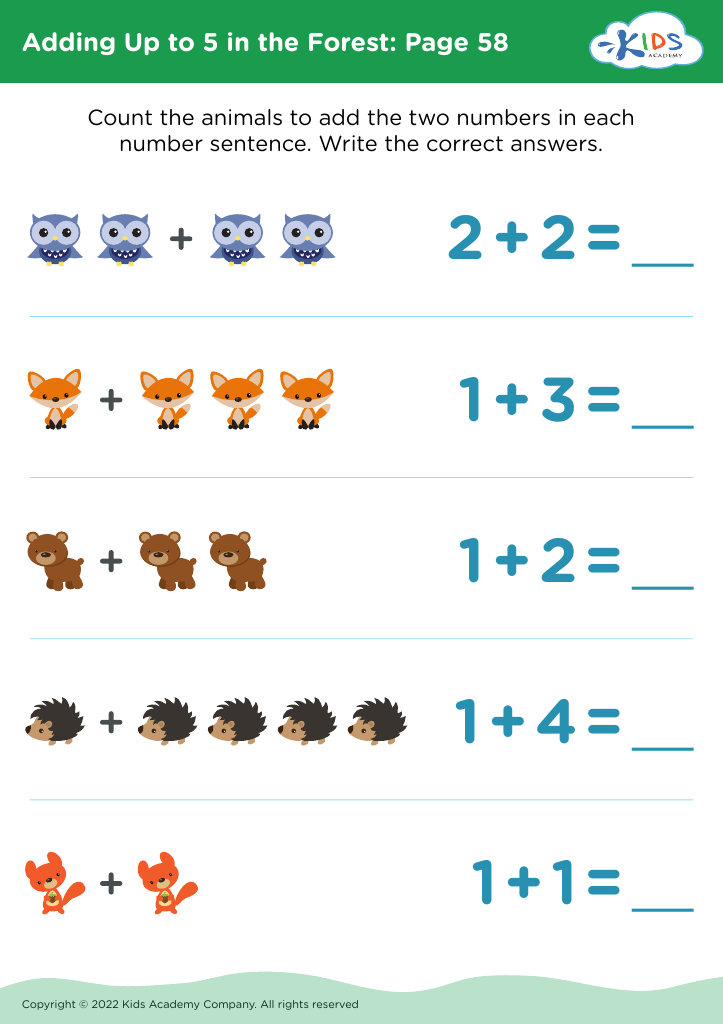
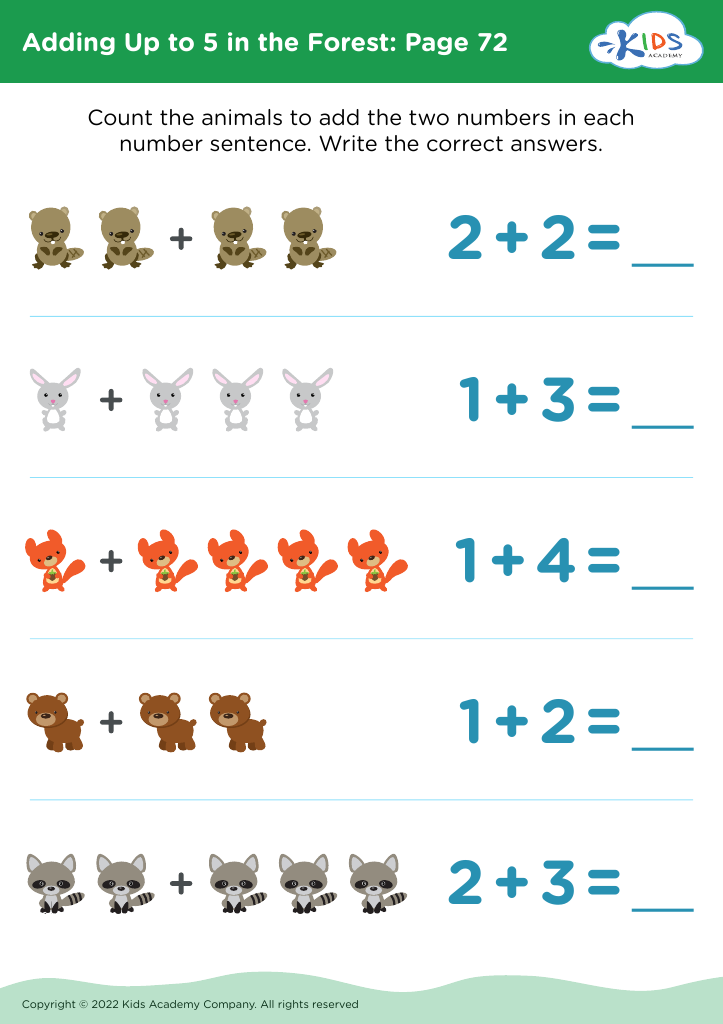
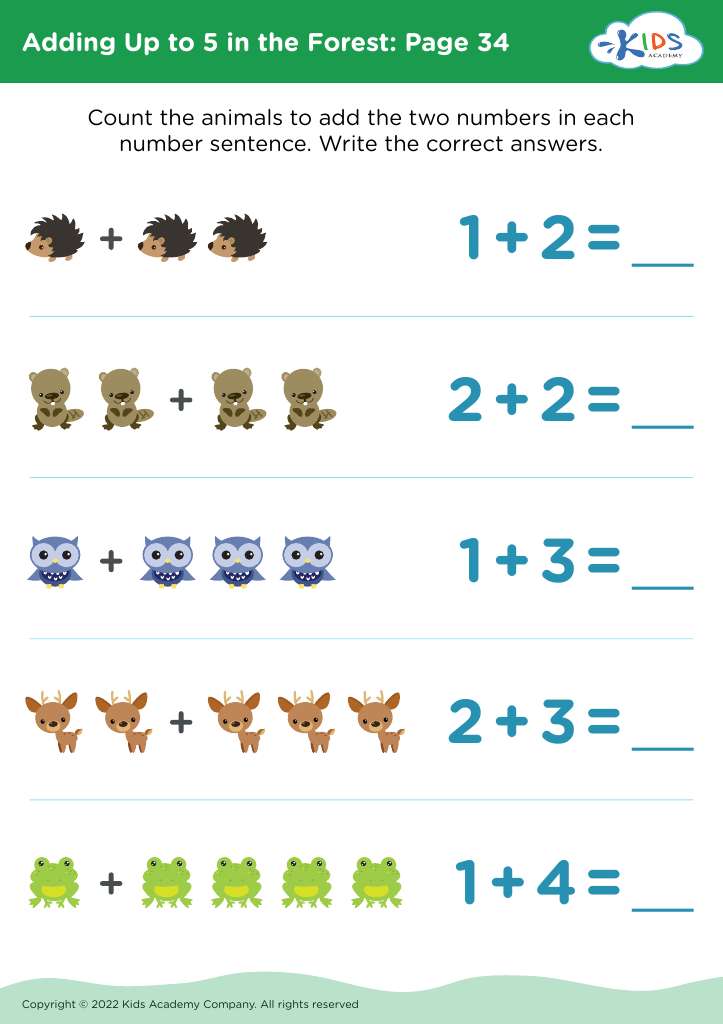
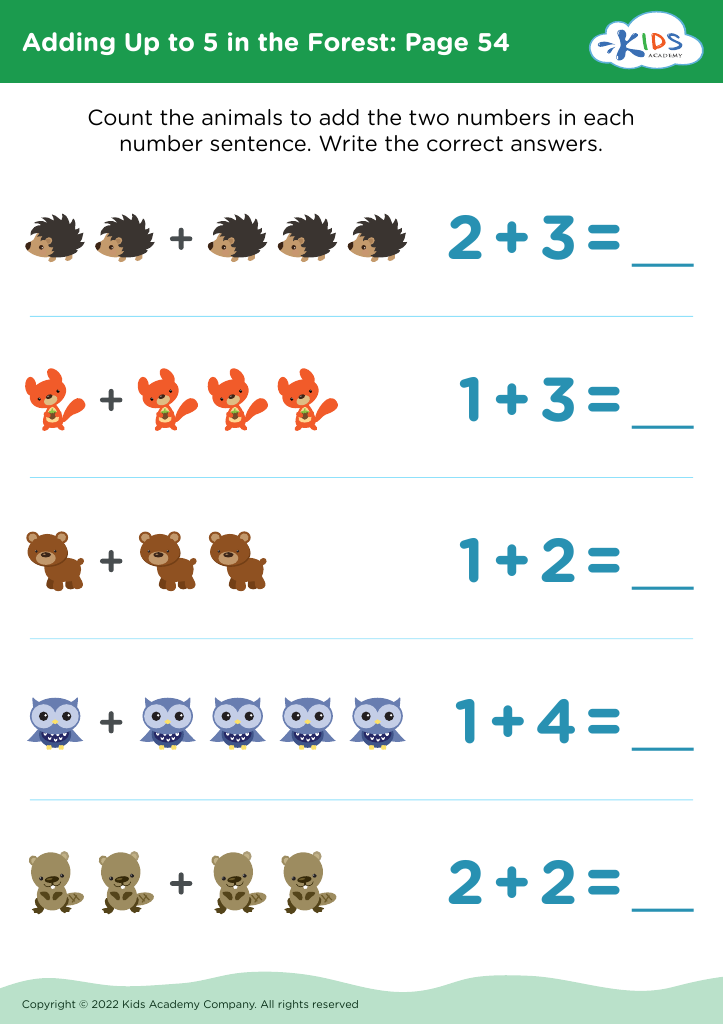
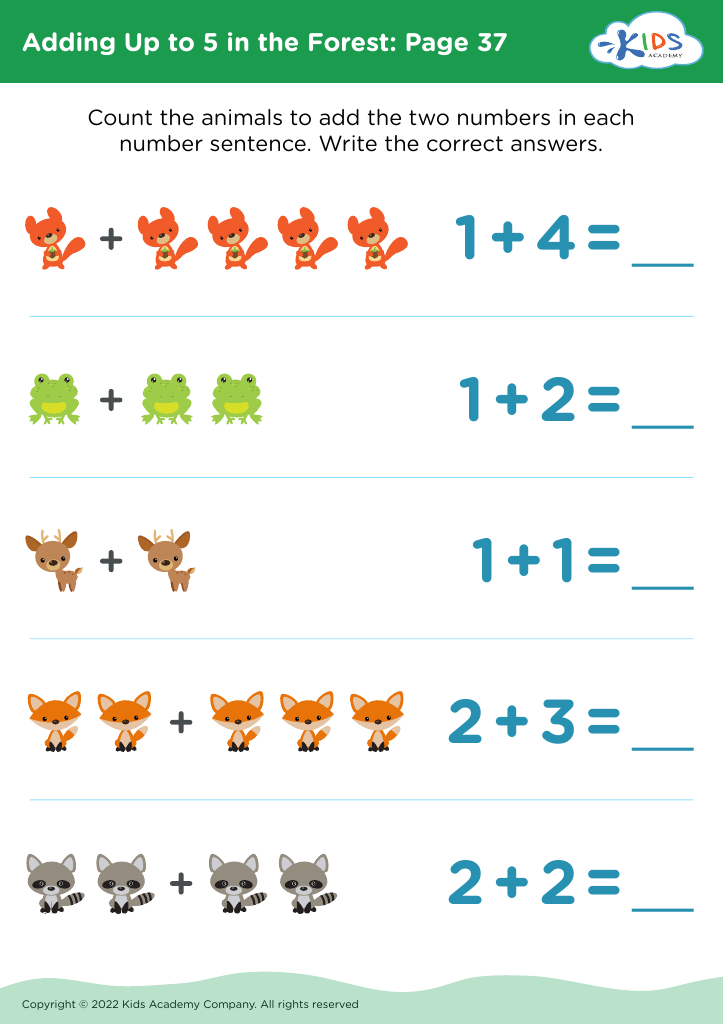








Nature appreciation is vital for children aged 3-9 as it lays the foundation for lifelong environmental stewardship and personal well-being. At this exploratory stage, kids are naturally curious about the world around them. Engaging with nature cultivates their observational skills, critical thinking, and emotional intelligence. When children explore outdoor environments, they develop a sense of wonder and learn to appreciate the beauty of ecosystems, which fosters a connection to the earth.
Furthermore, time spent in nature has been shown to promote physical health by encouraging active play and reducing the risk of obesity. It also enhances mental health, reducing anxiety and improving mood through exposure to natural environments. Children who appreciate nature are more likely to develop sustainable habits and a sense of responsibility toward environmental conservation.
Additionally, nature-immersive activities support key educational concepts, such as science and math, through hands-on learning experiences. Whether it’s observing insects, recognizing plant species, or understanding the weather, nature offers endless learning opportunities that spark curiosity and creativity.
By nurturing a sense of nature appreciation, parents and teachers empower children to grow as informed, conscientious individuals, prepared to take on the challenges of a rapidly changing world.








