Practice counting Worksheets for Ages 3-9
6 filtered results
-
From - To
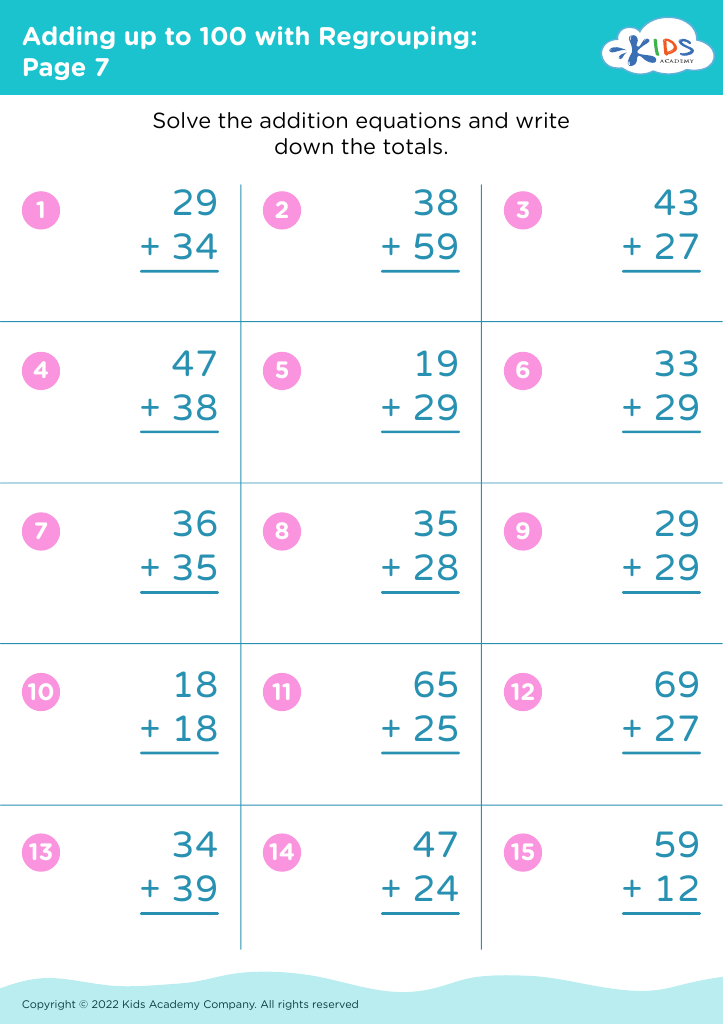
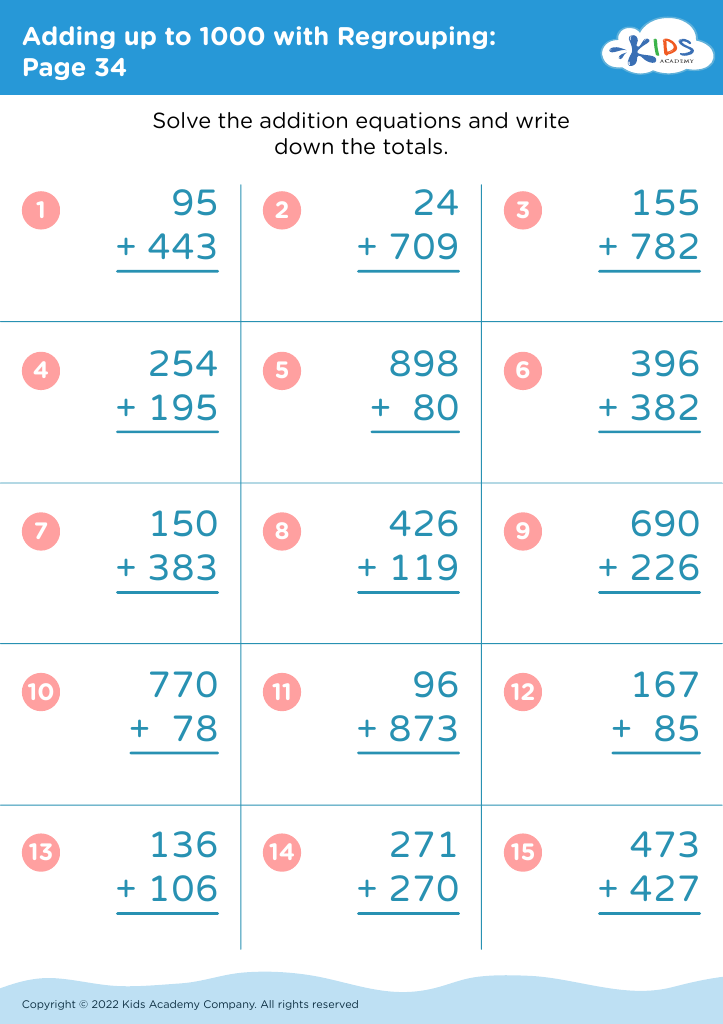
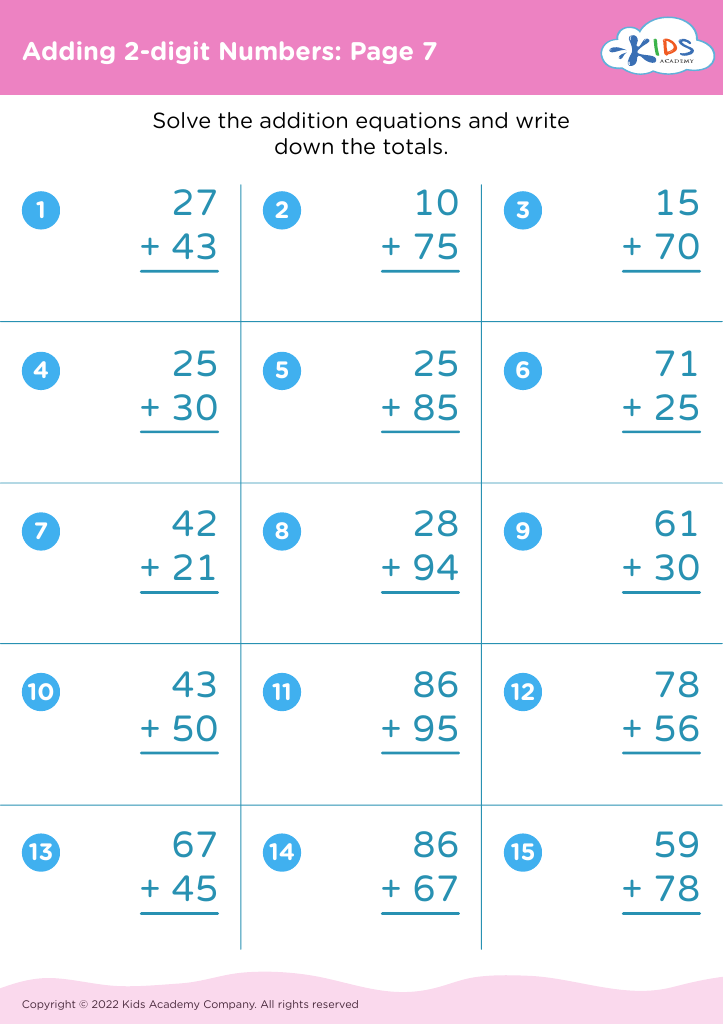
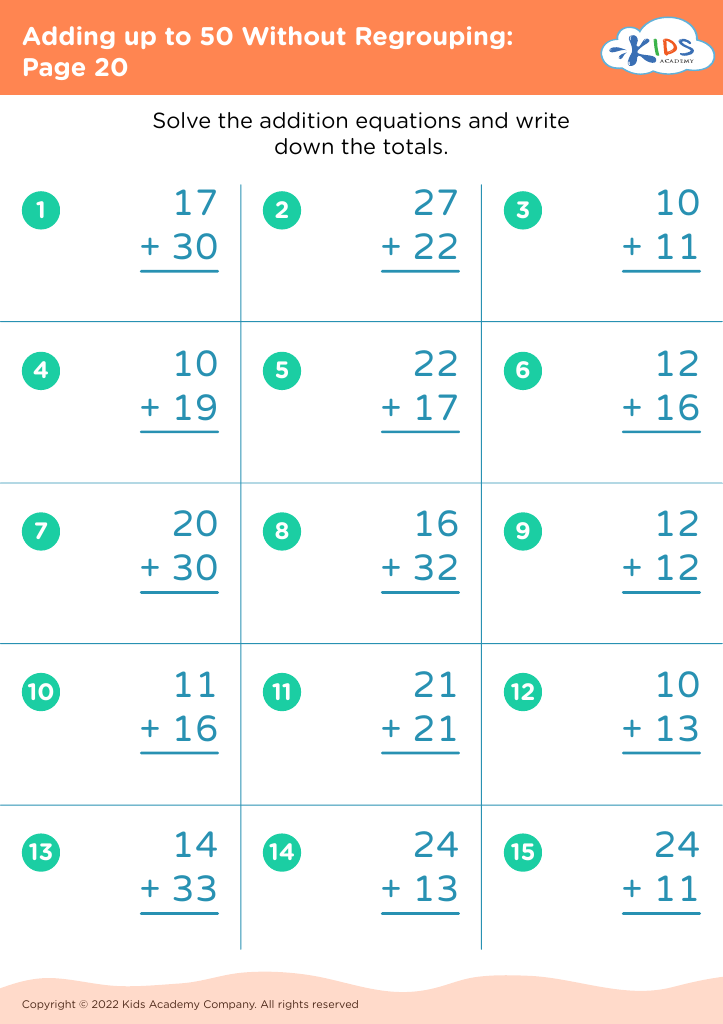
Our Practice Counting Worksheets for ages 3-9 offer an engaging way for children to develop essential numeracy skills! Designed to make learning fun, these worksheets feature vibrant illustrations and diverse exercises that cater to various levels, from counting basic numbers to understanding larger values. Kids will explore counting objects, matching numbers, and solving simple addition problems while building confidence in their mathematical abilities. Perfect for homeschool students or extra practice at school, our worksheets align with developmental milestones and nurture a love for learning. Download today to inspire young learners on their counting journey!
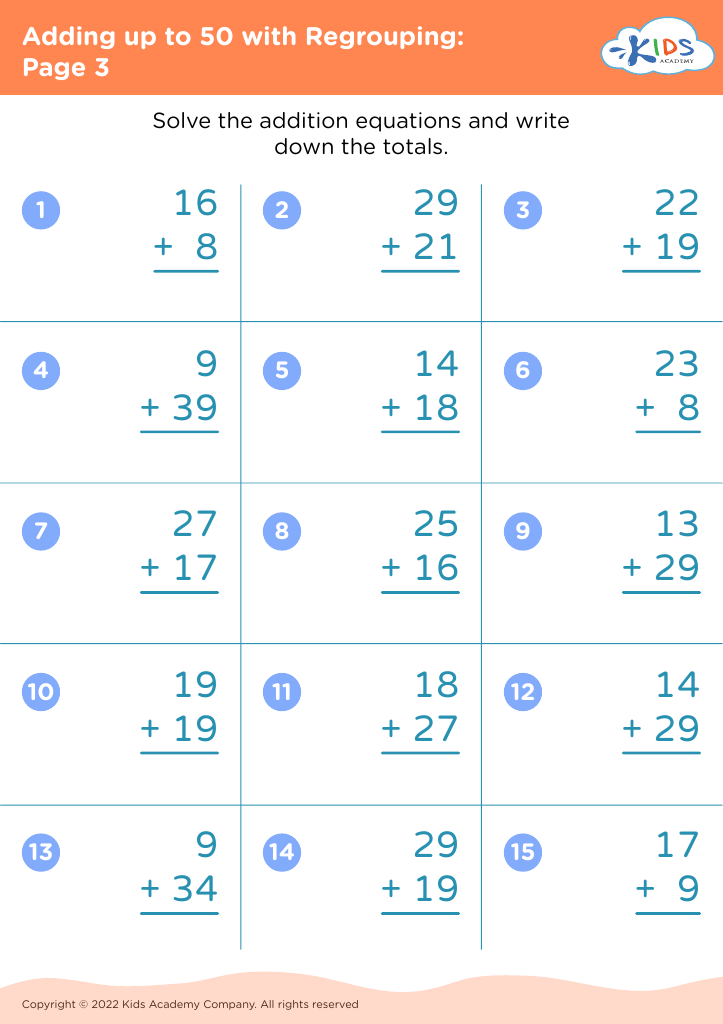
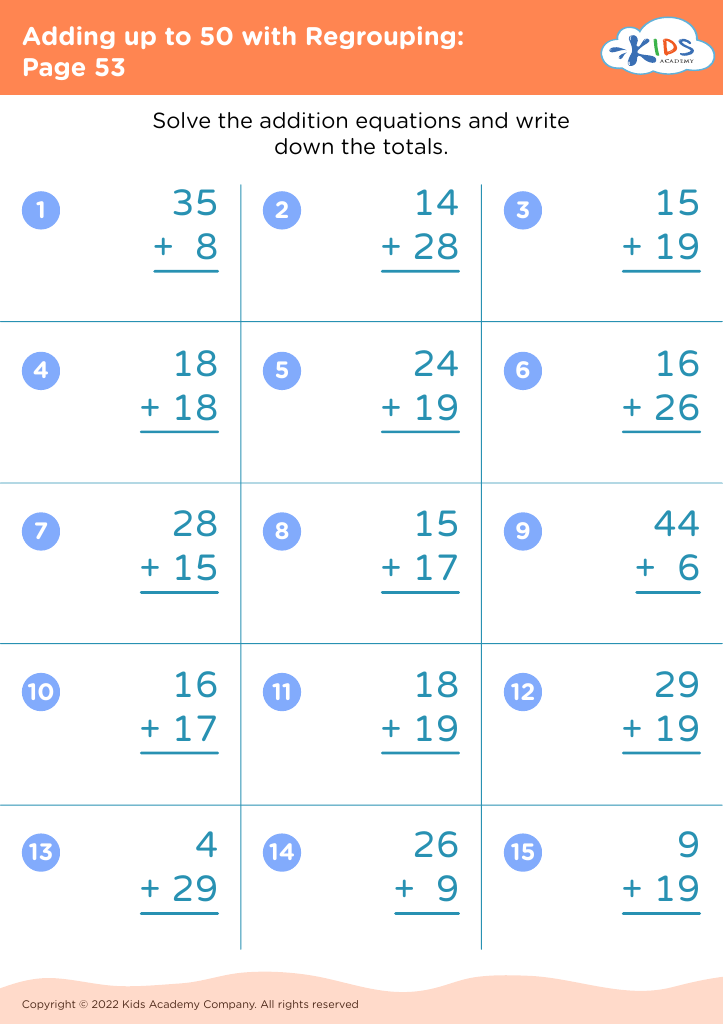








Counting is a foundational skill that sets the stage for a child's mathematical understanding and overall cognitive development. For children aged 3-9, practice counting is critical for several reasons.
Firstly, counting nurtures early numeracy skills. Recognizing numbers and understanding quantity helps children grasp more complex math concepts later on, such as addition and subtraction. By practicing counting, children develop a solid numerical sense that is crucial for their academic journey.
Secondly, counting enhances critical thinking. It encourages children to observe, compare, and categorize objects, helping them build strong problem-solving skills. This cognitive exercise fosters curiosity and analytical thinking, which are valuable in everyday situations.
Moreover, counting can be integrated into play, making learning enjoyable. Activities like counting toys, snacks, or naturals objects engage children while reinforcing skills. This playful approach encourages a positive attitude toward mathematics, reducing anxiety associated with the subject.
Finally, consistent counting practice allows parents and teachers to identify any learning gaps early. A supportive educational environment can foster a love for numbers, encouraging a lifelong appreciation for mathematics. In summary, caring about counting practice at this age equips children with essential skills for future academic success and everyday life.








