Understand patterns Worksheets for Ages 3-9
7 filtered results
-
From - To
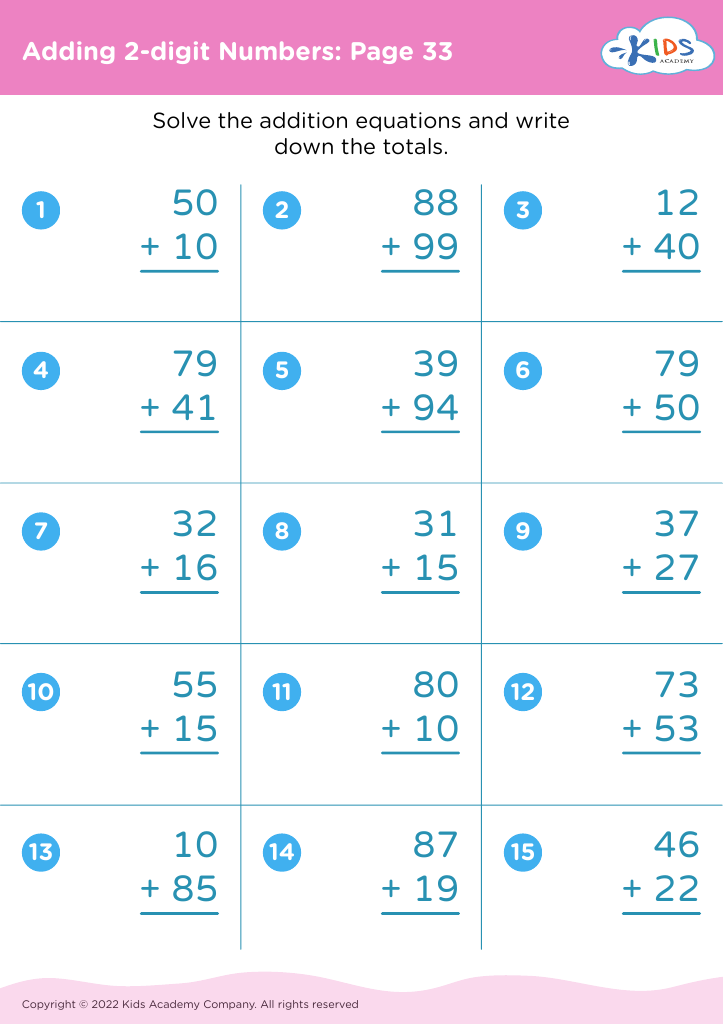
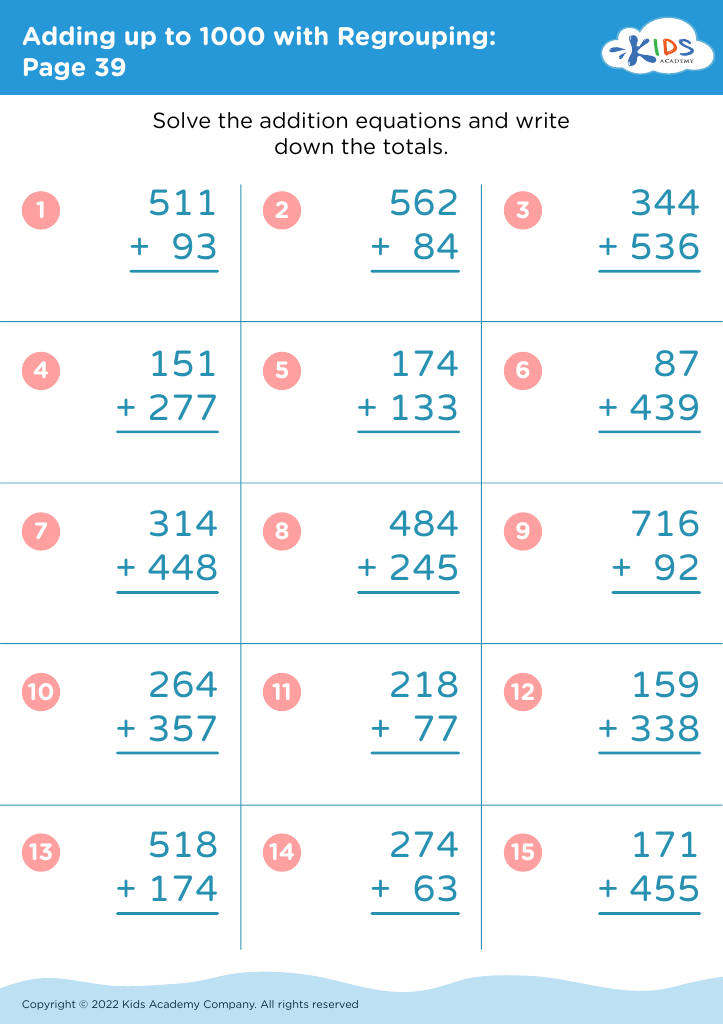
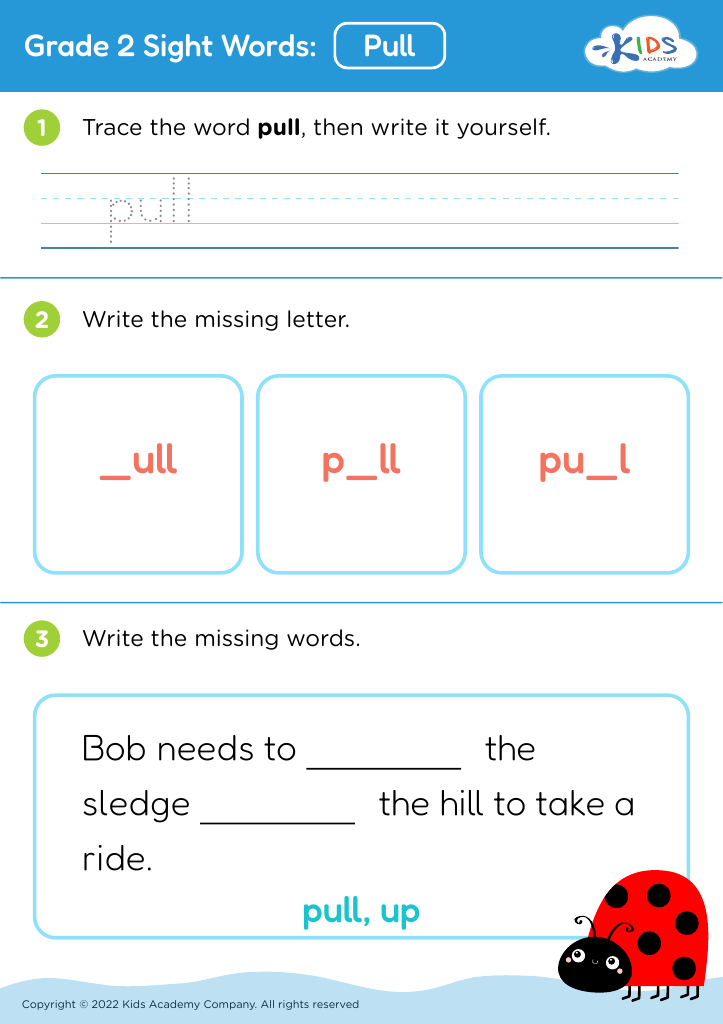
Foster essential cognitive skills in young learners with our "Understand Patterns Worksheets for Ages 3-9." Designed to cater to various learning needs, these engaging printables help children recognize, predict, and create patterns through fun and interactive activities. From sorting shapes and colors to identifying sequences, our worksheets are crafted by educational experts to enhance critical thinking, spatial awareness, and problem-solving abilities. Ideal for both classroom settings and home learning, these resources ensure foundational skills in pattern recognition, paving the way for future mathematical success. Download now to encourage curiosity and boost developmental milestones in your child's educational journey.
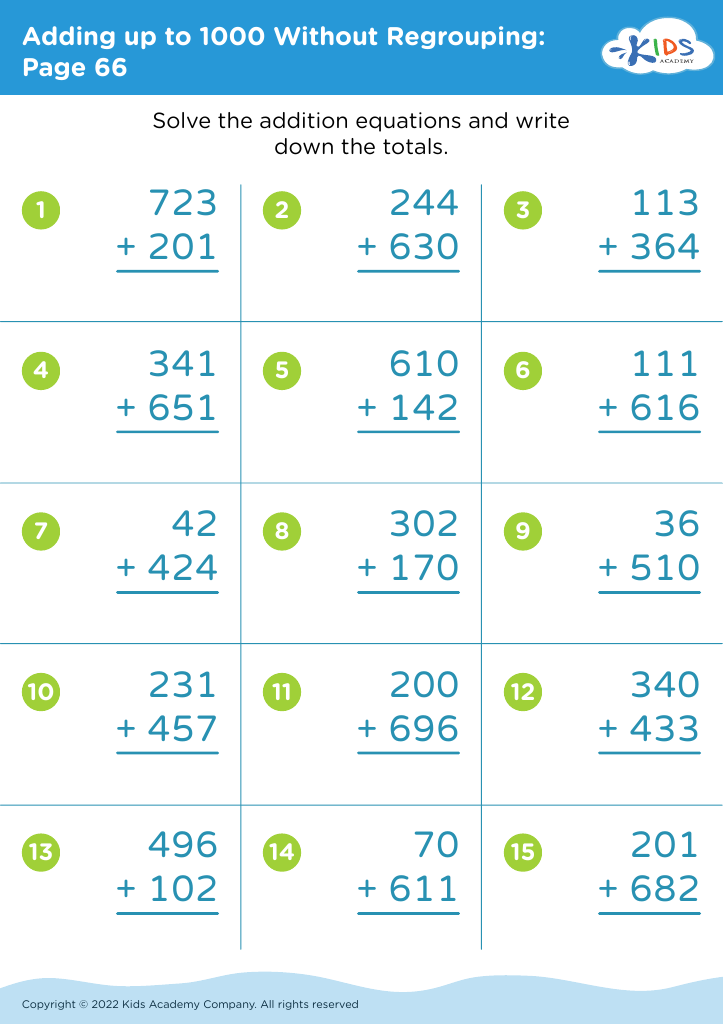
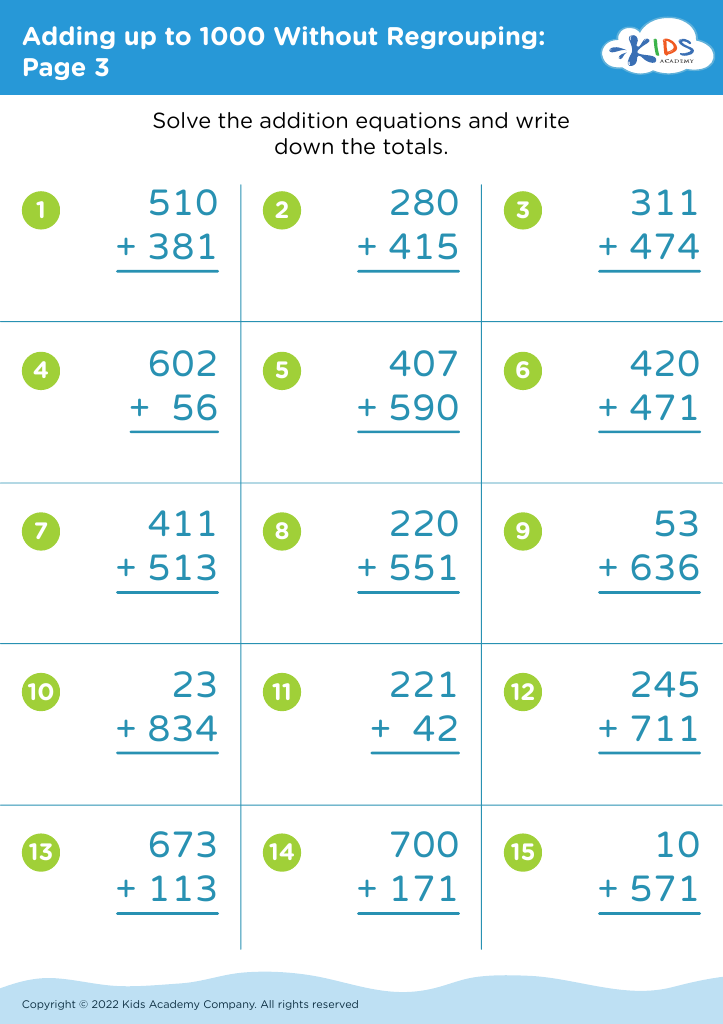
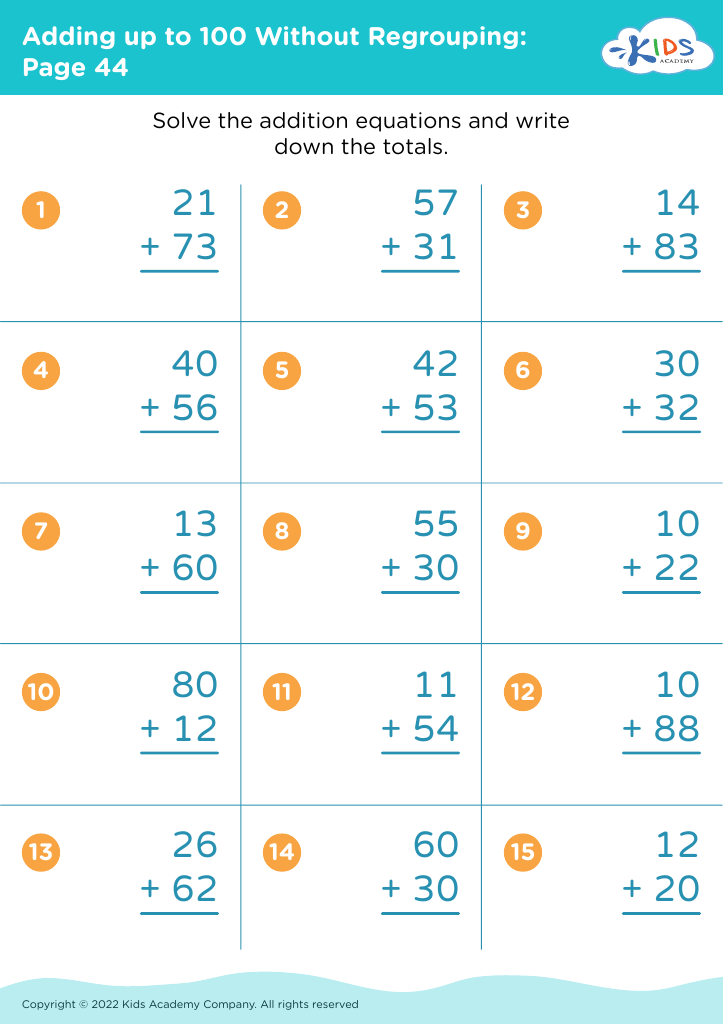
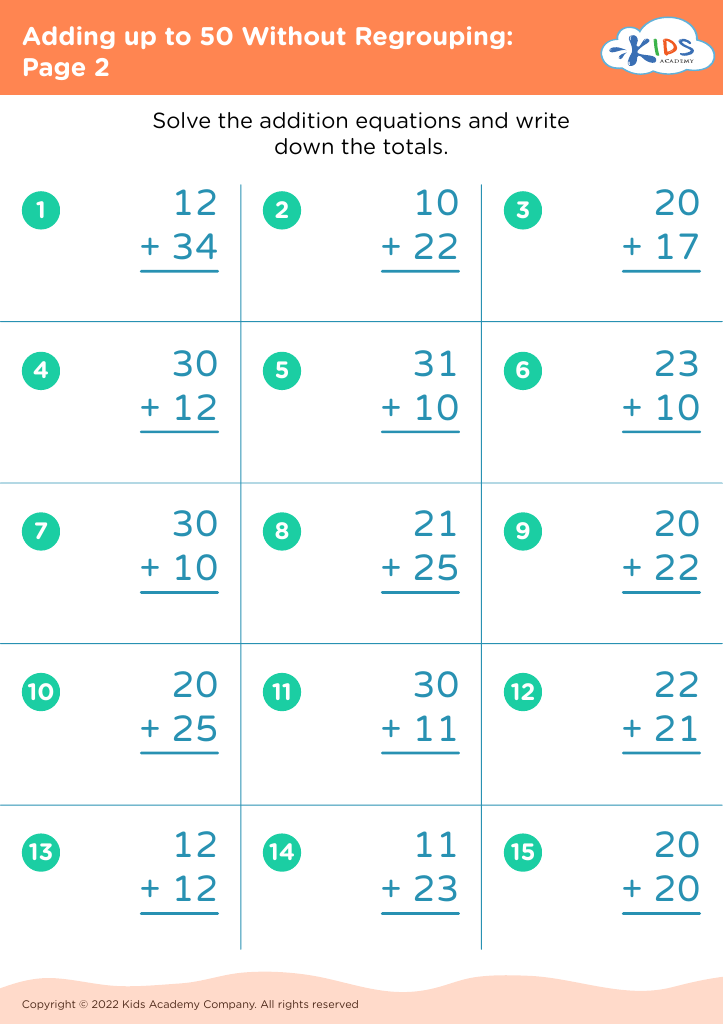








Understanding patterns is a fundamental skill for children aged 3-9 because it plays a crucial role in cognitive development and sets the foundation for future learning. Patterns are basic recurrent sequences, and recognizing them helps children develop essential mathematical and reasoning skills. For example, identifying and predicting sequences in numbers, shapes, and colors hones analytical thinking and problem-solving abilities. These skills are not limited to math; they also enhance reading comprehension, as understanding patterns in language aids in decoding and literacy.
Additionally, grasping the concept of patterns contributes to a child's ability to organize and categorize information, making it easier for them to process complex ideas in a variety of subjects. Patterns also foster a sense of order and predictability, which can be reassuring for young learners navigating new experiences.
Parents and teachers can support pattern recognition through simple activities like sorting objects, clapping rhythms, or creating repeating designs with colored blocks. These exercises not only make learning interactive and fun but also encourage curiosity and engagement. Investing time in teaching children to understand patterns prepares them for academic challenges ahead and instills confidence in their ability to tackle new concepts. Therefore, focusing on pattern recognition during these formative years is invaluable for both cognitive and emotional development.








