Understanding directions Worksheets for Ages 3-9
14 filtered results
-
From - To
Discover our engaging "Understanding Directions Worksheets" designed for children ages 3-9! Perfect for fostering essential listening and comprehension skills, these worksheets help young learners follow instructions, identify placement, and develop spatial awareness. With a variety of fun activities, including visual cues and interactive challenges, children will enjoy honing their ability to understand and respond to directions effectively. Our resources are aligned with early educational standards, making learning both enjoyable and rewarding. Enhance your child's cognitive development while providing them with the tools to succeed in their academic journey. Start exploring today and watch their skills flourish!
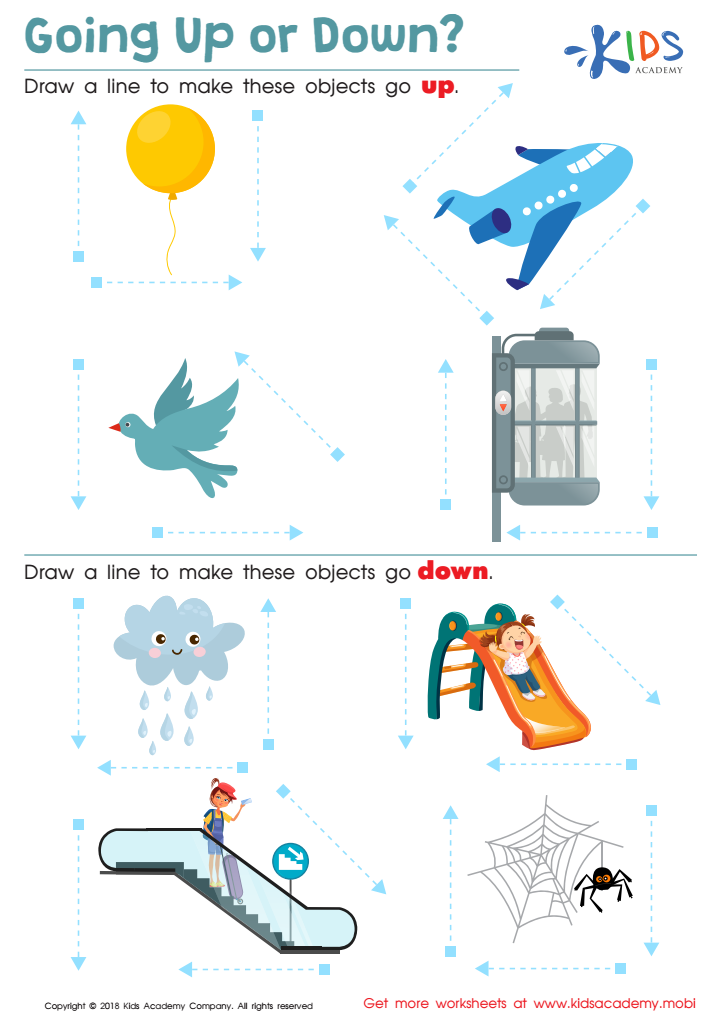
Going up or Down? Worksheet
 Assign to My Students
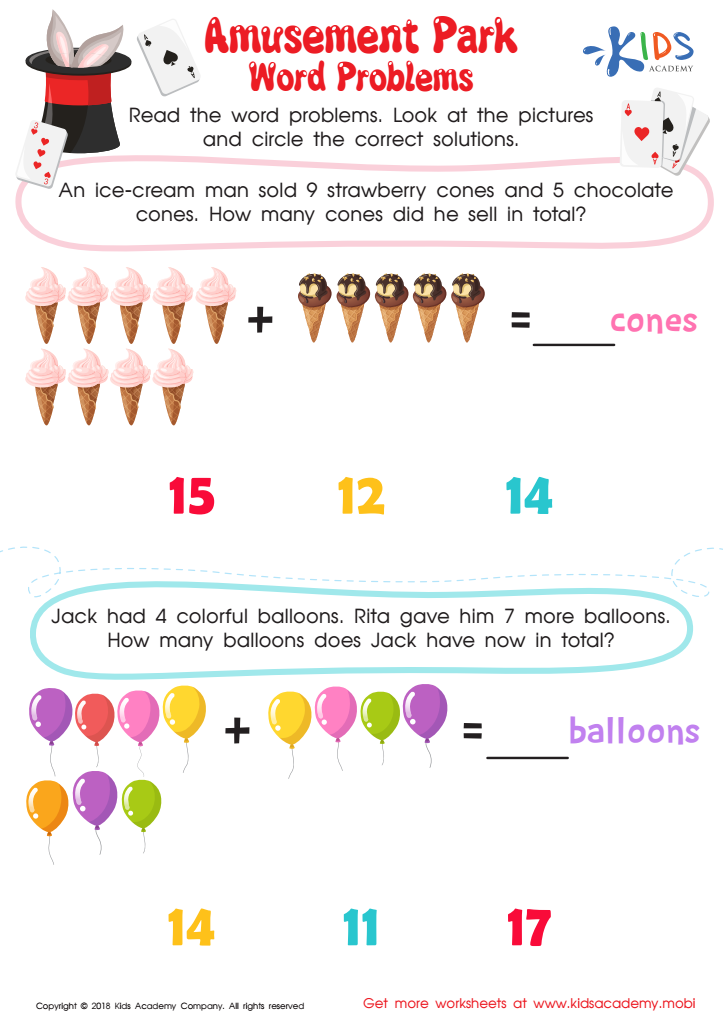
Amusement Park Word Problems Worksheet
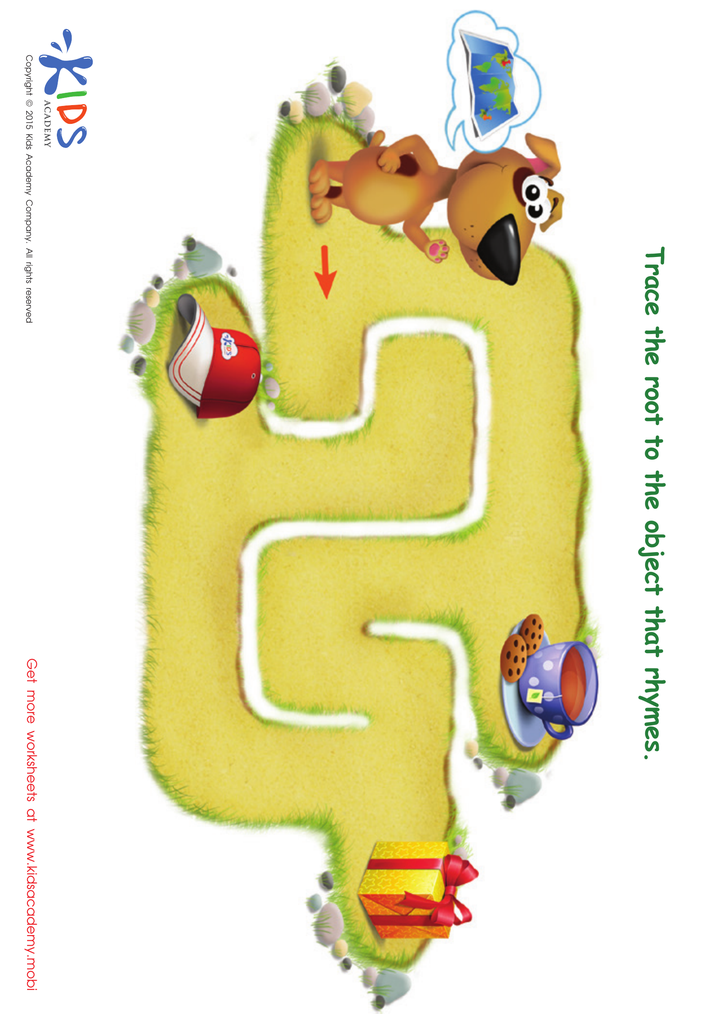
Map Rhyming Words Worksheet
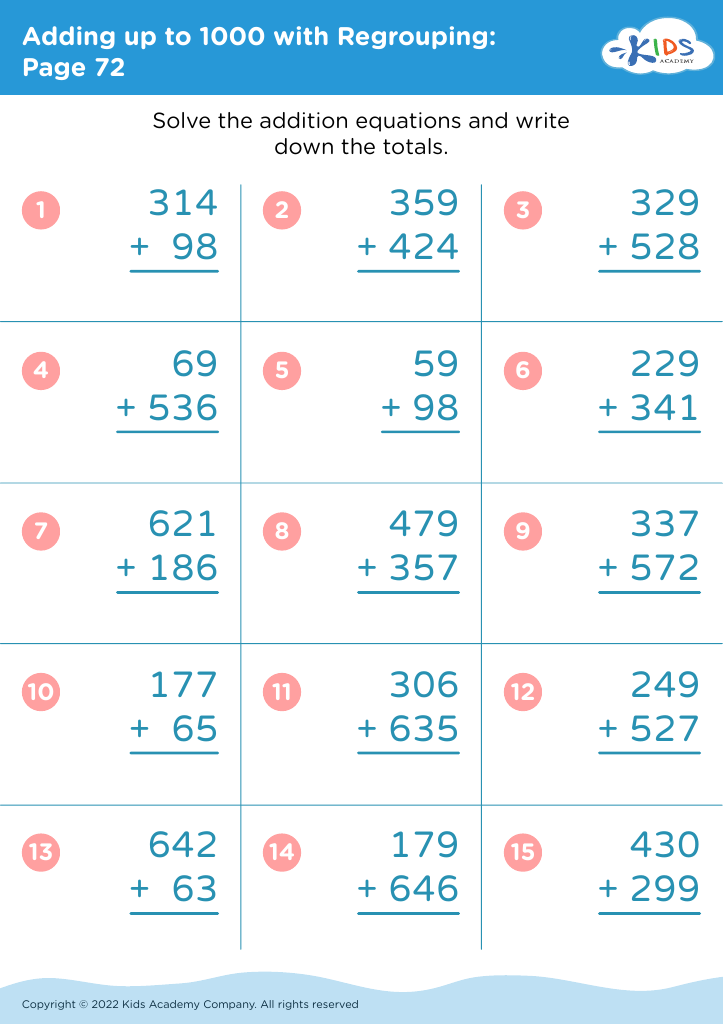
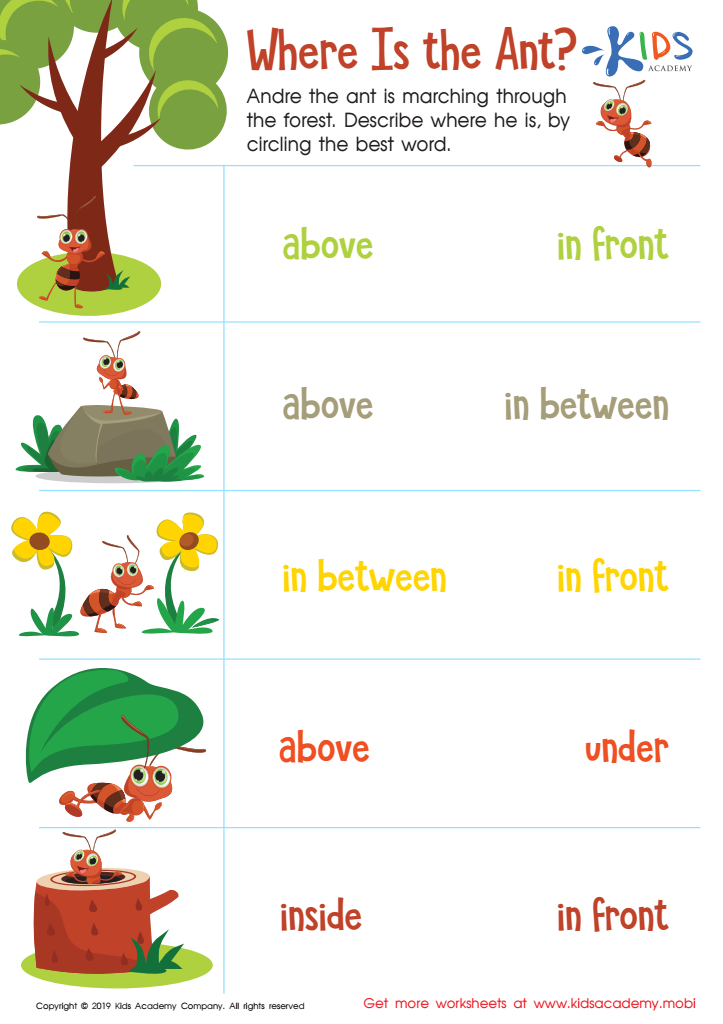
Where Is the Ant? Worksheet
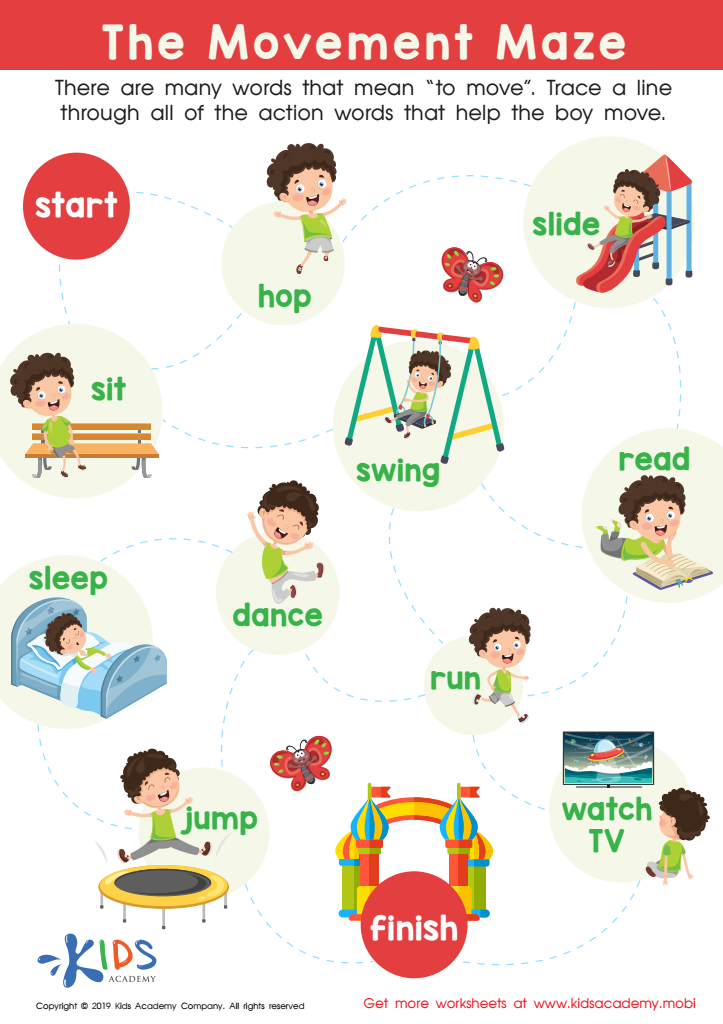
The Movement Maze Worksheet
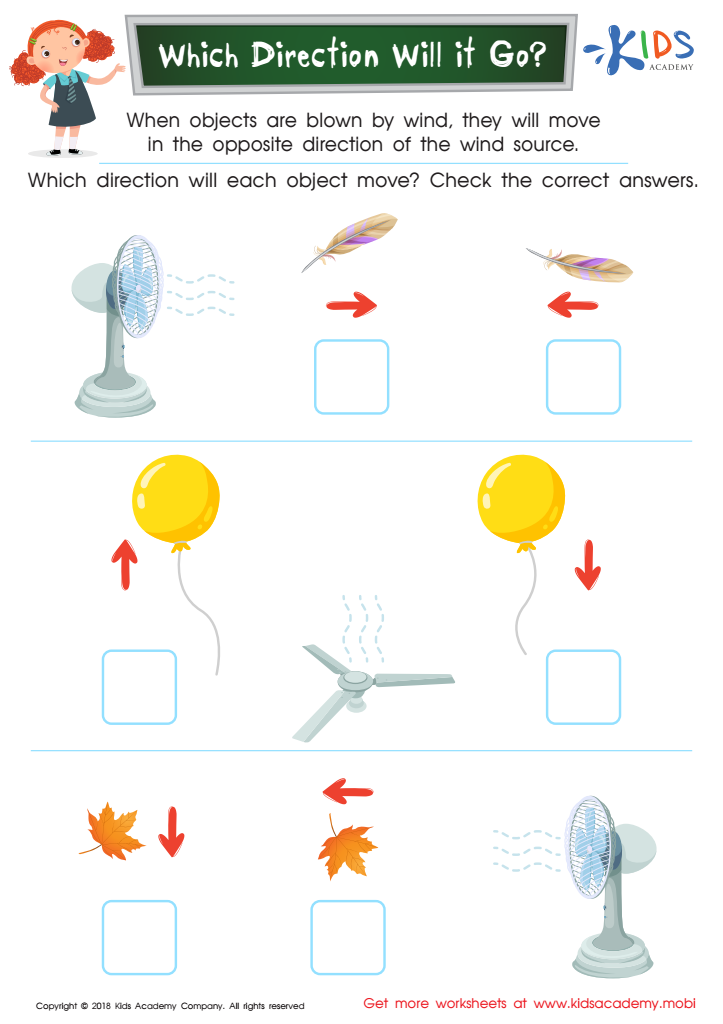
Which Direction Will it Go? Worksheet
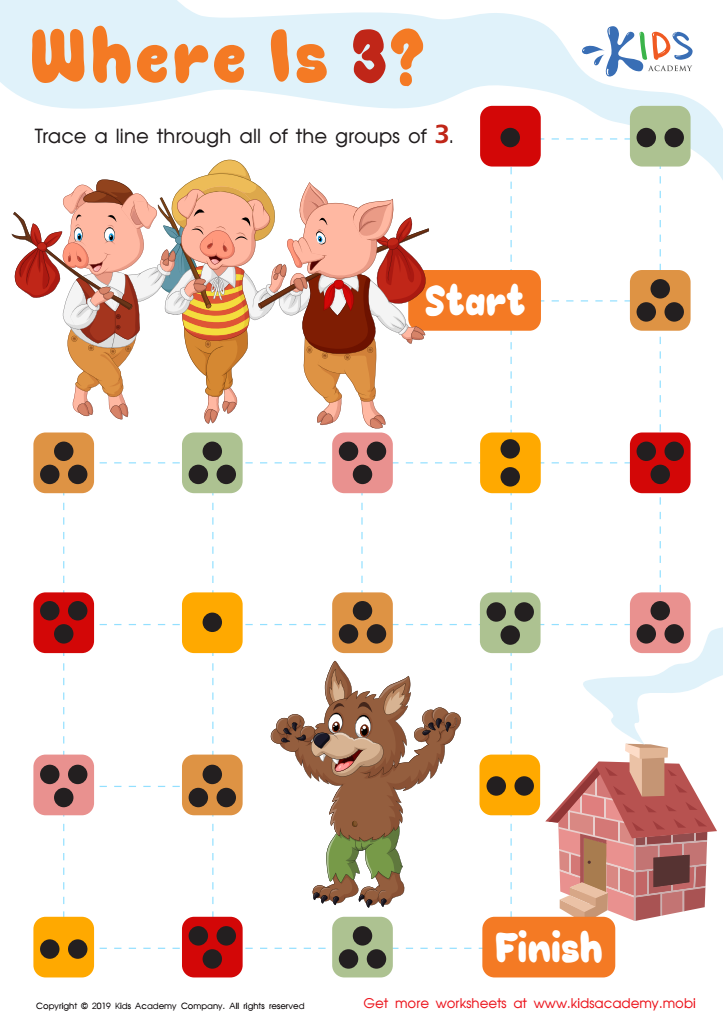
Where Is 3? Worksheet
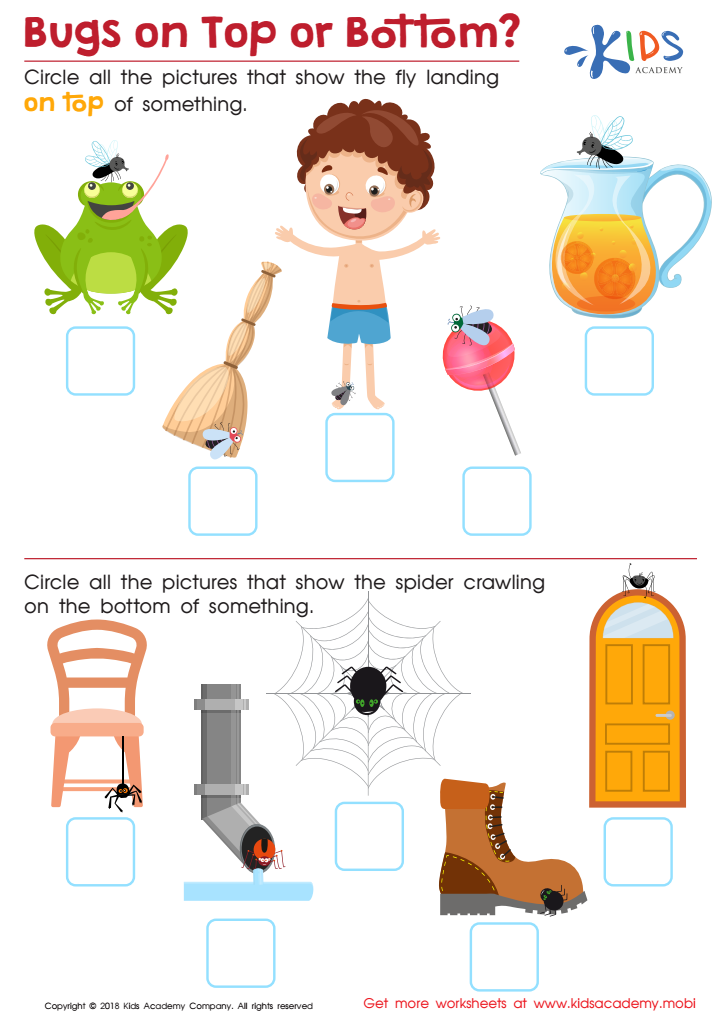
Bugs on Top or Bottom? Worksheet
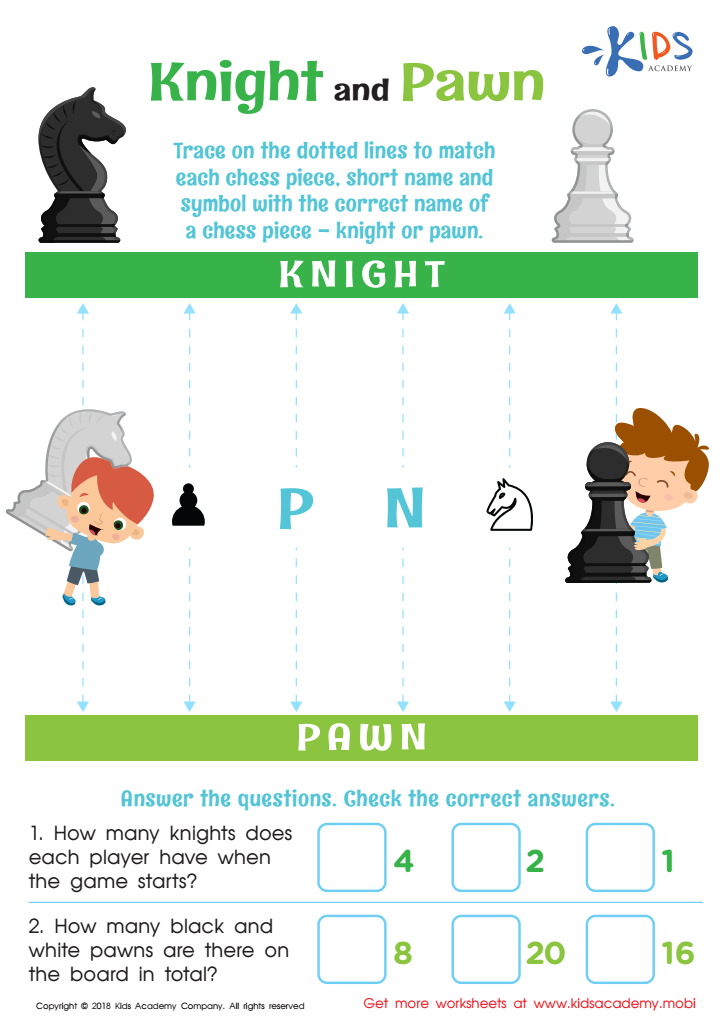
Knight and Pawn Worksheet
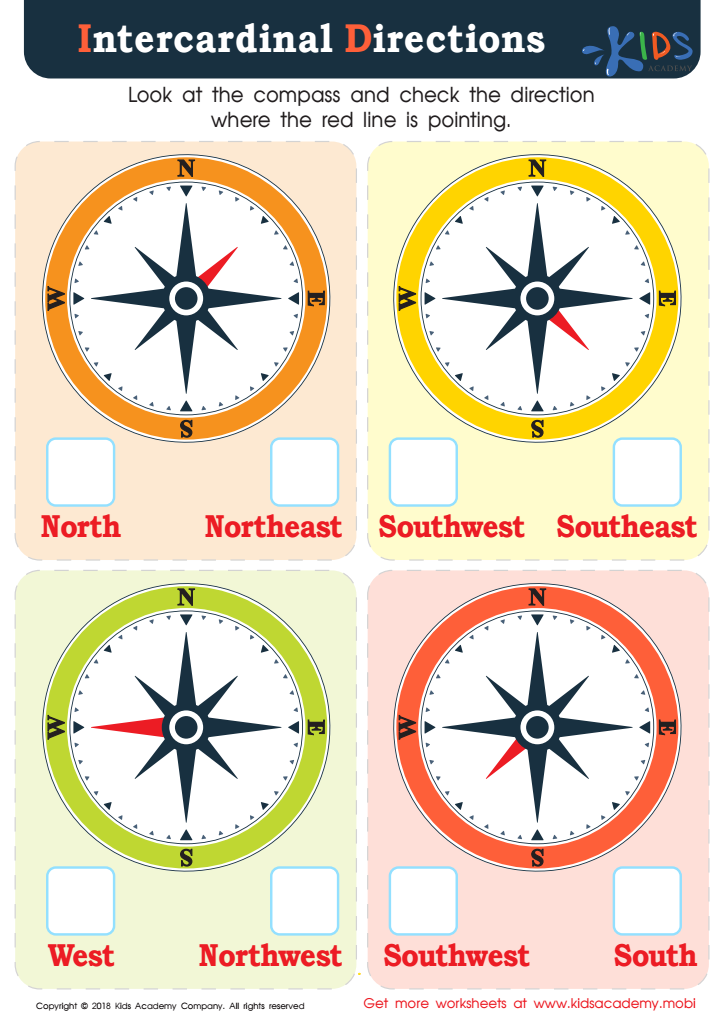
Intercardinal Directions Worksheet
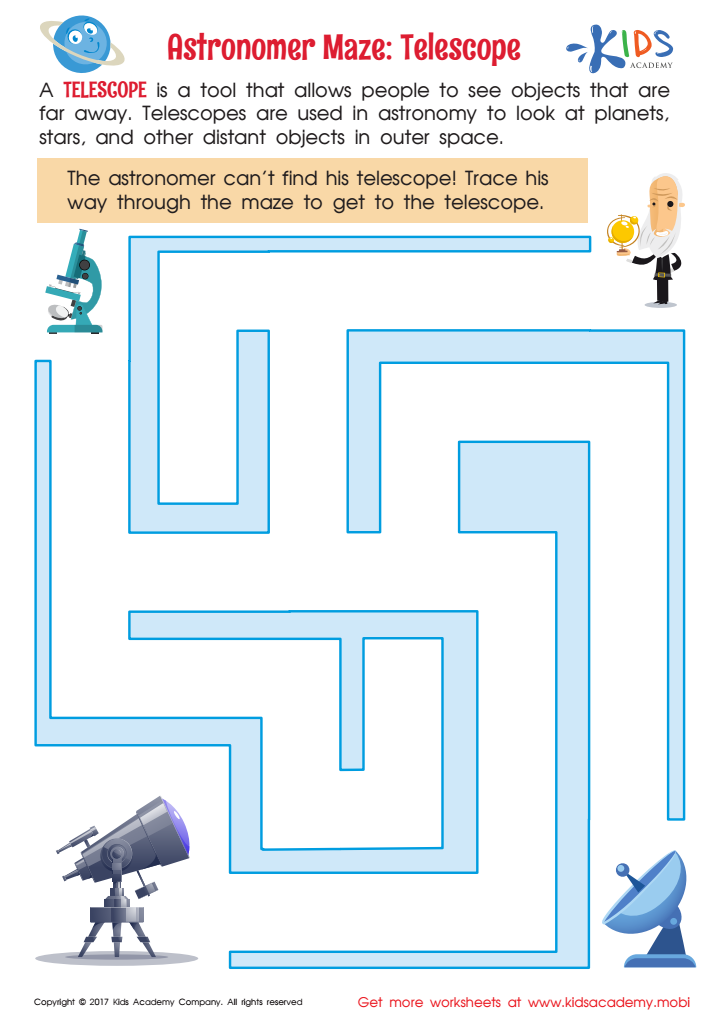
Astronomer Maze: Telescope Worksheet


.jpg)





Understanding directions is crucial for children ages 3-9 as it lays the foundation for their cognitive development, safety, and social skills. At this age, children are becoming increasingly independent and learning to navigate various environments, whether at home, in school, or in public spaces. When parents and teachers emphasize the importance of comprehending directions, children develop essential problem-solving skills that aid them in daily activities and help them learn how to follow instructions.
Moreover, understanding directions enhances children’s communication skills and their ability to interact effectively with others. In the classroom, children who grasp directions can engage in group activities, participate in structured learning, and follow guidelines that promote a positive learning atmosphere. This understanding also fosters self-confidence as children learn to complete tasks independently.
Additionally, recognizing and following directions is pivotal for safety reasons. As children explore their surroundings, being able to understand verbal or written instructions can keep them out of harm's way, such as crossing the street safely or waiting for their turn in various situations.
Ultimately, by supporting children's abilities to understand directions, parents and teachers contribute to their overall development and prepare them for more complex social dynamics and learning experiences ahead.








