Understanding measurement Worksheets for Ages 3-9
3 filtered results
-
From - To
Unlock the world of measurement for children ages 3-9 with our engaging and educational Understanding Measurement Worksheets. Designed to build essential learning skills, these printable resources introduce young learners to key measurement concepts such as size, length, weight, and volume. Each worksheet features playful themes and colorful illustrations to keep children interested and motivated. Whether it's comparing objects or learning to use rulers and scales, these exercises make abstract concepts fun and accessible. Perfect for both classroom and home use, our measurement worksheets help develop critical thinking, problem-solving skills, and a solid foundation in early math. Explore and enjoy learning measurement today!
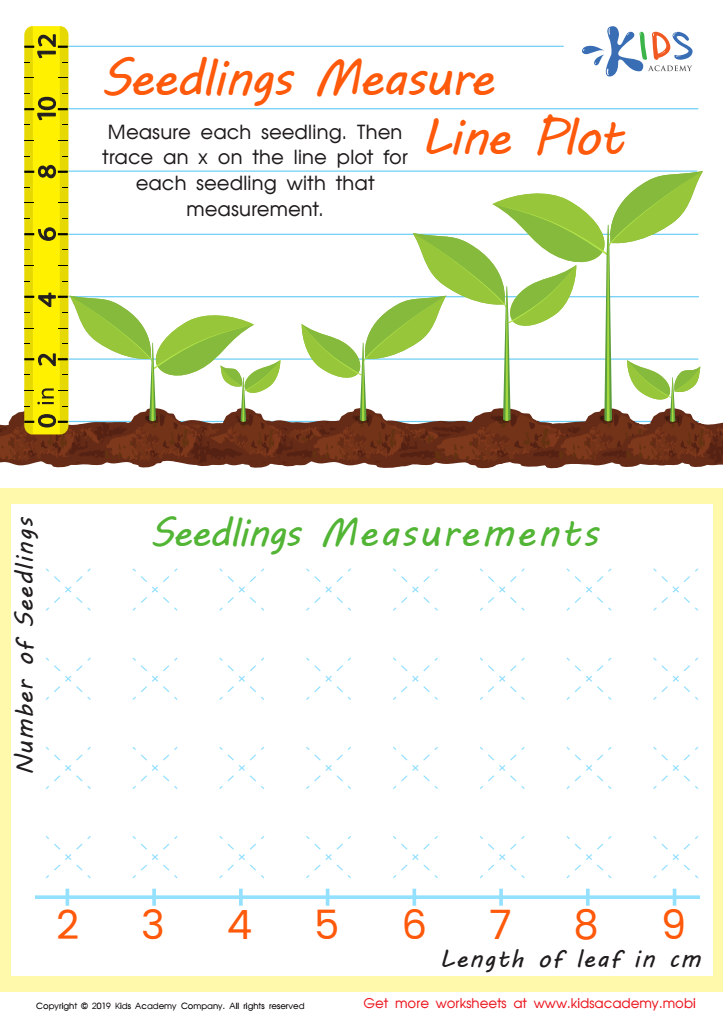
Seedling Measure Line Plot Worksheet
 Assign to My Students
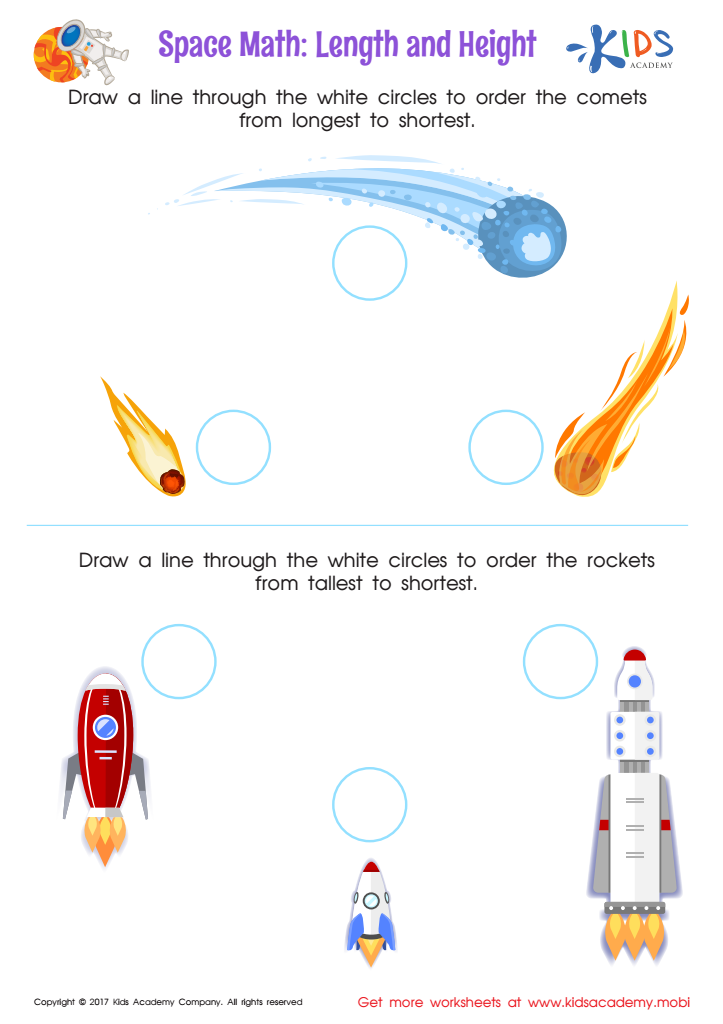
Space Math Worksheet
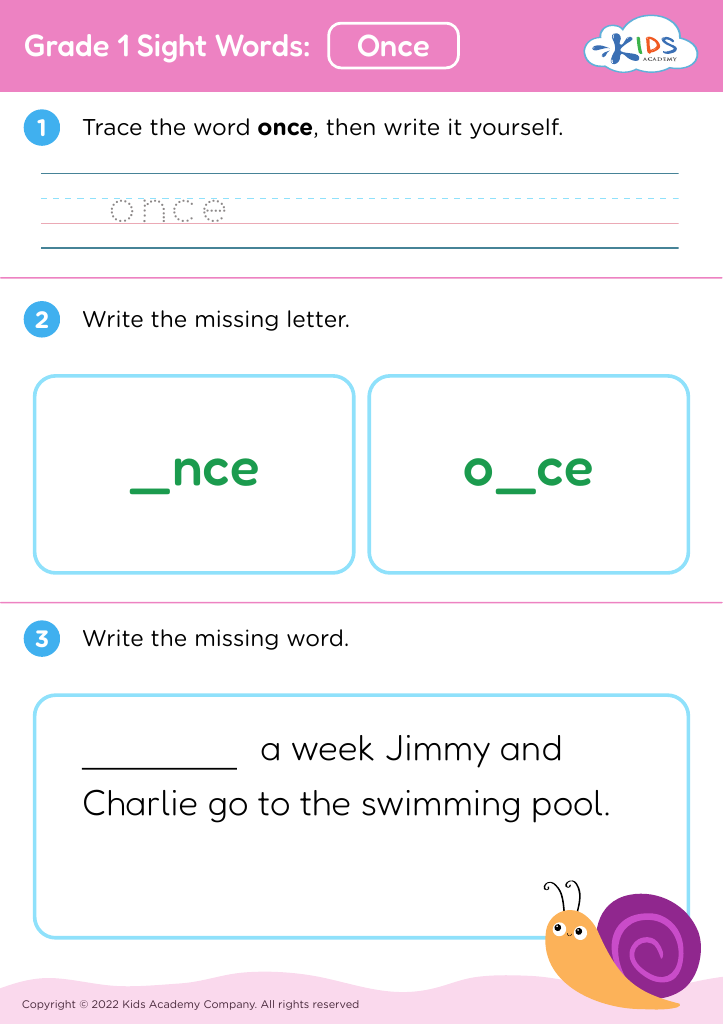






Understanding measurement is essential for children aged 3 to 9 because it lays the foundation for many critical life skills and educational concepts. Firstly, measuring helps develop basic math skills, including an understanding of numbers, units, and how quantities relate to each other. These are fundamental components of arithmetic, geometry, and even algebra, which children will encounter as they progress through school.
Moreover, measurement is closely related to problem-solving skills. When children learn to measure length, weight, volume, or time, they engage in hands-on experiences that strengthen their ability to collect data, make comparisons, and draw conclusions. Such activities nurture critical thinking and the scientific method of observation and experimentation, valuable for succeeding in STEM (Science, Technology, Engineering, and Mathematics) fields.
Parents and teachers should also care because understanding measurement supports daily life skills. Knowing how to measure ingredients for a recipe, calculate time for various activities, or determine distances is greatly beneficial. Early exposure to these concepts makes children more independent and confident in dealing with everyday tasks.
Lastly, familiarity with measurement in the early years builds a sense of curiosity and wonder about the world. It stimulates a child's natural desire to explore, question, and understand their environments better, setting a solid groundwork for lifelong learning.








