Understanding quantity Worksheets for Ages 3-9 - Page 2
31 filtered results
-
From - To
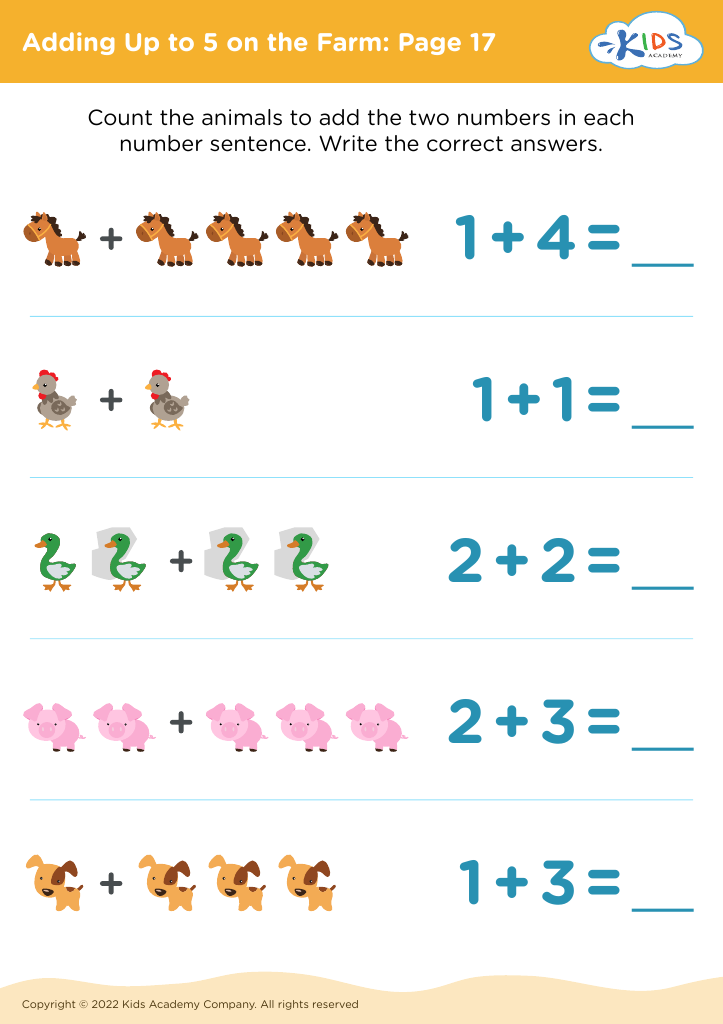
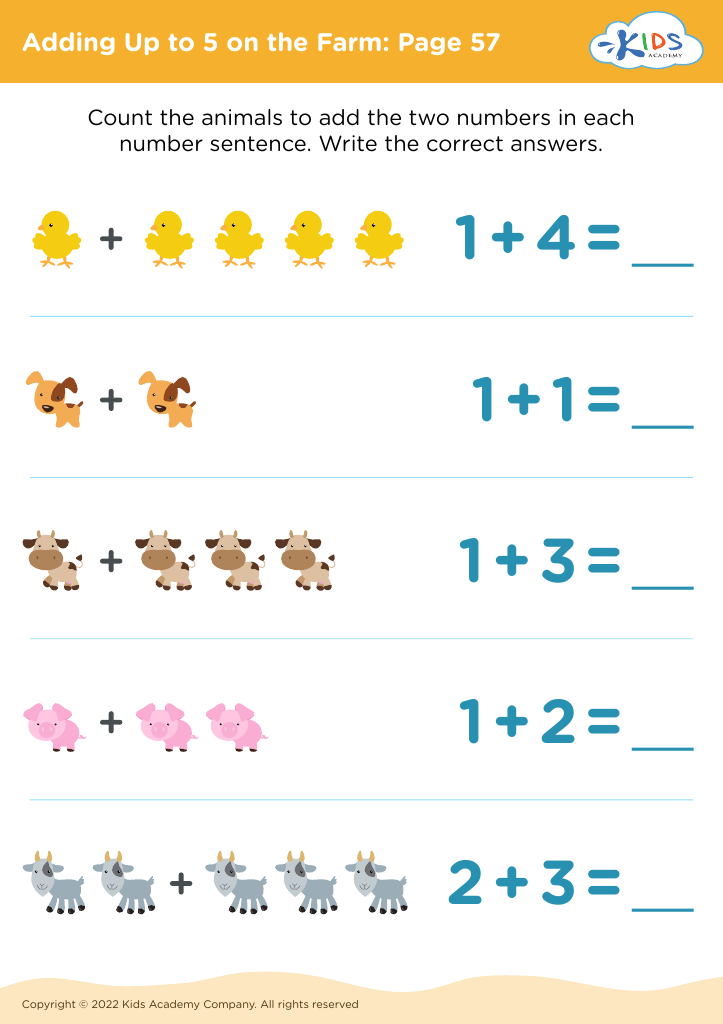
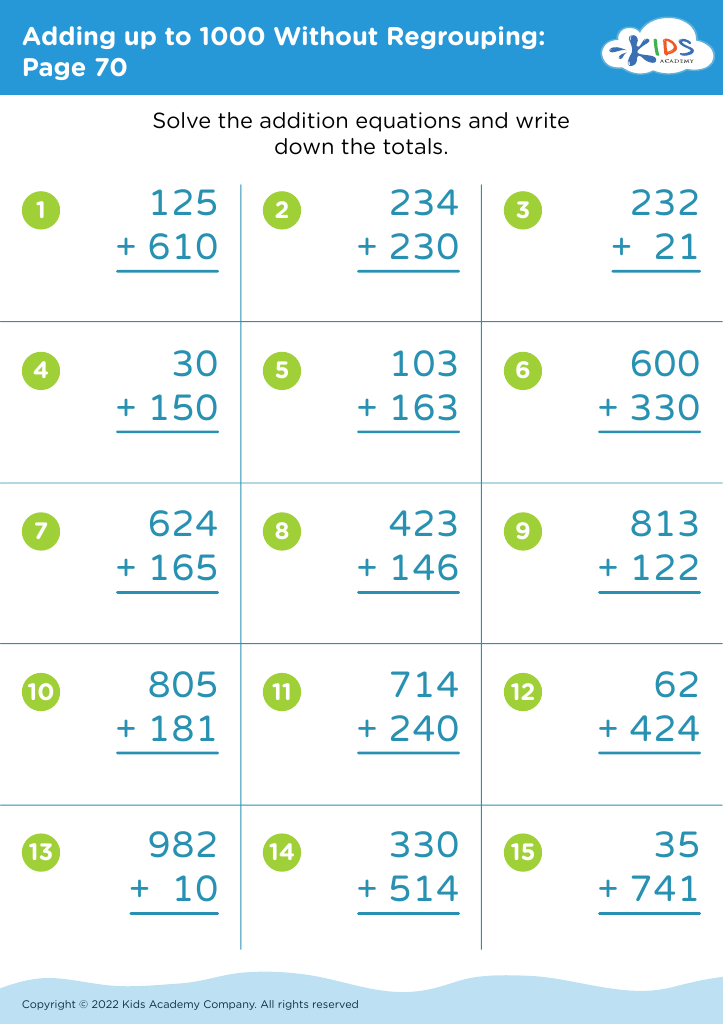
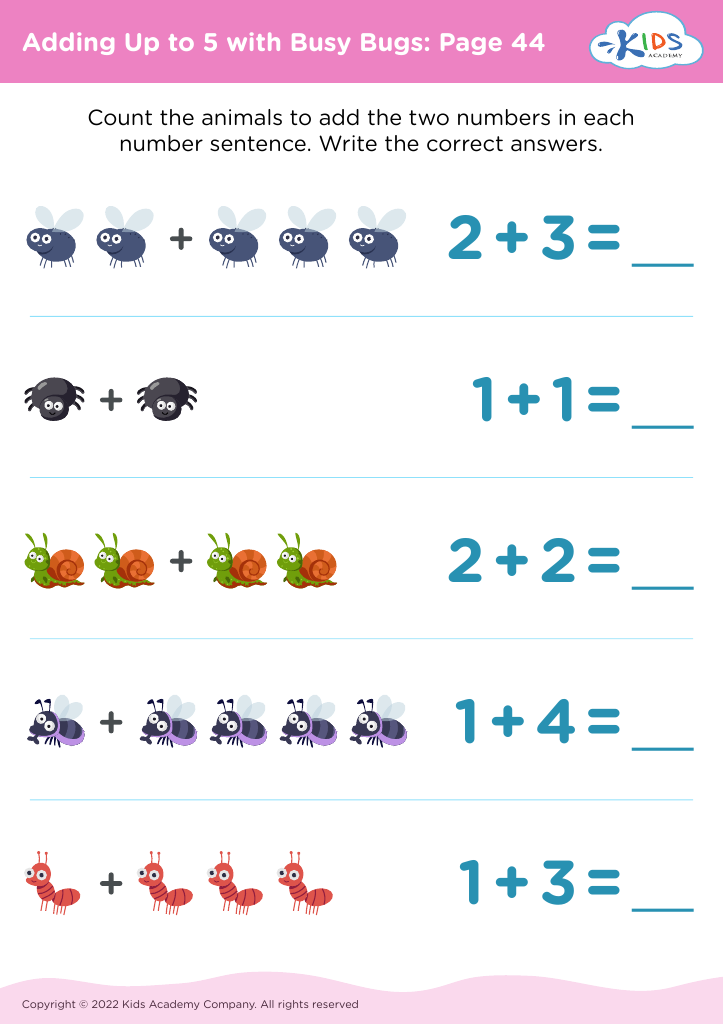
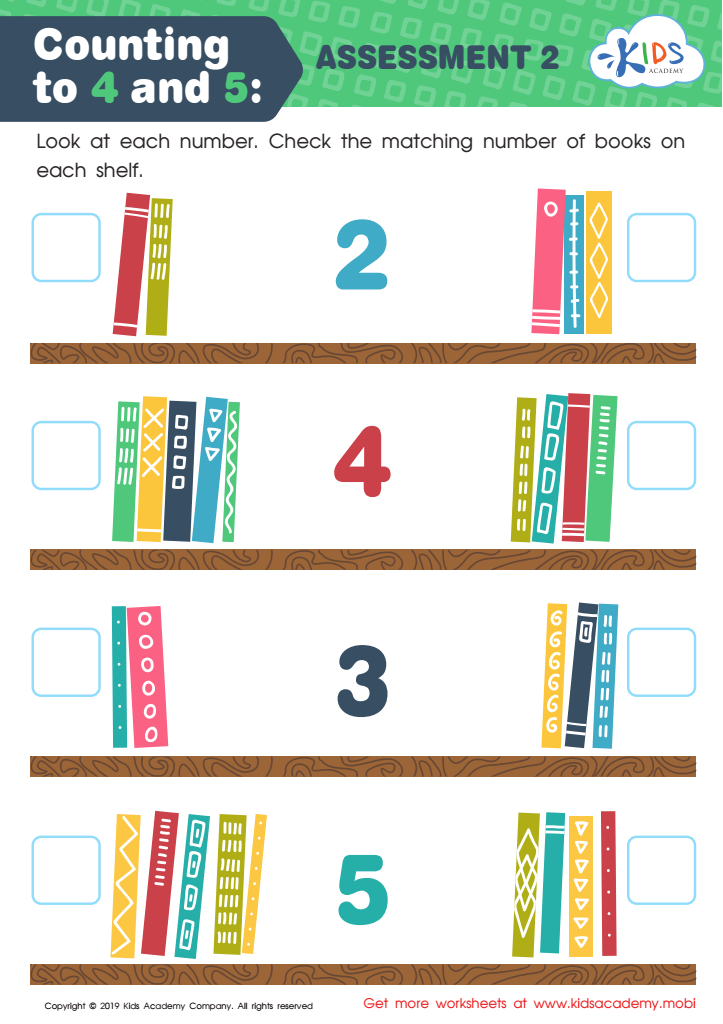
Counting to 4 and 5: Assessment 2 Worksheet
 Assign to My Students
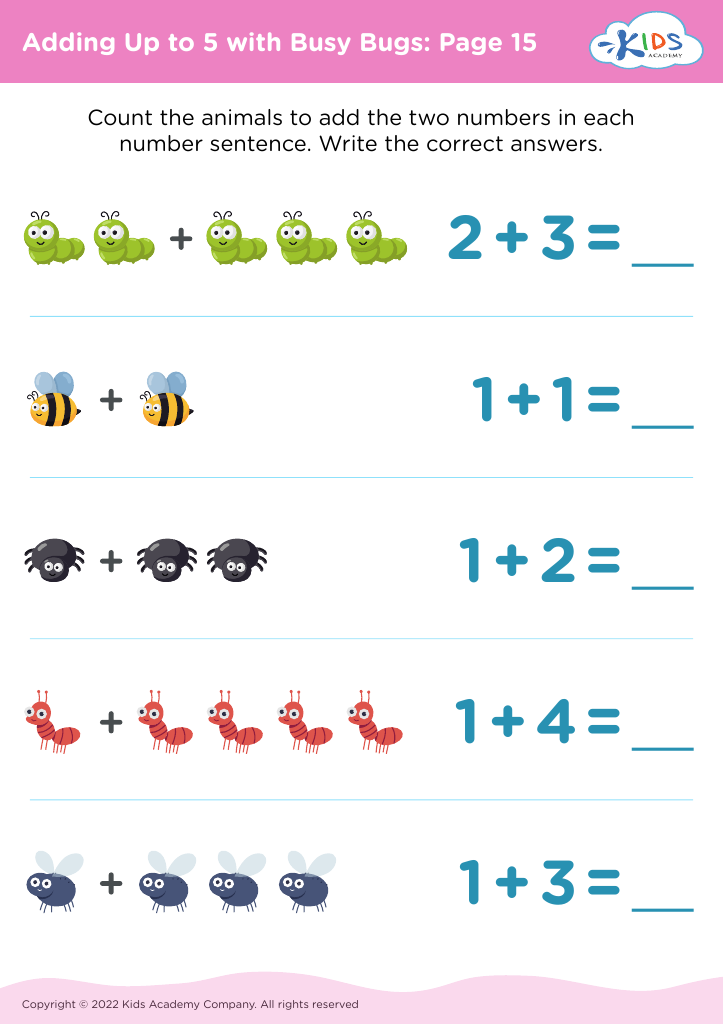







Understanding quantity is a fundamental skill for children ages 3-9 and is crucial for their cognitive development and future academic success. During these formative years, children begin to grasp basic mathematical concepts that form the foundation for more complex problem-solving abilities later in life. Parents and teachers play a pivotal role in nurturing this understanding, as it directly impacts a child's ability to comprehend numbers, make comparisons, and understand relationships between different quantities.
For young children, understanding quantity goes beyond merely counting objects. It involves recognizing patterns, sequencing events, and developing the ability to estimate and approximate. These skills are imperative for academic subjects such as math and science, as well as everyday tasks like cooking or budgeting. Encouraging children to develop a strong sense of quantity aids in boosting their critical thinking and reasoning skills.
Furthermore, early proficiency in understanding quantity can enhance a child's confidence in tackling mathematical challenges, reduce anxiety related to math, and foster a positive attitude toward learning. By incorporating fun, interactive activities that involve measuring, sorting, and comparing objects, parents and teachers can create engaging learning environments. This not only supports the child’s academic growth but also nurtures curiosity and a love for learning that extends beyond the classroom.








