
Word-picture association Worksheets for Ages 3-9
3 filtered results
Difficulty Level
Grade
Age
-
From - To
Subject
Activity
Standards
Explore our engaging Word-Picture Association Worksheets designed for children ages 3-9! These interactive resources aid in vocabulary building and comprehension skills through fun activities that merge words with vivid images. Kids will enjoy matching pictures with corresponding words, enhancing their language development while preventing learning fatigue. Perfect for home or classroom use, our worksheets are ideal for fostering creative and critical thinking in young learners. They provide an effective way to strengthen associative thinking, making learning an enjoyable adventure. Visit our site to access a variety of worksheets that cater to different skill levels and entertaining themes. Let the learning begin!
Favorites
With answer key
Interactive
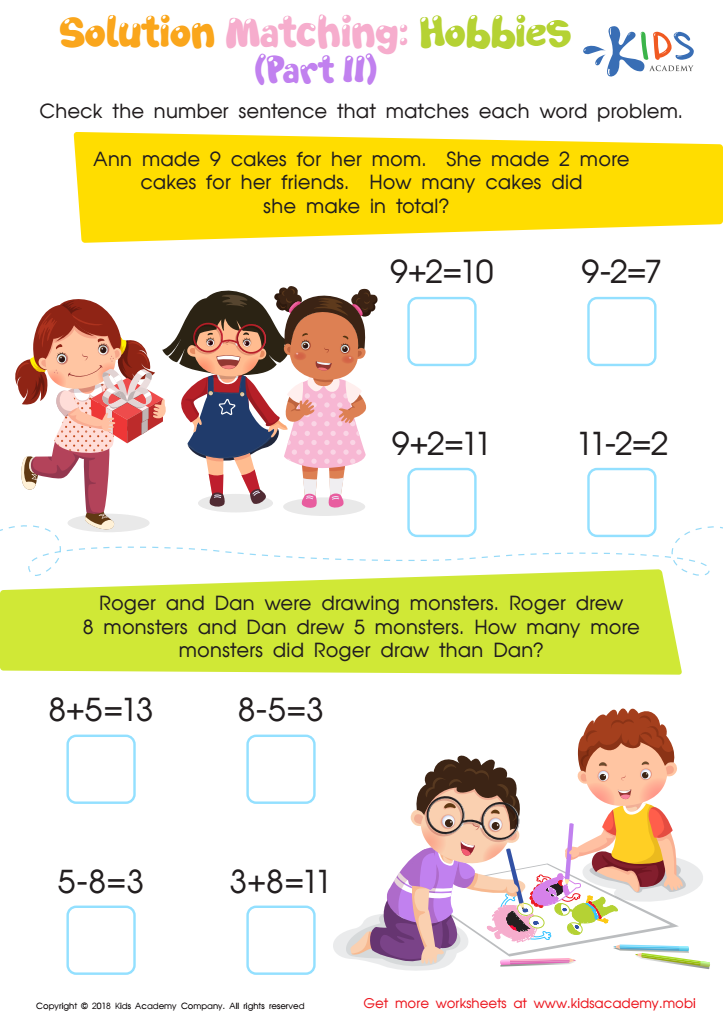
Solution Matching: Hobbies. Part 2 Worksheet
This fun printable worksheet has word problems featuring hobbies your children enjoy! With your child, read through each problem, understanding the numbers and key phrases indicating addition or subtraction. Then, match the correct equation with the solution by checking the box. Math problems are more enjoyable to solve when they’re realistic and engaging!
 Assign to My Students
Solution Matching: Hobbies. Part 2 Worksheet
Worksheet
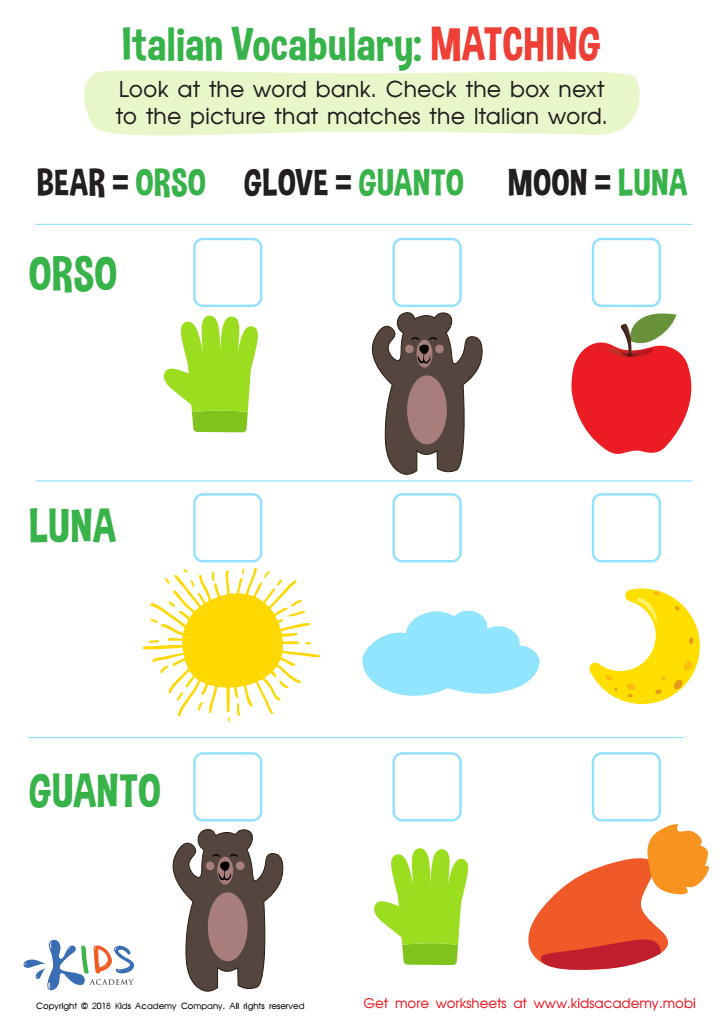
Italian Vocabulary Matching Worksheet
Start your kids young on their global journey with this free Italian worksheet. They'll easily match the pictures to the words and learn familiar, everyday phrases in a fun and colorful way. Give them this perfect foundation for exploring the languages of the world!
Italian Vocabulary Matching Worksheet
Worksheet
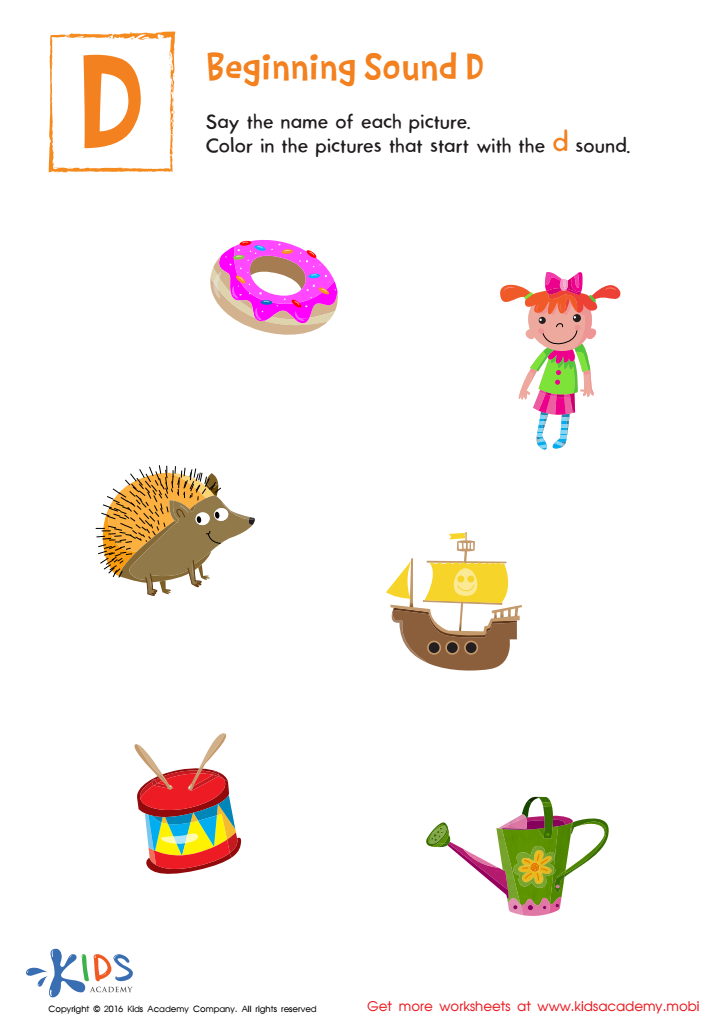
Beginning Sound D Worksheet
Reinforce phonics with this vibrant beginning sound d worksheet! Pictures help kids identify words beginning with 'd' and develop early reading skills. Sounding out each word increases literacy!
Beginning Sound D Worksheet
Worksheet
Join Kids Academy for Free
Who is primarily going to use this learning content?



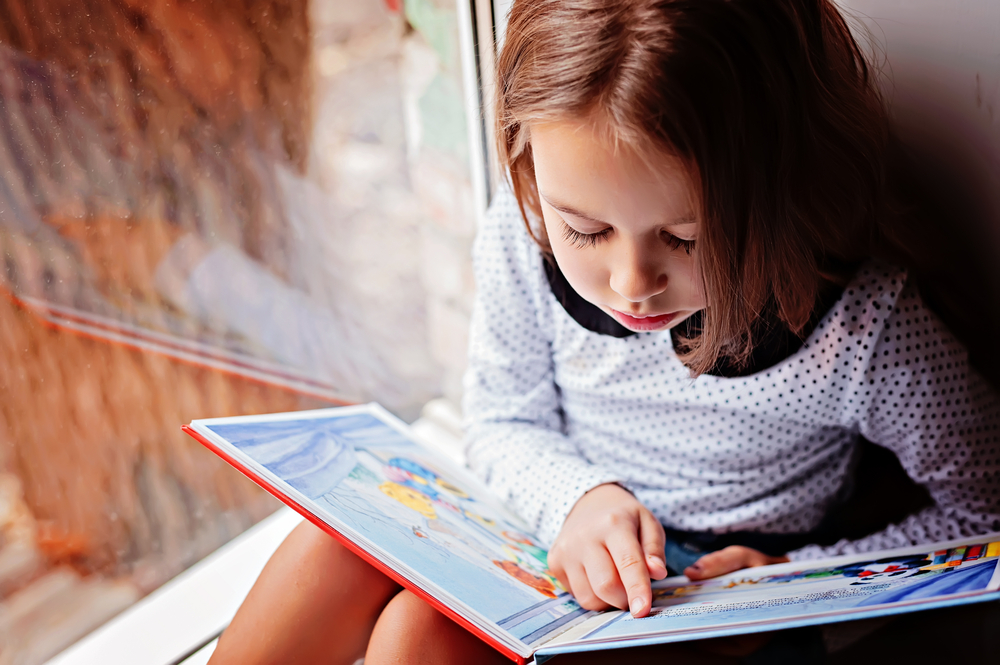


Word-picture association is a vital component of early childhood education, particularly for children aged 3-9, as it bridges the gap between visual language and literacy skills. During these formative years, children are developing foundational language skills and cognitive abilities, and integrating visuals with words enhances their understanding and retention of language. When children see a picture that correlates with a word, they are more likely to grasp its meaning, leading to an expanded vocabulary and improved comprehension.
Additionally, word-picture association supports various learning styles. Visual learners benefit greatly from images that encapsulate meaning, while auditory learners can enhance their understanding through the spoken representation of the associated words. This method helps cater to diverse needs in a mixed-age classroom.
Parents and teachers should recognize that word-picture association fosters a love for reading and learning early on. Engaging children with colorful, relatable images tied to text invites curiosity and encourages them to explore language more deeply. Moreover, it can nurture basic grammar skills as children begin connecting words with concepts. Strong literacy skills developed through strategies like word-picture association are essential for academic success, ultimately contributing to a child's overall confidence and ability to express themselves effectively.








