Problem Solving Adding in the Forest Worksheets for Ages 3-9
3 filtered results
-
From - To
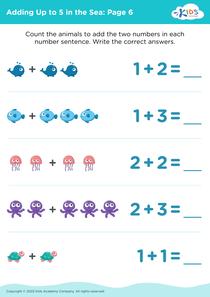
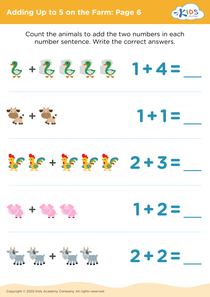
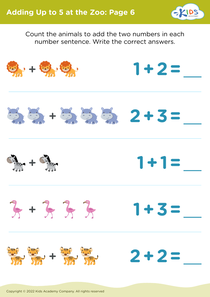
Discover our fun and engaging "Problem Solving Adding in the Forest Worksheets" designed for children aged 3-9! These worksheets combine creative woodland themes with vital math skills, making learning about addition enjoyable and interactive. Perfect for developing problem-solving abilities, each worksheet offers unique scenarios that challenge kids to apply their addition skills in practical situations. With vibrant illustrations and age-appropriate exercises, students will cultivate a love for math while exploring the enchanting world of the forest. Empower your little learners to think critically and boost their confidence in math through these delightful worksheets that make learning an adventure!
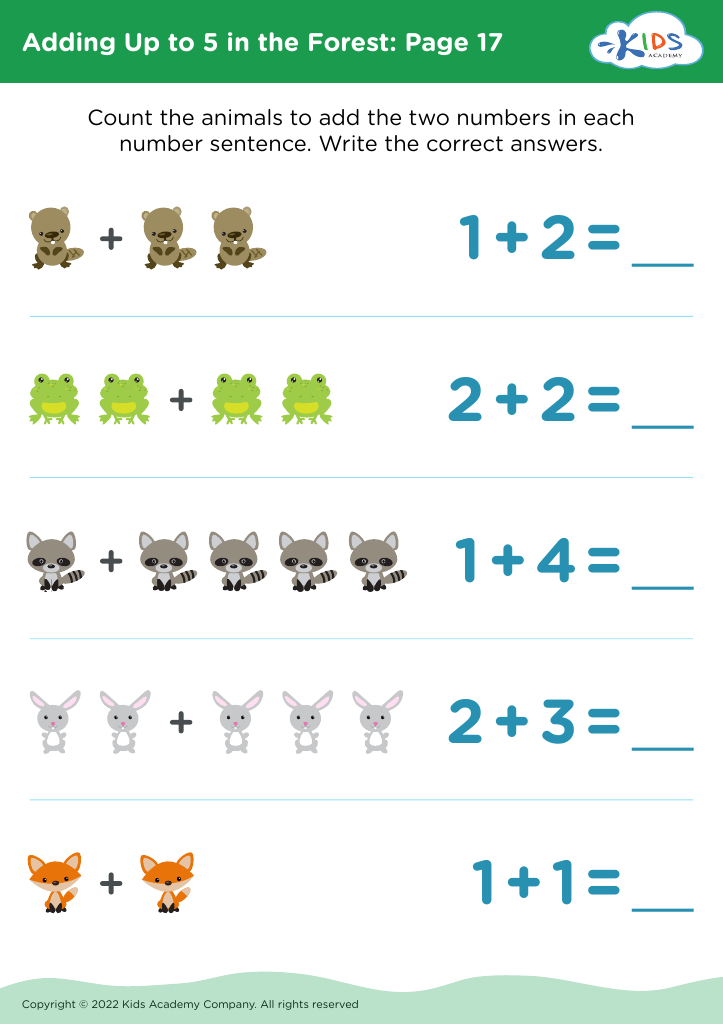
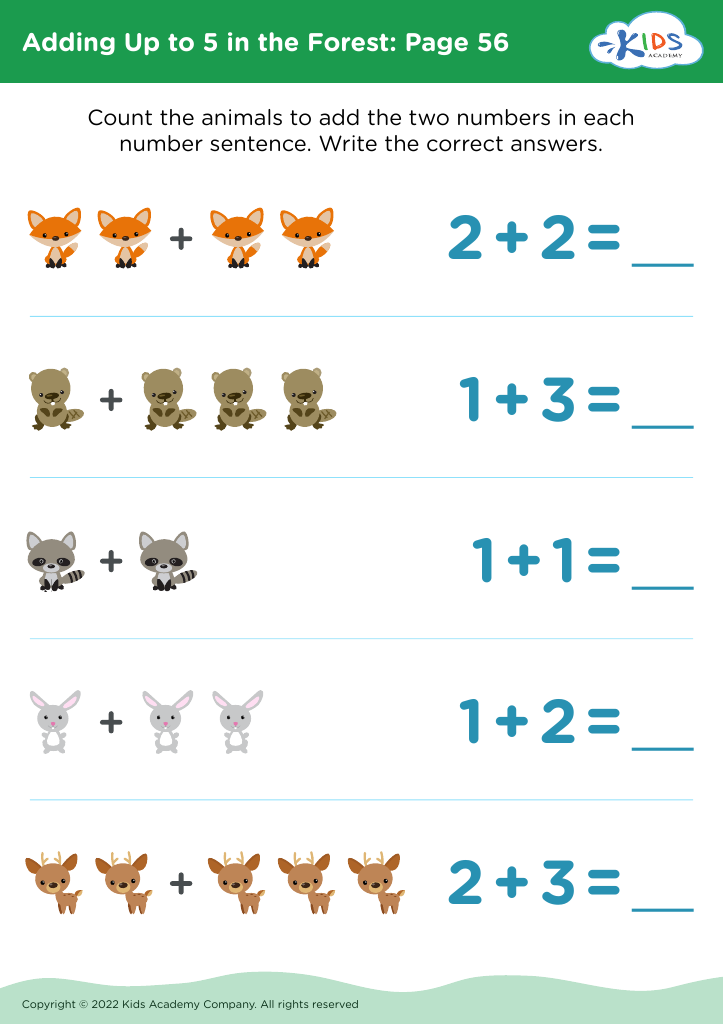
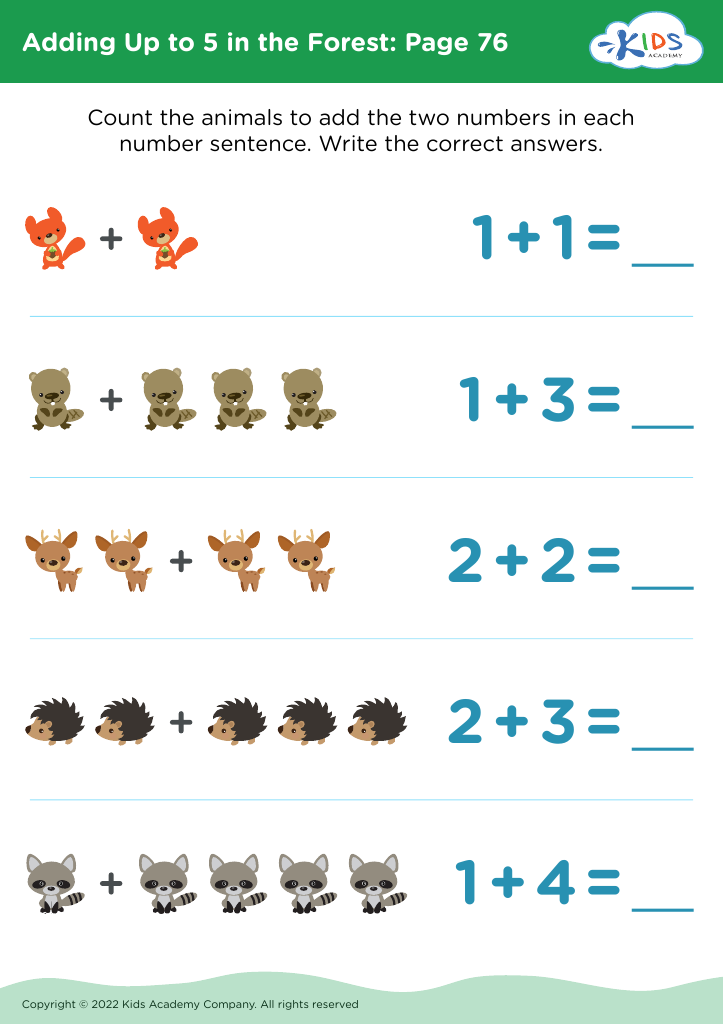



Parents and teachers should care about problem solving through activities like "Problem Solving Adding in the Forest" because it fosters critical thinking and cognitive development in children aged 3-9. This age group is particularly eager to learn and explore, making it the perfect time to introduce engaging, hands-on experiences that connect math with the natural world.
Activities that combine outdoor exploration with mathematical concepts like addition encourage children to apply their understanding in real-world contexts. This approach not only makes learning fun and interactive but also helps instill a love for both nature and problem solving. Engaging in these activities enhances children's spatial awareness and promotes teamwork as they tackle challenges collaboratively, fostering social skills and communication.
Additionally, outdoor problem-solving encourages physical activity, which is essential for healthy development. It can help combat attention and focus issues, allowing children to enjoy consistence in their learning.
Ultimately, supporting problem-solving activities in a creative, immersive environment equips young learners with essential skills—both math-related and life skills—that are crucial for their future educational journeys and personal growth. Encouraging curiosity and innovation in children prepares them to tackle the complex challenges of tomorrow.