Handwriting improvement Addition & Subtraction Worksheets for Ages 3-9
4 filtered results
-
From - To
Our "Handwriting Improvement Addition & Subtraction Worksheets for Ages 3-9" blend essential math skills with handwriting practice. Designed for young learners, these engaging worksheets feature diverse addition and subtraction exercises that enhance numeracy while promoting fine motor skills and neat penmanship. Each worksheet is crafted by educational experts to ensure age-appropriate challenges. Perfect for classroom or home use, these resources support and reinforce learning in a fun, interactive way. Help your child develop strong math foundations and beautiful handwriting simultaneously with our expertly designed worksheet collection. Explore our vast range now and see the difference in your child's progress!
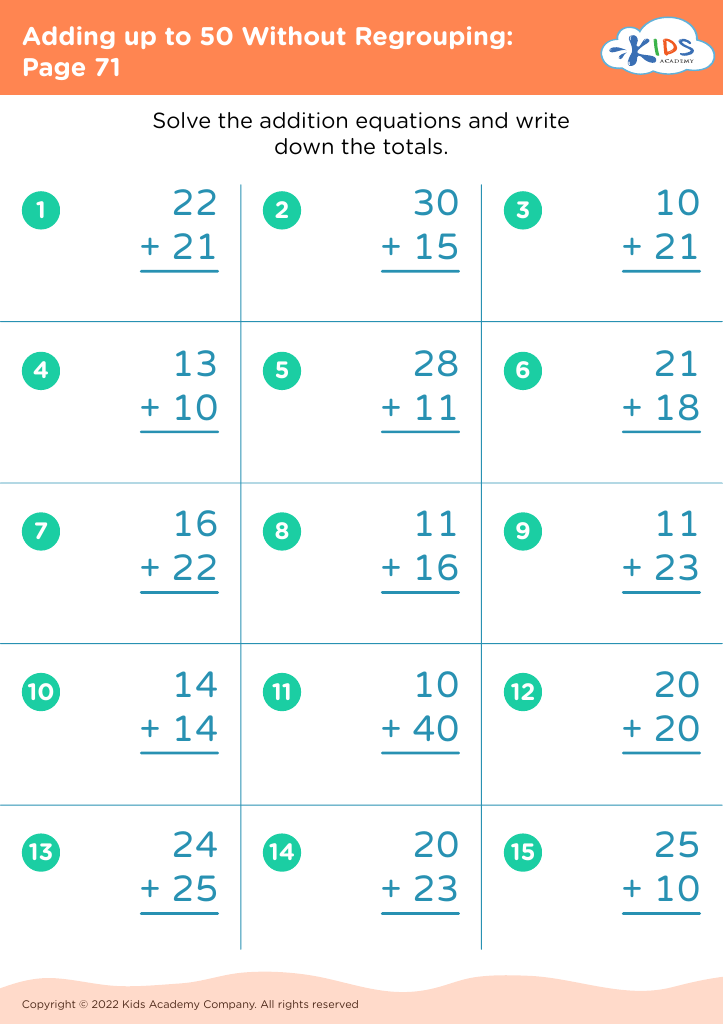
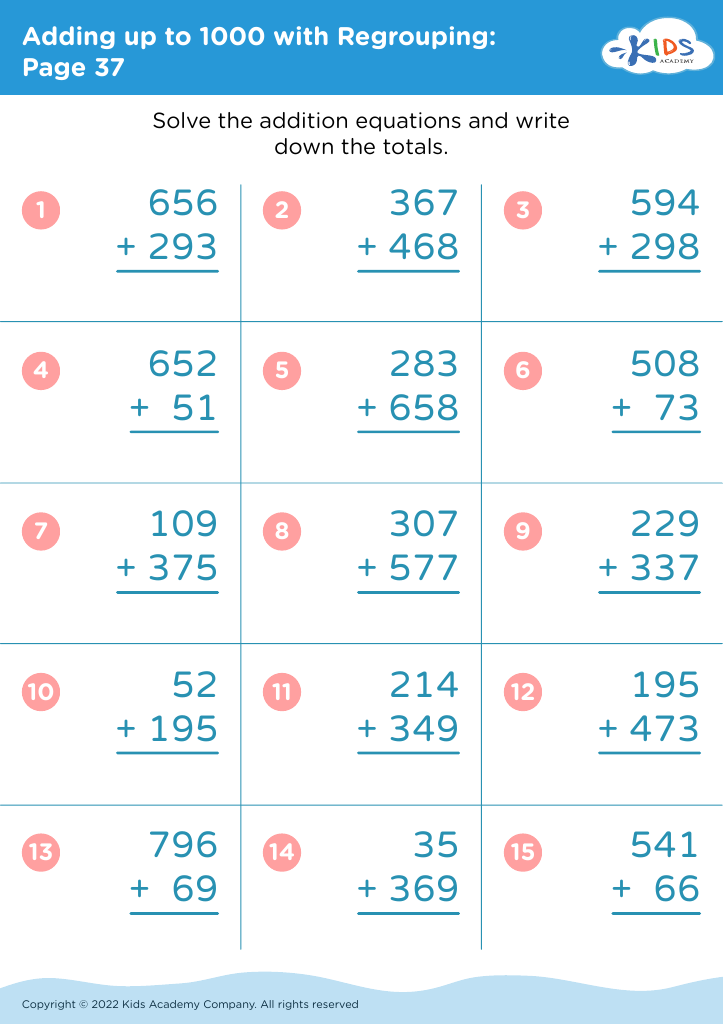
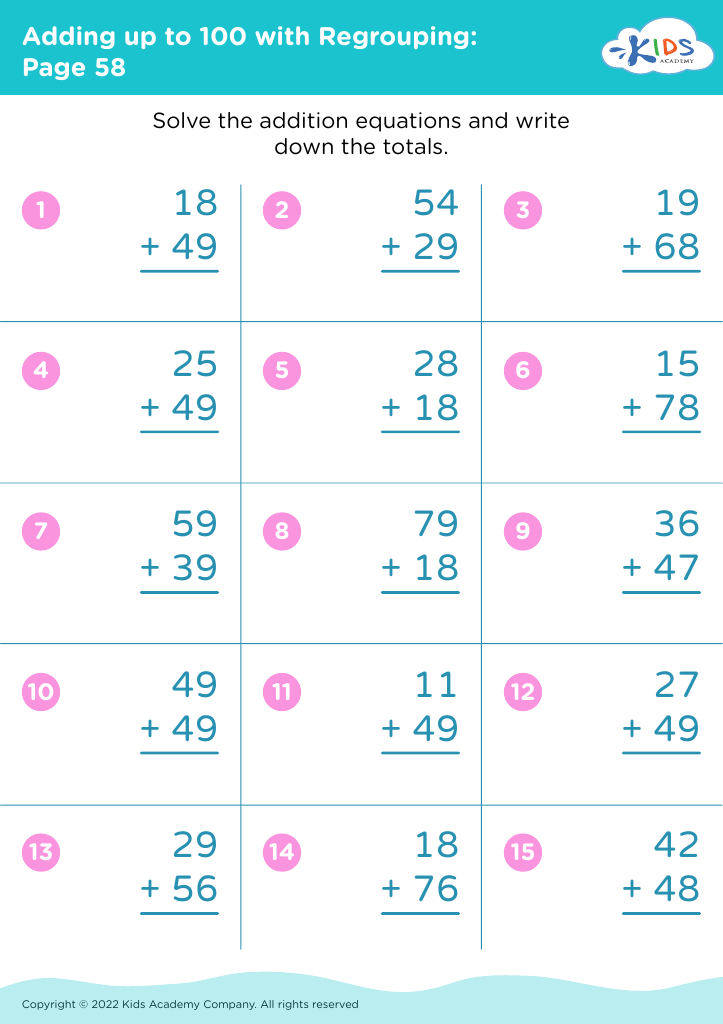
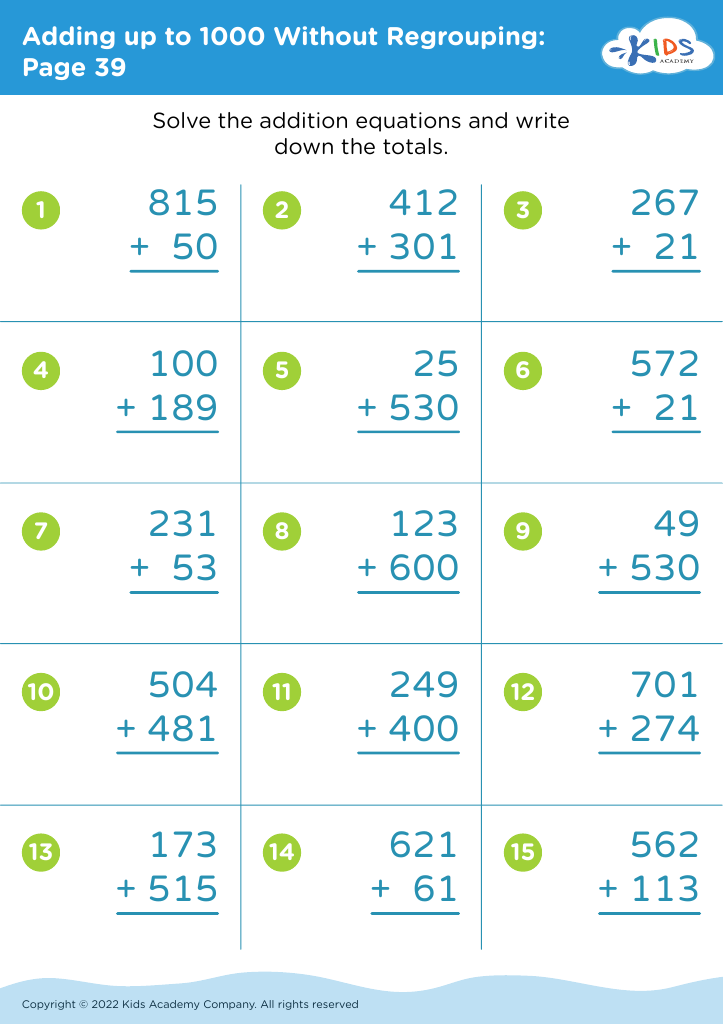








Handwriting improvement and foundational math skills, such as addition and subtraction, are crucial areas of focus for children ages 3-9, greatly impacting their academic and personal development. Good handwriting is not only a motor skill but also enhances cognitive functions. It supports better reading comprehension and spelling, as the act of writing engages multiple areas of the brain, fostering deeper processing of language. Clear, legible handwriting reduces the child’s frustration and boosts self-confidence when completing schoolwork.
On the other hand, fundamental math skills like addition and subtraction form the building blocks for more complex mathematical concepts encountered later in education. Mastery of these skills ensures that children develop sound numerical understanding, critical thinking, and problem-solving abilities. Early proficiency helps prevent future math anxiety, building a positive attitude toward the subject.
When parents and teachers actively support these areas, they are contributing significantly to the child's long-term academic success and personal development. Encouraging activities and providing appropriate learning tools at this formative age sets a strong foundation, enabling children to thrive in various academic endeavors and in practical life situations. Fostering these skills instills patience, discipline, and a sense of accomplishment, which are invaluable traits as they progress through their educational journey.








