
Visual-motor skills Addition & Subtraction Worksheets for Ages 3-9
4 filtered results
Difficulty Level
Grade
Age
-
From - To
Subject
Activity
Standards
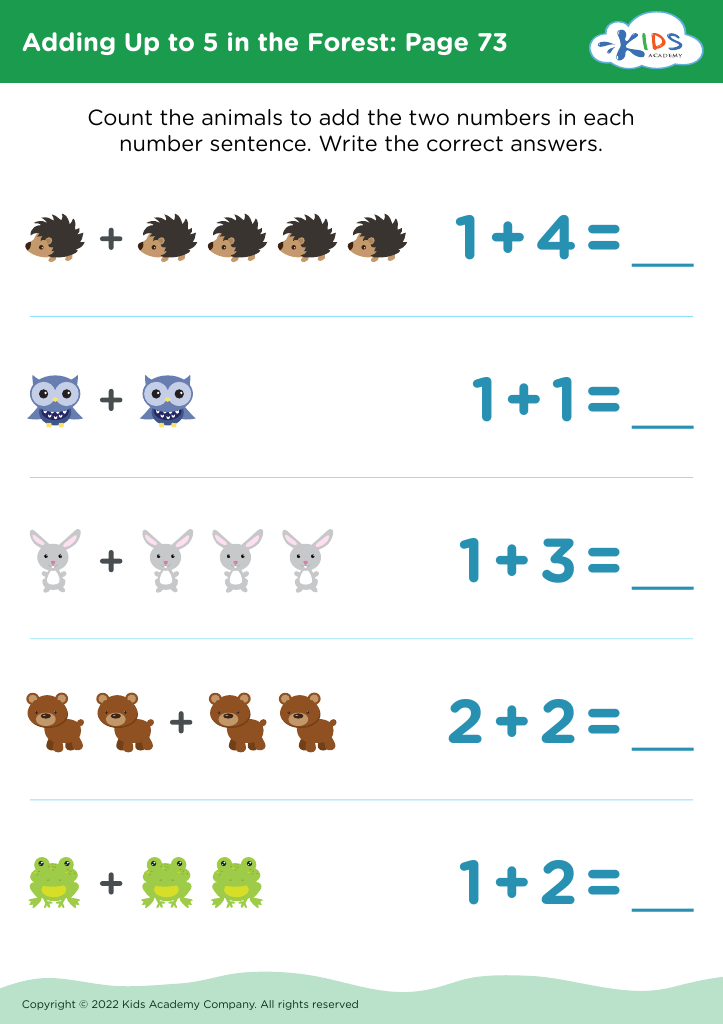
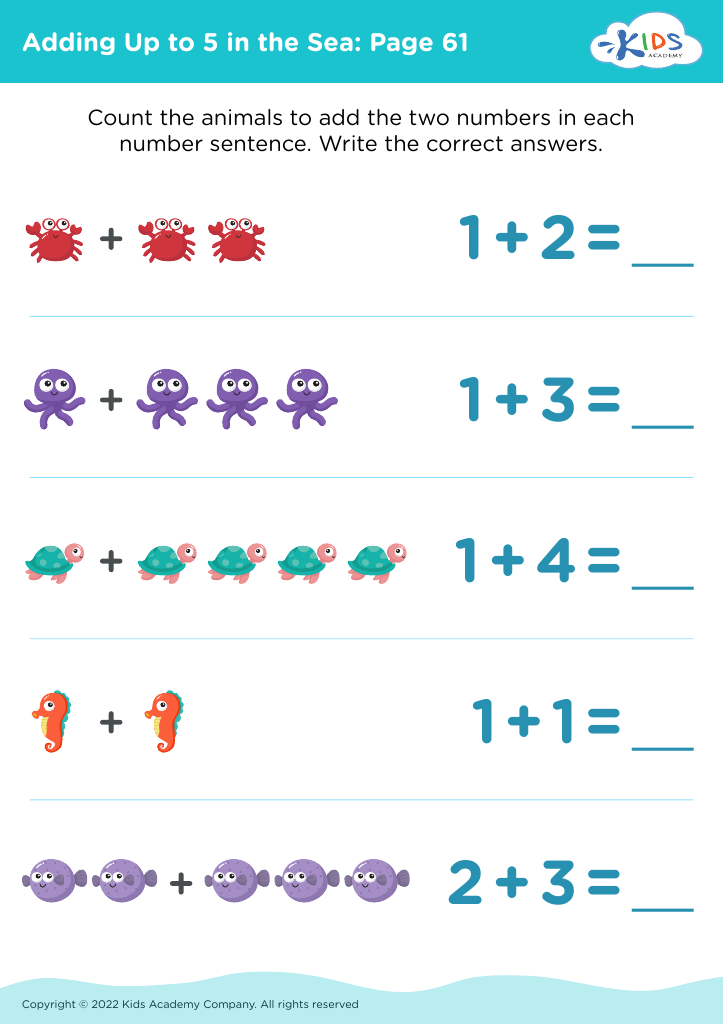
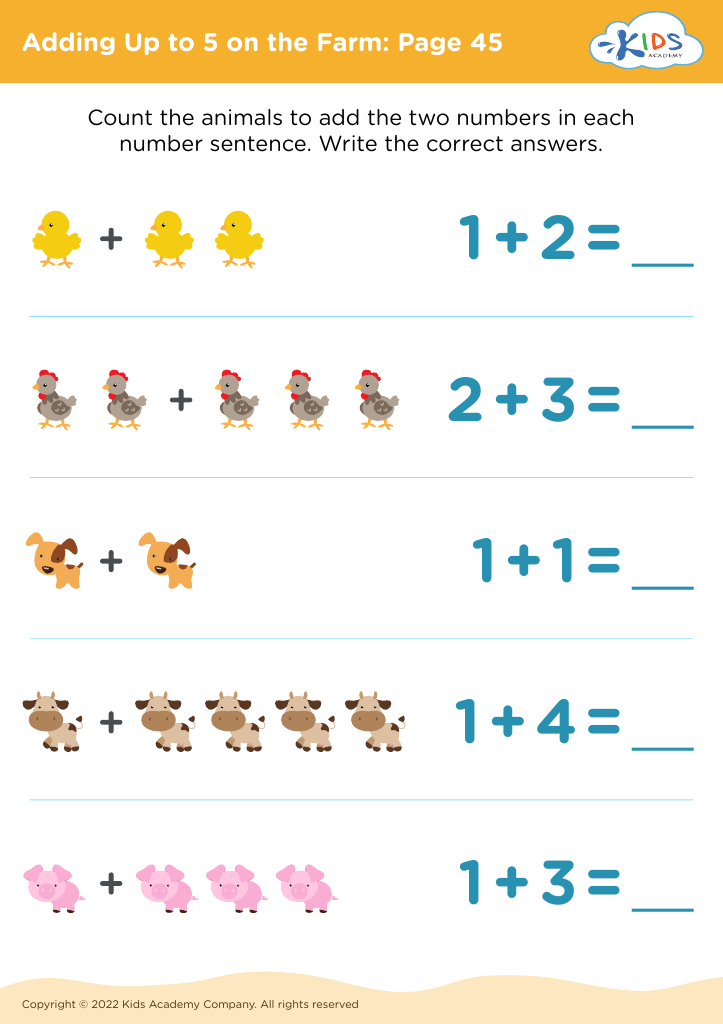
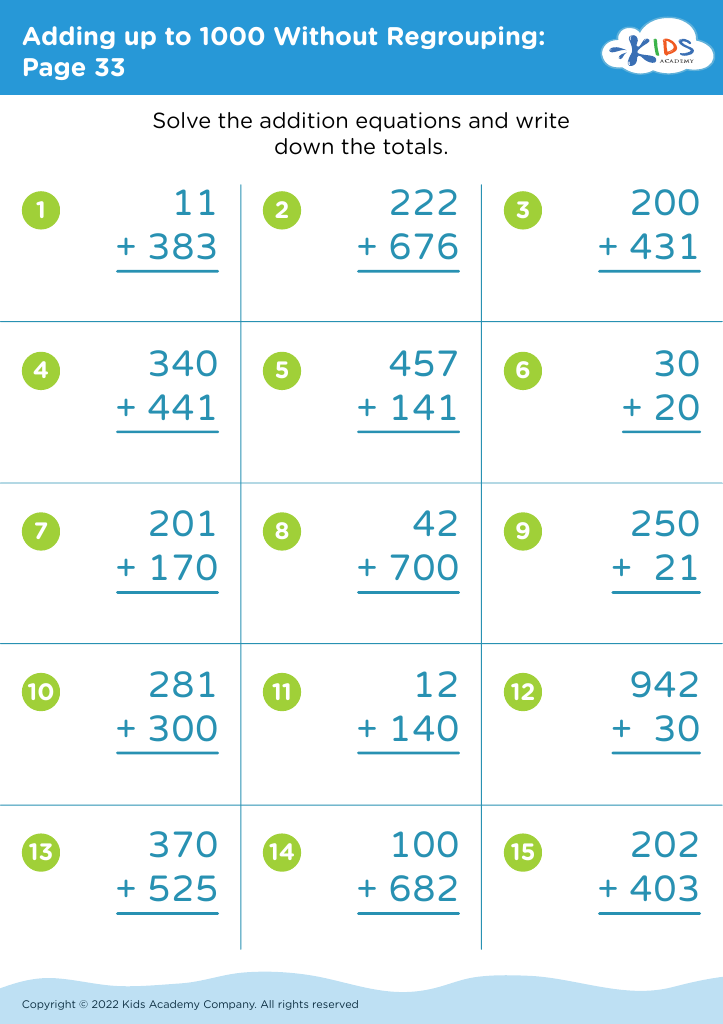
Enhance your child's math skills with our engaging visual-motor skills addition and subtraction worksheets, specifically designed for ages 3-9. These interactive resources encourage children to develop their fine motor skills while practicing basic math concepts. Through fun illustrations and hands-on activities, kids improve coordination and spatial awareness as they solve addition and subtraction problems. Perfect for preschool and early elementary learners, our worksheets cater to different learning styles, ensuring that all children can build confidence in math. Start fostering early math skills and fine motor development today with our thoughtfully crafted worksheets that make learning enjoyable!
Favorites
With answer key
Interactive
Join Kids Academy for Free
Who is primarily going to use this learning content?








Visual-motor skills are crucial for children aged 3-9 as they significantly impact their ability to perform fundamental mathematical operations like addition and subtraction. These skills involve the coordination of visual perception and motor skills, allowing children to interpret visuals—such as numbers, shapes, and diagrams—and translate that understanding into physical responses, like writing or manipulating objects.
Parents and teachers should care about these skills because they form the foundation for a child's academic success and overall cognitive development. Strong visual-motor skills help children recognize patterns, understand spatial relationships, and solve problems, all of which are vital in mathematics. When children can effectively grasp these elements, they gain confidence, engage in learning, and reduce frustration during math-related activities.
Furthermore, mastery of visual-motor skills promotes fine motor development, which plays a key role in other areas such as writing, drawing, and everyday tasks like buttoning clothes. By nurturing these skills, educators and parents can ensure that children not only excel in math but also develop a well-rounded set of abilities that will support their lifelong learning journey. Investing time in enhancing visual-motor skills paves the way for smoother transitions into more complex academic concepts as children grow.








