
Color recognition Addition Worksheets for Ages 3-9
10 filtered results
Difficulty Level
Grade
Age
-
From - To
Subject
Activity
Standards
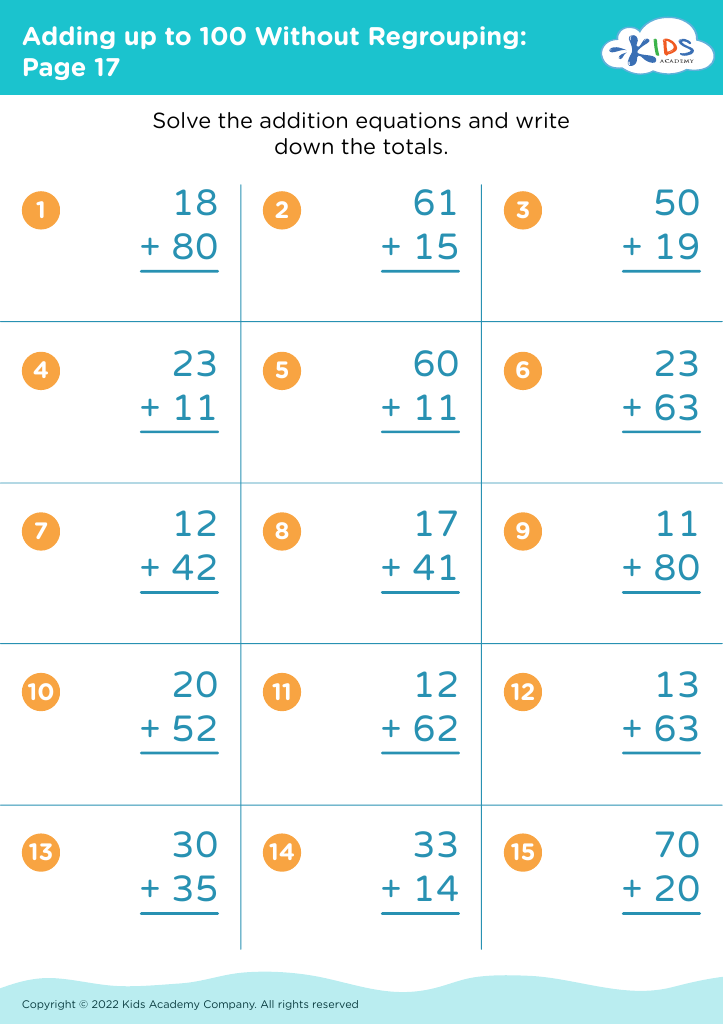
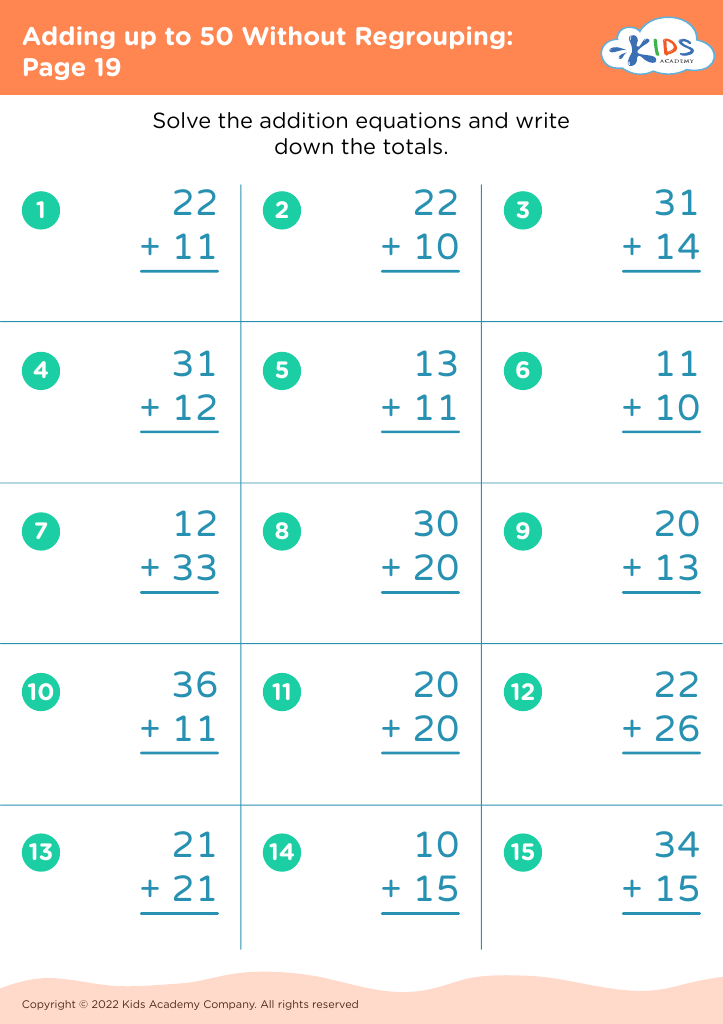
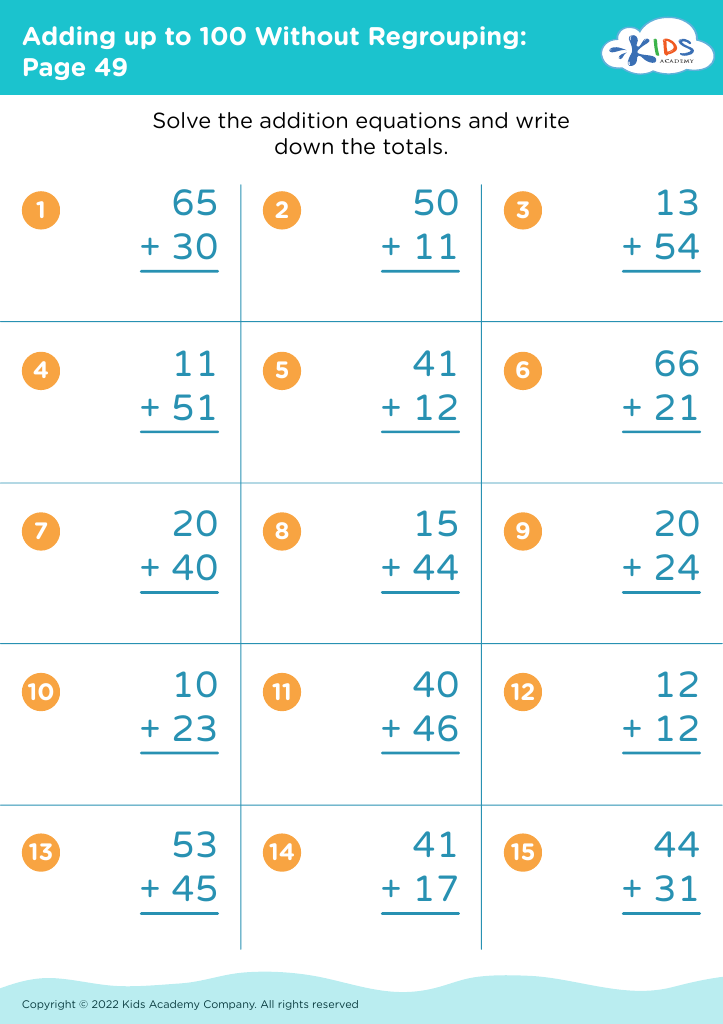
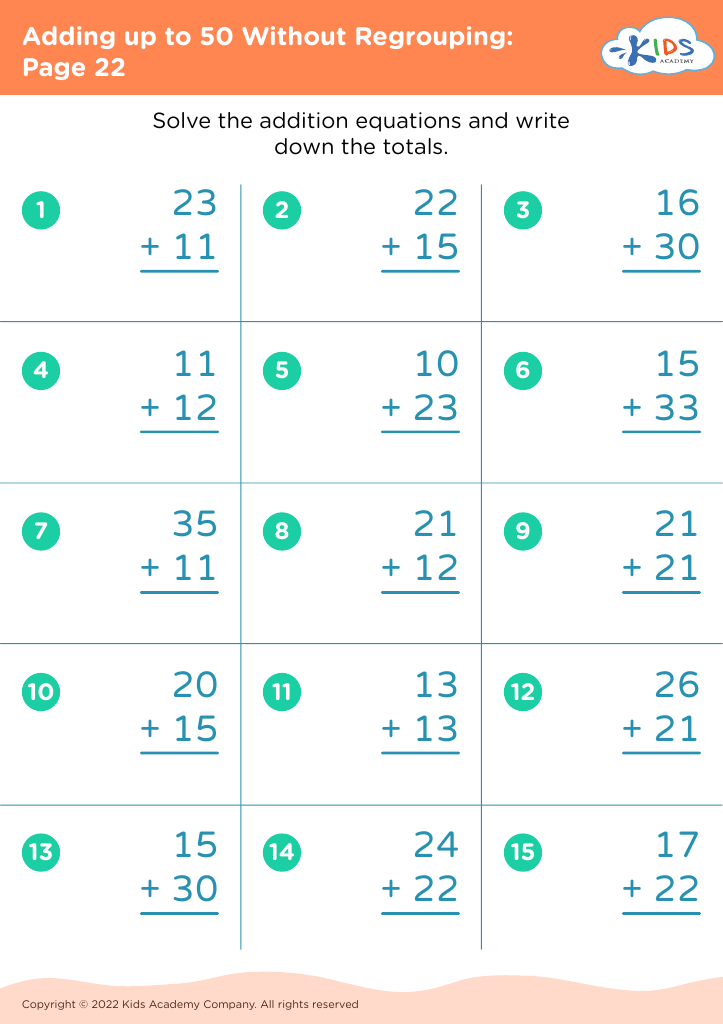
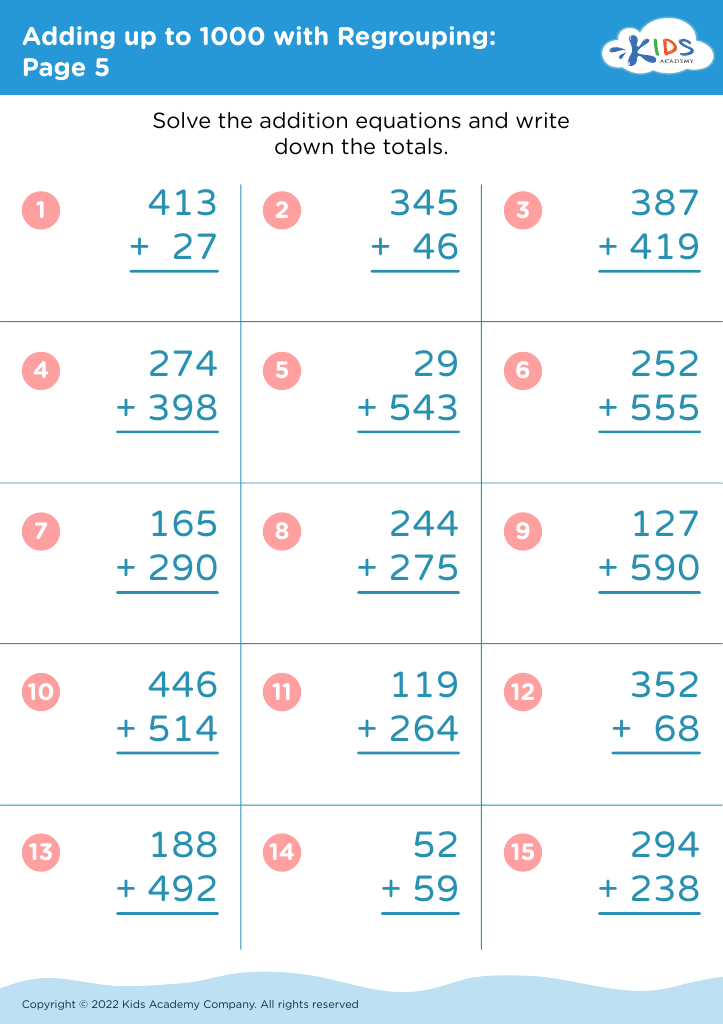
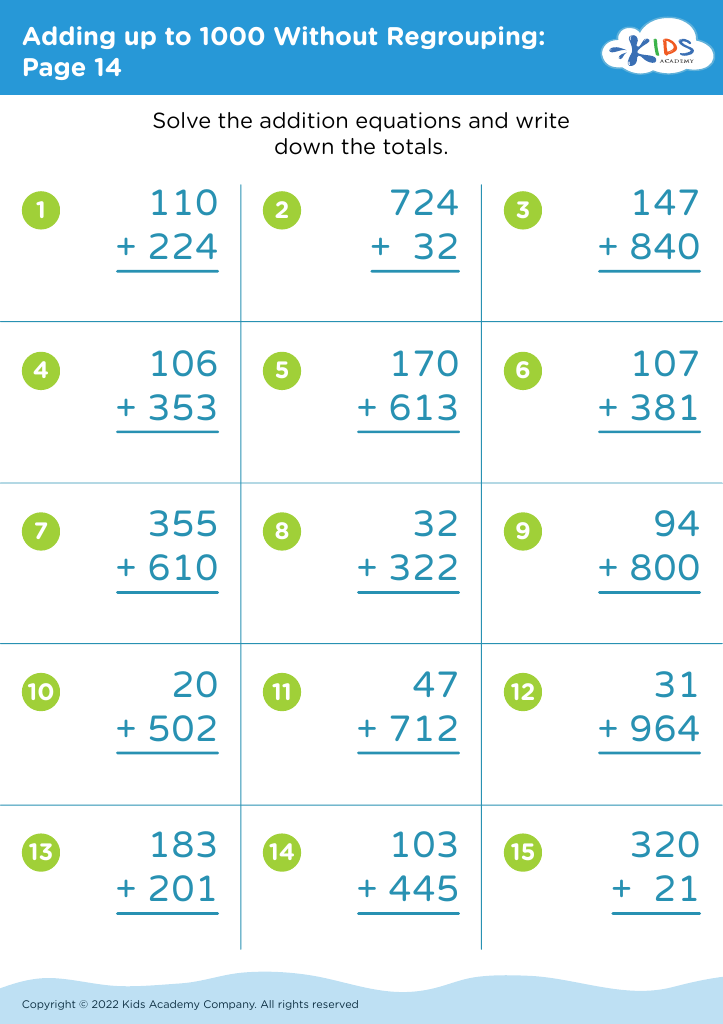
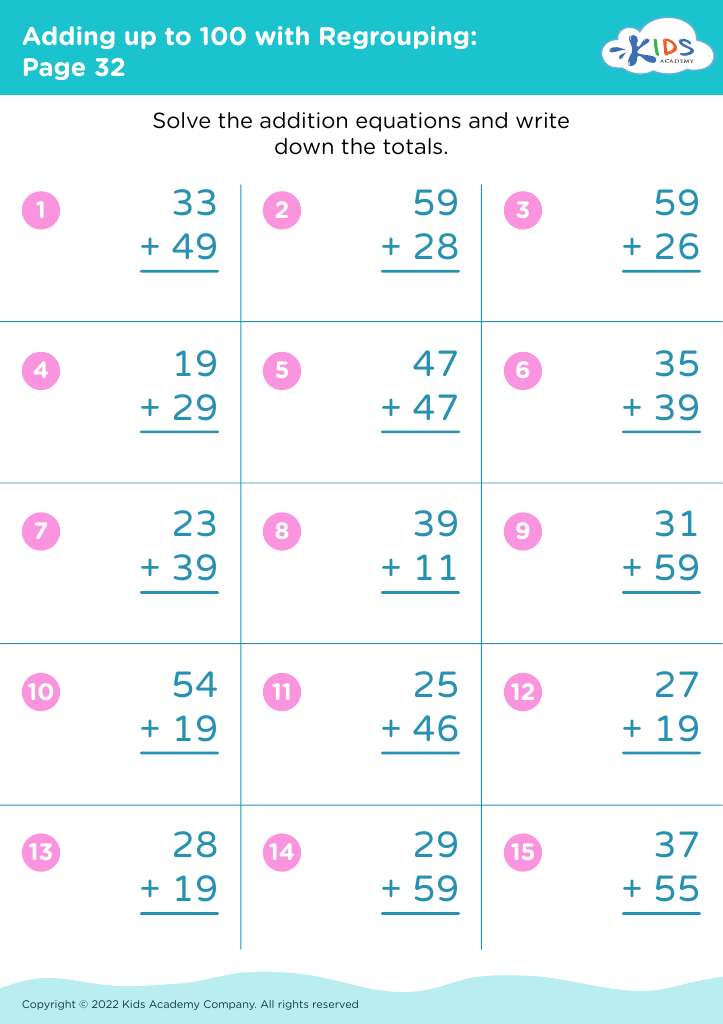
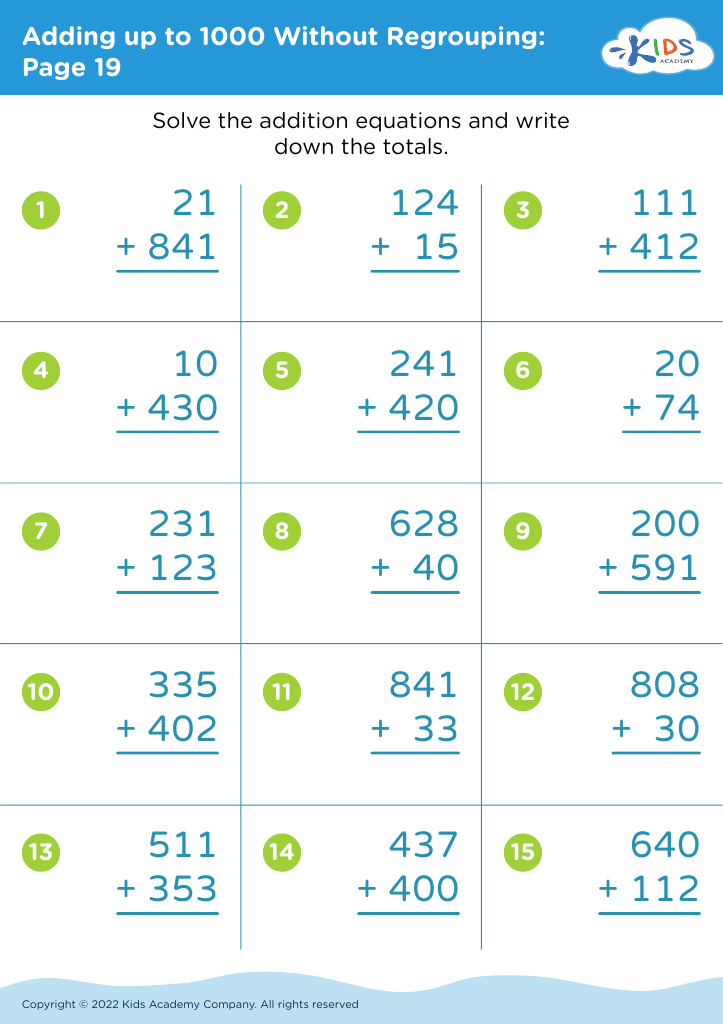
Unlock the potential of young learners with our Color Recognition Addition Worksheets, designed for ages 3-9. These engaging worksheets merge foundational math skills with vibrant color recognition exercises, creating a fun and educational experience. As children practice addition, they simultaneously enhance their ability to identify and differentiate colors. Perfect for both classroom and at-home learning, our age-appropriate worksheets ensure that early learners stay captivated while building crucial skills. With Kids Academy's expertly crafted materials, math and color learning become an adventure, setting a solid foundation for future academic success. Explore our collection today to transform learning into a colorful journey!
Favorites
With answer key
Interactive
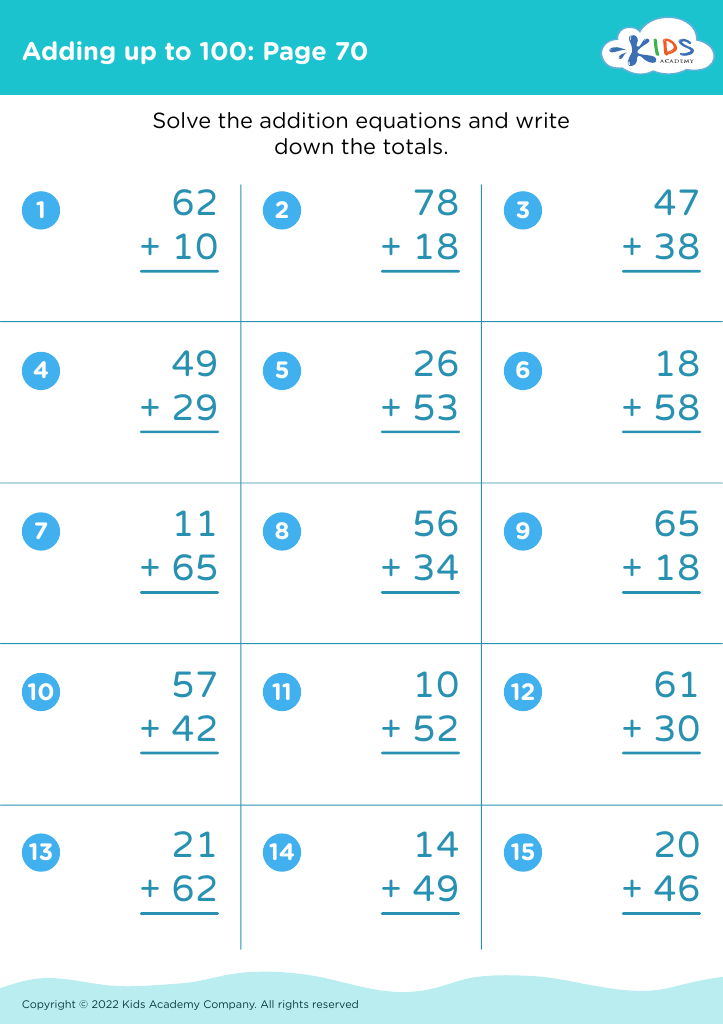
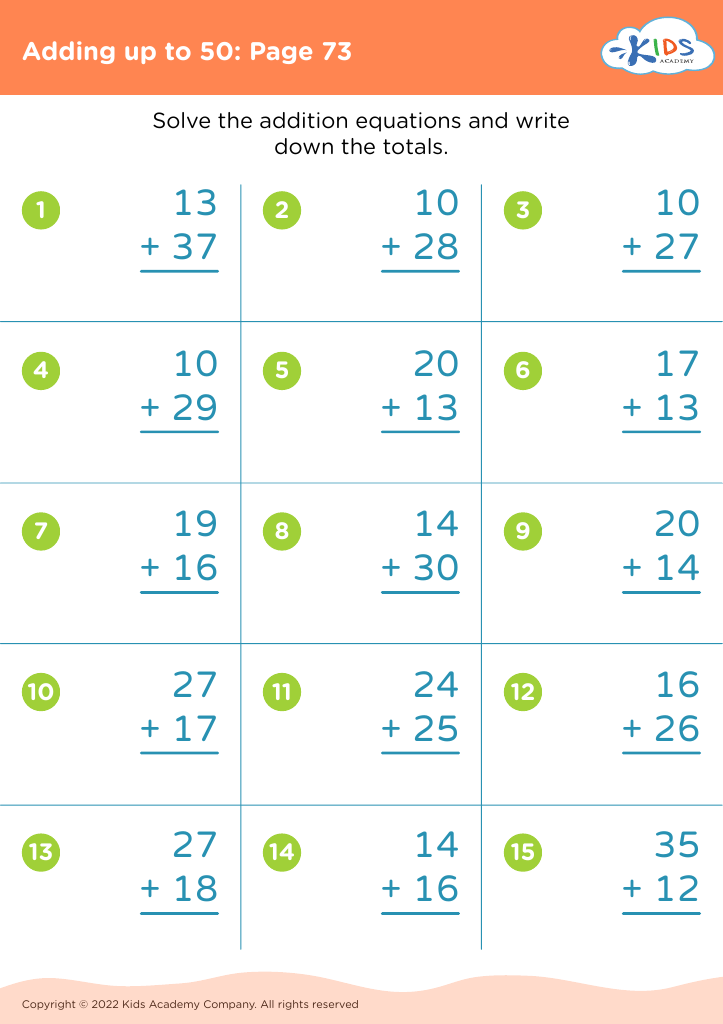
Join Kids Academy for Free
Who is primarily going to use this learning content?







.jpg)
Color recognition and addition for children aged 3-9 are foundational skills that pave the way for cognitive and academic development. Firstly, color recognition is crucial in helping children categorize and differentiate objects in their environment, promoting visual perception and attention to detail. Recognizing and naming colors also supports communication skills, as children learn to describe the world around them more accurately, enriching their vocabulary.
Addition, on the other hand, is foundational for mathematical thinking. Early exposure to addition helps children develop number sense—an understanding of numbers, their relationships, and operations. This equips them for more complex mathematical concepts and problem-solving skills later on. Integrating color recognition with addition can make learning more engaging and enjoyable. For example, using colorful objects to teach counting and adding can turn abstract concepts into tangible and relatable learning experiences.
Furthermore, these activities foster fine motor skills through handling objects and enhance memory and concentration as children remember numbers and color names. Engaging in color recognition and addition also popularizes hands-on, interactive learning through play, ensuring that educational activities remain enjoyable rather than tedious. Consequently, nurturing these skills in early childhood contributes significantly to a child's holistic growth—cognitively, linguistically, and socially.








