Shape identification Addition Worksheets for Ages 3-9
13 filtered results
-
From - To
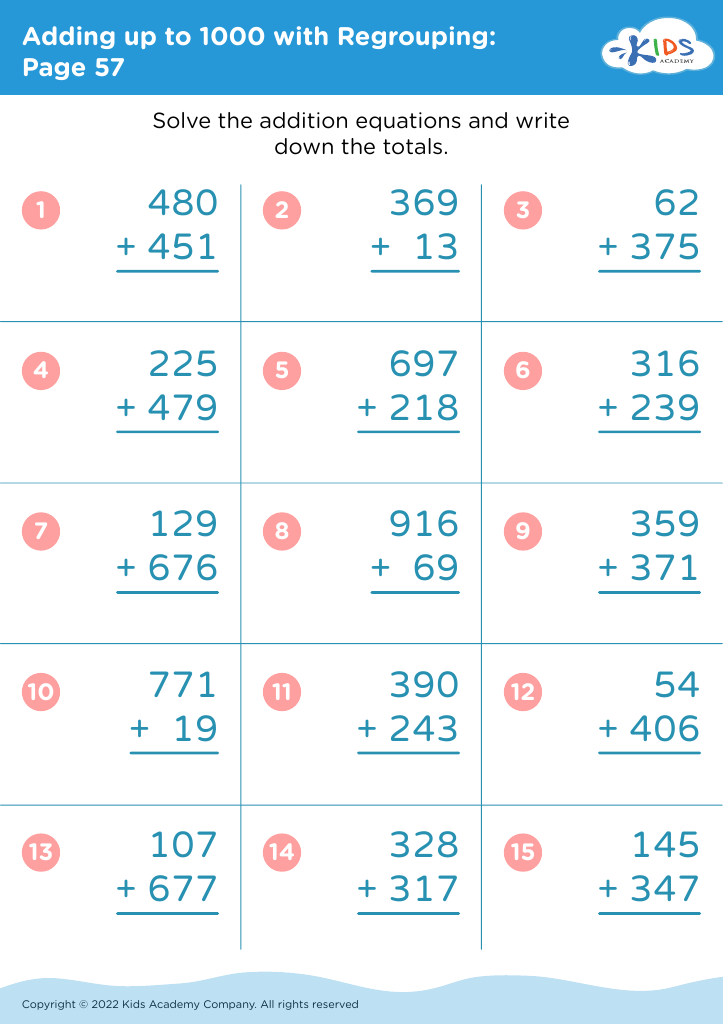
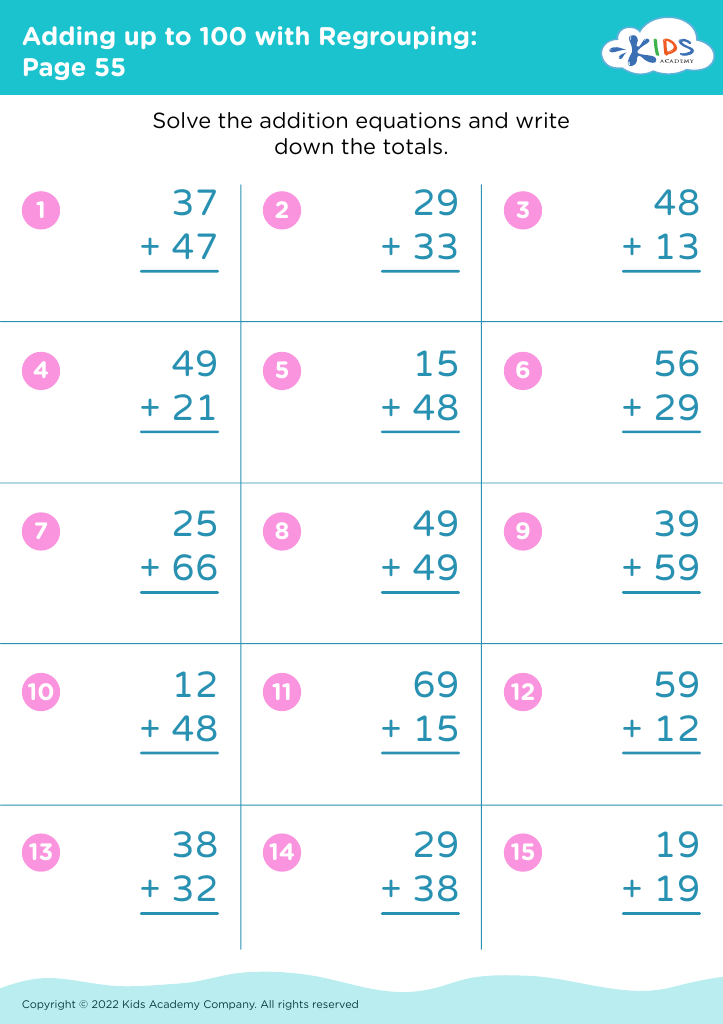
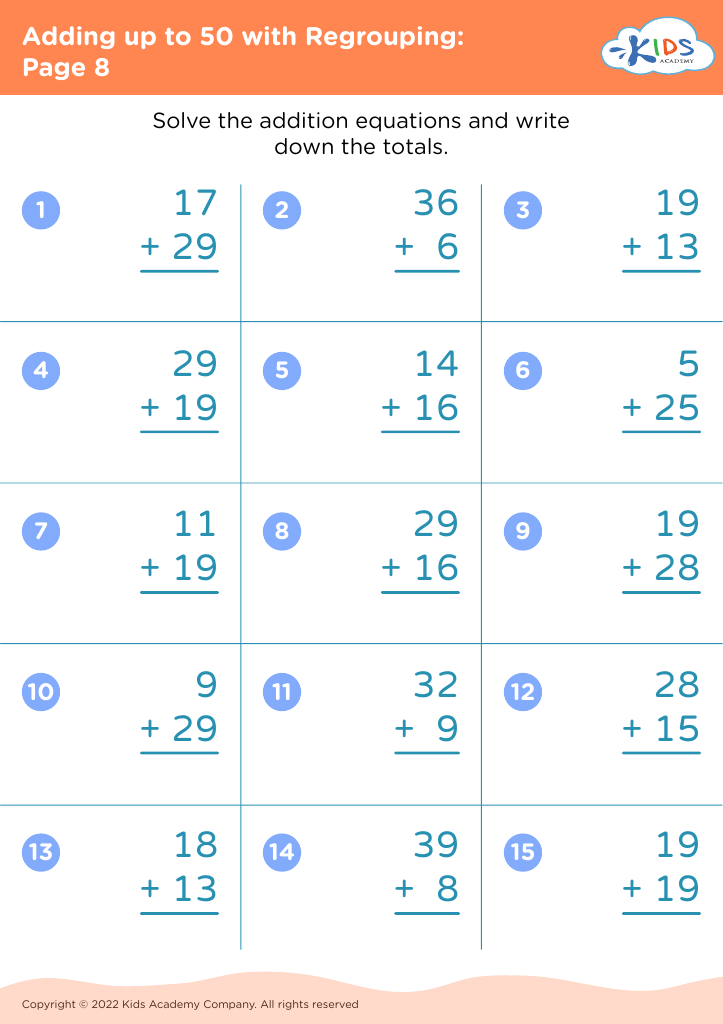
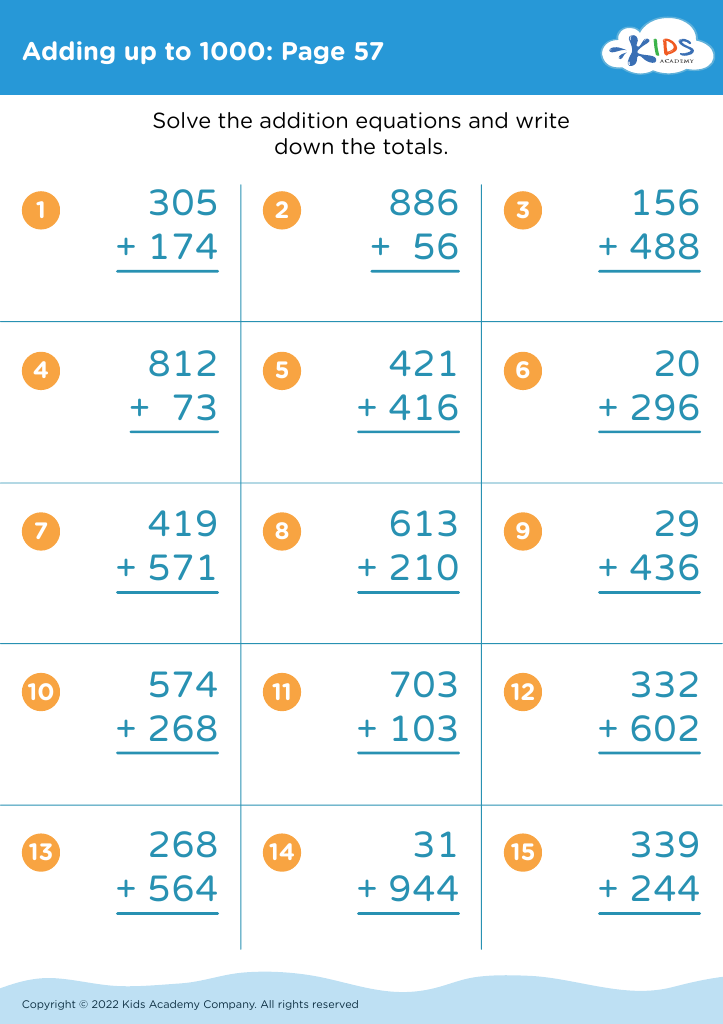
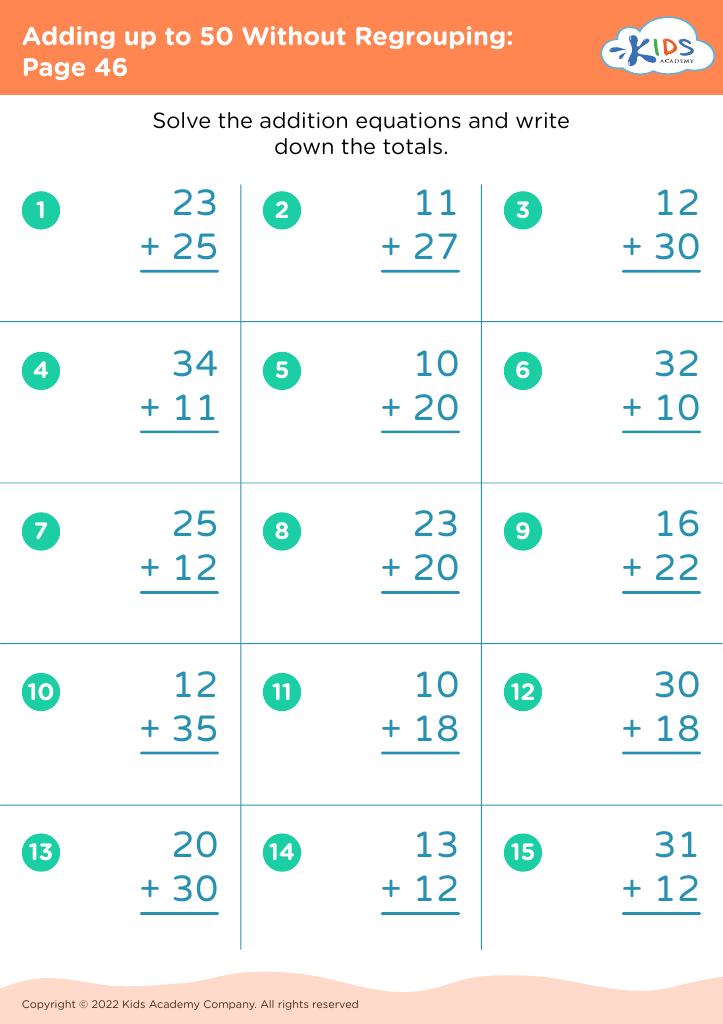
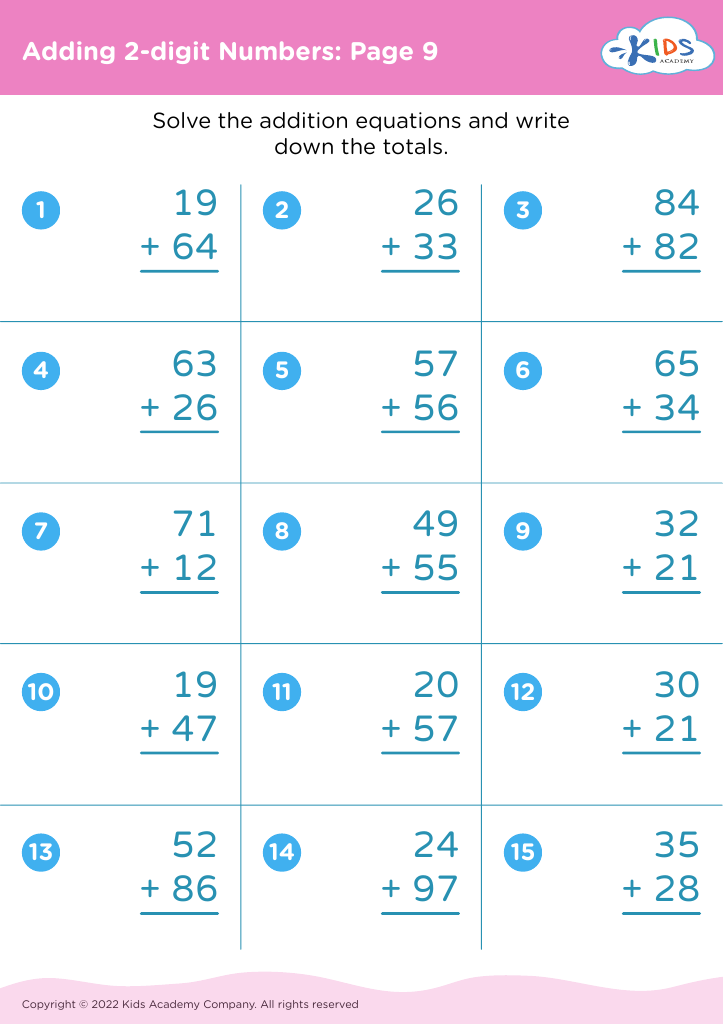
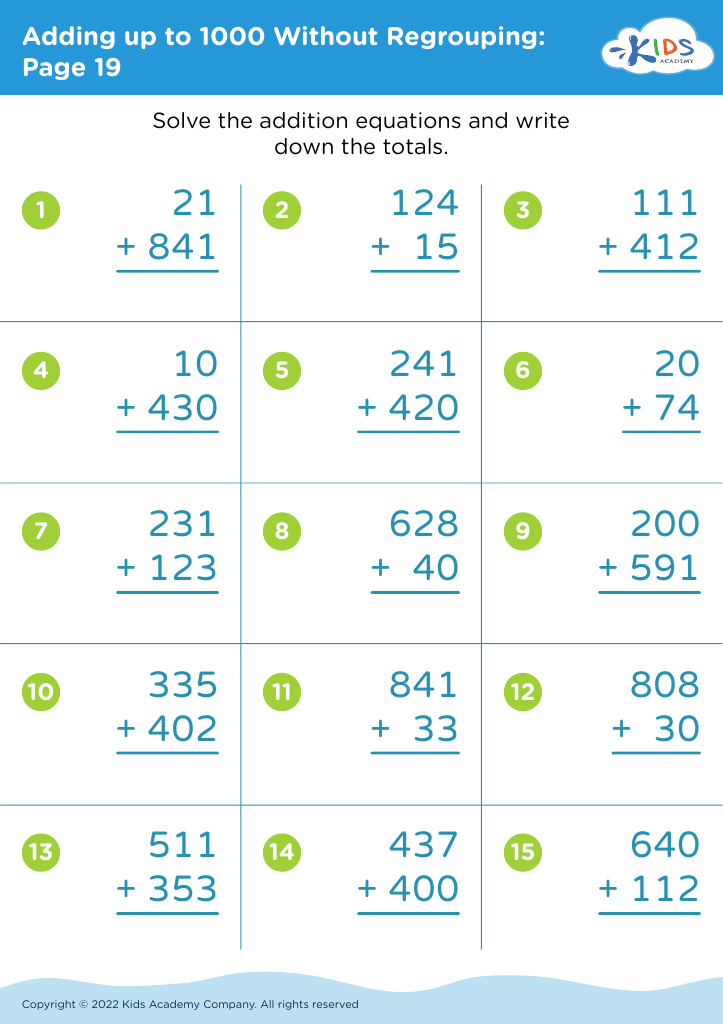
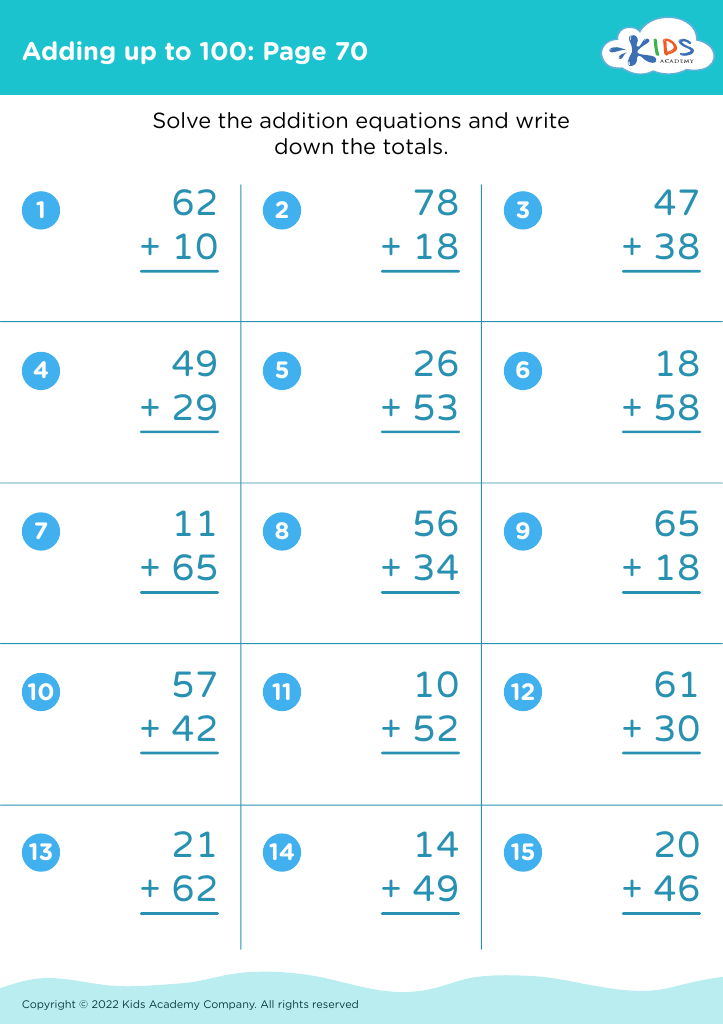
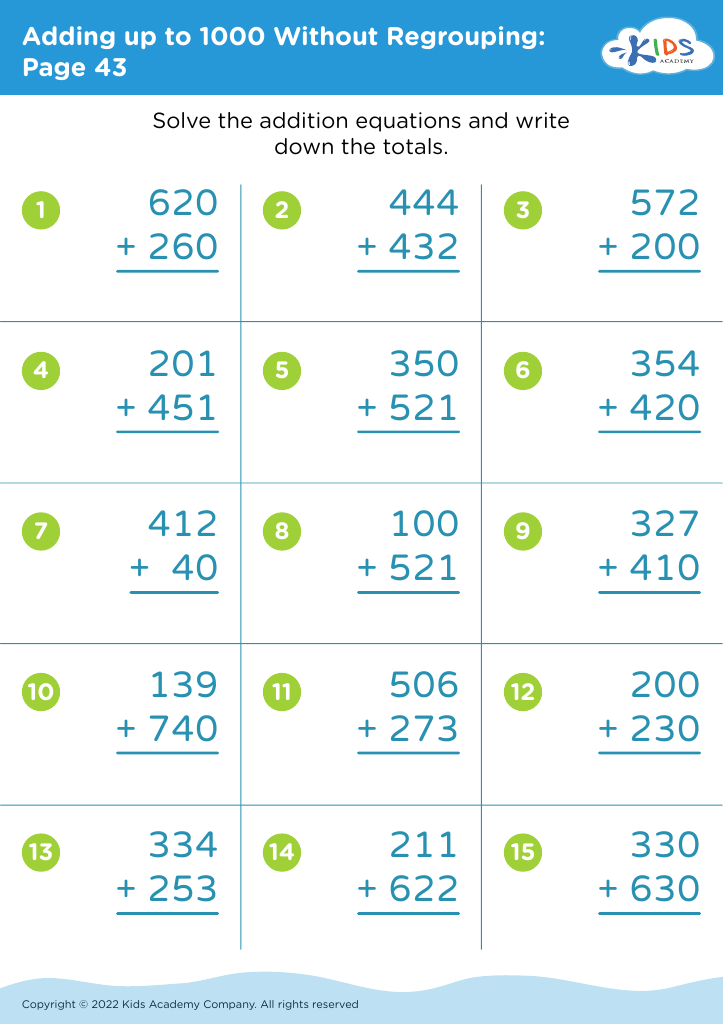
Discover our engaging Shape Identification Addition Worksheets, designed specifically for children aged 3-9! These printable resources blend shape recognition with fundamental math skills, helping young learners to identify shapes while practicing addition. Each worksheet offers a variety of colorful illustrations and interactive challenges that make learning fun and effective. Perfect for home or classroom use, these activities empower kids to enhance their math abilities while cultivating essential shape identification skills. Encourage a love for learning in your little ones as they develop a solid foundation in mathematics through our carefully crafted worksheets. Start exploring today and watch their confidence grow!
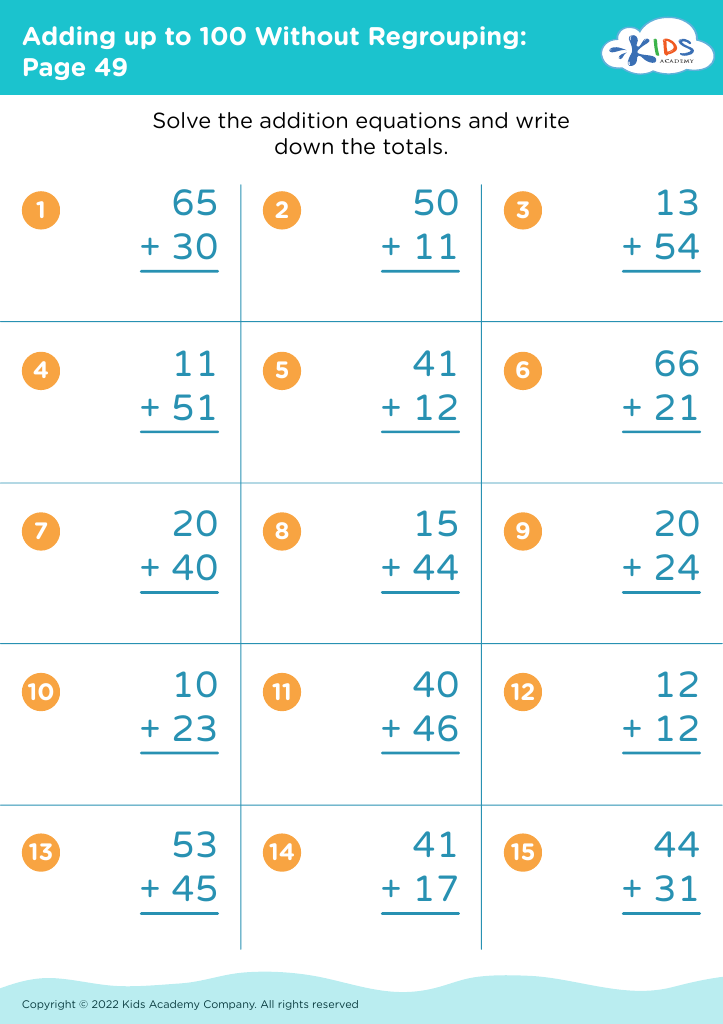
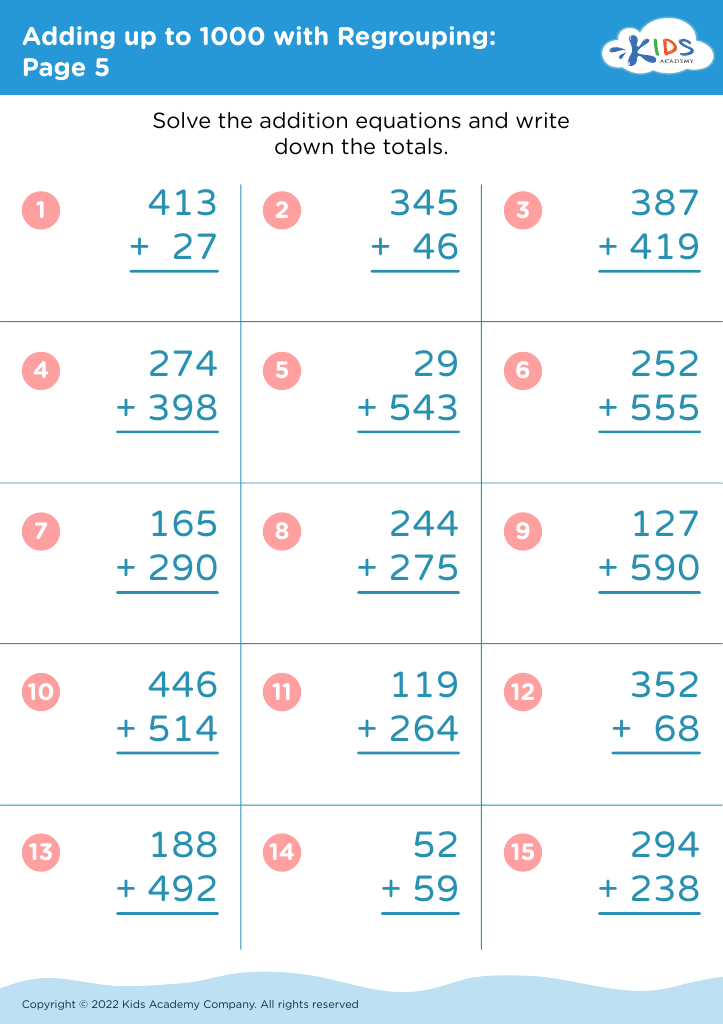
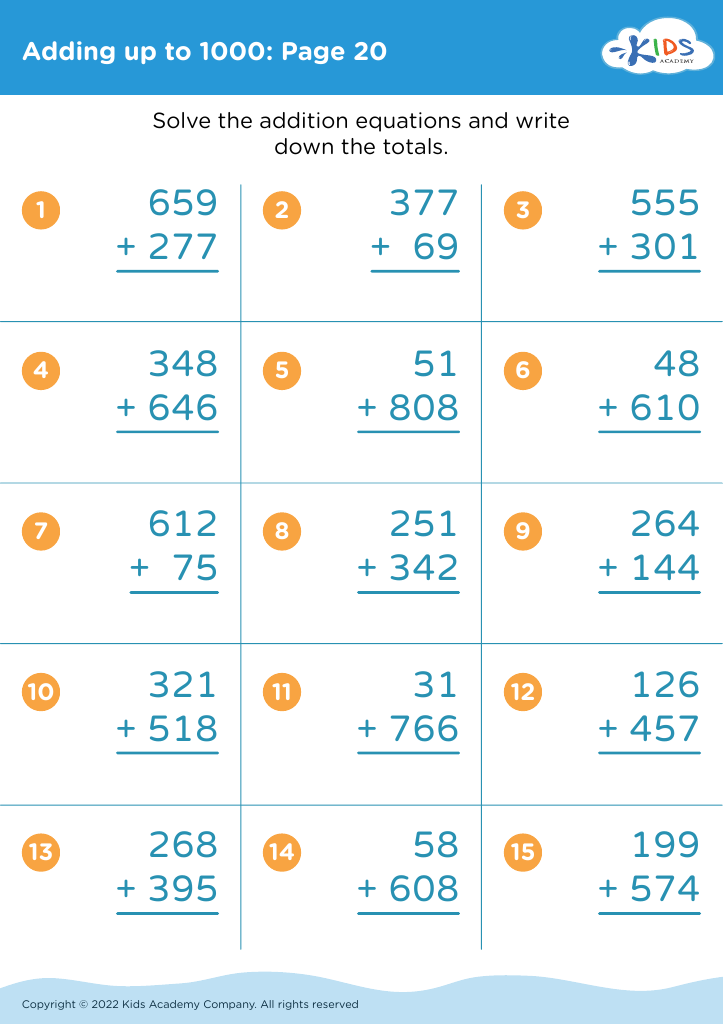
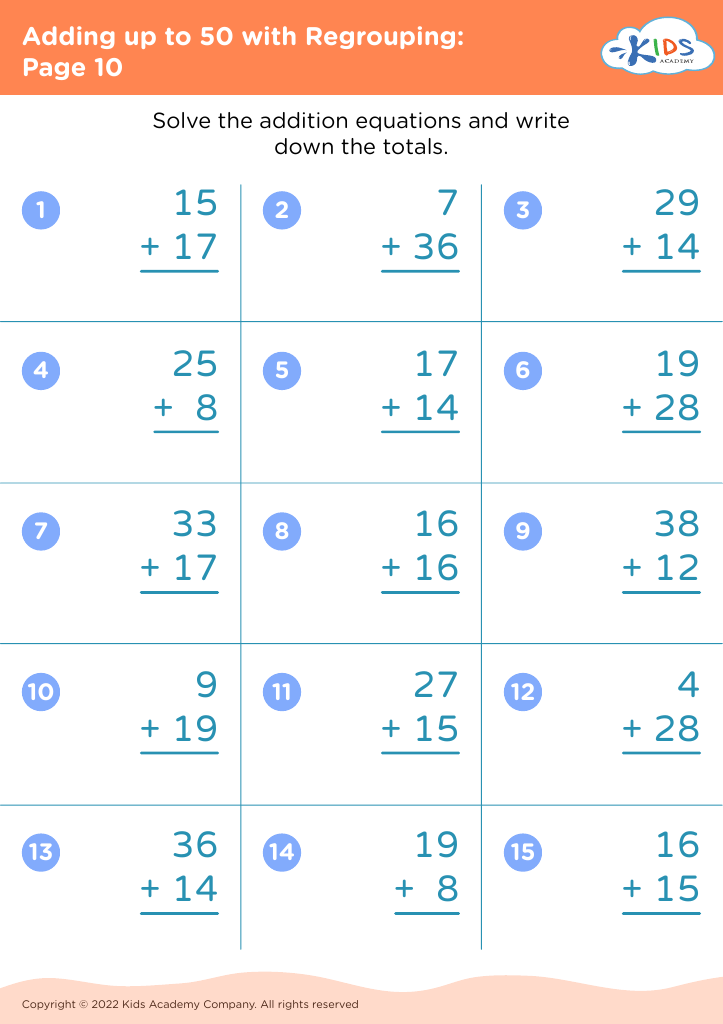







Shape identification and addition are fundamental skills that play a crucial role in a child’s cognitive development, particularly for ages 3-9. Understanding shapes not only helps with spatial awareness but also lays the groundwork for geometry and advanced math concepts later on. By identifying different shapes, children develop critical thinking and problem-solving skills, enhancing their ability to connect concepts across various subjects.
Addition proficiency, on the other hand, forms the backbone of mathematical competence. It equips children with the skills to analyze, compare, and understand numerical relationships. Early exposure to addition, coupled with shape identification, fosters a positive attitude towards math, easing potential anxiety surrounding the subject as they progress in their education.
Parents and teachers play an essential role in cultivating these skills through engaging activities. Simple games, artistic creations, and hands-on experiences with shapes and numerical puzzles keep young learners motivated and eager to explore further. Supporting children in these foundational areas not only builds essential skills but also instills confidence, encouraging a lifelong love for learning. Therefore, engaging in shape identification and addition activities should be a priority for caregivers in nurturing well-rounded, mathematically-inclined children.








