Color recognition Math Worksheets for Ages 3-9 - Page 2
36 filtered results
-
From - To
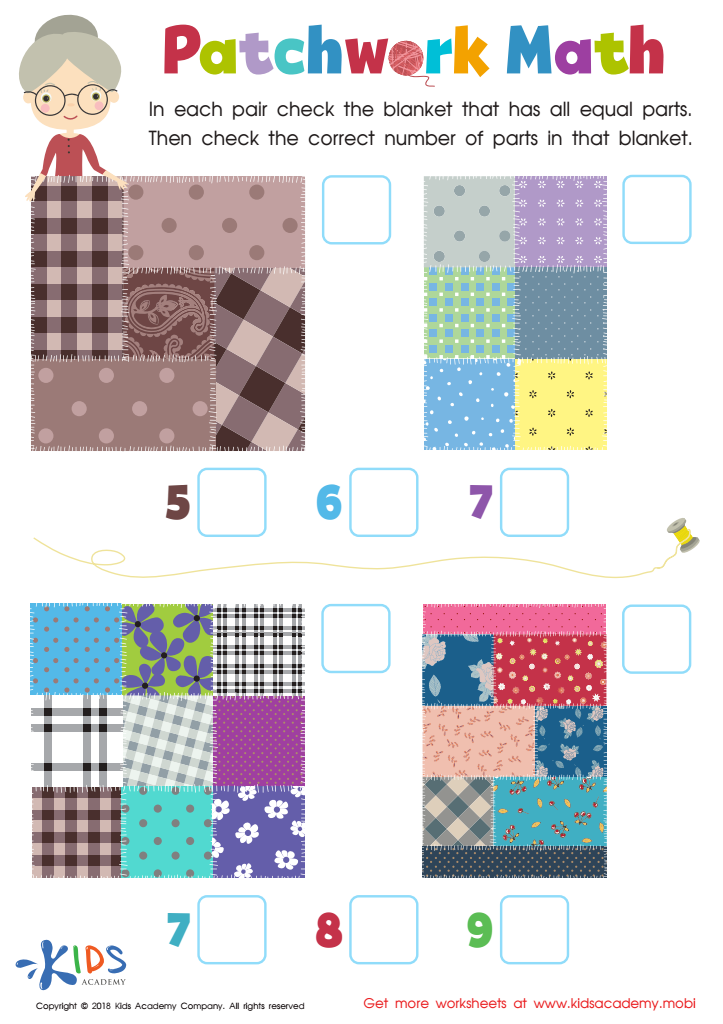
Patchwork Math Worksheet
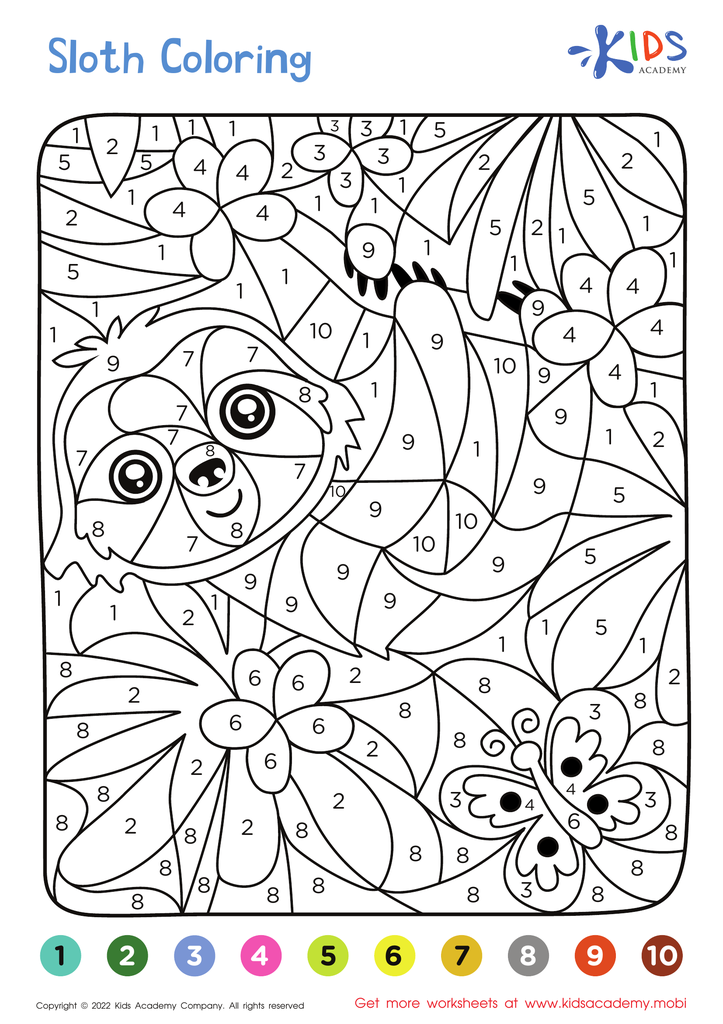
Sloth – Coloring by Numbers
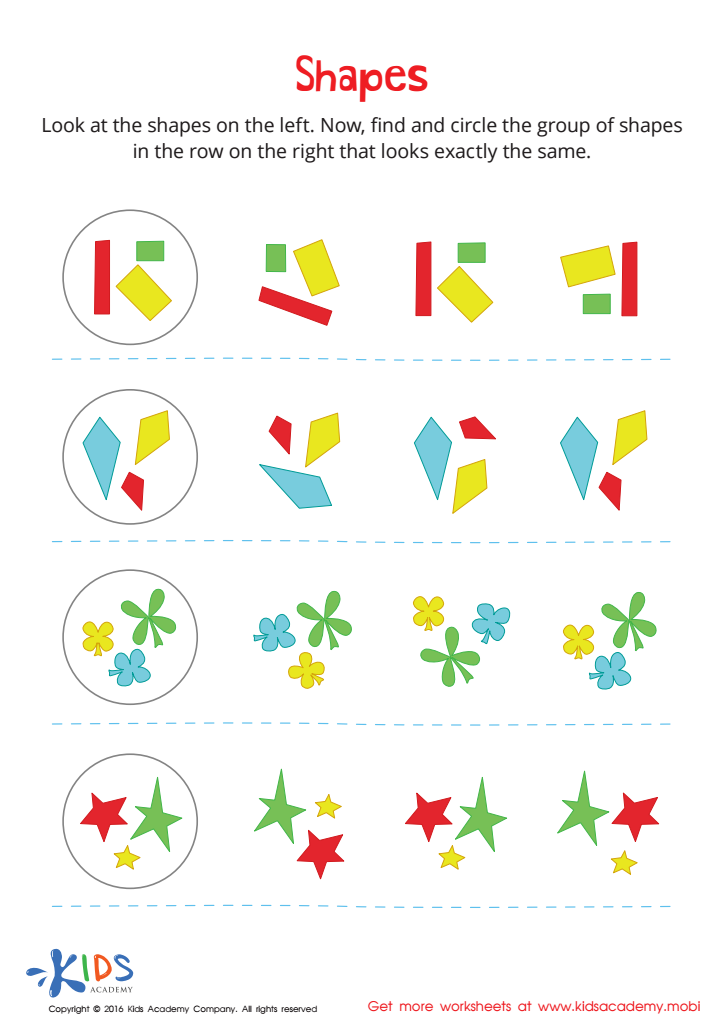
Shapes Worksheet
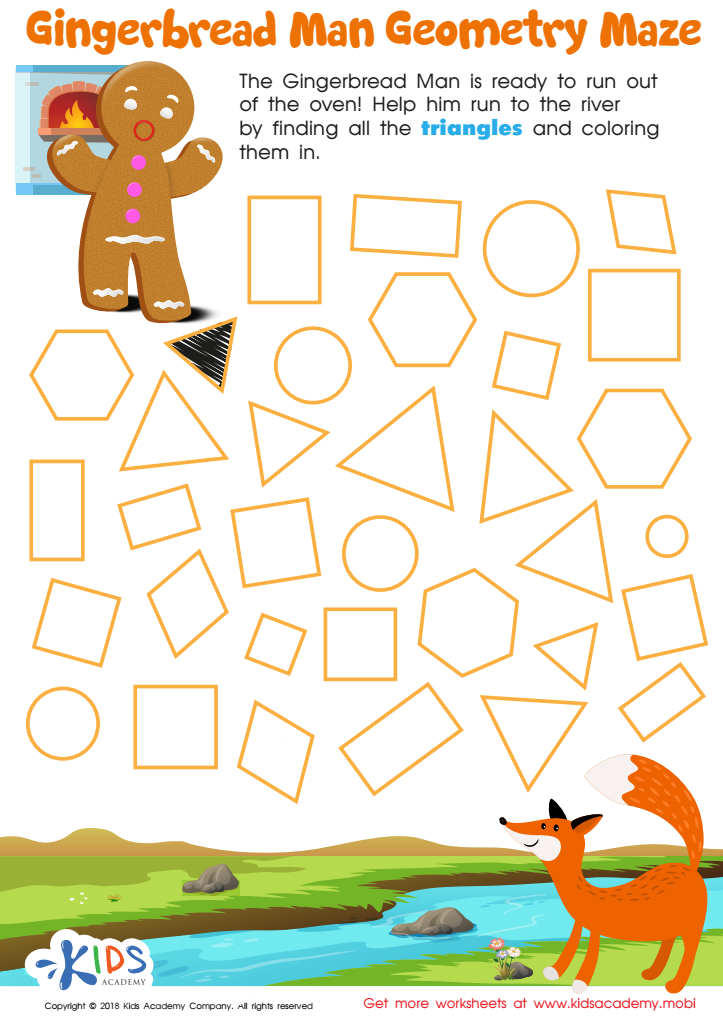
Gingerbread Man Geometry Maze Worksheet
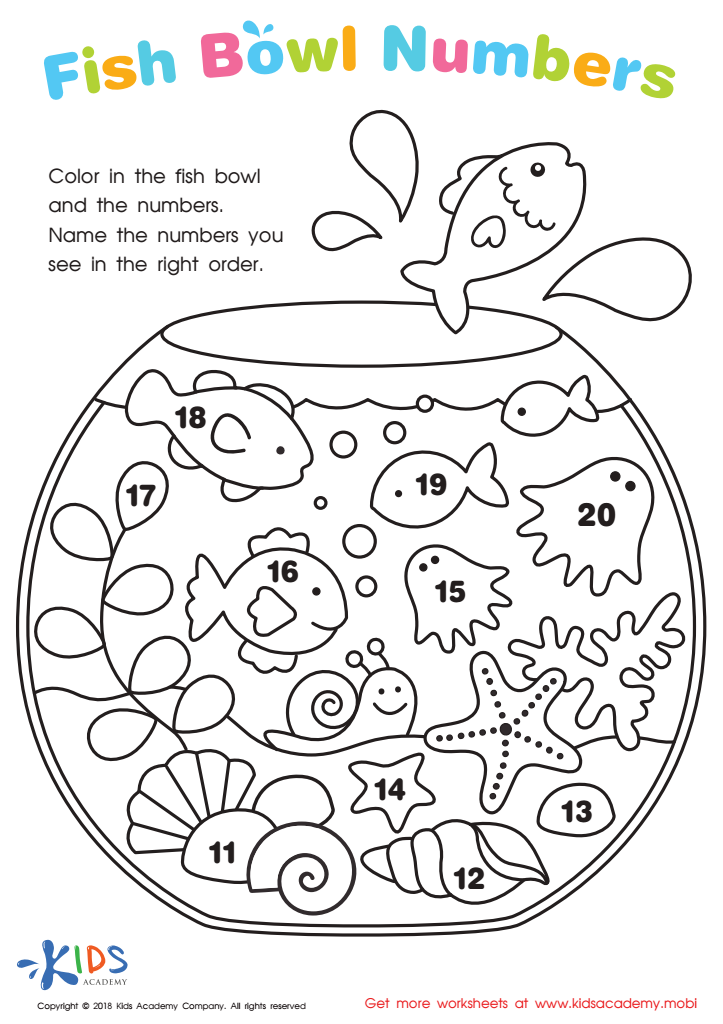
Fish Bowl Numbers Worksheet
 Assign to My Students
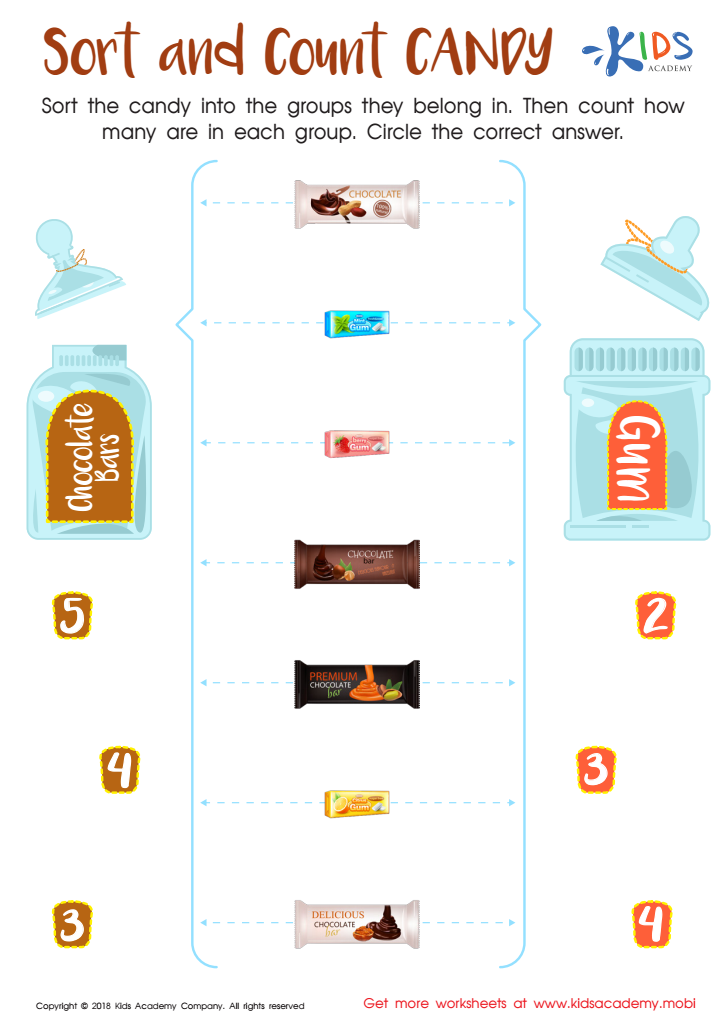
Sort and Count Candy Worksheet
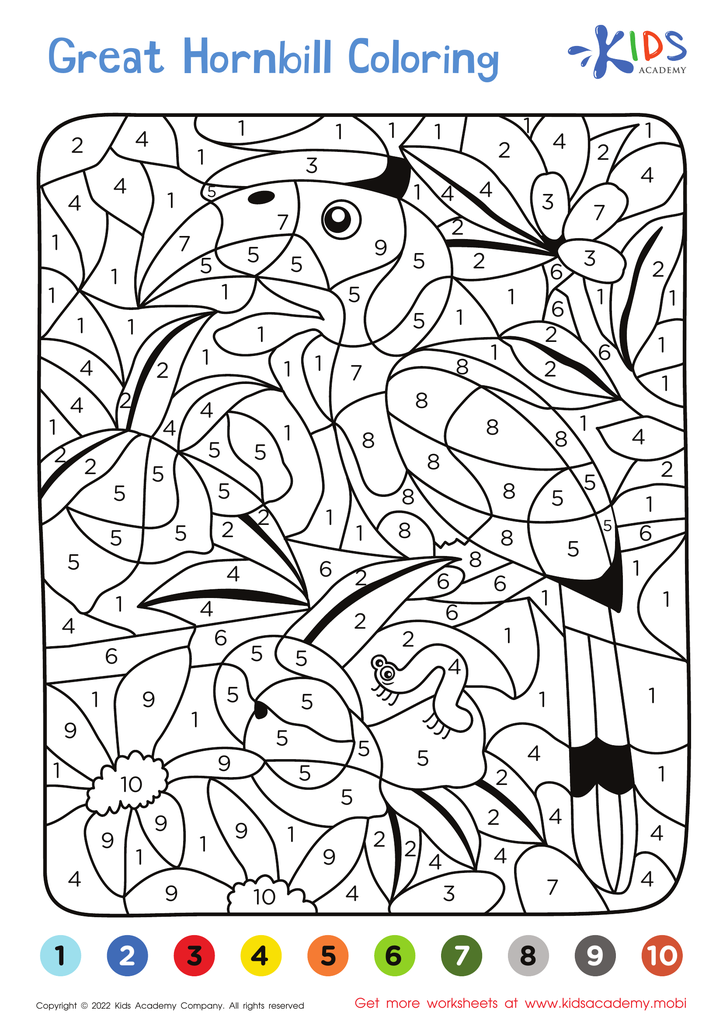
Great Hornbill – Coloring by Numbers
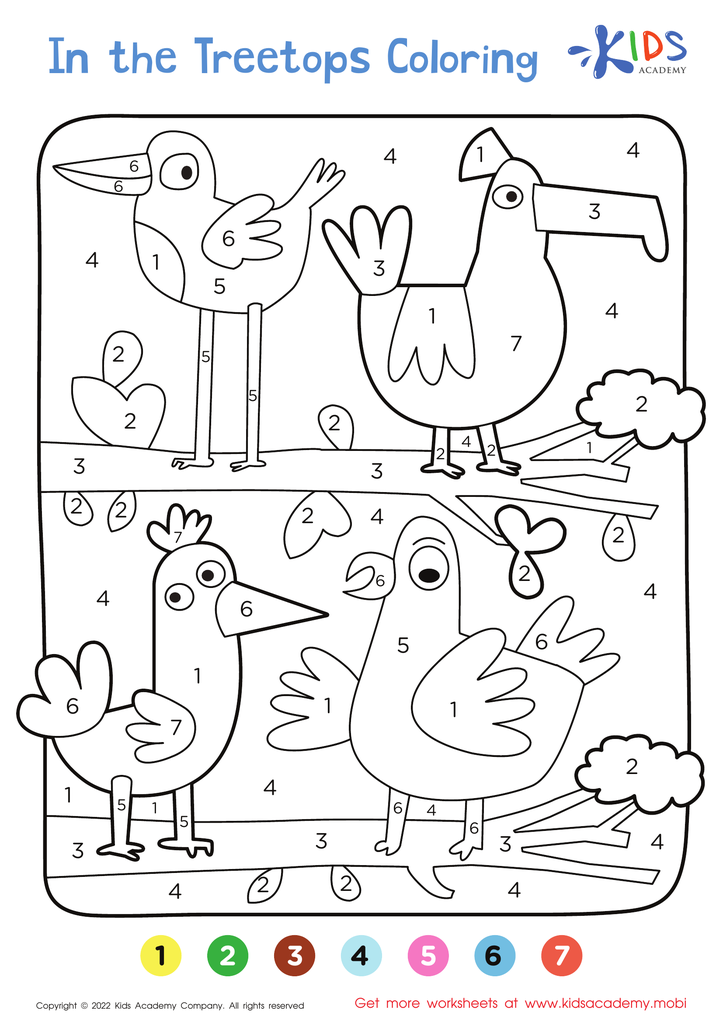
In the Treetops – Coloring Page
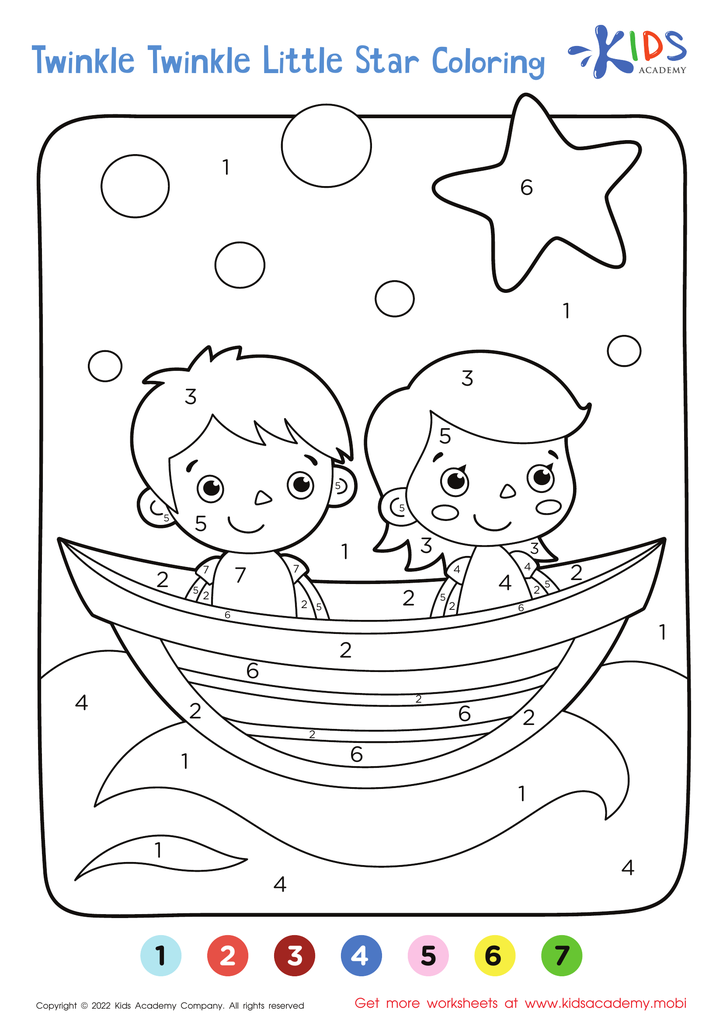
Twinkle, Twinkle, Little Star – Coloring by Numbers
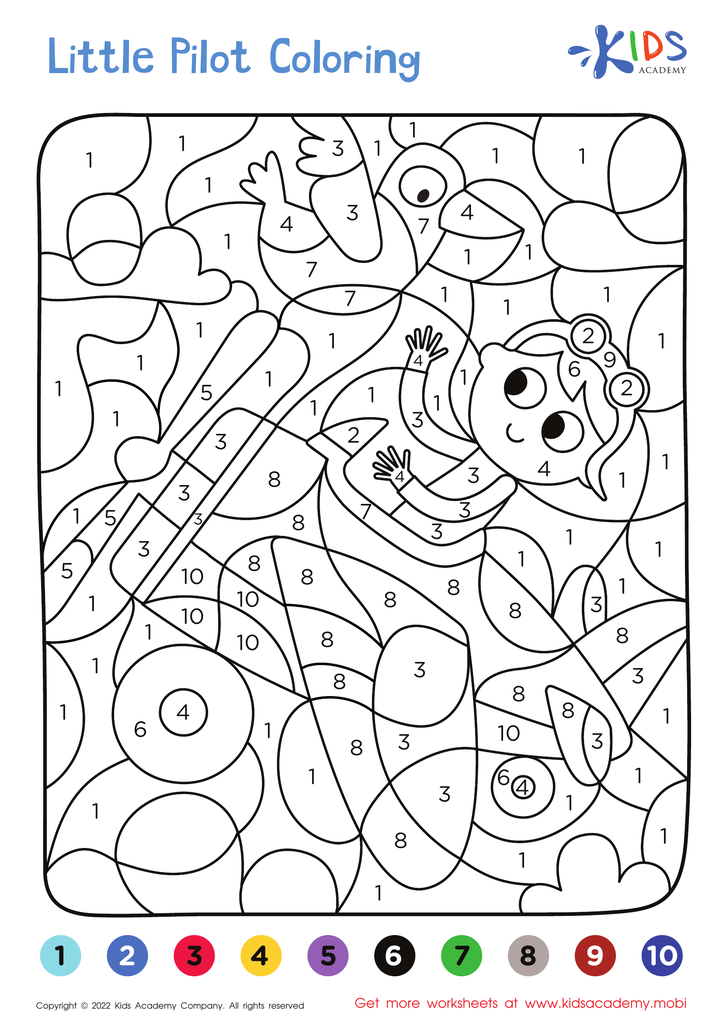
Little Pilot – Coloring by Numbers
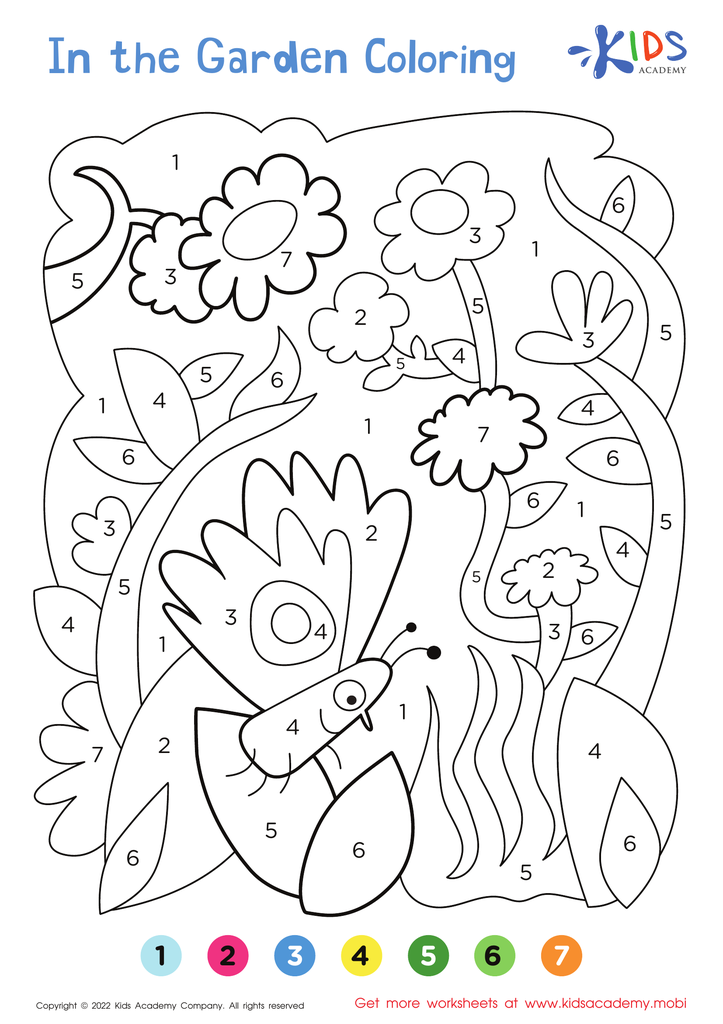
In the Garden – Coloring by Numbers
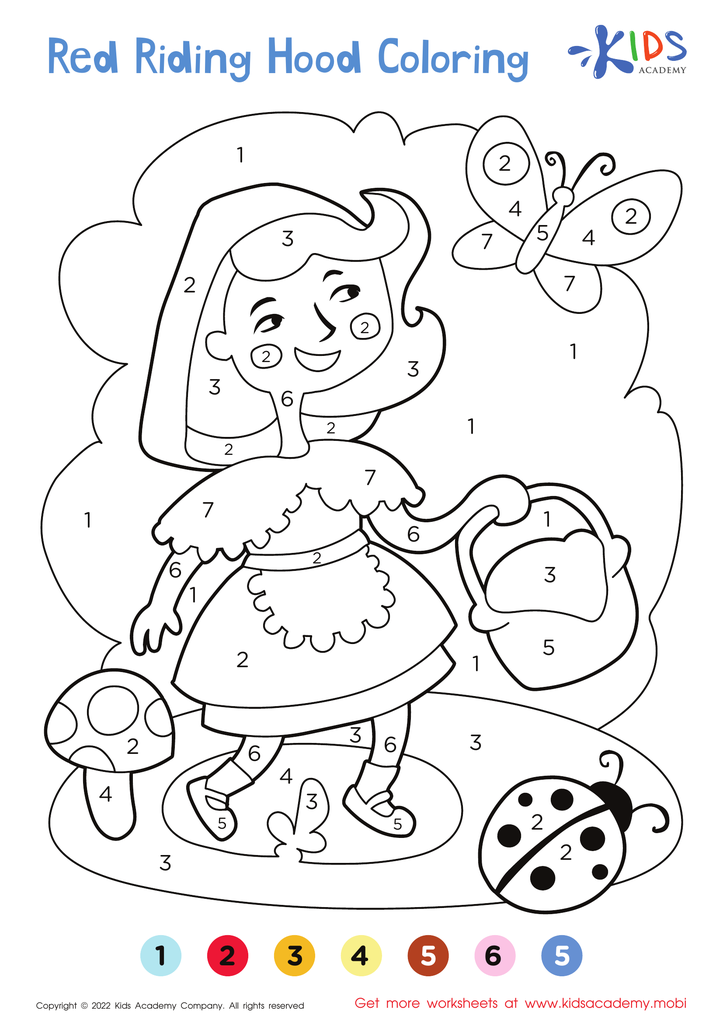
Little Red Riding Hood – Coloring by Numbers


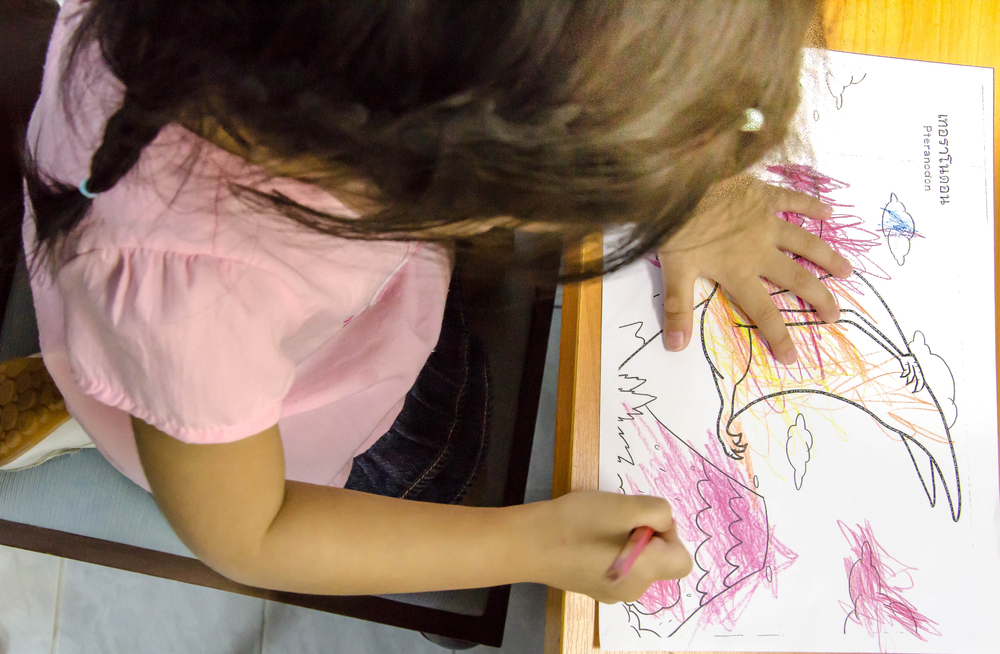





Color recognition is a fundamental aspect of early childhood education, playing a crucial role in developing cognitive and mathematical skills for children aged 3-9. By integrating color recognition with math concepts, parents and teachers can enhance a child’s ability to understand and categorize information. Recognizing colors helps children with patterning, sorting, and classification, essential skills in early math.
When children learn to identify and visualize colors, they begin to grasp more abstract math concepts, such as addition and subtraction, by associating numerical data with colorful objects. Activities that incorporate colors, like counting colored blocks or creating patterns with colored shapes, not only make math engaging but also cater to different learning styles, enhancing overall comprehension.
Furthermore, color recognition fosters critical thinking, as children learn to make connections between concepts. It supports language development by expanding vocabulary, as they learn the names of different colors and their uses in math. Ultimately, by prioritizing color recognition in math education, parents and teachers lay the groundwork for a child's future academic success, equipping them with essential skills and a love for learning that will carry into their educational journeys.








