Enhances number recognition Math Worksheets for Ages 3-9
5 filtered results
-
From - To
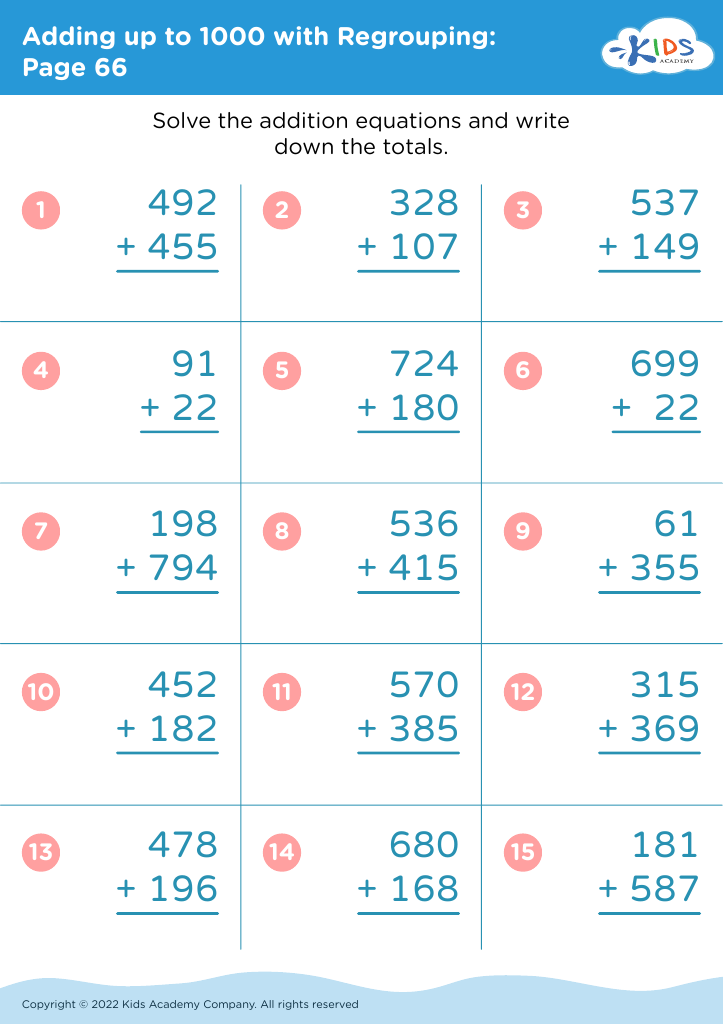
Enhance your child's number recognition skills with our engaging math worksheets designed specifically for ages 3-9. These fun and interactive activities encourage early learners to identify, compare, and understand numbers through colorful images and relatable themes. Our comprehensive collection includes tracing exercises, number games, and visual puzzles that make learning enjoyable and effective. Tailored to varying skill levels, these worksheets foster a solid foundation in mathematics while building confidence. Perfect for both classroom and home use, our resources ensure that your child develops essential number recognition skills in a playful and supportive environment. Start your math journey today!
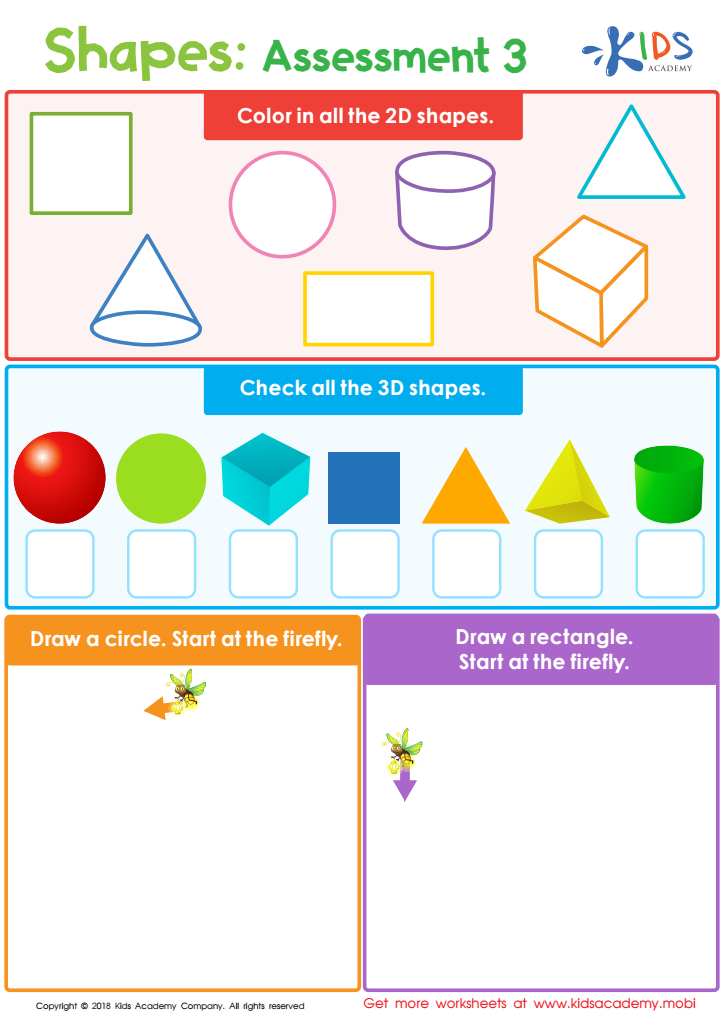
Shapes: Assessment 3 Worksheet
 Assign to My Students







Enhancing number recognition in children aged 3-9 is crucial not only for building a solid foundation in mathematics but also for fostering critical cognitive and emotional skills. Understanding numbers is fundamental for early mathematical concepts, such as counting, sorting, and basic arithmetic, which children will encounter throughout their education.
Early training in number recognition helps develop a child's confidence and interest in math, laying the groundwork for future learning. When children can recognize numbers effortlessly, they are more likely to engage in problem-solving and critical thinking tasks. Furthermore, number recognition supports other areas of learning, including language development and pattern recognition.
Parents and teachers play a vital role in supporting this development. By creating a rich numerical environment—through games, books, and everyday activities—they can make learning numbers enjoyable and effective. Consistent exposure at home and in school promotes retention and application of numerical concepts.
Moreover, early mastery of number recognition can help identify math learners’ strengths and challenges, offering timely intervention and support. Overall, enhancing number recognition is essential for nurturing confident, competent learners equipped for future challenges in mathematics and beyond.








