Enhancing creativity Math Worksheets for Ages 3-9
8 filtered results
-
From - To
Unlock your child's imagination with our "Enhancing Creativity Math Worksheets" for ages 3-9. Designed to blend mathematical concepts with creative expression, these engaging worksheets encourage young learners to explore numbers through art and innovative thinking. From fun puzzles to colorful designs, each activity nurtures problem-solving skills while sparking curiosity. Our resources provide a dynamic approach to learning, making math enjoyable and approachable. Perfect for home or classroom use, these worksheets keep kids motivated as they develop essential math skills alongside their creativity. Help your child thrive by fostering a love for both math and imagination with our thoughtfully crafted activities!
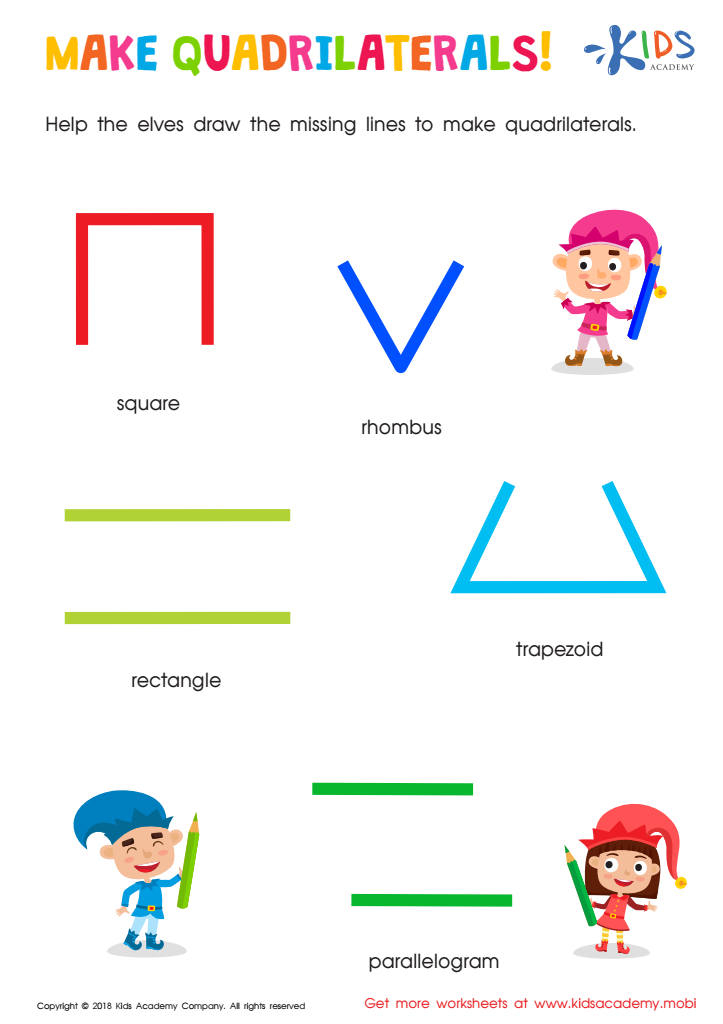
Make Quadrilaterals Worksheet
 Assign to My Students
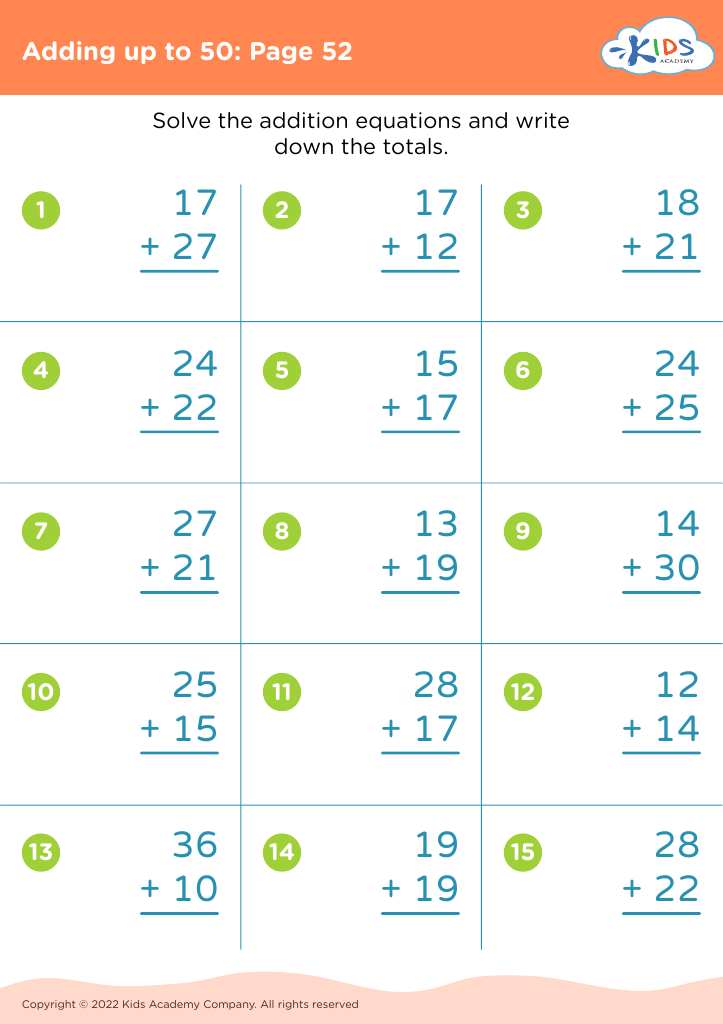
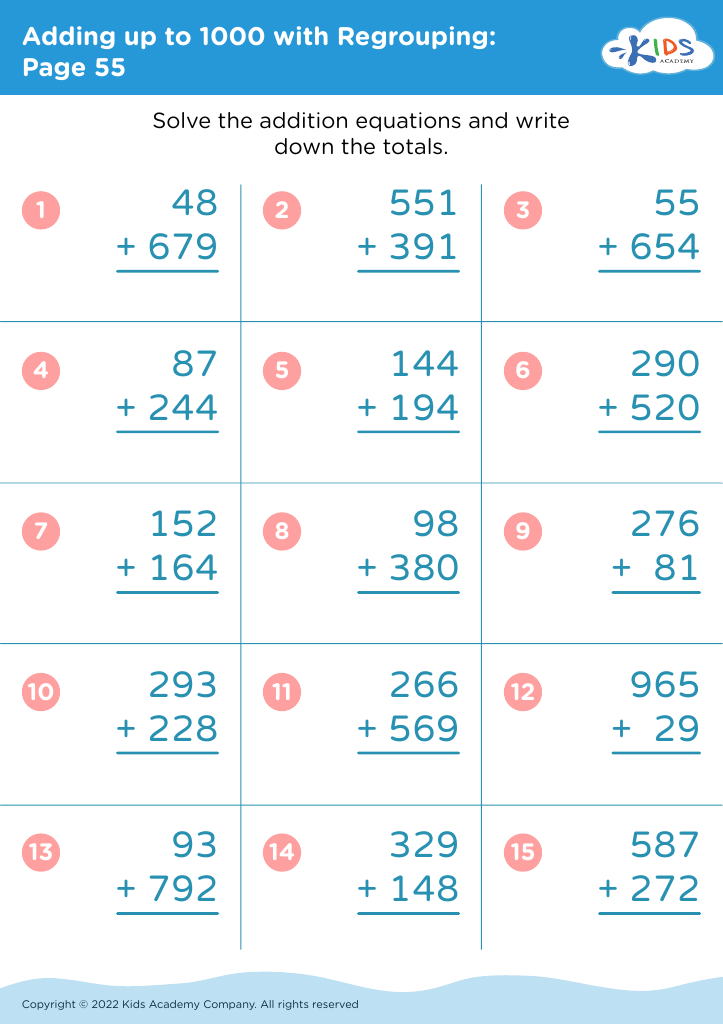
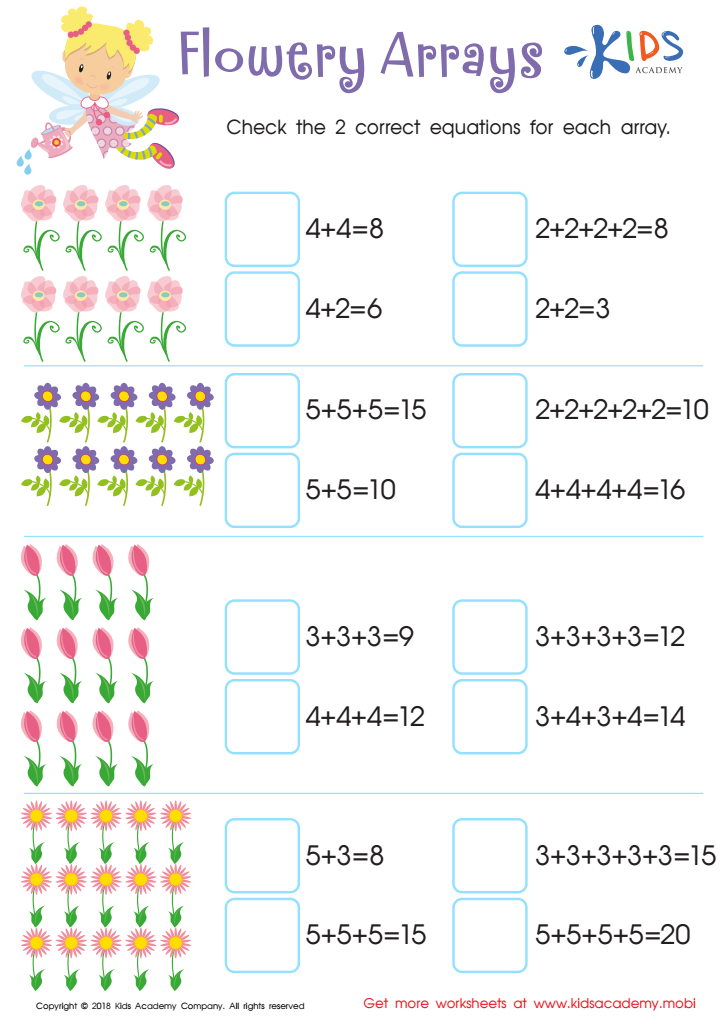
Flowery Arrays Worksheet
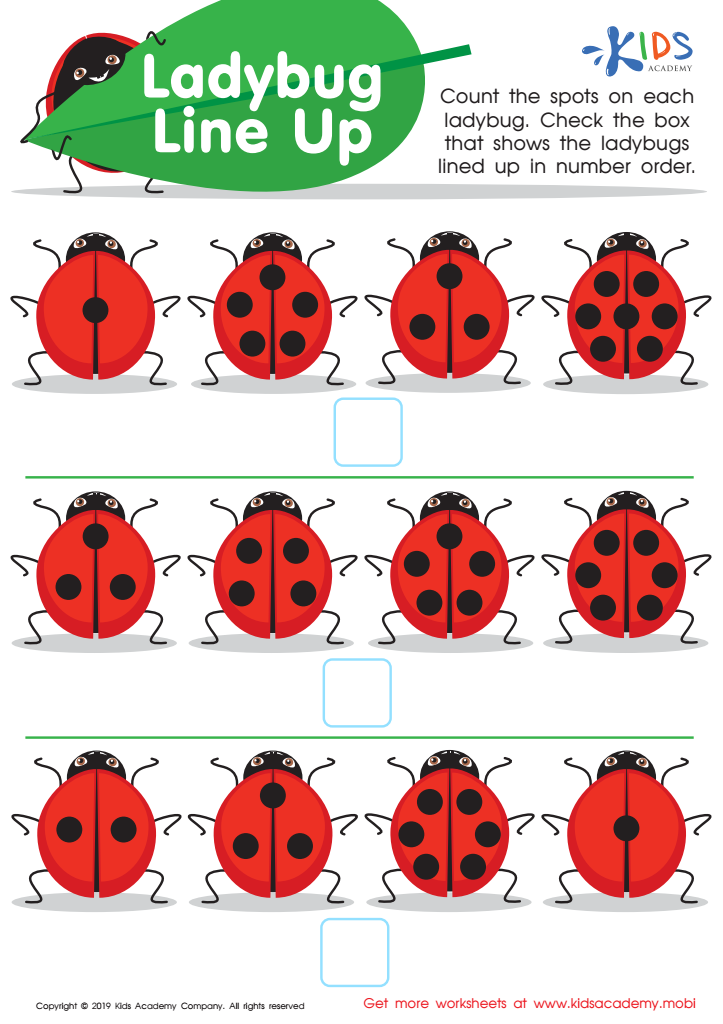
Ladybug Line Up Worksheet
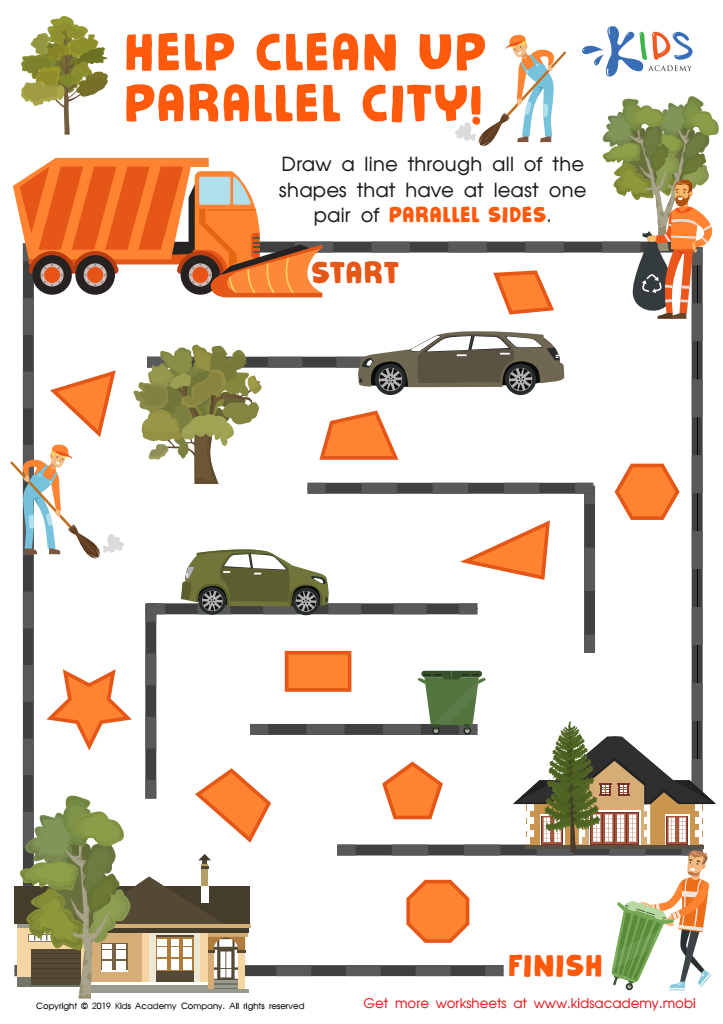
Help Clean Up Parallel City Worksheet





.jpg)

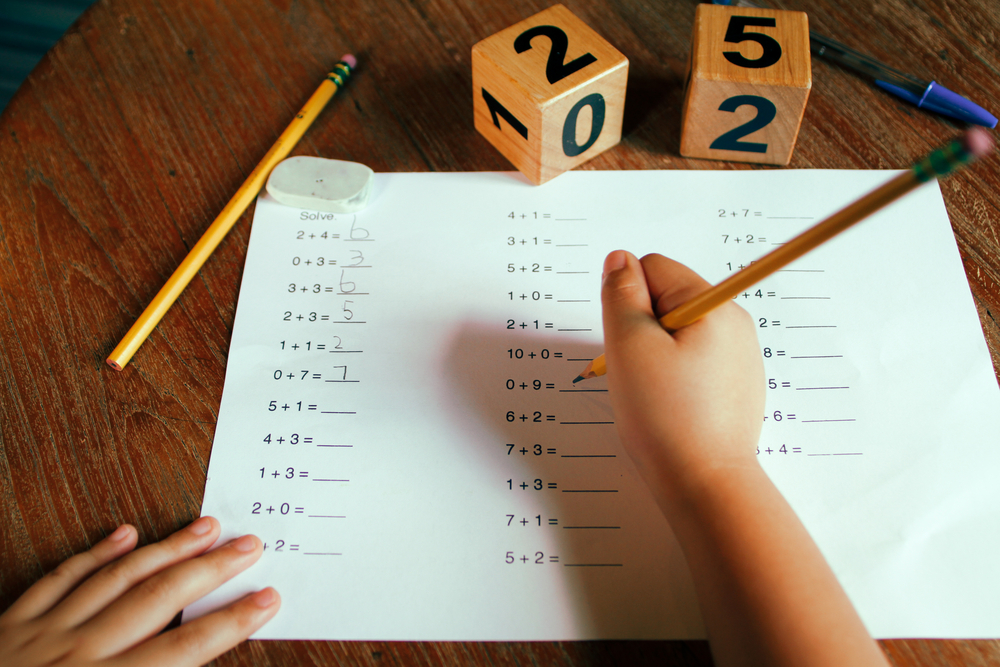
Enhancing creativity in mathematics for children ages 3-9 is crucial as it lays a strong foundation for both cognitive and emotional development. During these formative years, children's brains are highly impressionable, making it an ideal time to nurture creative problem-solving skills. When parents and teachers foster a creative approach to math, they encourage exploration, experimentation, and an innate love for learning.
Creativity in math helps students visualize concepts, think critically, and connect ideas, leading to better comprehension and retention. For instance, engaging students through games, storytelling, and hands-on activities not only makes math enjoyable but also allows them to identify patterns and relationships in real-world contexts.
Moreover, a creative approach reduces math anxiety and builds confidence. By allowing children to express themselves and explore various solutions, they develop resilience and adaptability. Parents and teachers who emphasize creative math also help equip children with essential skills for future success, whether academically or in everyday problem-solving scenarios. Thus, fostering creativity in math enriches children’s educational experiences, promotes cognitive development, and instills lifelong positive attitudes towards learning.








