Fine motor skills (writing) Math Worksheets for Ages 3-9 - Page 2
43 filtered results
-
From - To
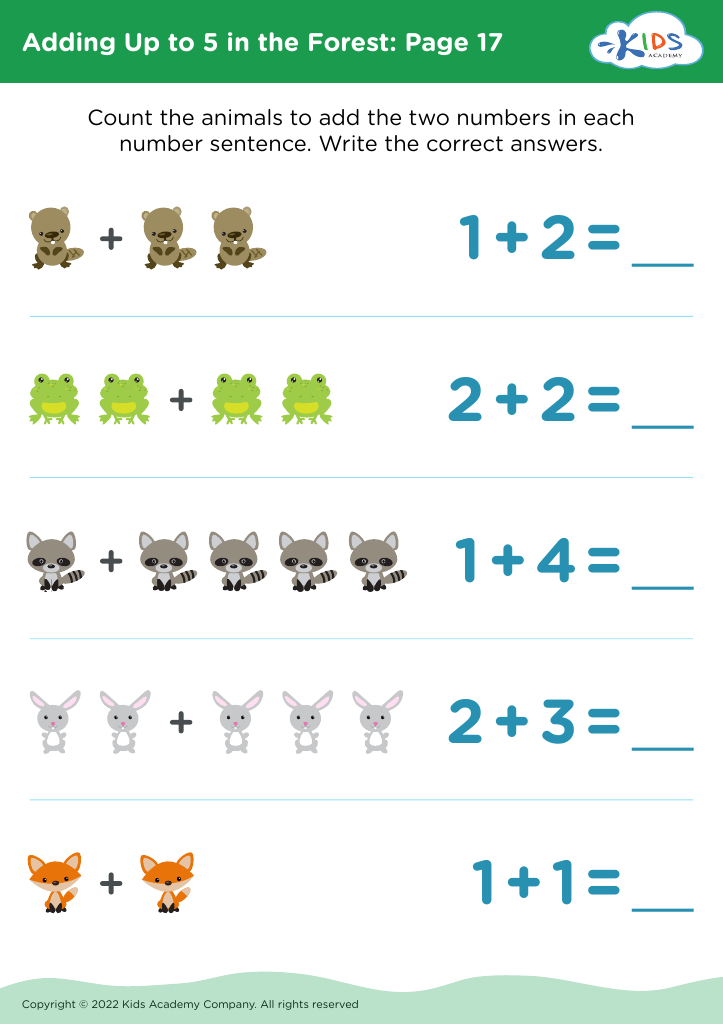
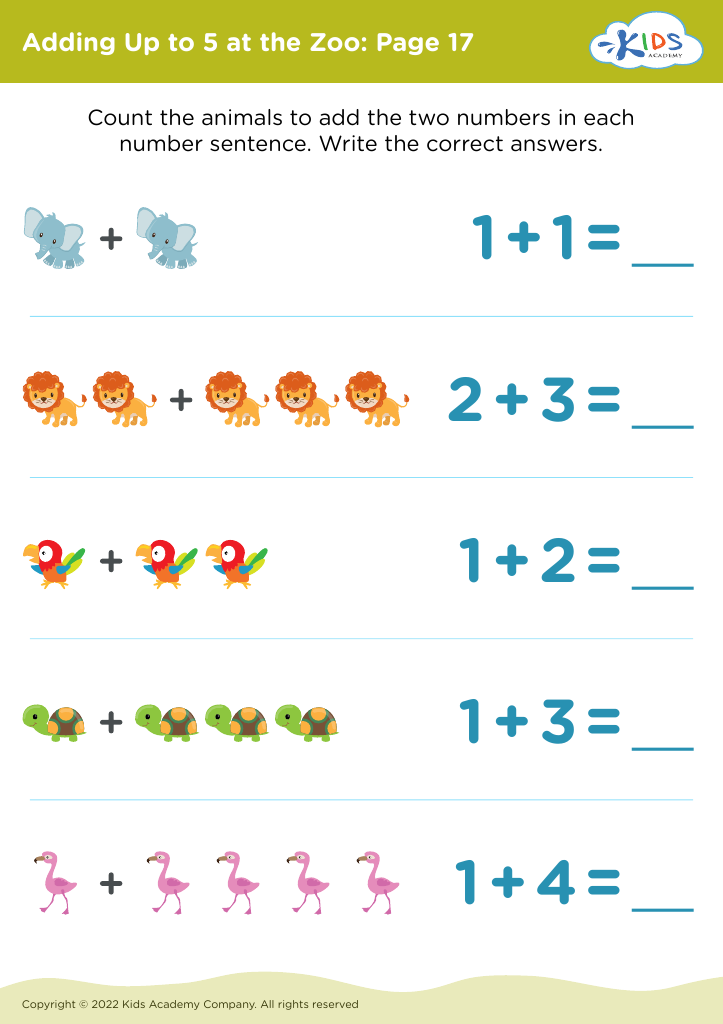
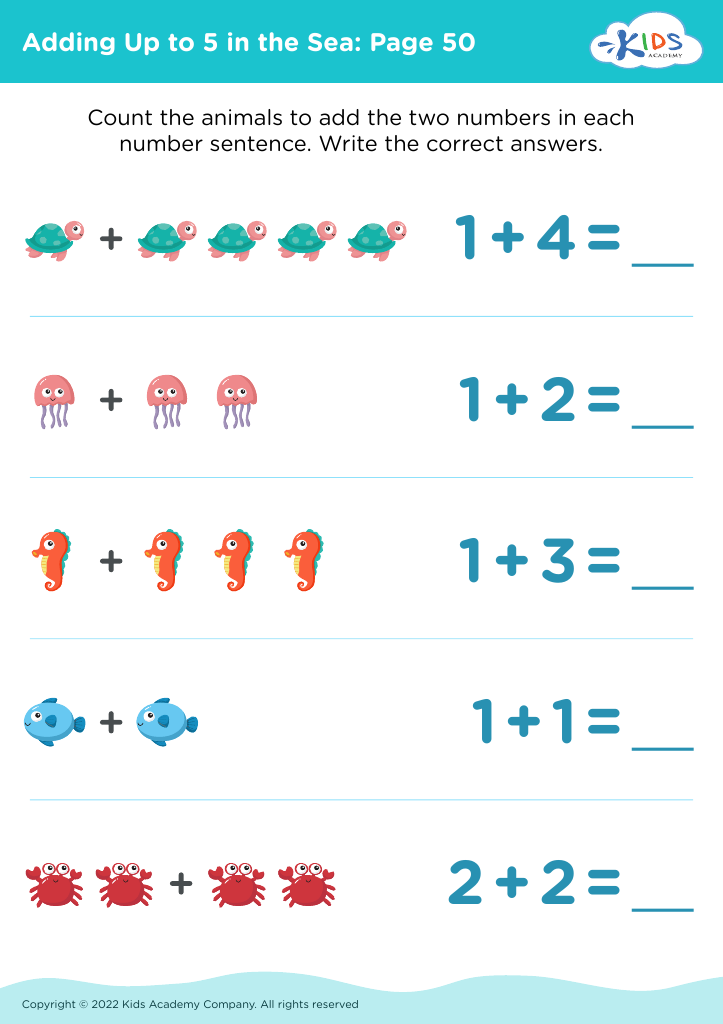
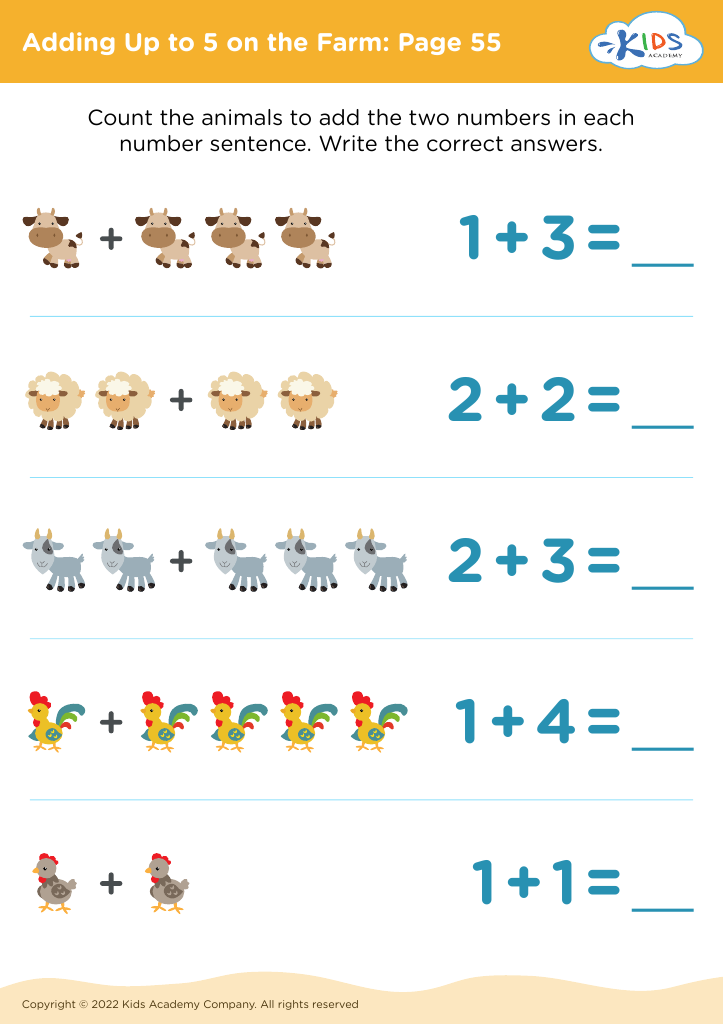
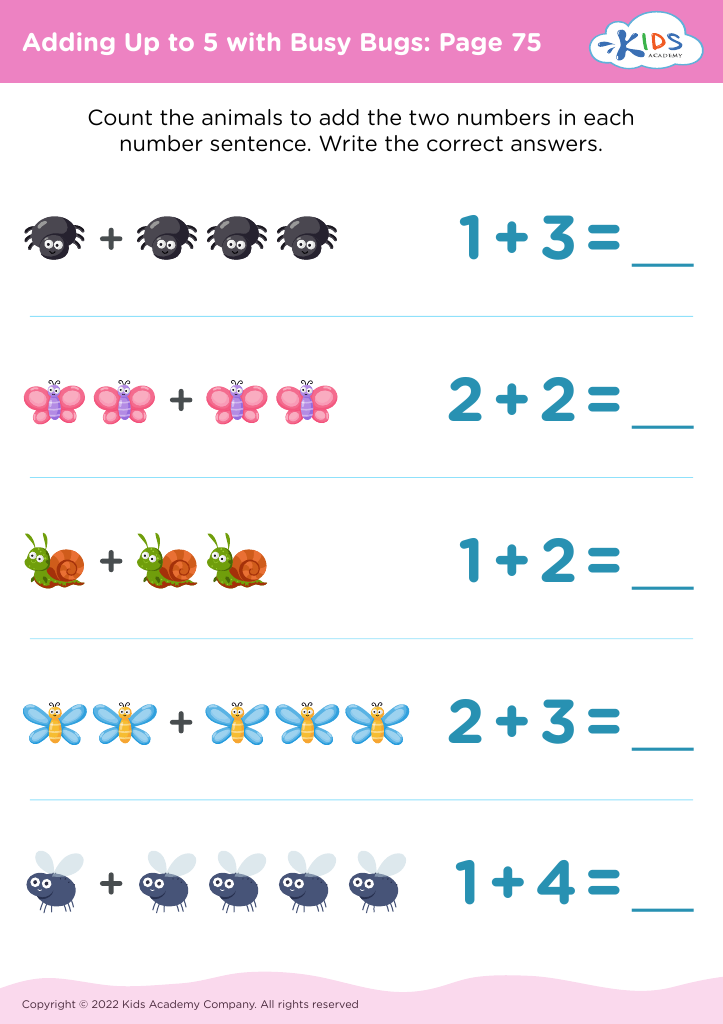
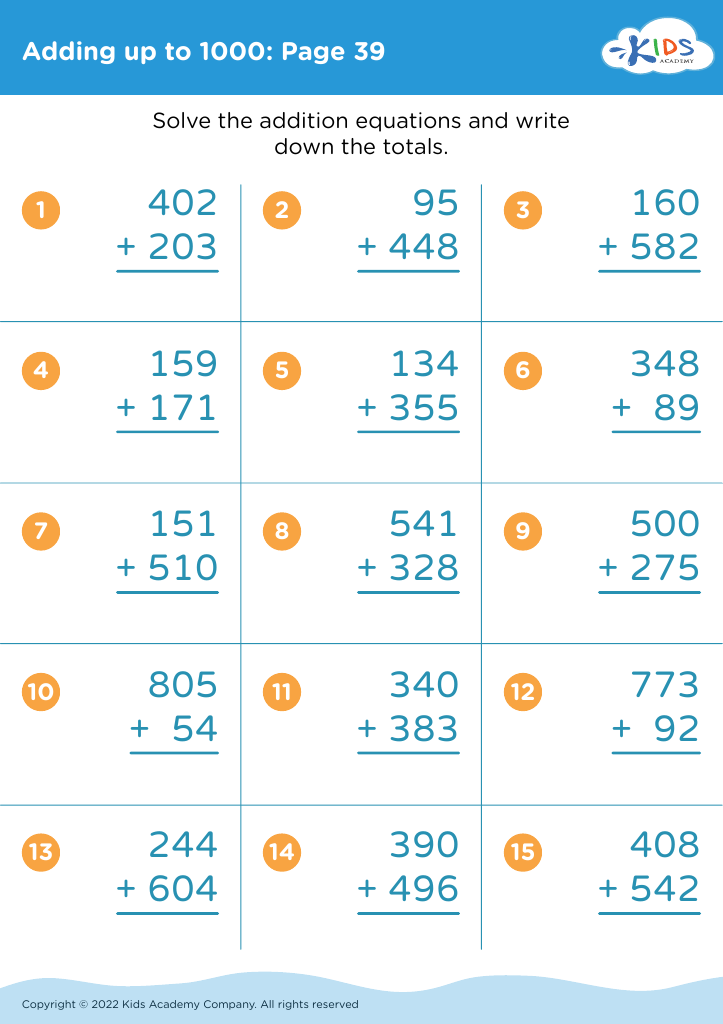
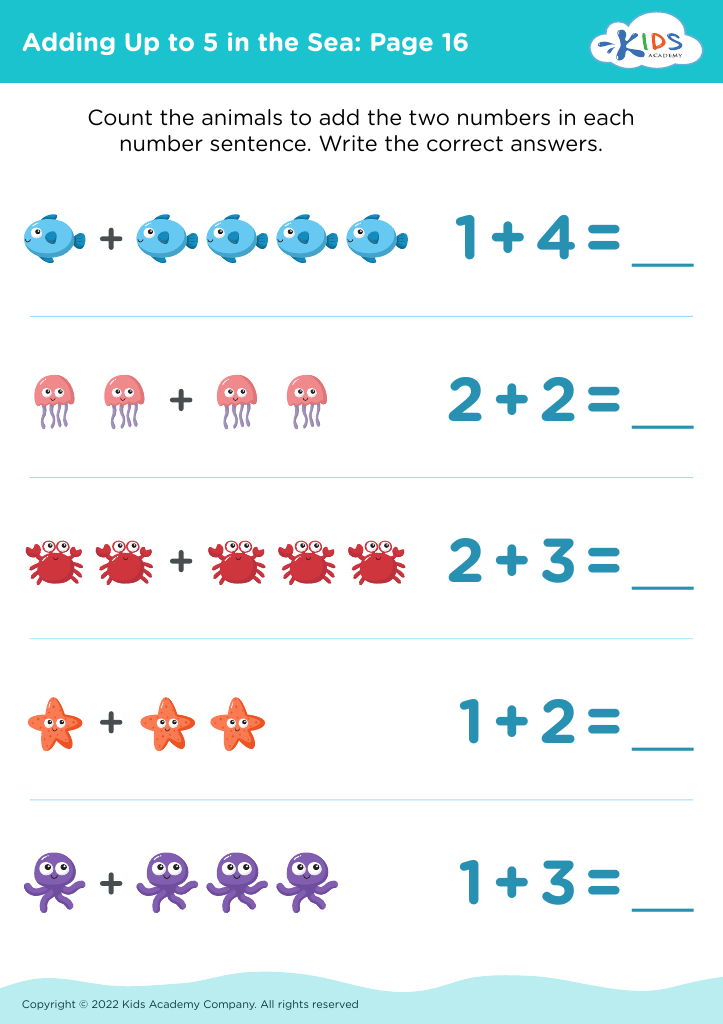
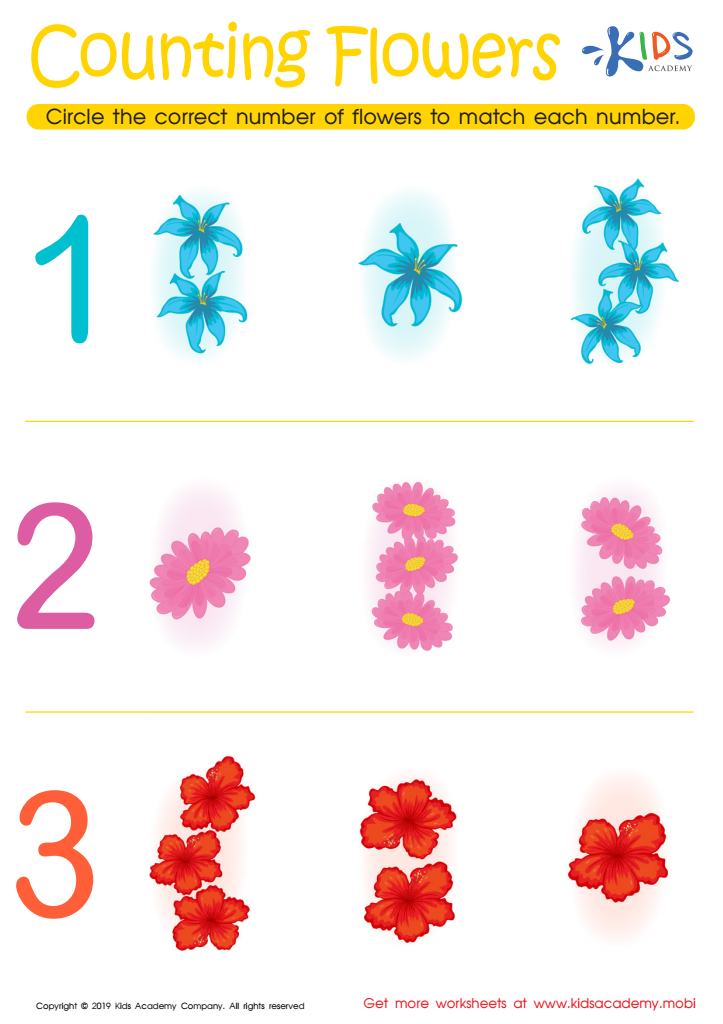
Counting Flowers Worksheet
 Assign to My Students
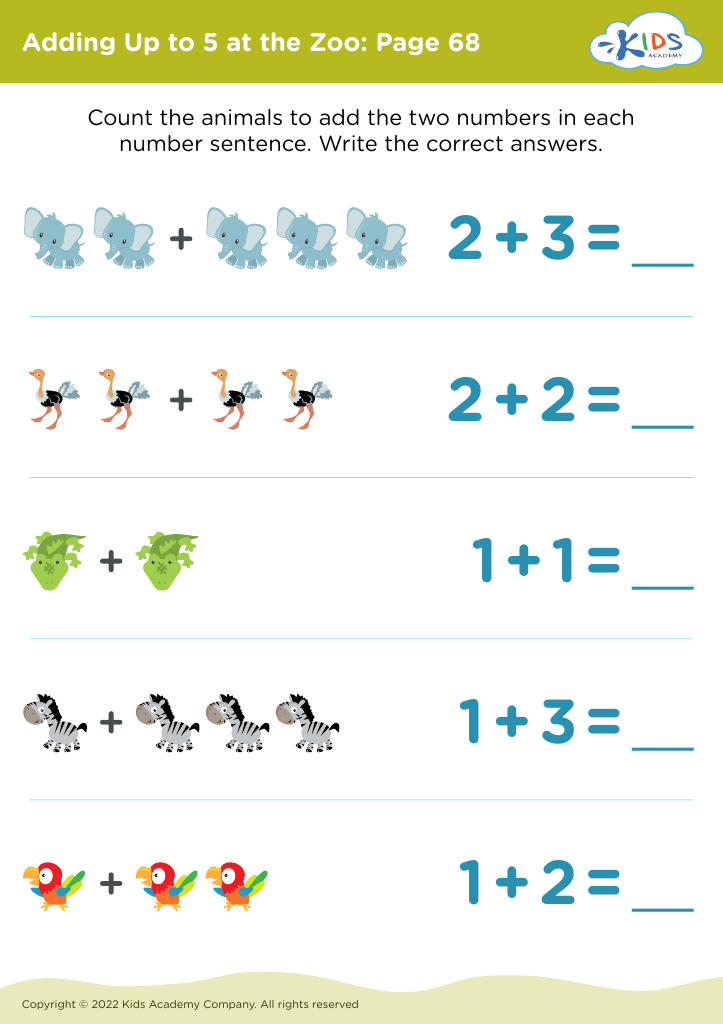
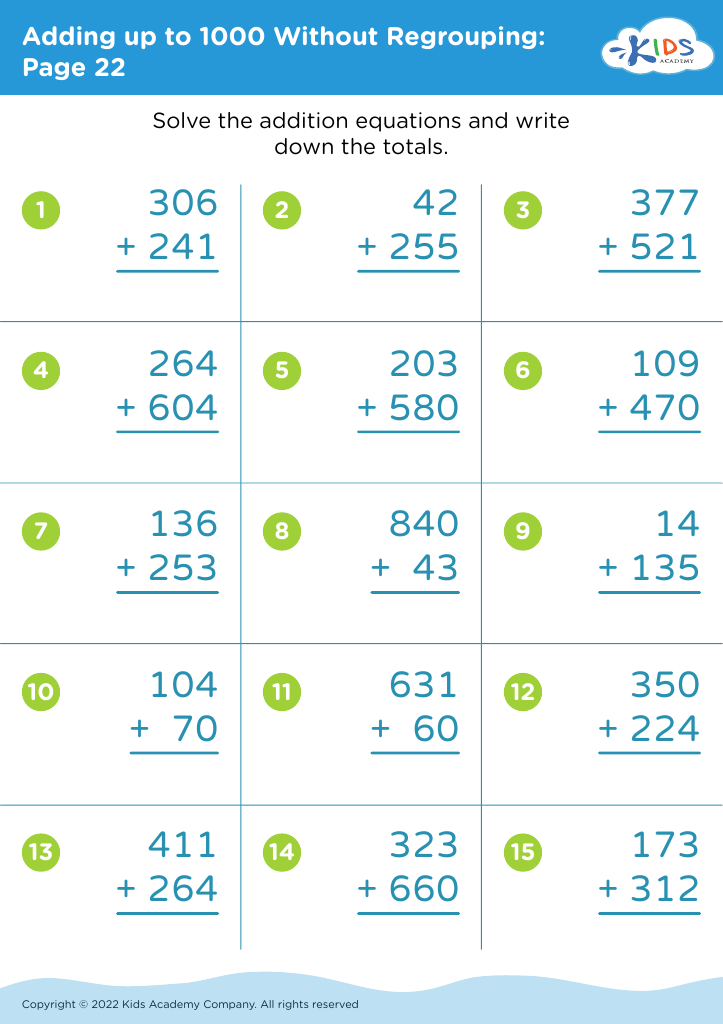
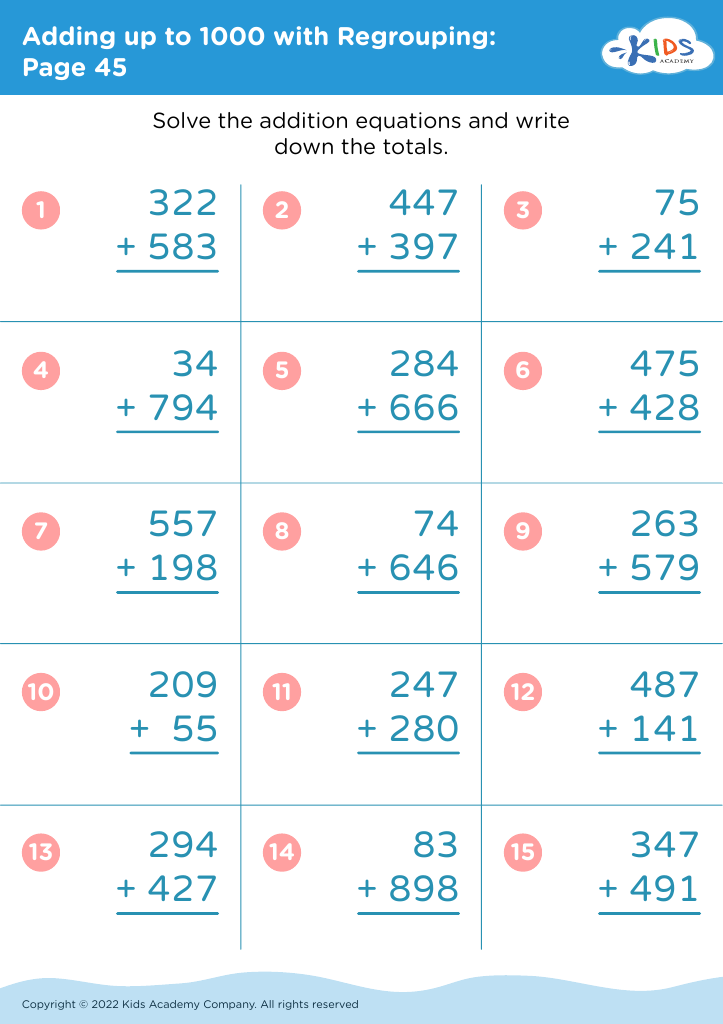
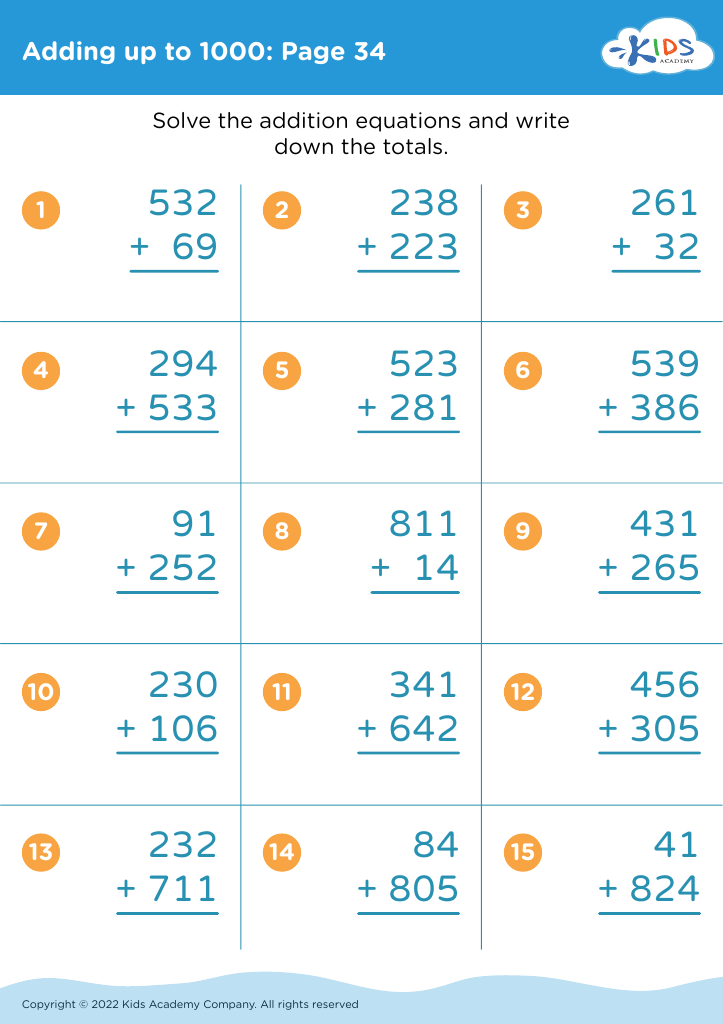
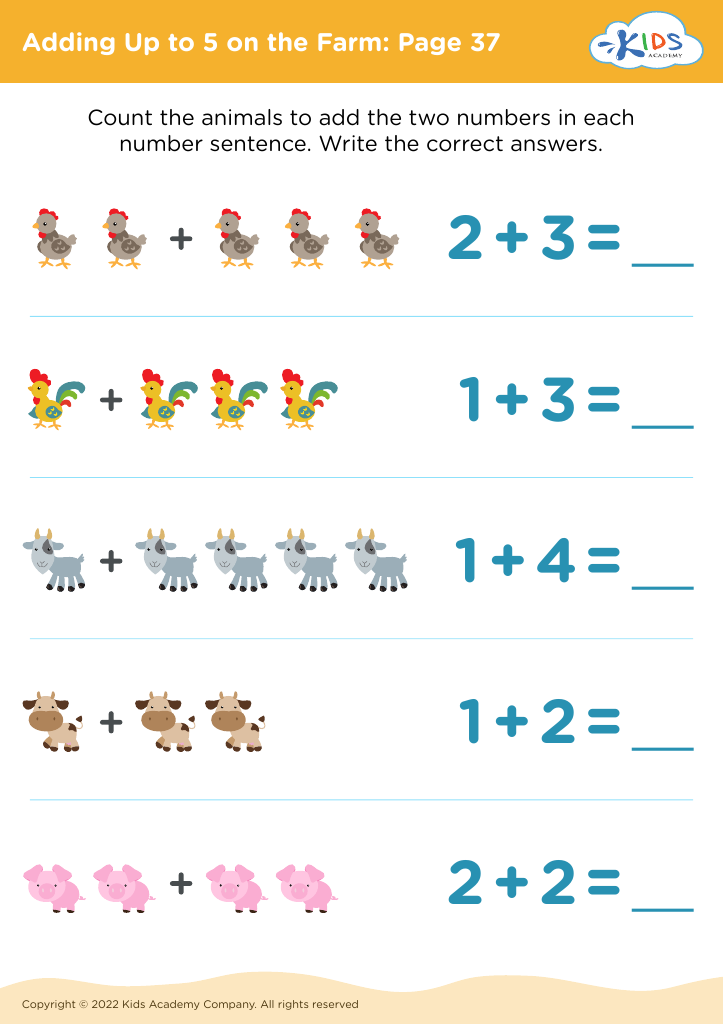
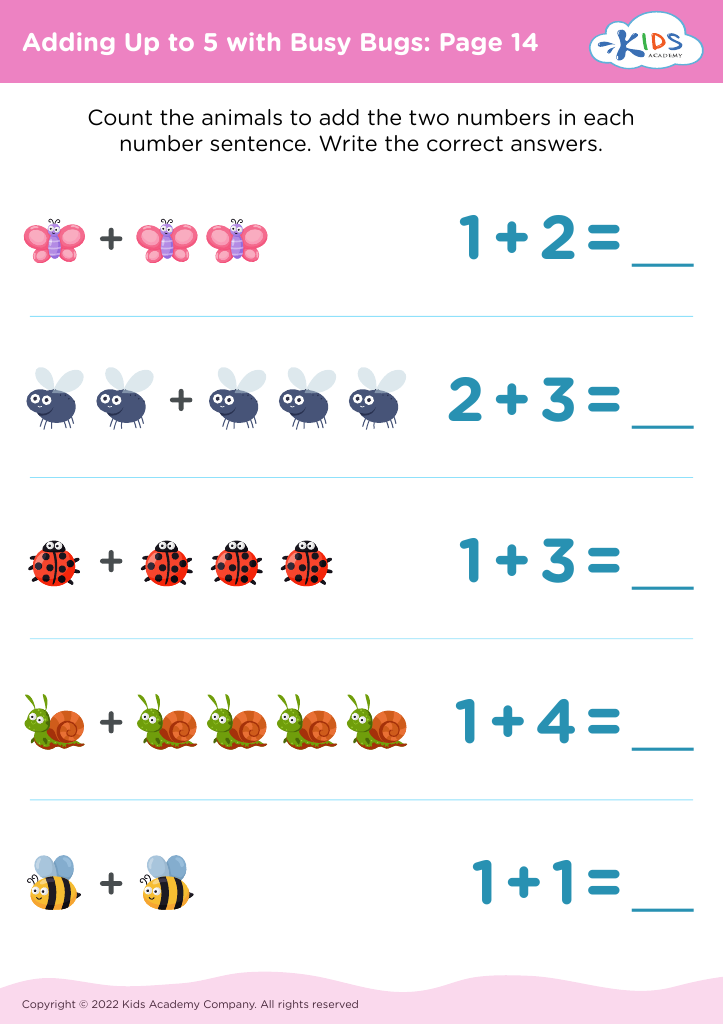
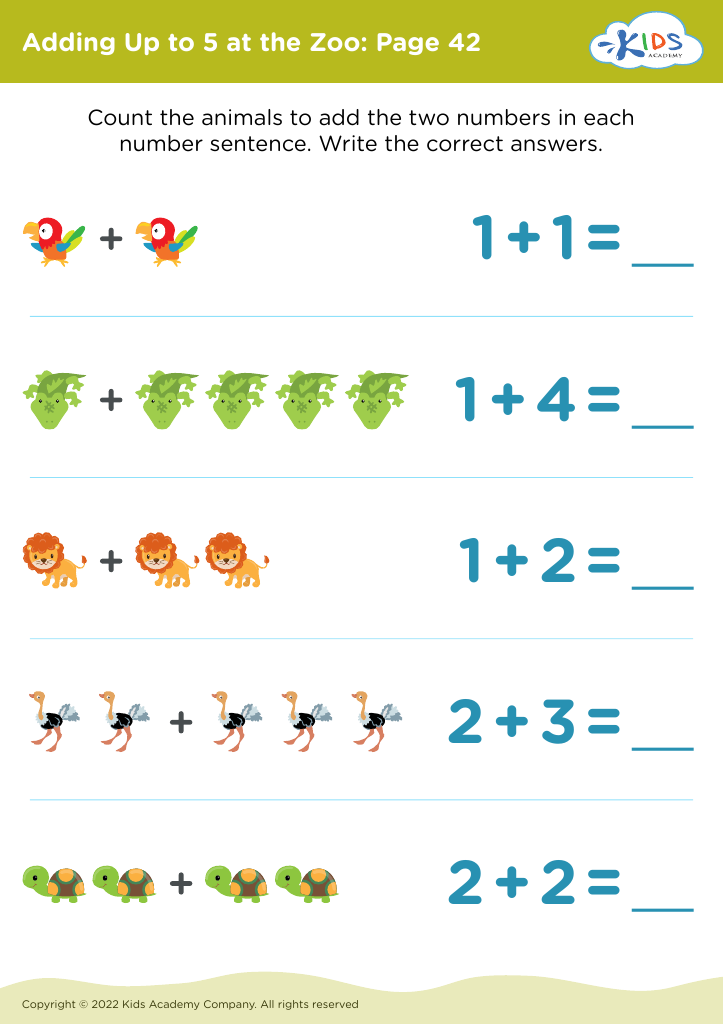
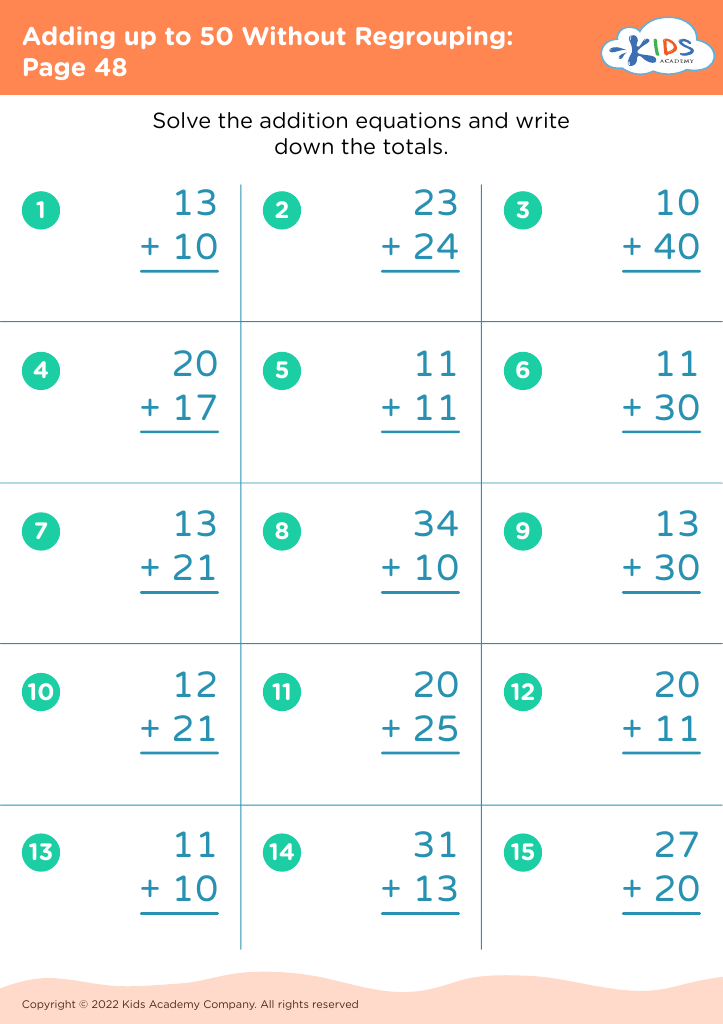
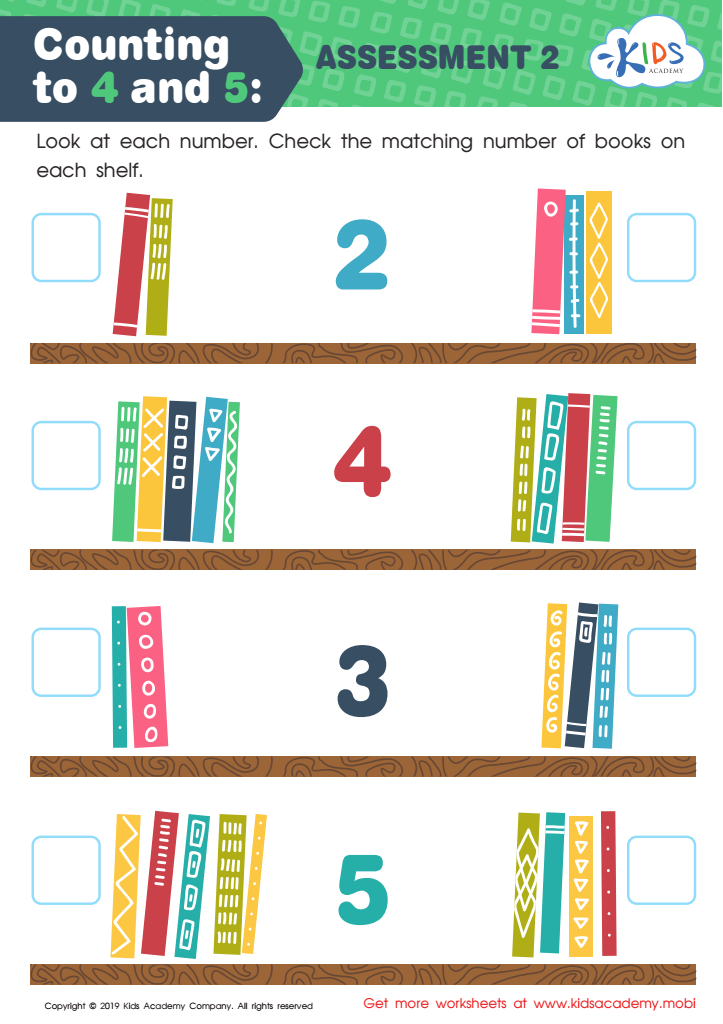
Counting to 4 and 5: Assessment 2 Worksheet








Fine motor skills are essential for children aged 3-9 as they significantly impact their writing and math abilities. These skills involve the precise movements of small muscles, particularly in the hands and fingers, enabling children to perform tasks such as writing, drawing, and manipulating objects. When children develop strong fine motor skills, they gain greater control over their writing instruments, crucial for producing legible letters and numbers. This foundation is vital for effective communication and academic success.
In math, fine motor skills also play a role as children learn to manipulate counting objects, use math tools like rulers and protractors, and eventually write numbers and equations. Additionally, engaging in activities that improve fine motor skills fosters concentration, perseverance, and problem-solving skills, which are essential in both academic and everyday contexts.
Parents and teachers should recognize the importance of nurturing these skills through playful activities such as drawing, cutting, threading beads, and engaging in puzzles. By prioritizing fine motor development, they not only enhance academic readiness but also instill a sense of accomplishment and confidence in young learners, setting the stage for lifelong learning. In essence, fostering fine motor skills is foundational for success in both writing and math.








