Letter Tracing Practice Math Worksheets for Ages 3-9
3 filtered results
-
From - To
Discover our engaging Letter Tracing Practice Math Worksheets designed for children ages 3 to 9! These worksheets provide a fun and interactive way to develop essential pre-writing skills while reinforcing their understanding of numbers and letters. Each activity promotes fine motor development and boosts visual recognition, making learning enjoyable. With clear instructions and colorful illustrations, our worksheets capture your child's interest and ease their learning process. These resources are perfect for homeschooling, tutoring, or supplementary school activities. Get started on building your child's confidence in writing and math today with our captivating letter tracing practice worksheets!
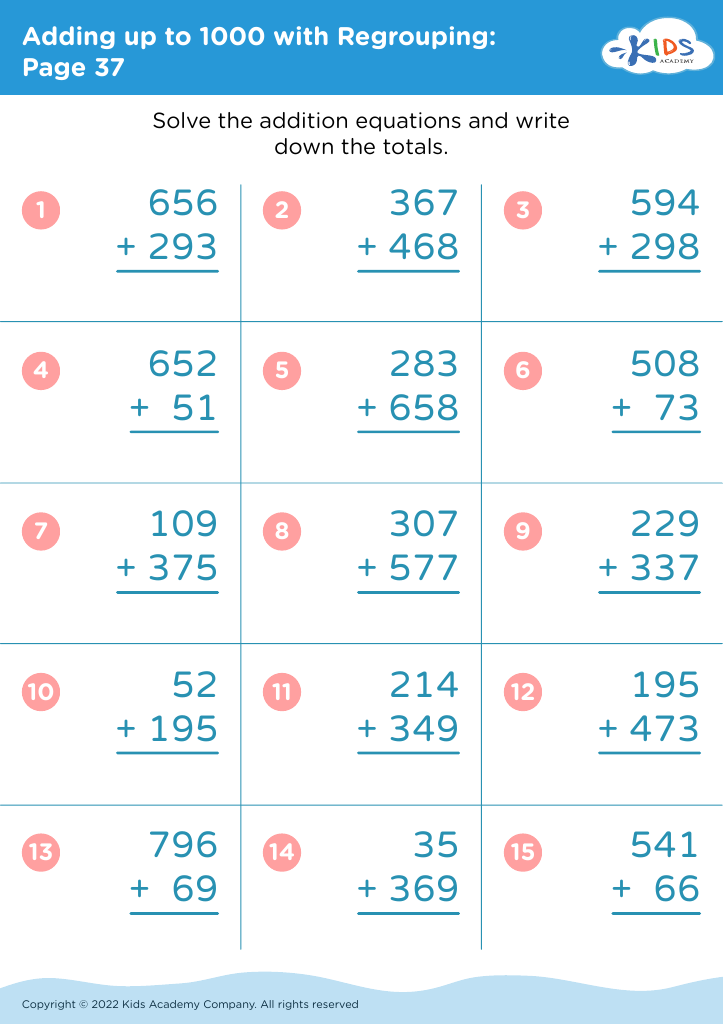
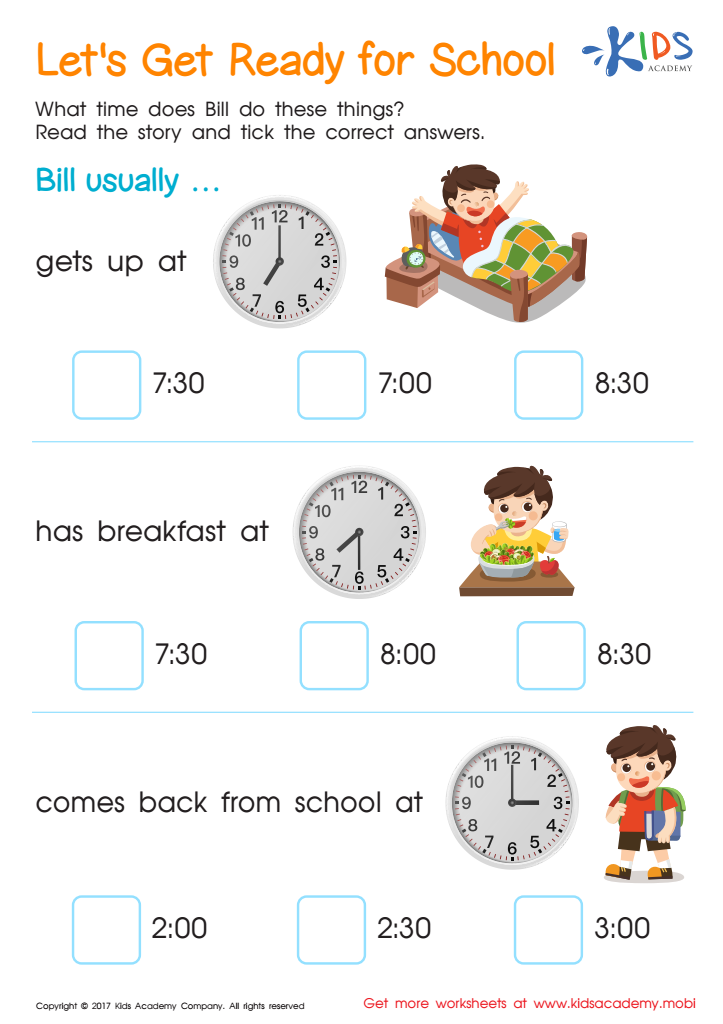
Lets Get Ready For School Time Printable
 Assign to My Students








Parents and teachers should care about letter tracing practice for children ages 3-9 because it lays a strong foundation for essential literacy skills and cognitive development. Tracing letters enhances fine motor skills, which are crucial for handwriting and other physical tasks. As children trace, they learn the shapes and sounds of letters, reinforcing their alphabet knowledge and preparing them for reading and writing.
Engaging in letter tracing not only aids in handwriting development but also encourages focus and concentration. These activities can spark motivation and enjoyment in learning, fostering positive attitudes towards education. Additionally, they serve as an interactive opportunity for parents and teachers to bond with children, making learning a collaborative and fun experience.
Early exposure to letter tracing correlates with better reading and writing abilities later on. It’s a critical part of developing phonemic awareness, as children connect letters with their corresponding sounds. For homeschoolers and in traditional classrooms alike, integrating fun tracing activities makes for an effective and engaging way to nurture pre-writing skills.
By prioritizing letter tracing, adults contribute significantly to a child's academic success and overall cognitive growth, ensuring a rich educational experience from an early age.








