Math skills improvement Math Worksheets for Ages 3-9
7 filtered results
-
From - To
Discover a treasure trove of engaging math worksheets designed to boost math skills for children aged 3-9! Our collection encourages foundational learning through fun activities that enhance counting, addition, subtraction, and number recognition. Each worksheet is tailored to meet kids at their level, making math both enjoyable and accessible. These printable resources are perfect for parents and educators seeking to support students’ mathematical journey. Watch your child flourish in confidence and competence as they develop essential math abilities. Empower their learning today with our carefully crafted worksheets, and turn math practice into a delightful adventure!
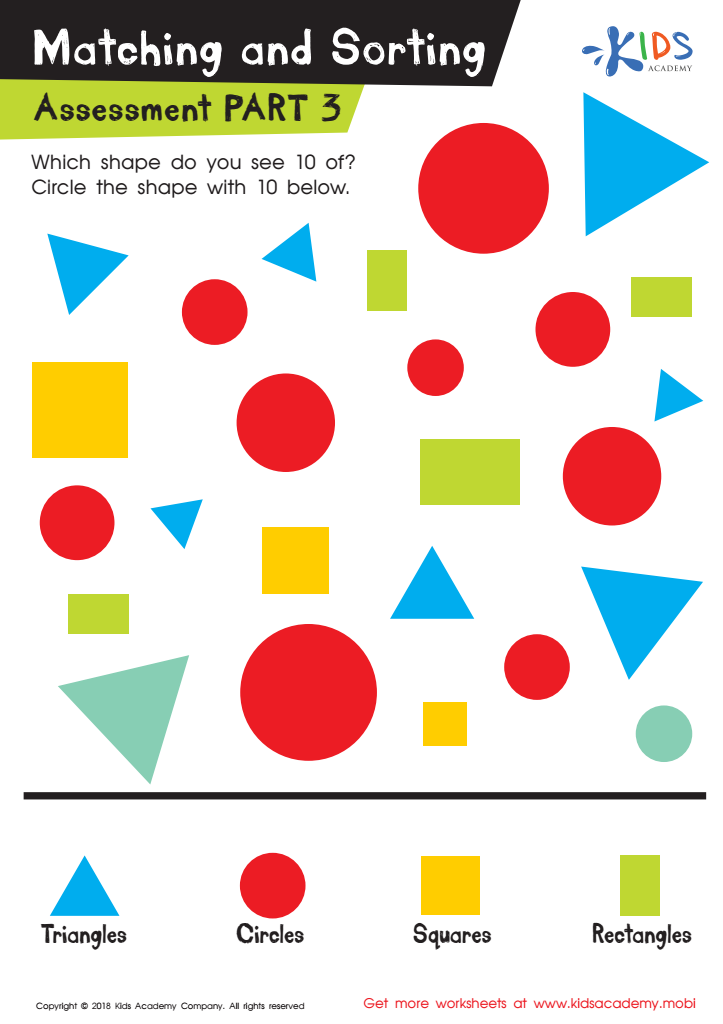
Matching and Sorting for Kindergarten: Assessment 3 Worksheet
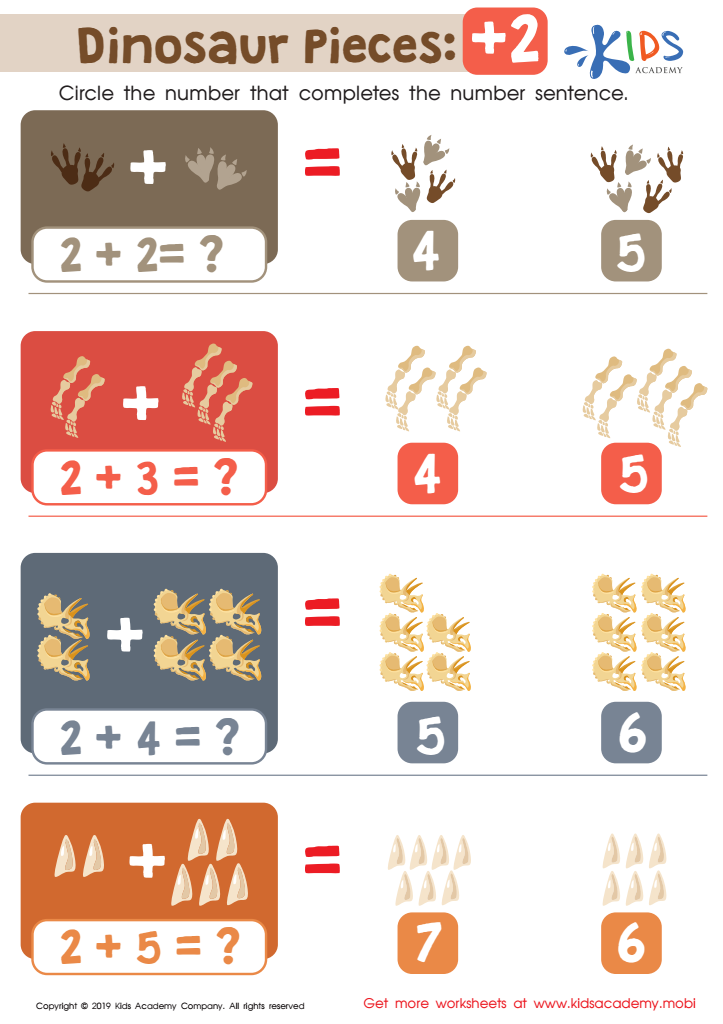
Dinosaur Pieces: +2 Worksheet
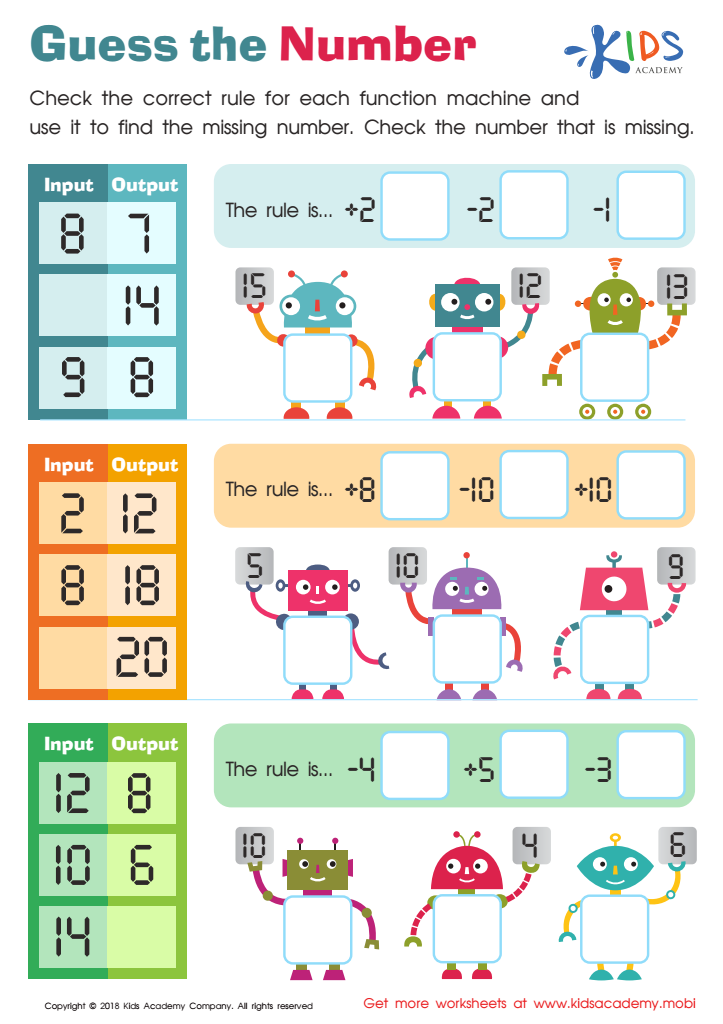
Guess the Number Worksheet
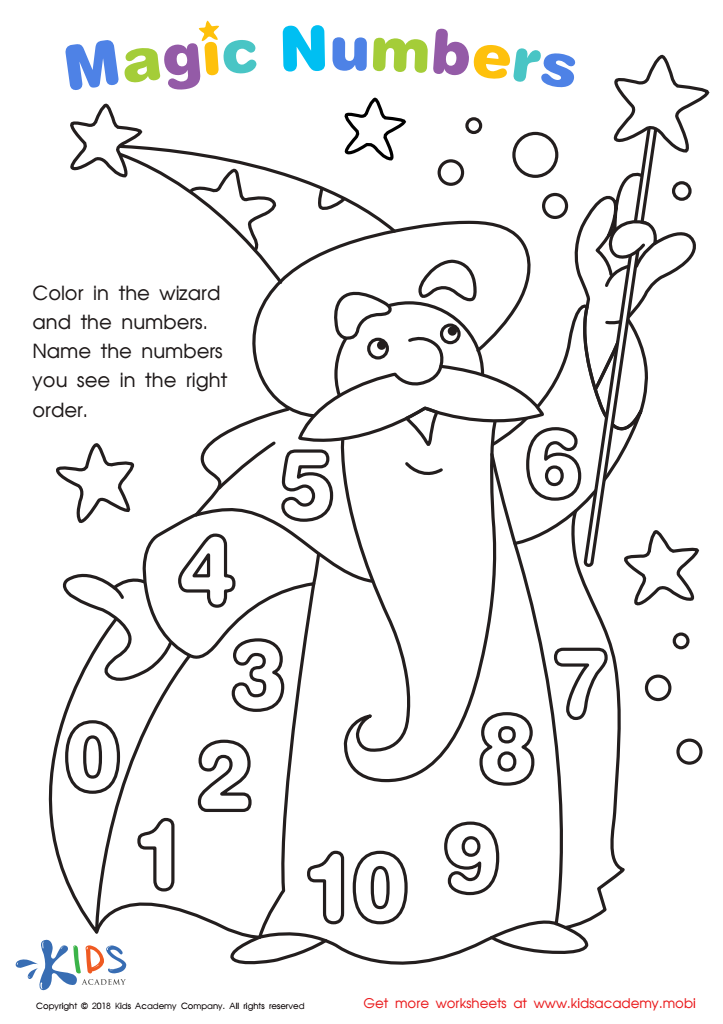
Magic Numbers Worksheet
 Assign to My Students
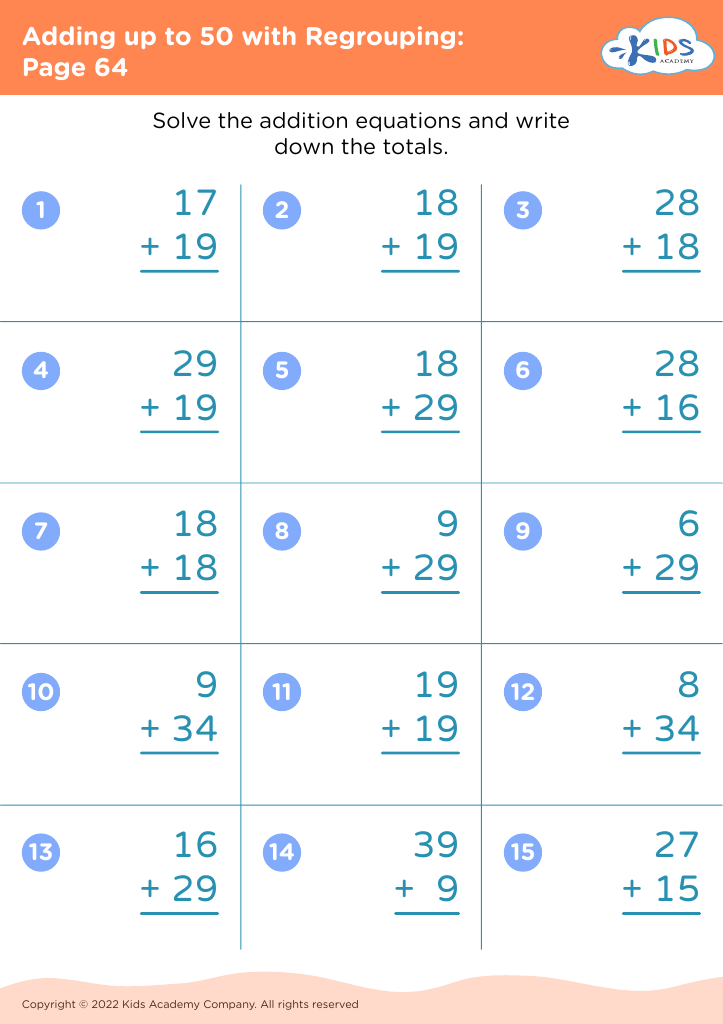
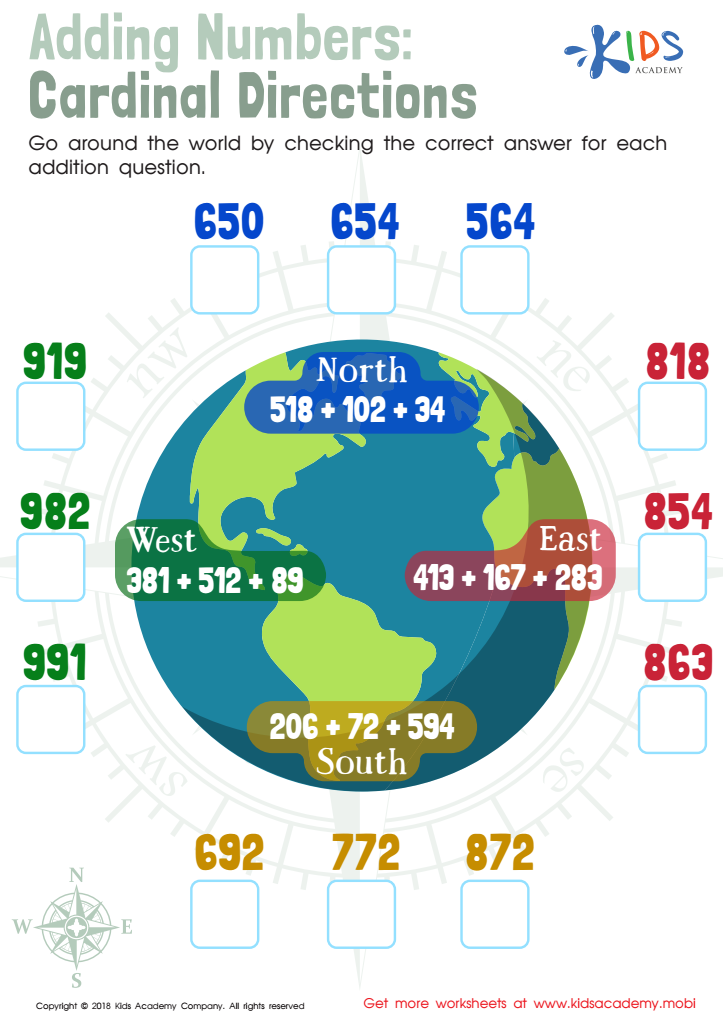
Adding Numbers: Cardinal Directions Worksheet








Parents and teachers should prioritize math skills improvement for children ages 3-9 for several compelling reasons. Firstly, foundational math skills are crucial in developing cognitive abilities. Early exposure to math concepts fosters problem-solving, logical reasoning, and critical thinking, all of which are essential for academic success in later years. Children trained in basic math continue to excel in science, technology, engineering, and mathematics (STEM) fields, opening up future career possibilities.
Moreover, math skills contribute to everyday life competencies. Young children learning to recognize patterns, count, or understand measurements can make informed decisions in daily activities, from shopping to cooking. Improved math skills also boost confidence. When children grasp basic math concepts, they build a sense of accomplishment that encourages them to tackle more challenging tasks.
Additionally, a strong math foundation helps bridge socio-economic gaps. Access to engaging and effective math learning experiences can enhance equity in education, ensuring all children have the skills necessary to succeed. Overall, investing in math improvement from ages 3-9 equips children with vital skills, nurtures self-esteem, and lays down the groundwork for lifelong learning, thereby benefiting society as a whole.








