Recognizing Patterns Math Worksheets for Ages 3-9 - Page 2
27 filtered results
-
From - To
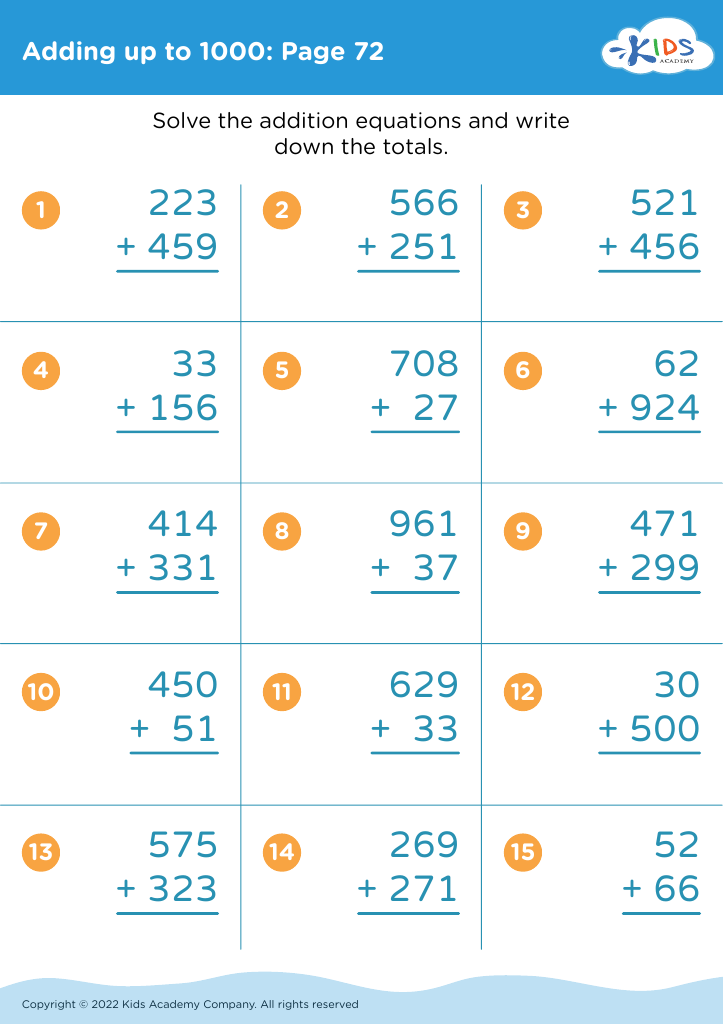
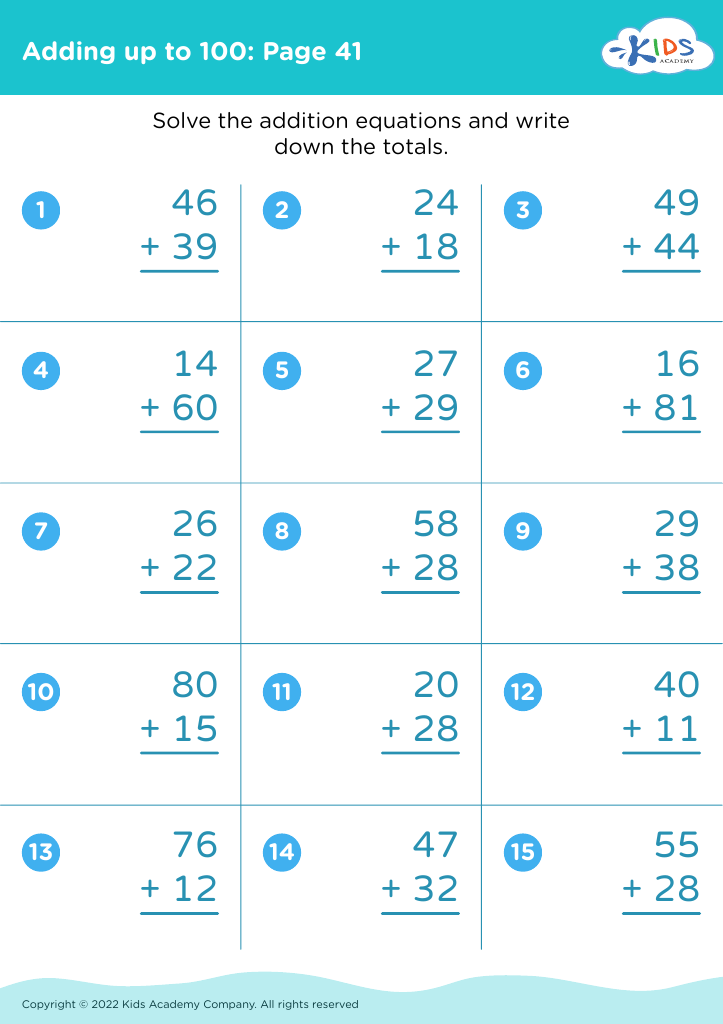
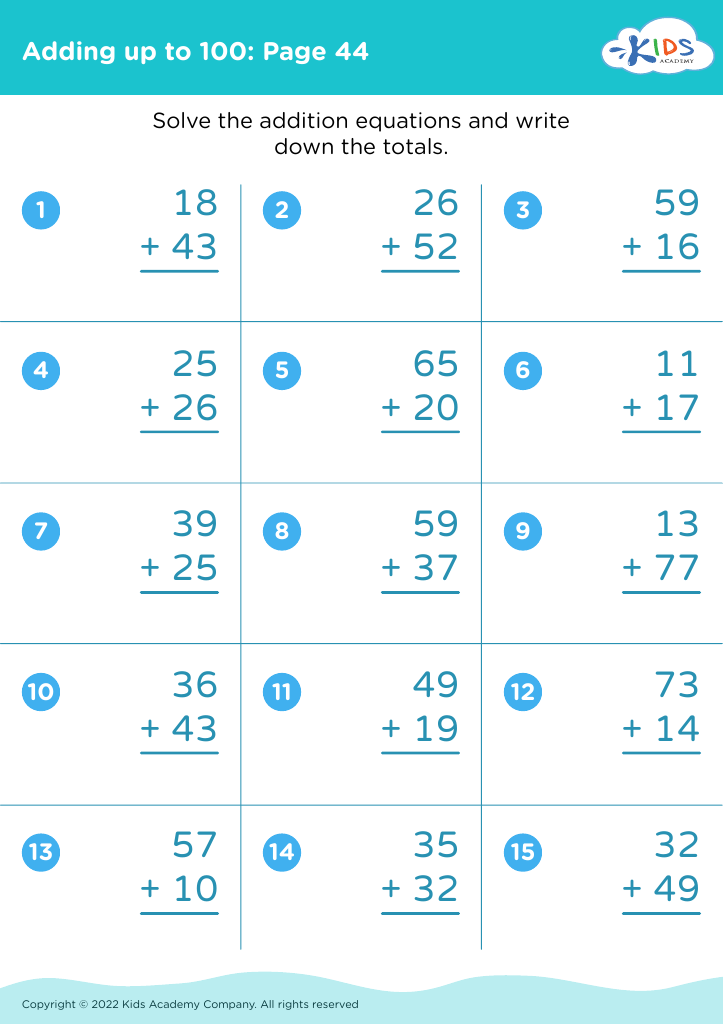








Recognizing patterns is a foundational mathematical skill that plays a crucial role in early childhood education for children aged 3-9. Parents and teachers should prioritize this learning area because it fosters critical thinking and problem-solving abilities. By identifying patterns, children learn to make connections between concepts, which enhances their understanding of numbers and operations, ultimately laying the groundwork for more complex mathematical tasks in the future.
Moreover, recognizing patterns also nurtures cognitive development. Children develop reasoning skills as they look for predictability in their environment, promoting logical thought processes. Engaging with patterns in shapes, colors, and numbers through games and everyday activities can make learning enjoyable and accessible, establishing positive attitudes towards math from an early age.
Additionally, recognizing patterns has real-world applications, from predicting future events to creating structures in art and design. When parents and teachers encourage pattern recognition, they help kids build confidence in math and enhance their readiness for school curriculum advancements. By integrating this learning into play and everyday conversation, adults create a supportive environment for holistic development, enabling children to thrive in both academic and everyday contexts. Investing in this foundational skill is essential for a child’s ongoing educational journey.








