Understanding number values Math Worksheets for Ages 3-9
3 filtered results
-
From - To
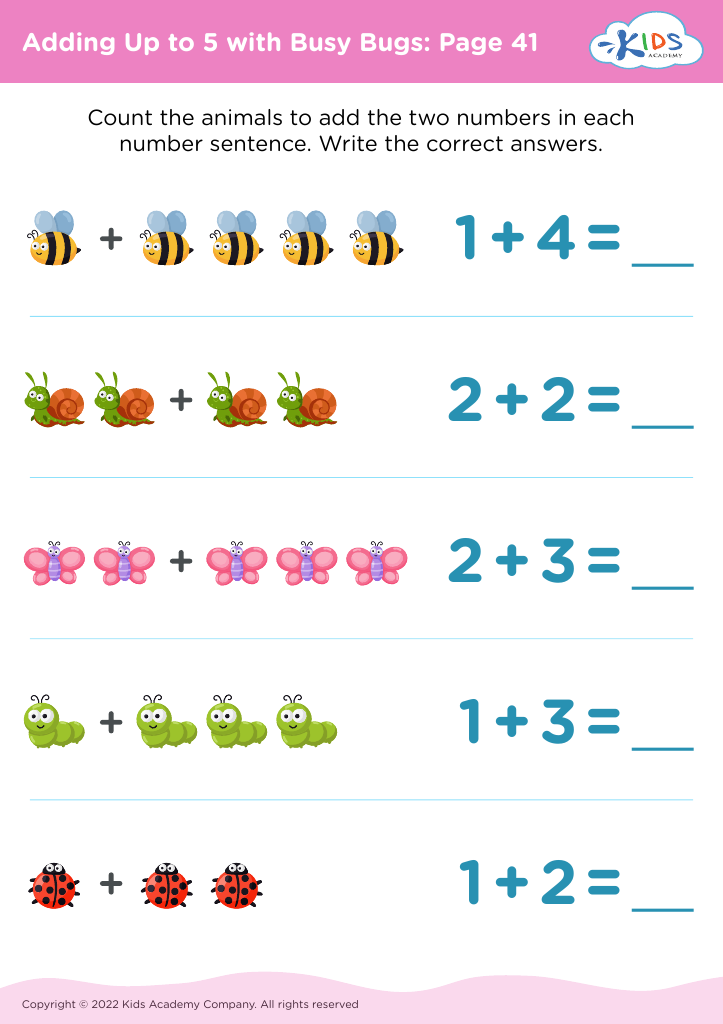
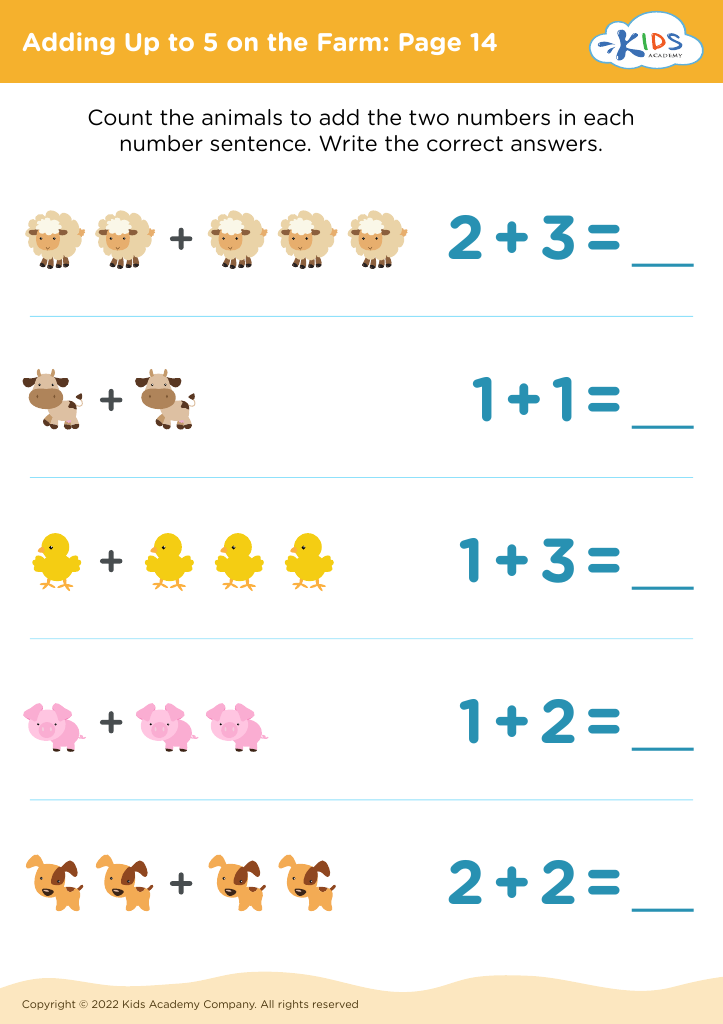
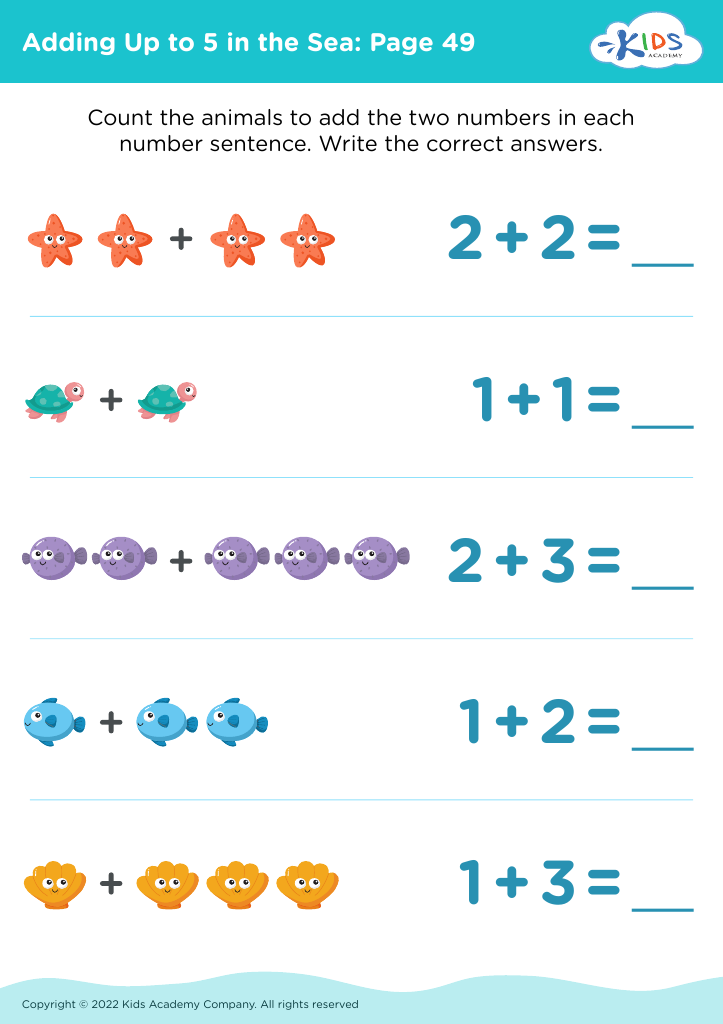
Nurture your child's numerical skills with our "Understanding Number Values" math worksheets for ages 3-9. Created to build a strong foundation in number comprehension, these engaging activities cover crucial concepts like counting, comparing, and recognizing number values. Perfect for preschool, kindergarten, and early elementary students, each worksheet combines fun visuals and interactive tasks to make learning enjoyable. Tailored to different skill levels, our worksheets not only enhance math confidence but also prepare young learners for advanced math topics. Explore our collection today and give your child the tools they need to excel in mathematics!






Understanding number values is foundational for young children, aged 3-9, as it sets the stage for all future mathematical learning and practical life skills. During these early years, children's brains are highly adaptable and primed for grasping basic concepts that will support more complex problem-solving later on. Knowing number values means recognizing that different numbers represent different quantities. This comprehension is crucial for everyday activities such as counting objects, making sense of time, handling money, and sorting items, sharpening both cognitive and motor skills.
For parents and teachers, focusing on number values helps foster structured thinking, attention to detail, and logical reasoning. These abilities, in turn, translate to improved academic performance not just in math but across various subjects. Introducing children to math concepts in positive, engaging ways early on also builds confidence and reduces math-related anxiety later in life.
Moreover, understanding number values connects to the broader curriculum, aiding in the development of reading, as numeric order and sequences are similar to sentence structures and event sequences in stories. Skills honed during these formative years can give children a lifelong advantage in analytical thinking, financial literacy, and problem-solving, thereby equipping them with essential tools to navigate their educational journeys and beyond.








