Basic Math Skills Place Value Worksheets for Ages 3-9
5 filtered results
-
From - To
Discover our engaging Place Value Worksheets designed for children aged 3-9, essential for developing foundational math skills. Our printable worksheets effectively introduce the concept of place value using vibrant visuals and interactive activities that captivate young learners. With age-appropriate tasks, kids will explore hundreds, tens, and units, strengthening their number understanding in a fun and educational way. Ideal for classroom settings or at-home learning, these worksheets cater to various learning styles, ensuring every child grasps this critical math concept. Empower your child’s math journey and enhance their confidence in numbers with our easy-to-use resources today!
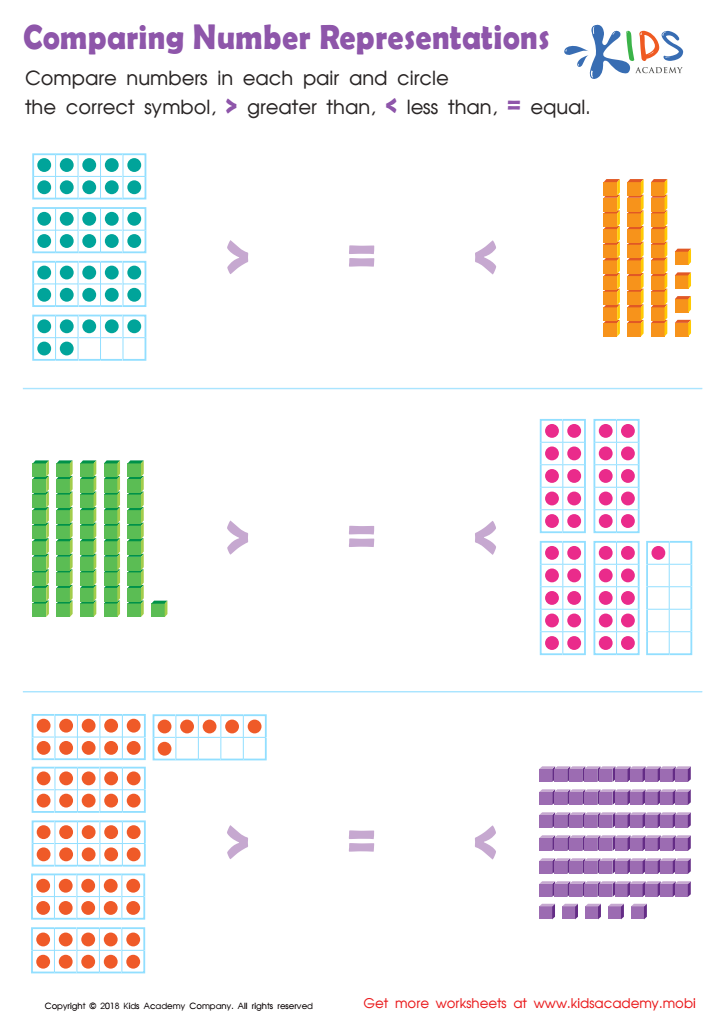
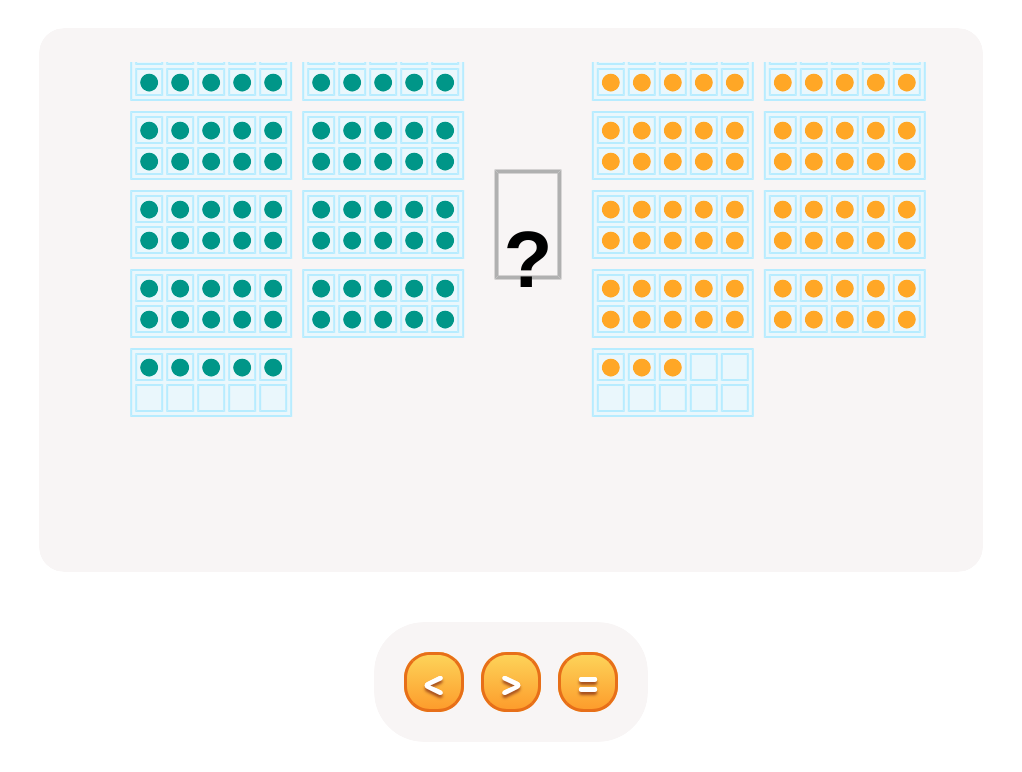
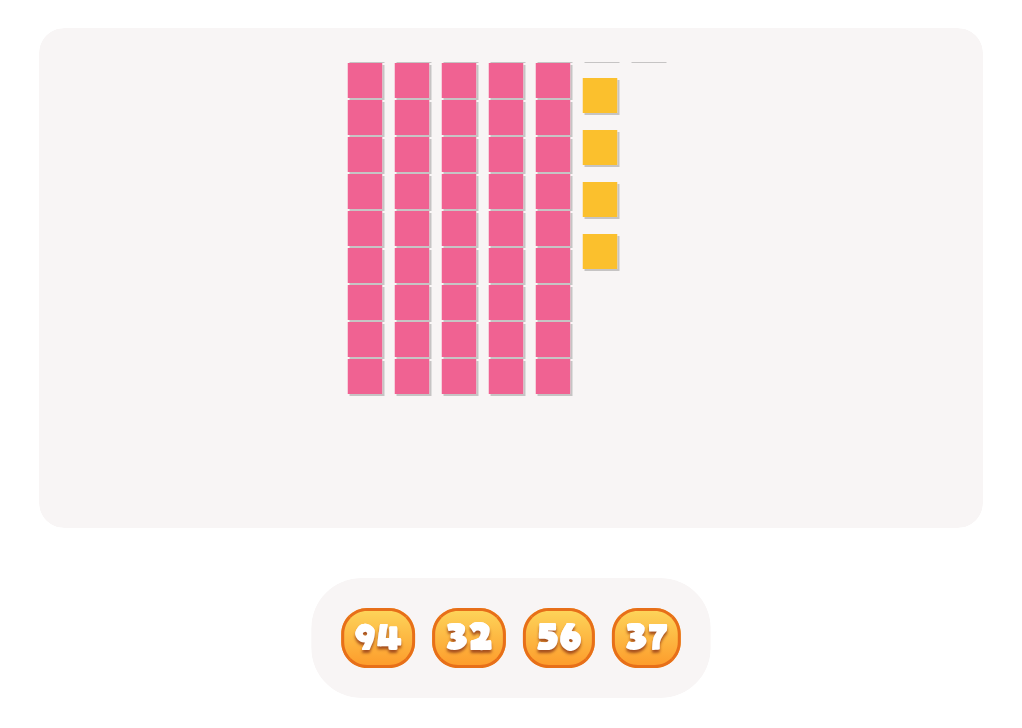
Comparing Number Representations Worksheet
 Assign to My Students
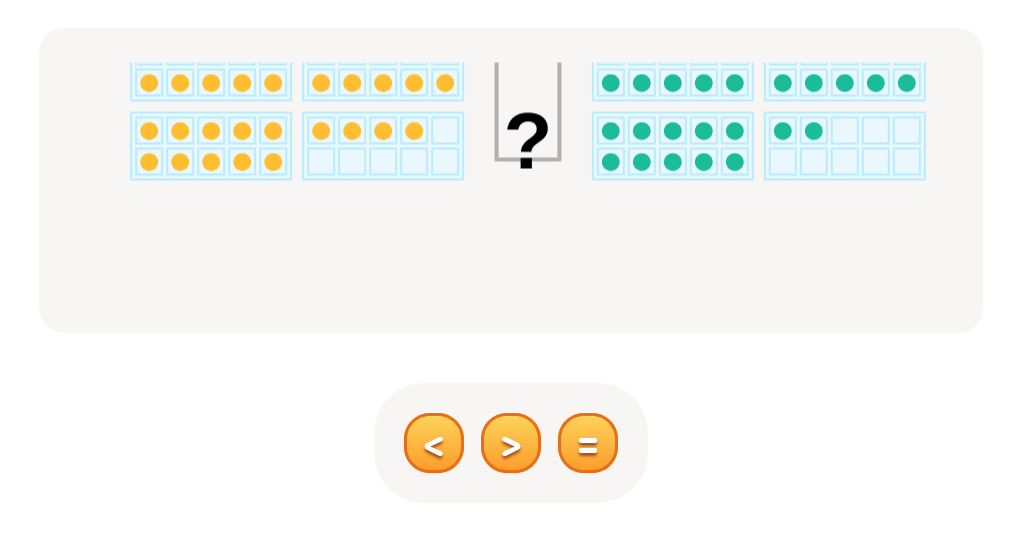

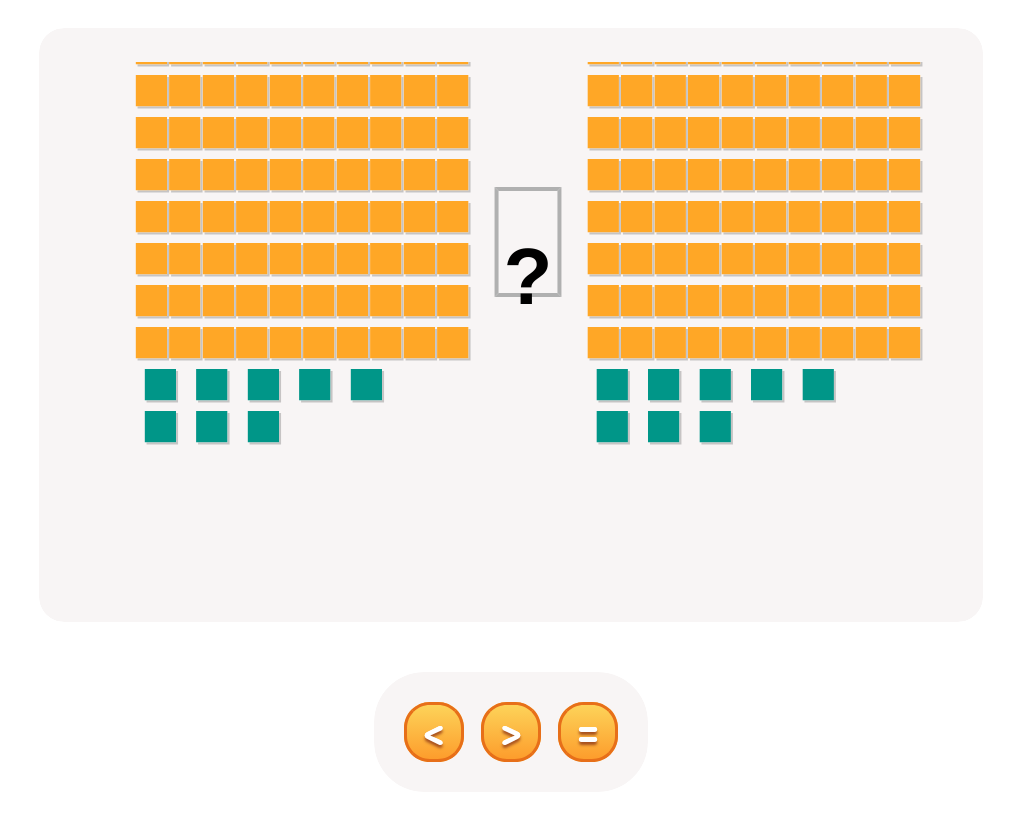
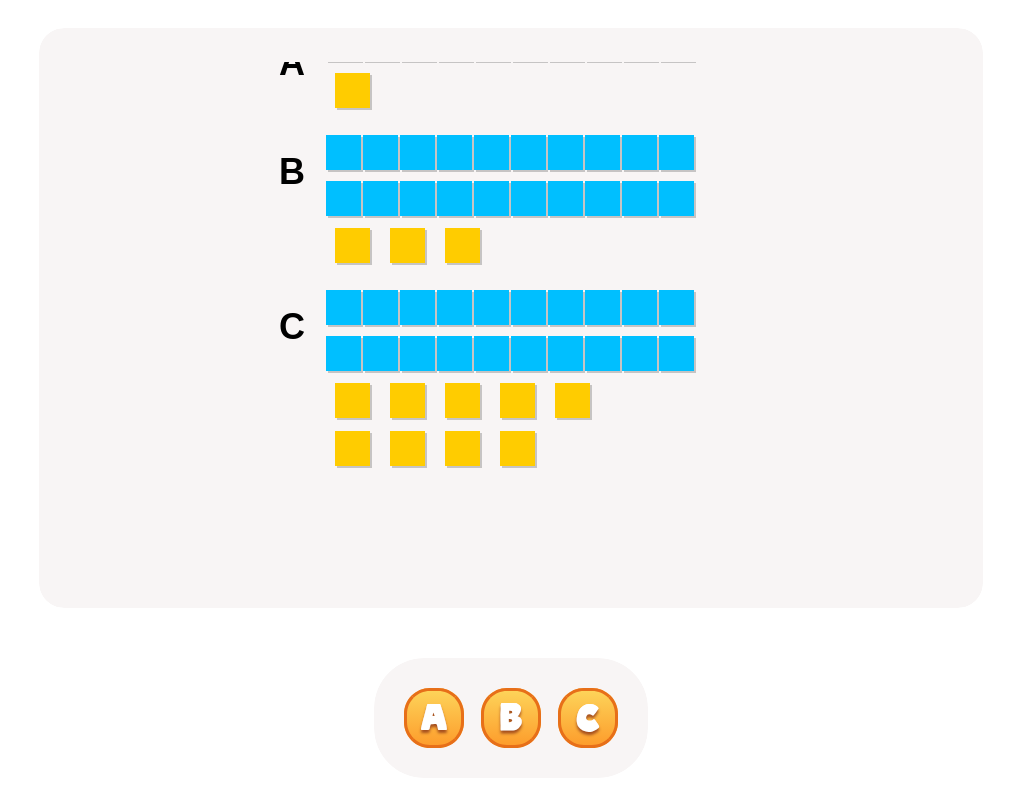
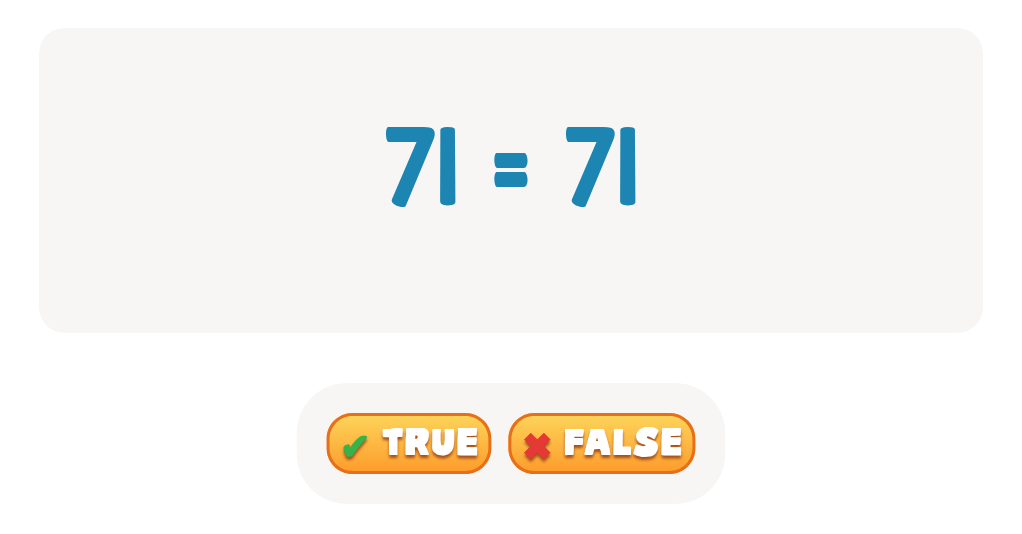
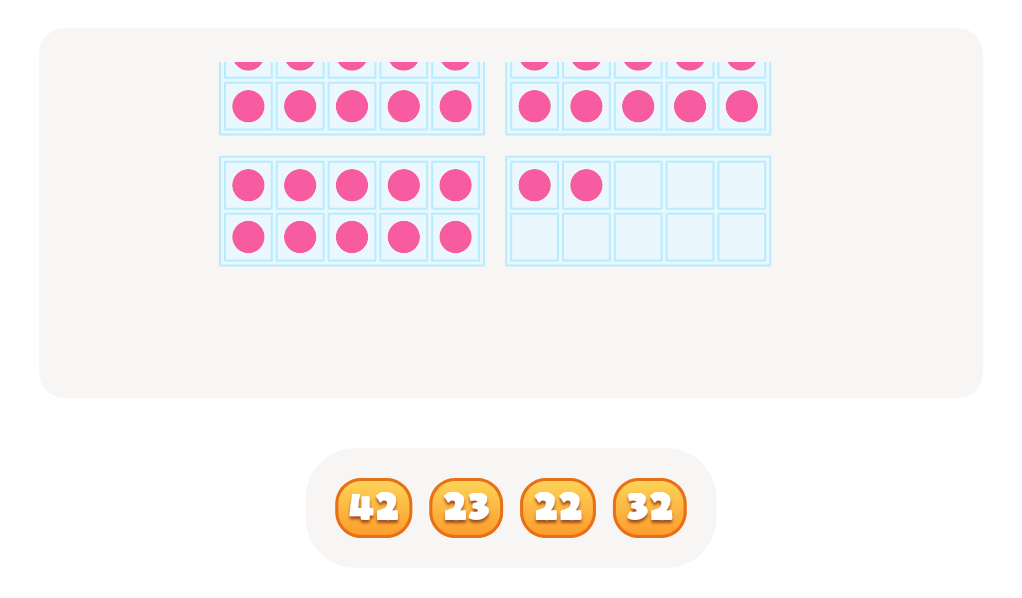
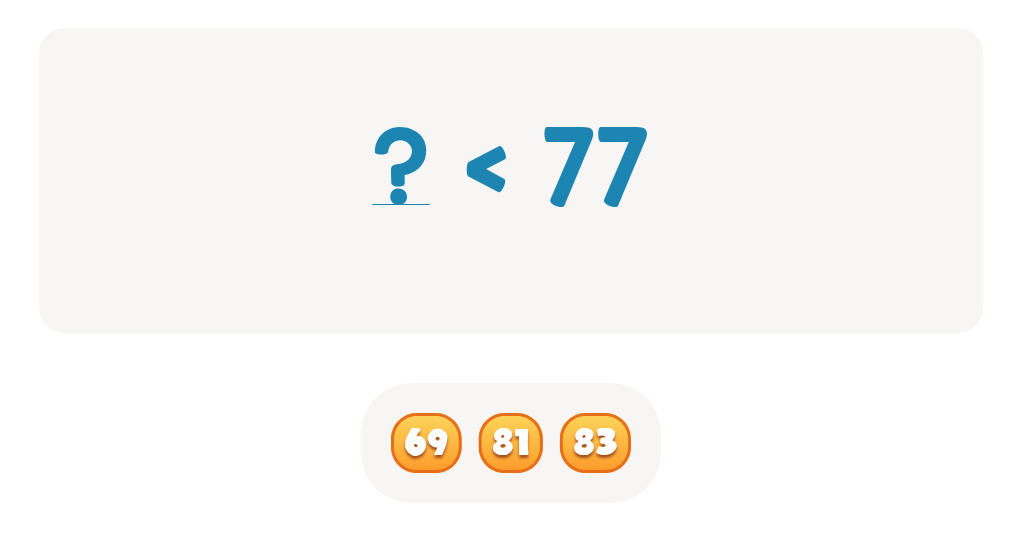
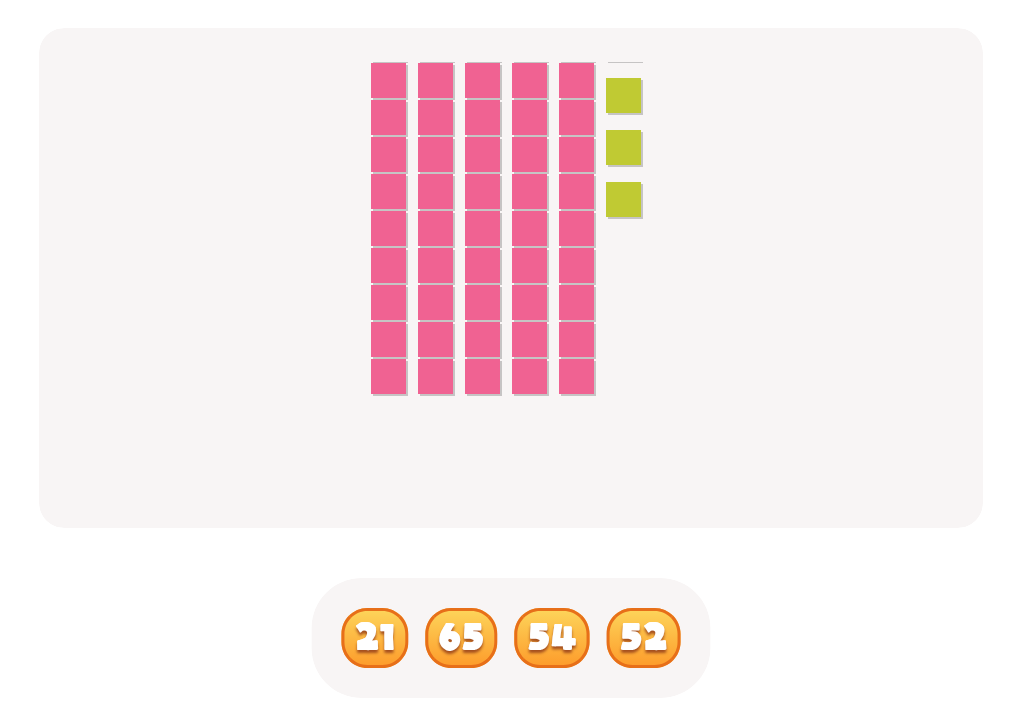
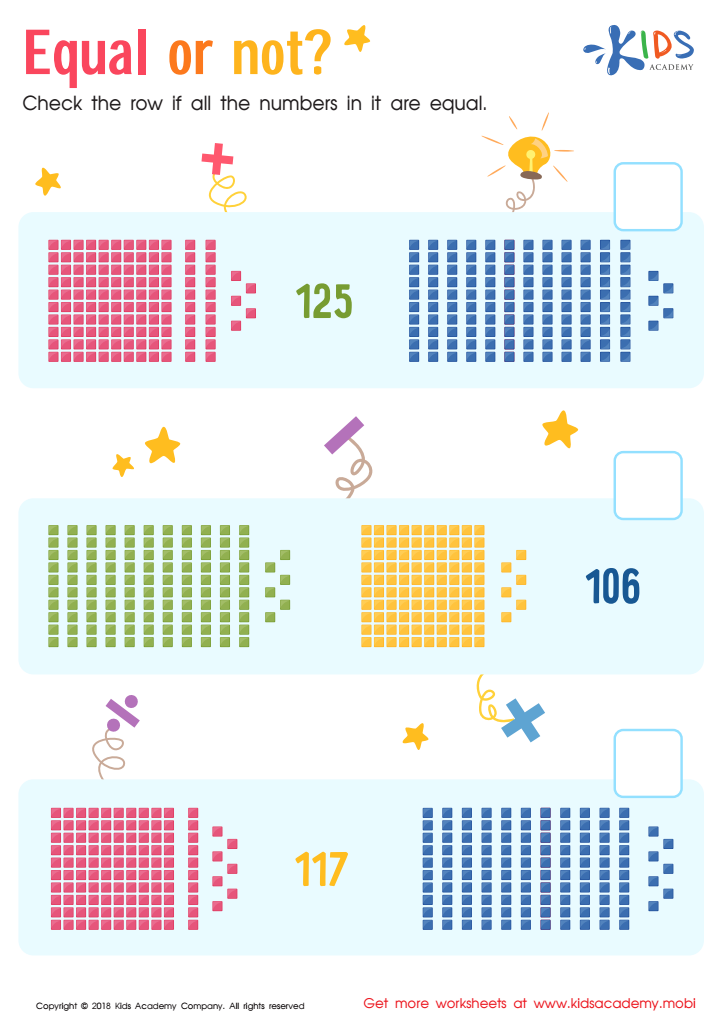
Equal or not Worksheet
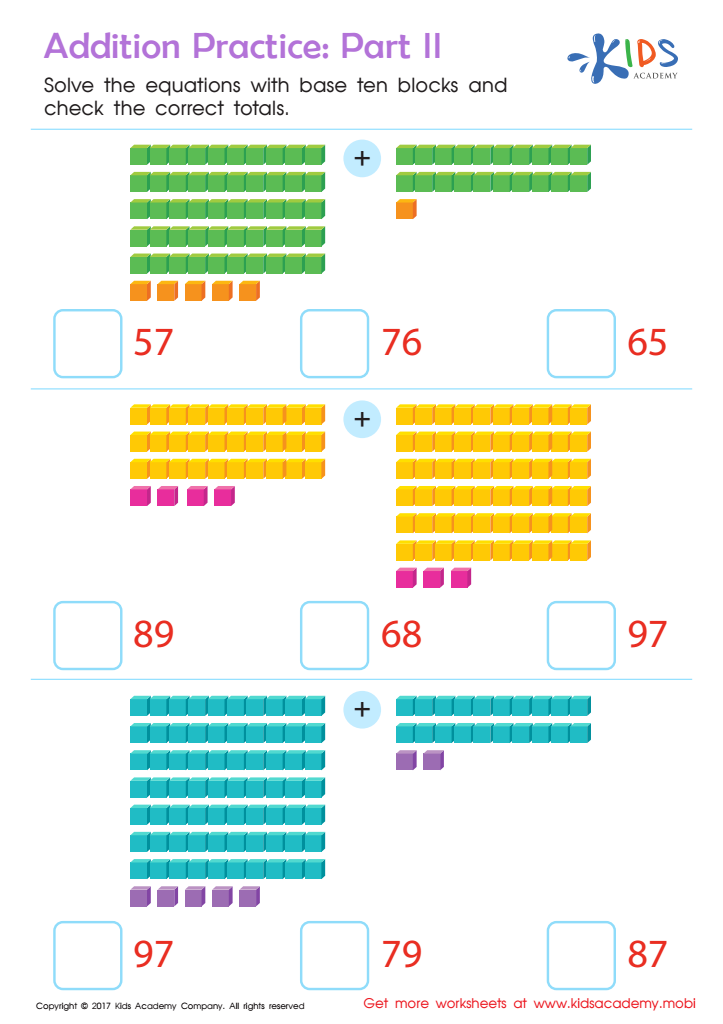
Addition Practice Sheet: Part 2
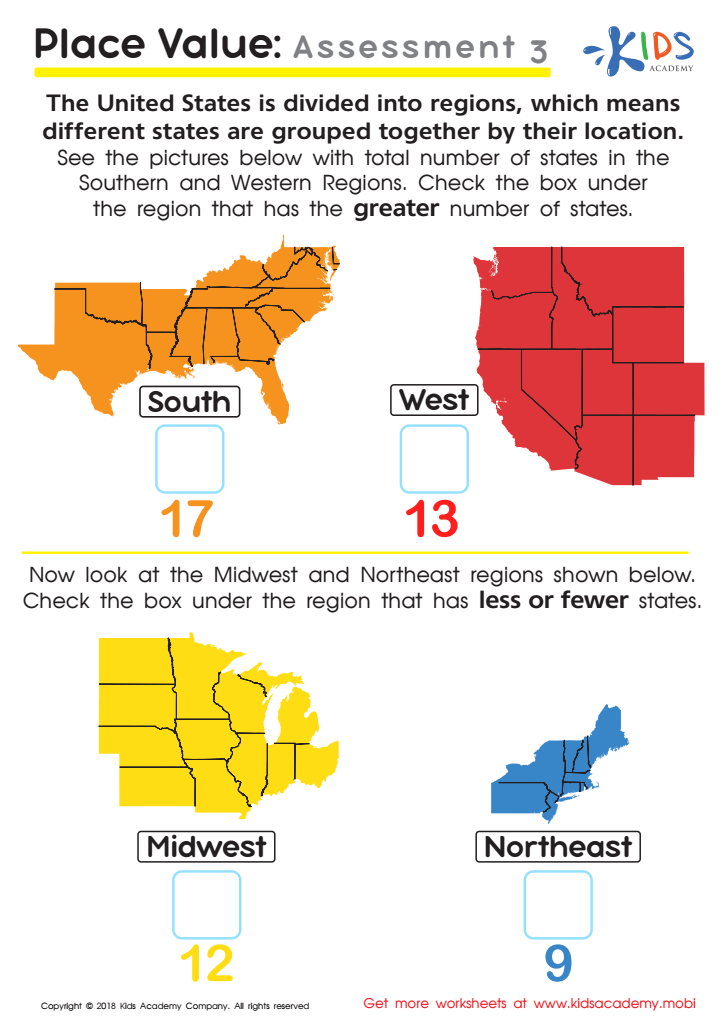
Place Value: Assessment 3 Worksheet
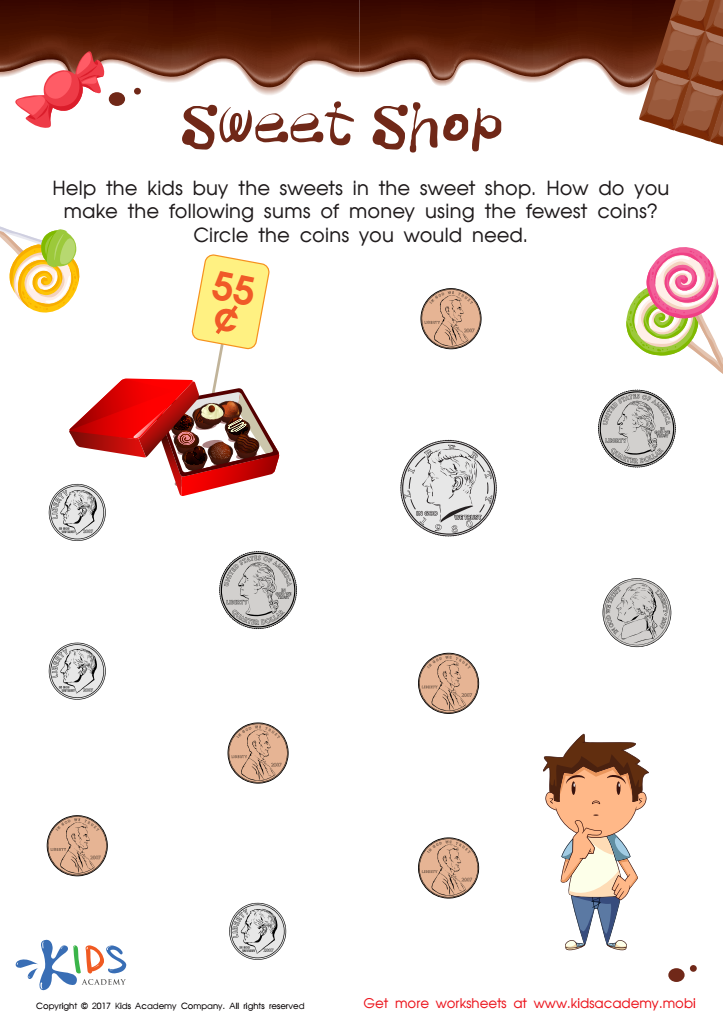
Sweet Shop – Counting Coins Worksheet








Place value is a fundamental concept in mathematics that is crucial for young learners aged 3-9. Understanding place value lays the groundwork for more advanced mathematical operations, including addition, subtraction, multiplication, and division. When children learn that the value of a digit is determined by its position, they can confidently work with larger numbers and develop a better understanding of our base-10 number system.
Moreover, mastering place value aids in the enhancement of problem-solving skills and logical thinking. For parents and teachers, prioritizing place value education means supporting children's cognitive development, helping them make connections between numbers and their meanings, and discovering patterns in math.
Additionally, a strong grasp of place value can alleviate anxiety toward math, fostering a positive attitude that encourages lifelong learning. Early exposure to place value through engaging activities—like using blocks, games, or visual aids—can make learning enjoyable and effective. As children progress in their education, those who have a firm foundation in place value are better equipped to navigate complex mathematical concepts, ultimately leading to success in math-related subjects and real-world applications. In essence, emphasizing place value is essential for building confidence and competence in math from an early age.








