Enhancing observation skills Reading Non-Fiction Worksheets for Ages 3-9
4 filtered results
-
From - To
Enhance your child's observational skills with our engaging non-fiction reading worksheets tailored for ages 3-9! Our thoughtfully designed resources encourage young learners to observe, analyze, and interpret information from real-world texts. These worksheets feature age-appropriate content and activities that promote critical thinking and attentiveness to detail. Children will explore various topics while improving their comprehension and retention skills. Each engaging worksheet fosters curiosity and a love for learning, making reading a fun and educational experience. Perfect for classroom use or at-home learning, these resources are essential for developing confident readers. Dive into the world of non-fiction with our enriching worksheets today!
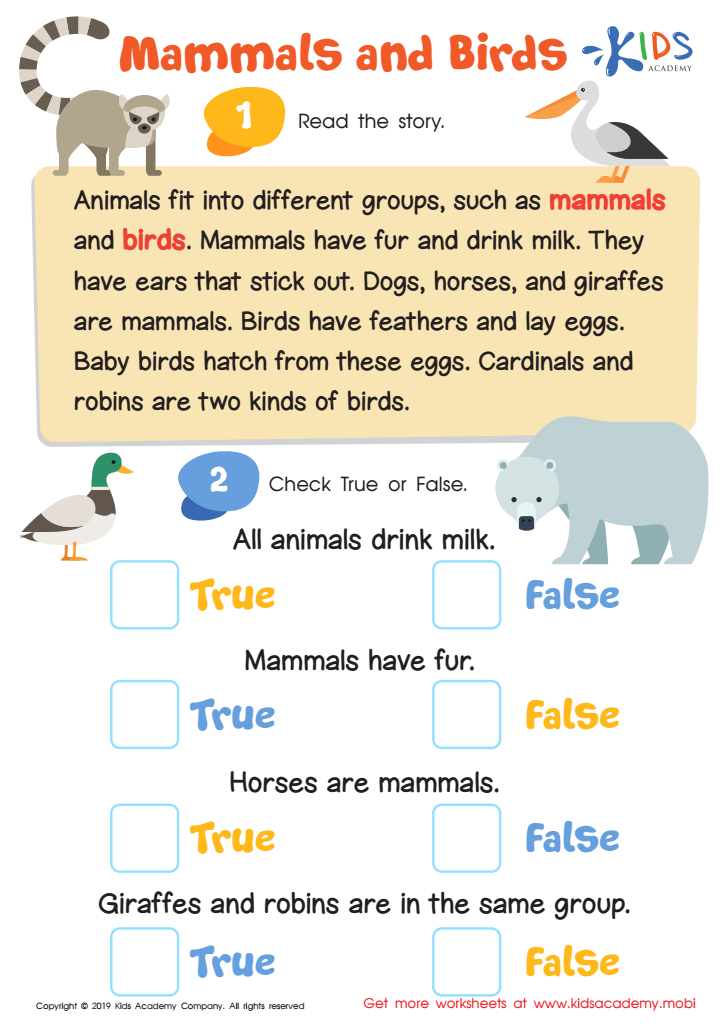
Mammals and Birds Worksheet
 Assign to My Students
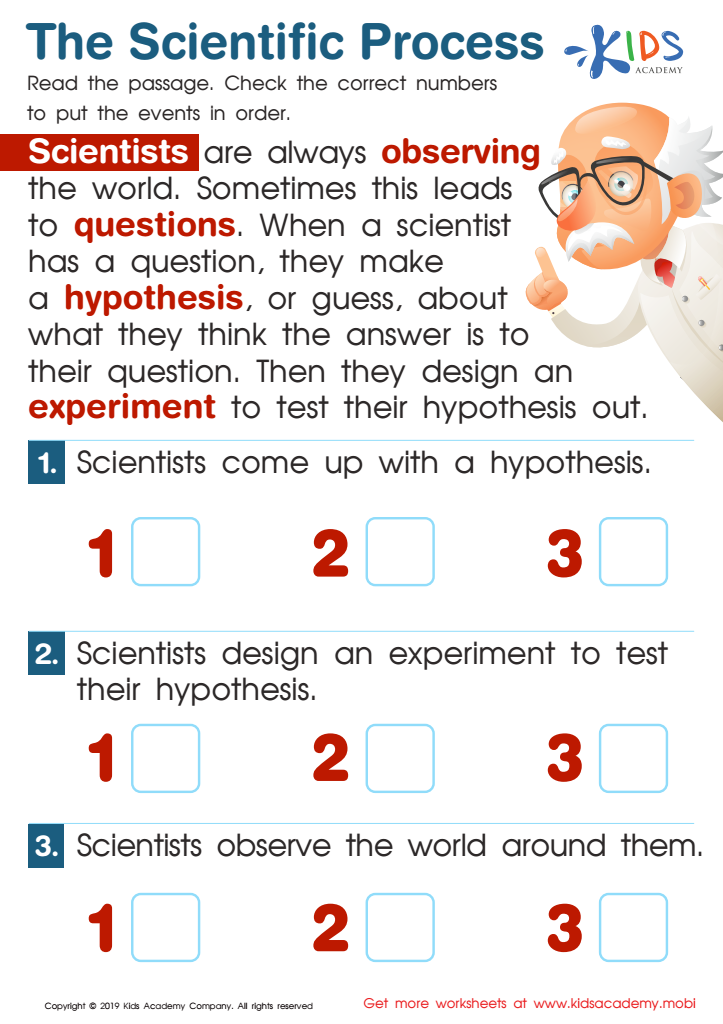
The Scientific Process Worksheet
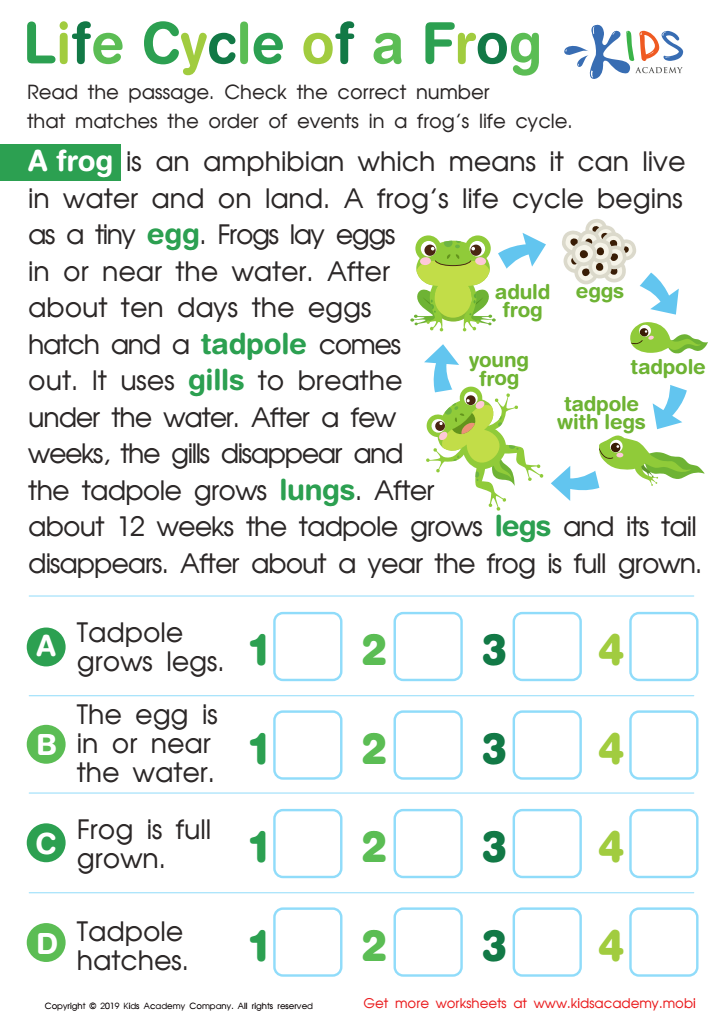
Life Cycle of a Frog Worksheet
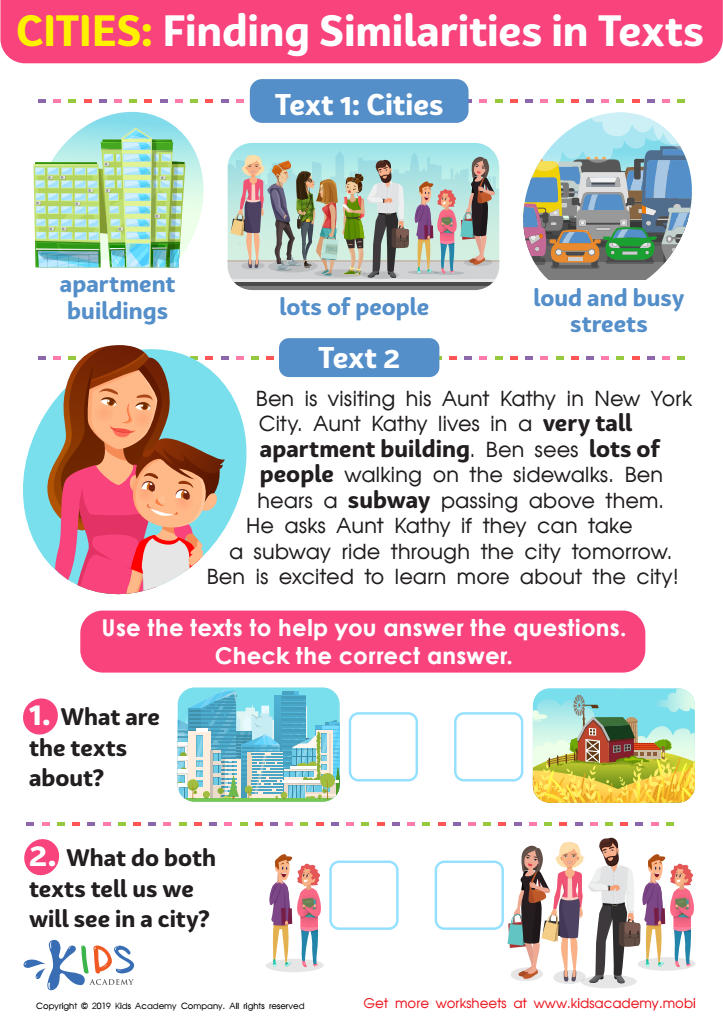
Cities: Finding Similarities Worksheet








Enhancing observation skills in young learners, particularly in the realm of reading non-fiction, is fundamentally important for their cognitive and social development. For ages 3-9, children are naturally curious and eager to explore the world around them. Non-fiction texts expose them to factual information about various subjects, fostering their interest in discovery. When teachers and parents focus on enhancing observation skills, they help children develop critical thinking abilities and analytical skills essential for understanding the world.
Observation skills encourage children to pay attention to details, recognize patterns, and formulate questions about the content they encounter. By interacting with non-fiction texts, children learn to observe and interpret information like charts, diagrams, and photographs, enhancing their comprehension of diverse topics—from nature and science to history and culture.
Moreover, developing strong observation skills can boost children's confidence and encourage them to engage in discussions about what they’ve read, fostering language development and social skills. Supporting this skill set not only prepares children for academic success but also nurtures a lifelong love for learning and inquiry. Ultimately, investing in enhancing observation skills through non-fiction texts empowers children to become informed, engaged, and thoughtful individuals.








