Improve reading comprehension Reading Non-Fiction Worksheets for Ages 3-9
6 filtered results
-
From - To
Boost your child's reading abilities with our tailored non-fiction worksheets designed for ages 3-9. Our engaging materials focus on enhancing reading comprehension through diverse, age-appropriate content. Each worksheet is crafted to develop key skills like identifying main ideas, critical thinking, and understanding complex texts. Perfect for young learners, our resources encourage a love for reading while building a strong foundational knowledge. With visually appealing exercises and interactive questions, these worksheets are ideal for both home and classroom use. Help your child succeed in reading with Kids Academy’s comprehensive non-fiction worksheets!
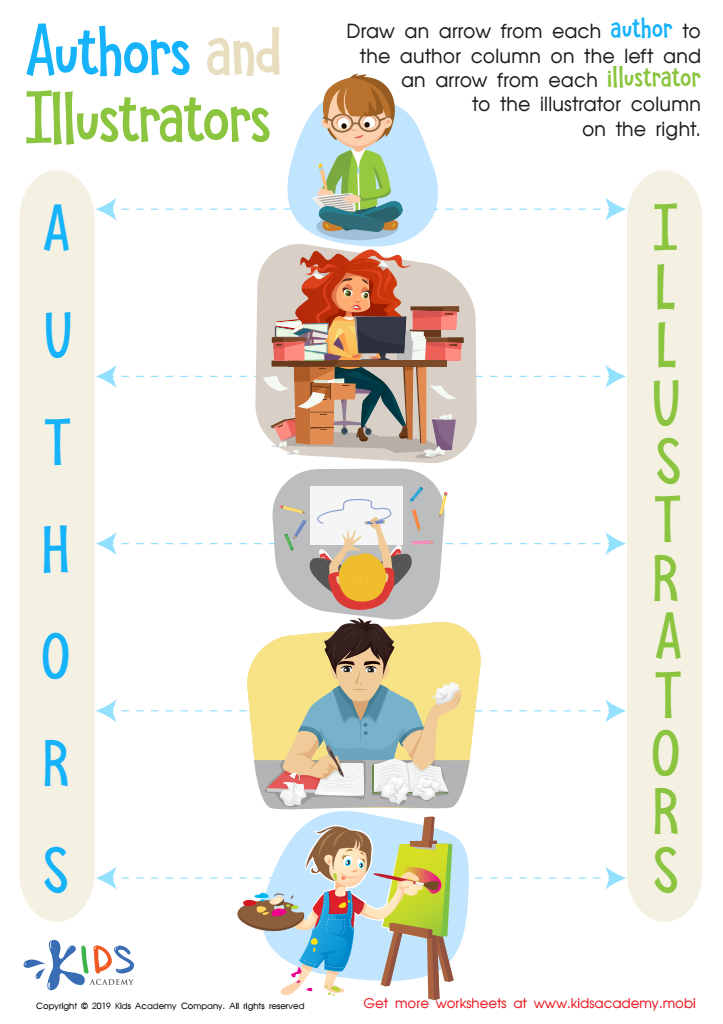
Authors and Illustrators Worksheet
 Assign to My Students
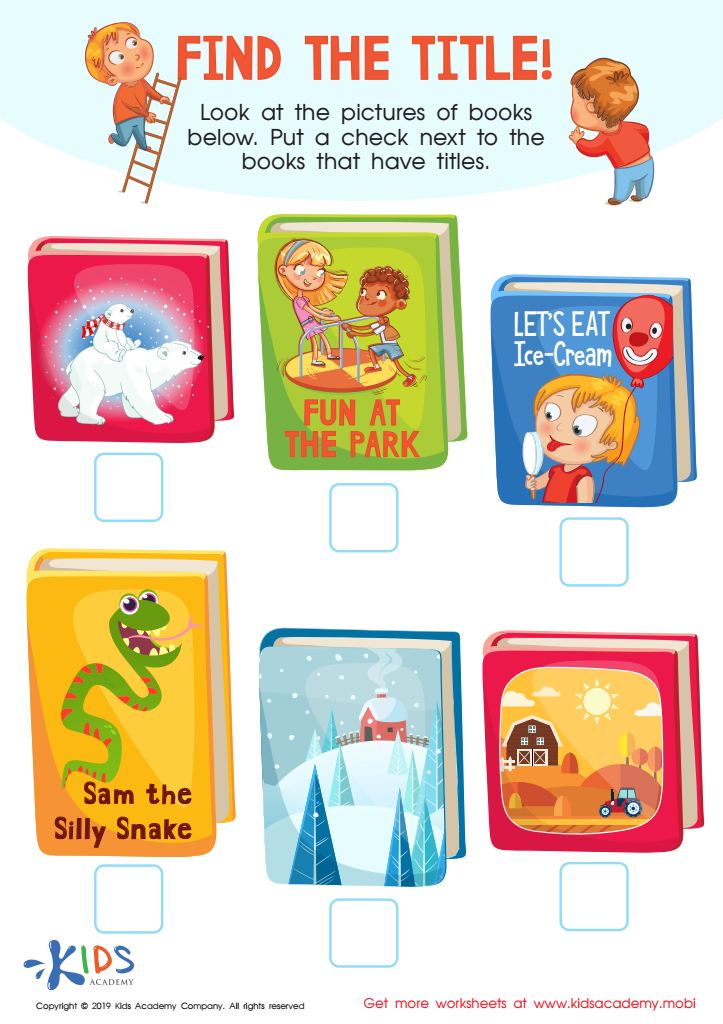
Find the Title Worksheet
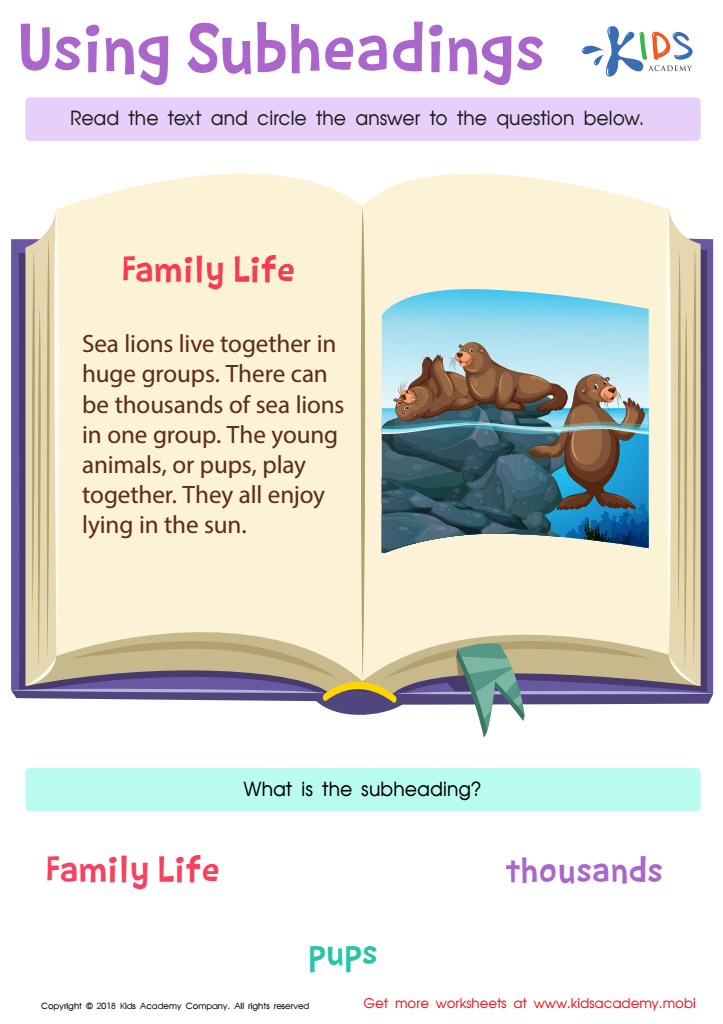
Using Subheadings Worksheet
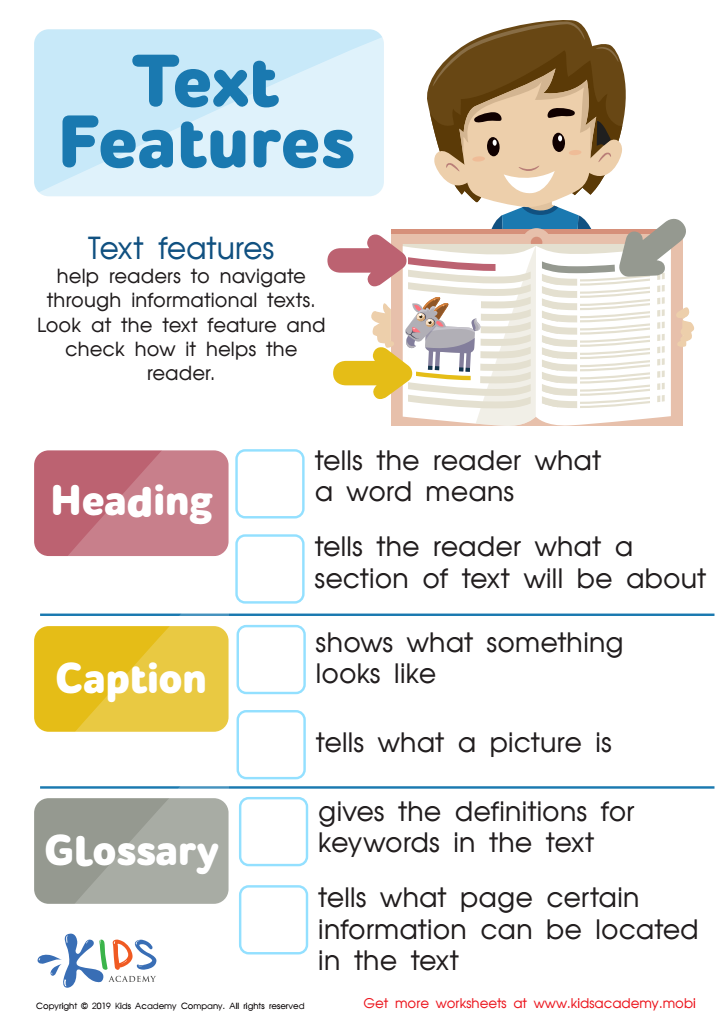
Text Features Worksheet
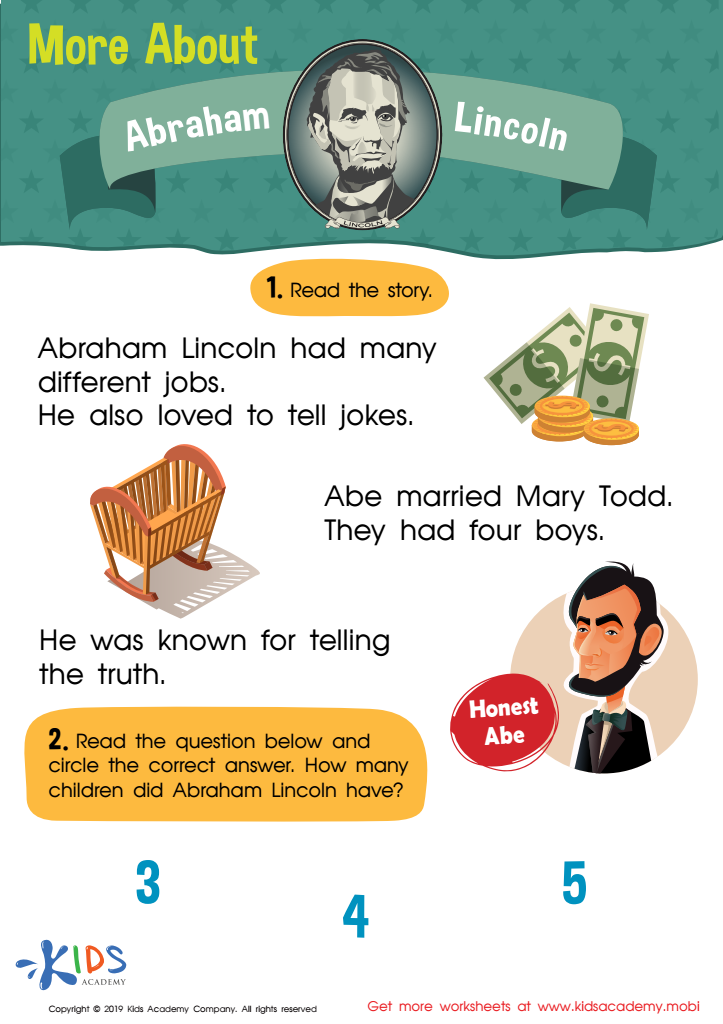
More About Abraham Lincoln Worksheet
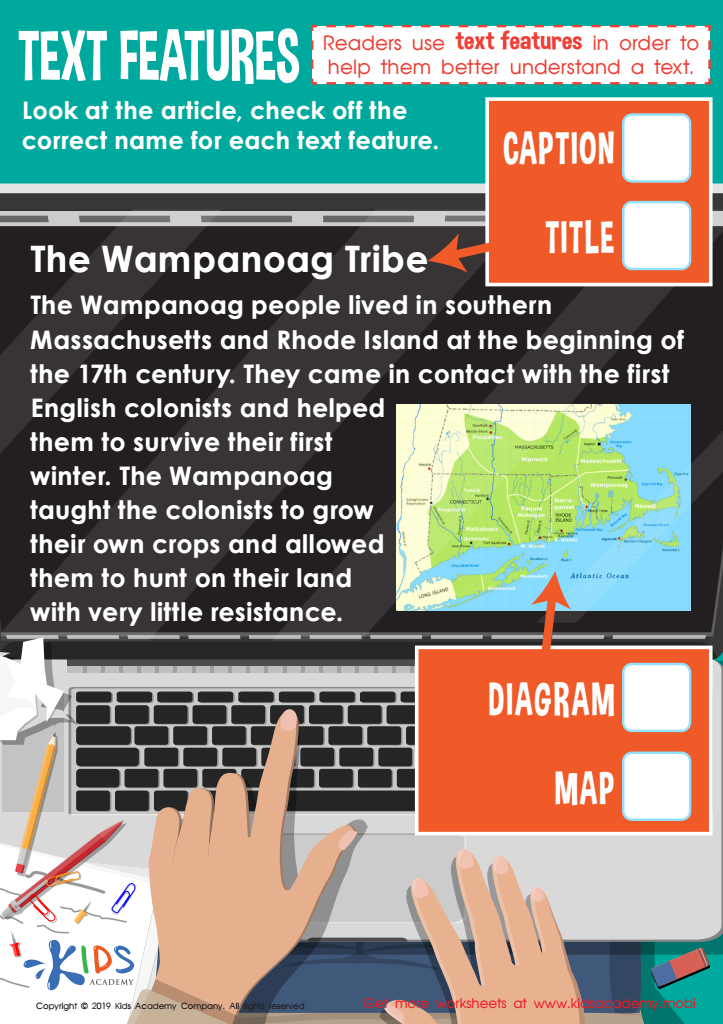
Text Features Worksheet








Developing strong reading comprehension skills in children ages 3-9 is crucial for their academic success and lifelong learning. During these formative years, children are like sponges, actively absorbing information from their surroundings. Introducing them to non-fiction reading at this stage offers numerous benefits that both parents and teachers should prioritize.
Firstly, non-fiction books provide factual information about the world, helping children expand their vocabulary and general knowledge. This enhances not only their language skills but also their ability to understand and interact with the environment around them. Exposure to various subjects, such as science, history, and geography, can ignite a child's curiosity and lead to a lifelong love of learning.
Secondly, proficient reading comprehension translates to better academic performance. When children understand what they read, they are more likely to excel in other subjects that require reading, such as math word problems and science texts. Improved comprehension also fosters critical thinking skills; children learn to analyze information, ask questions, and draw conclusions based on facts.
Moreover, enhancing reading comprehension builds confidence. As children successfully read and understand more complex texts, they feel a sense of achievement. This self-assurance encourages them to tackle more challenging materials, setting a positive, forward-thinking academic trajectory.
For these reasons, improving reading comprehension skills, especially through non-fiction reading, should be a priority for both parents and teachers in nurturing well-rounded, informed, and confident young learners.








