Reading Skills Reading Non-Fiction Worksheets for Ages 3-9
4 filtered results
-
From - To
Enhance your child's reading abilities with our engaging non-fiction worksheets designed for ages 3-9! Our carefully curated resources foster essential reading skills, allowing young learners to explore the fascinating world of facts and information. Each worksheet targets comprehension, vocabulary, and critical thinking, making learning both fun and effective. Featuring colorful illustrations and interactive activities, these worksheets cater to various learning styles and encourage a love for reading. Ideal for classroom use or at-home practice, our reading non-fiction worksheets help inspire curiosity while building foundational skills. Start your child's journey toward literacy today and watch them thrive as confident readers!
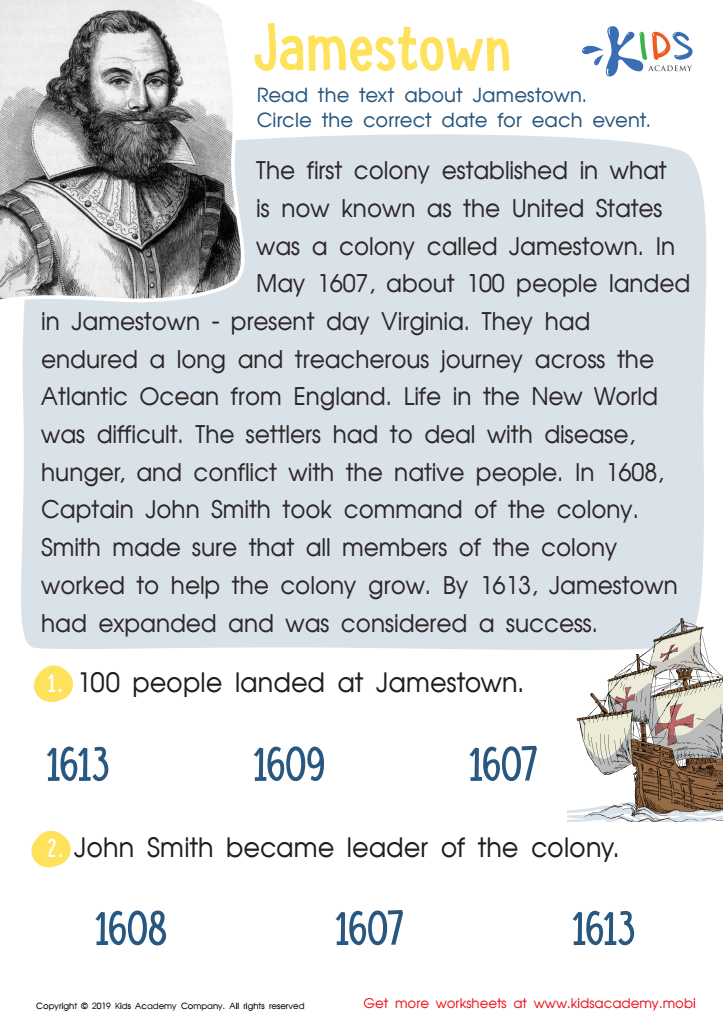
Jamestown Worksheet
 Assign to My Students
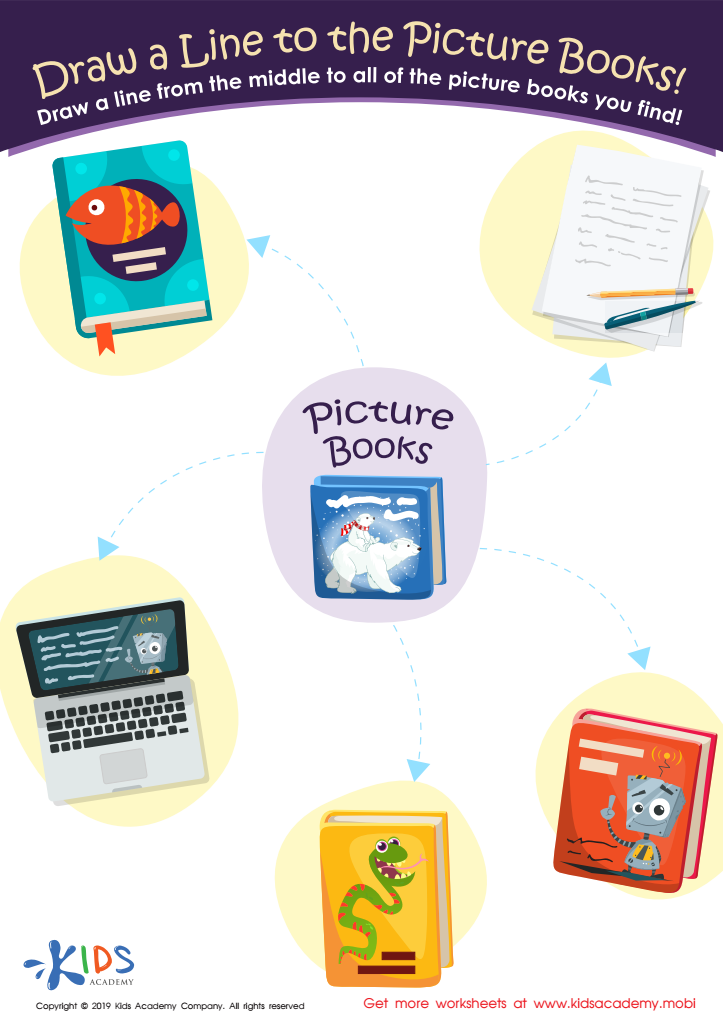
Draw a Line to the Picture Books Worksheet
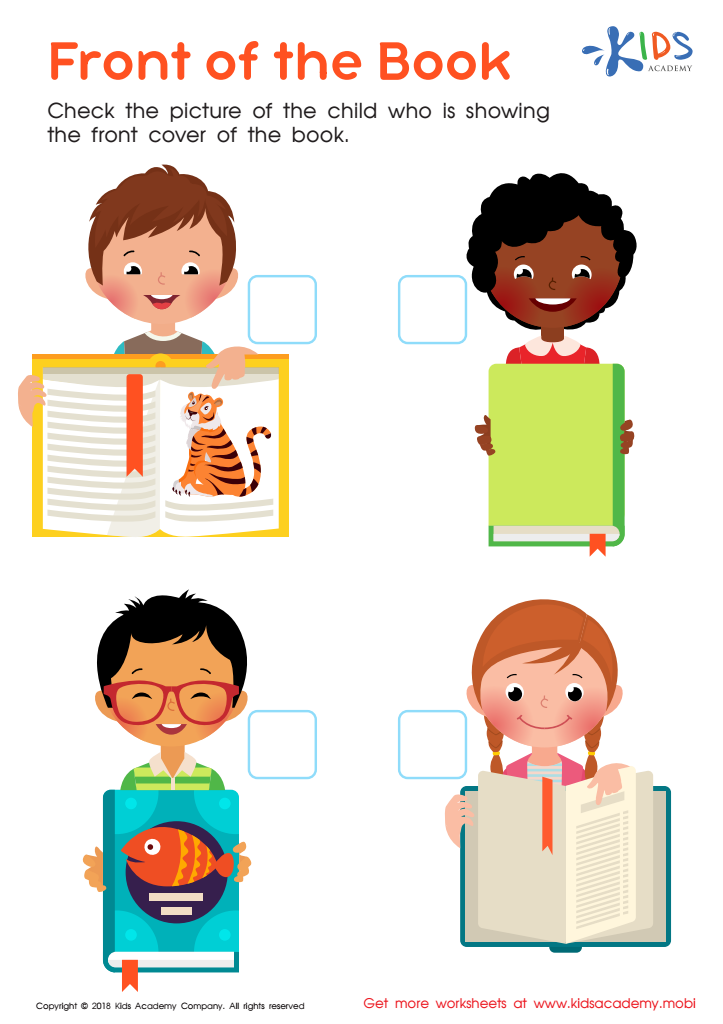
Front of the Book Worksheet
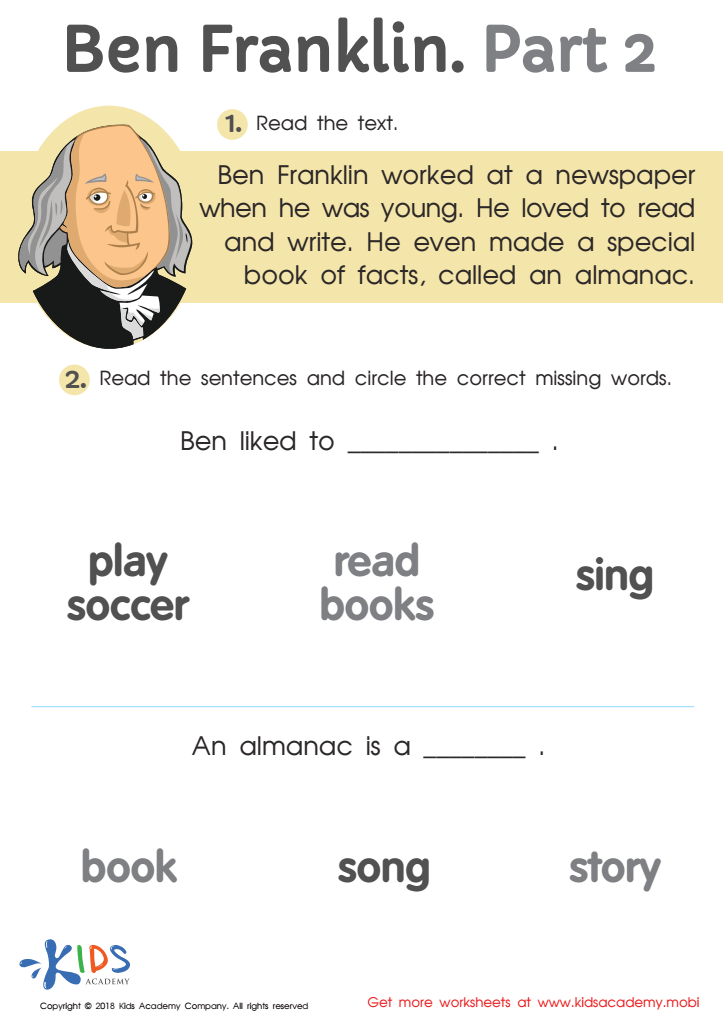
Ben Franklin Part 2 Worksheet








Developing reading skills in non-fiction texts for children aged 3-9 is crucial for several reasons. Firstly, non-fiction reading introduces young learners to real-world concepts, enhancing their understanding of the world around them. It exposes them to facts, ideas, and various perspectives, fostering curiosity and critical thinking. As children comprehend factual content, they begin to ask questions, promoting engagement and deeper learning.
Additionally, non-fiction books often contain a range of vocabulary and specialized terminology, which help enrich language development. This exposure lays the groundwork for literacy skills that extend beyond the classroom, preparing children for academic success as they progress through their education.
Integrating non-fiction reading also cultivates a love for learning. When children see that books can provide answers and satisfy their curiosity, they are more likely to develop a lifelong reading habit. For parents and teachers, understanding the importance of non-fiction reading can enhance instructional strategies and resource choices, ensuring children are not only proficient readers but also well-informed thinkers.
Overall, fostering reading skills in non-fiction texts equips children with essential knowledge and tools that contribute to their personal growth and educational journeys. It can significantly inform how children perceive the world, influencing their future engagement with learning.








