Vocabulary Building Reading Non-Fiction Worksheets for Ages 3-9
4 filtered results
-
From - To
Enhance your child's vocabulary with our engaging vocabulary building reading non-fiction worksheets, specifically designed for ages 3-9. These interactive worksheets encourage young learners to explore a variety of non-fiction topics, fostering both reading comprehension and vocabulary expansion. Each activity is tailored to develop crucial language skills while making learning fun and accessible. From identifying key terms to contextual understanding, children will build a strong foundation for effective communication. Perfect for home or classroom use, our worksheets provide diverse and age-appropriate content that inspires curiosity and a love for reading. Start empowering your child's vocabulary journey today!
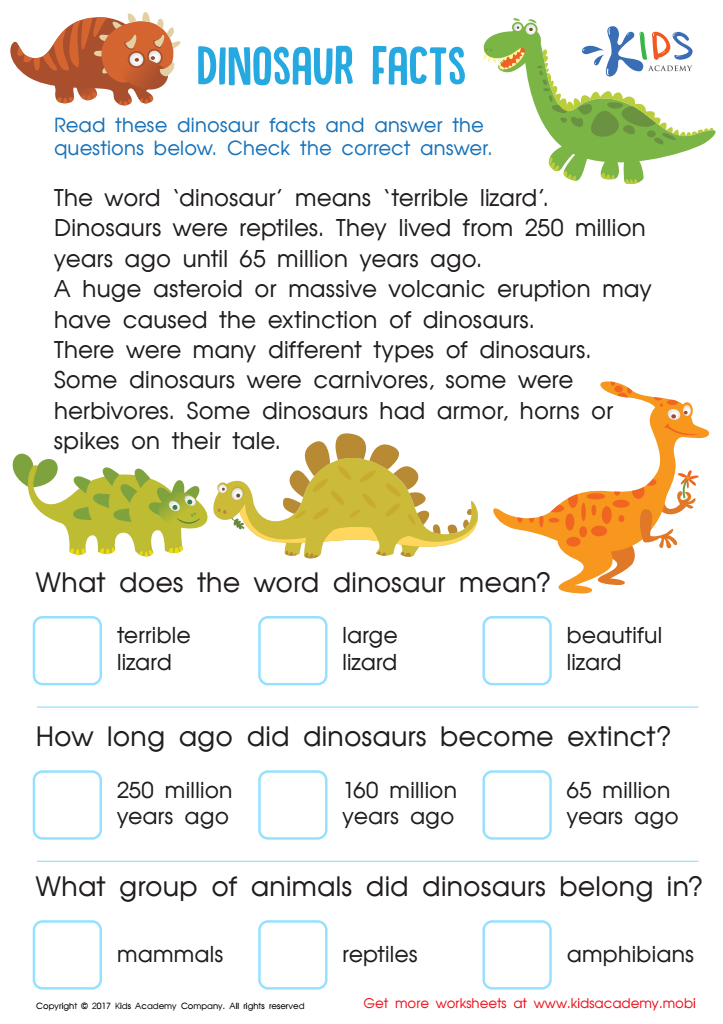
Dinosaur Facts Worksheet
 Assign to My Students
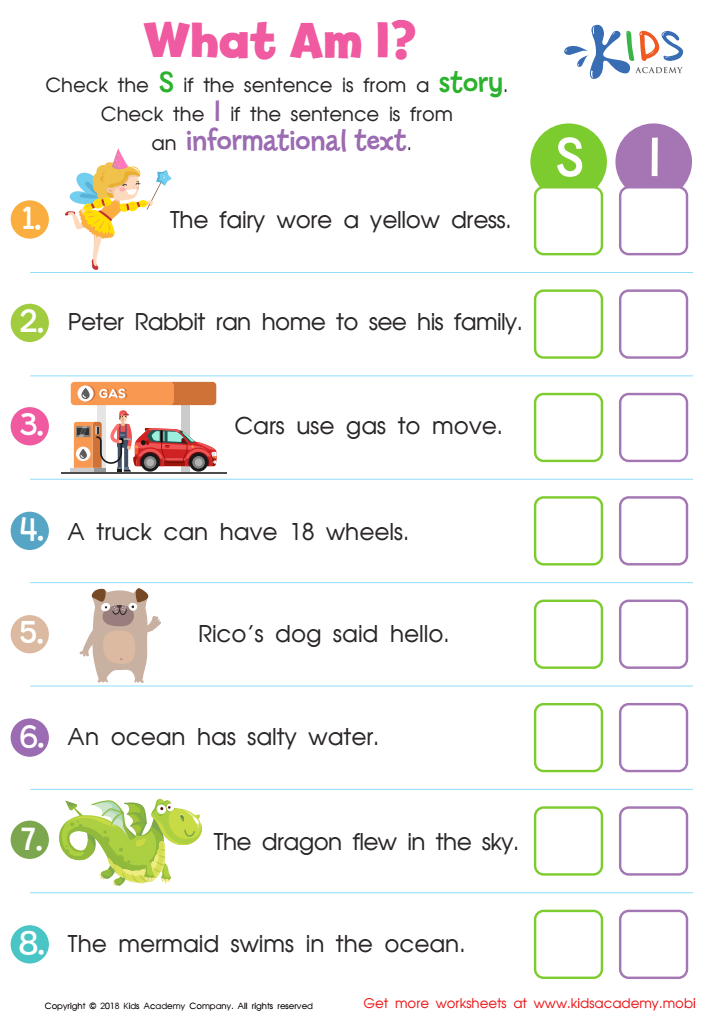
What Am I? Worksheet
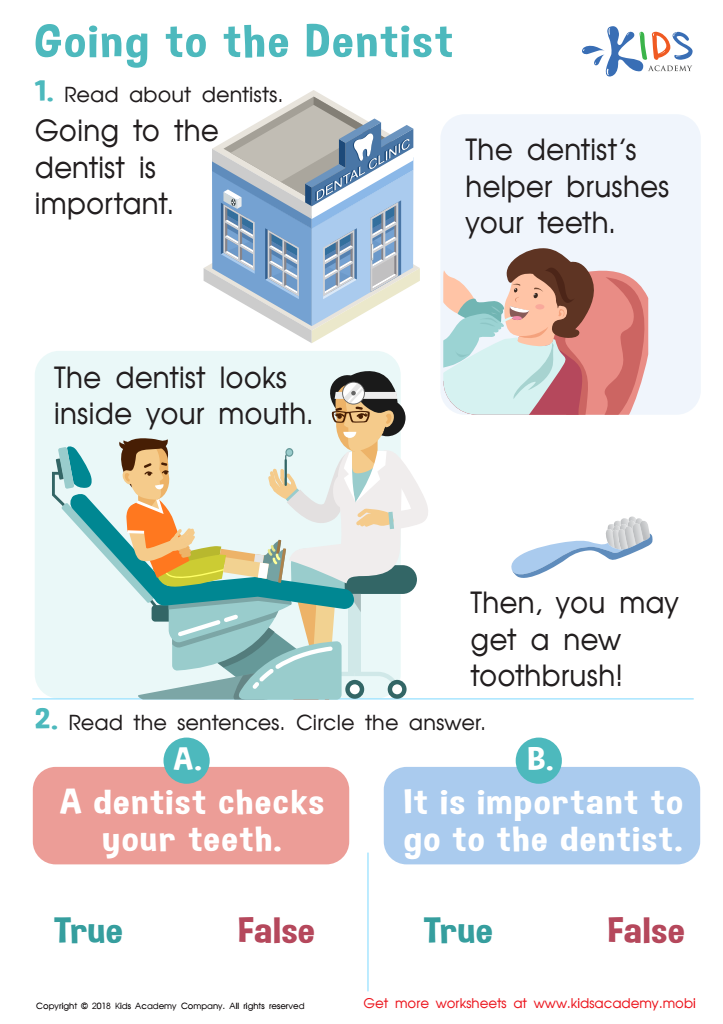
Going to the Dentist Part 2 Worksheet
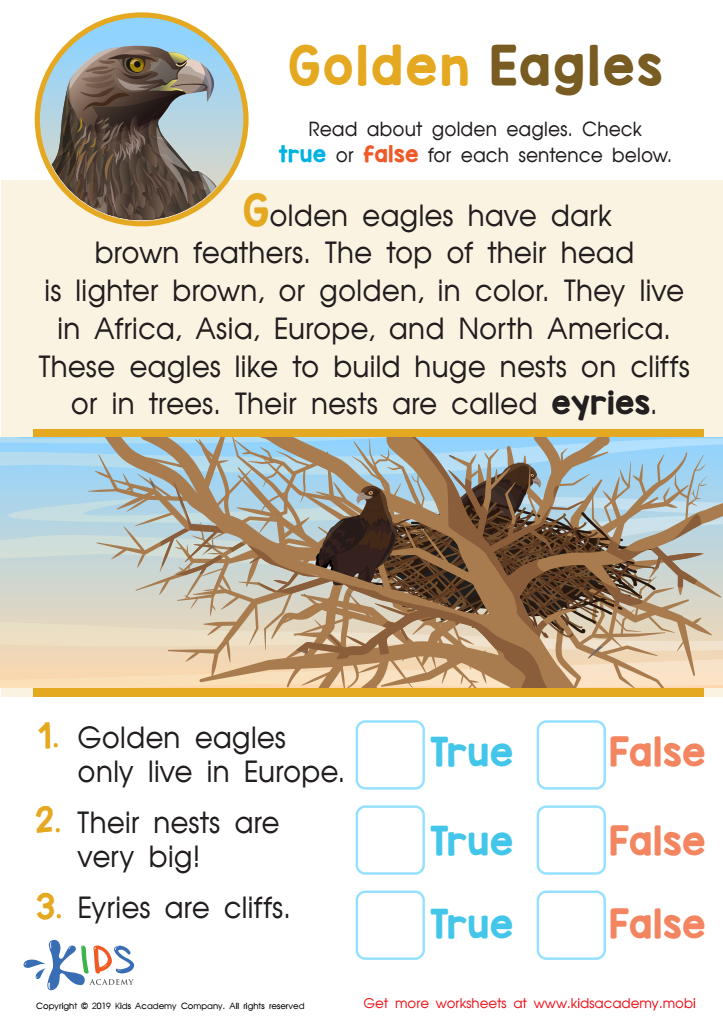
Golden Eagles Worksheet








Vocabulary building through reading non-fiction is crucial for children ages 3-9, as it lays the foundation for language development, literacy skills, and cognitive growth. At this developmental stage, children are naturally curious about the world around them. Introducing them to non-fiction texts expands their knowledge about various subjects, such as animals, science, cultures, and history. These texts not only offer factual information but also expose young readers to new words, phrases, and concepts essential for effective communication.
Research shows that a robust vocabulary contributes to better reading comprehension and academic success later in school. By engaging with non-fiction, children learn to make connections between their reading and real-world experiences, fostering critical thinking and helping them formulate questions and opinions.
Moreover, literature that portrays diverse subjects enhances cultural awareness and empathy, traits that are increasingly vital in today’s interconnected world. Parents and teachers play a pivotal role in guiding children’s reading experiences. By actively choosing non-fiction books and encouraging discussions around them, they can support vocabulary acquisition and inspire a lifelong love of learning. In essence, prioritizing non-fiction reading serves as an investment in a child’s future, cultivating informed and articulate individuals.








