Fraction comparison Sight Words Worksheets for Ages 3-9
12 filtered results
-
From - To
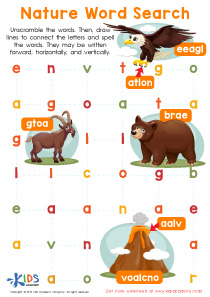
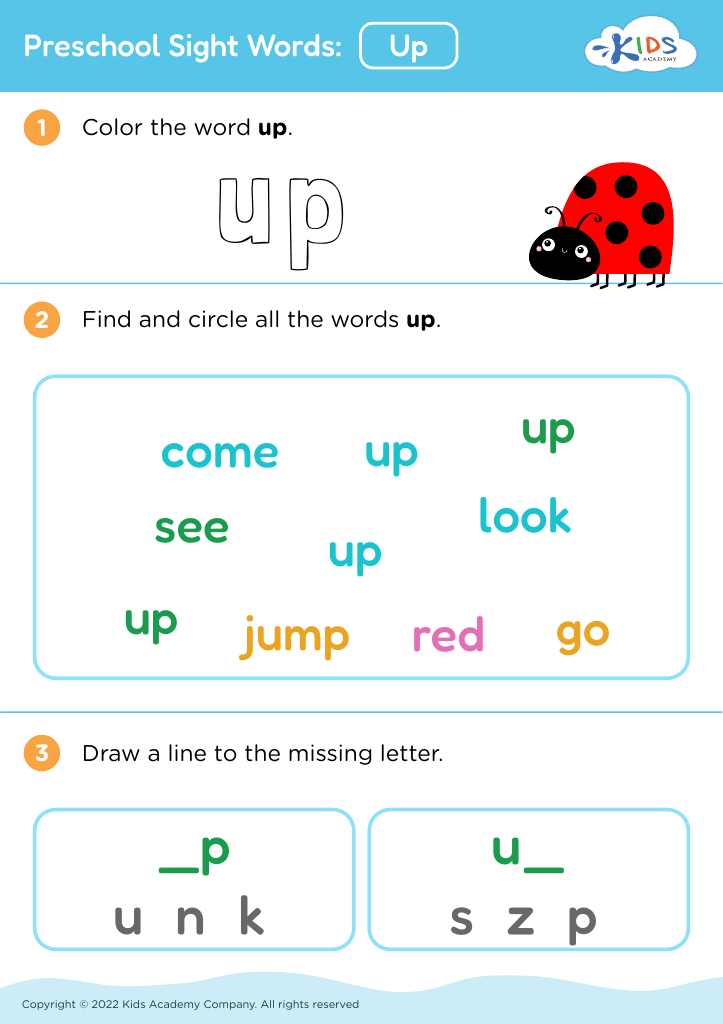
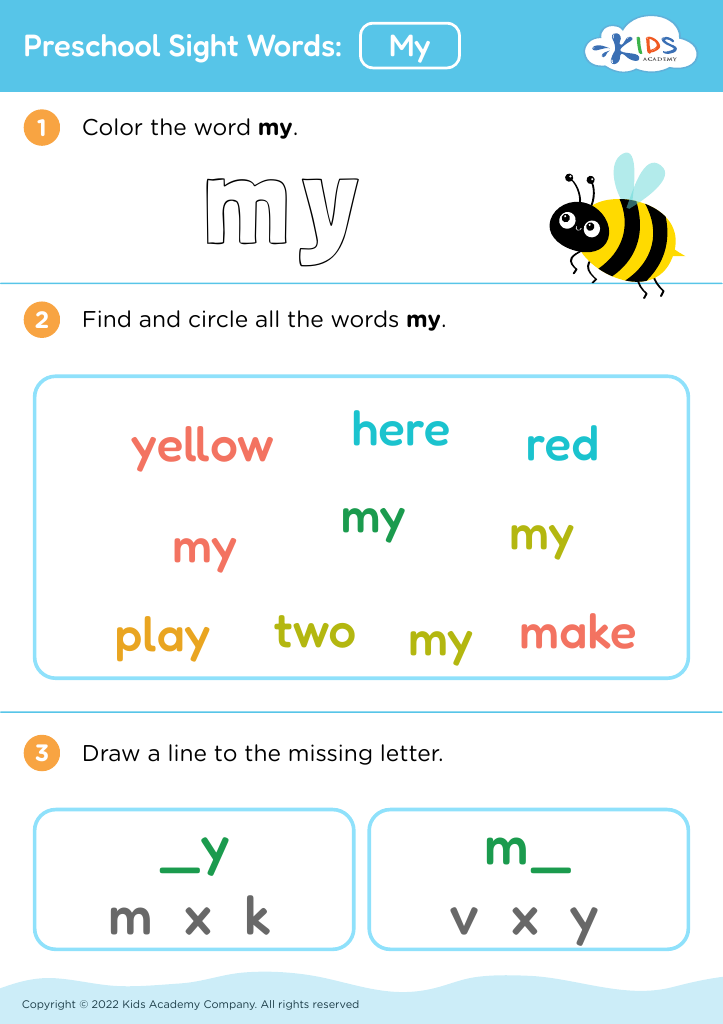
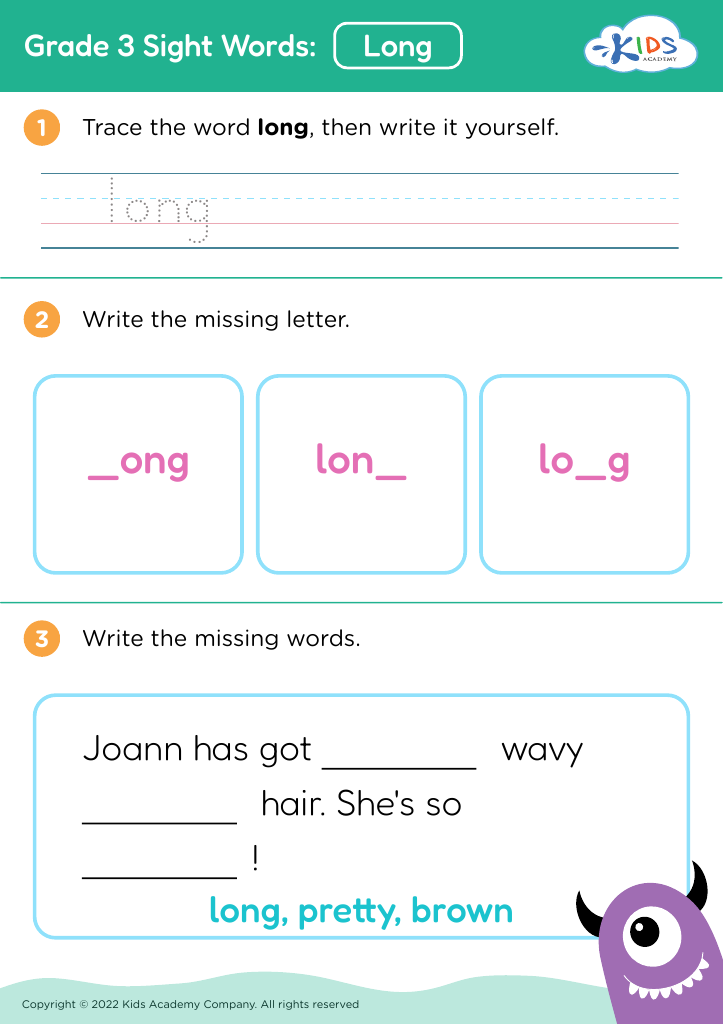
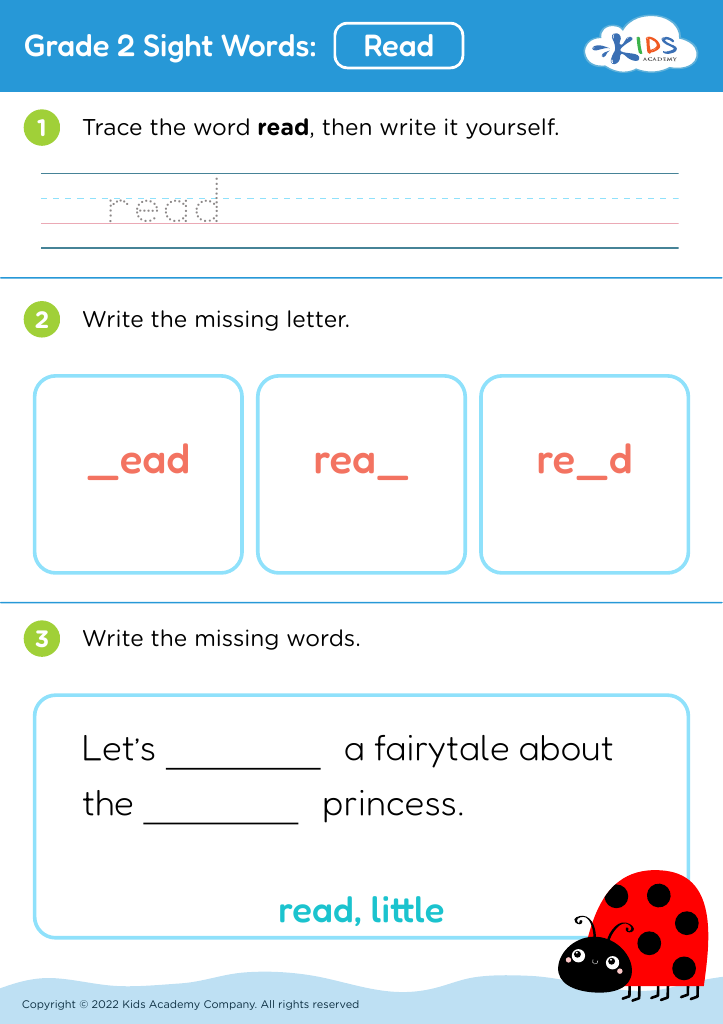
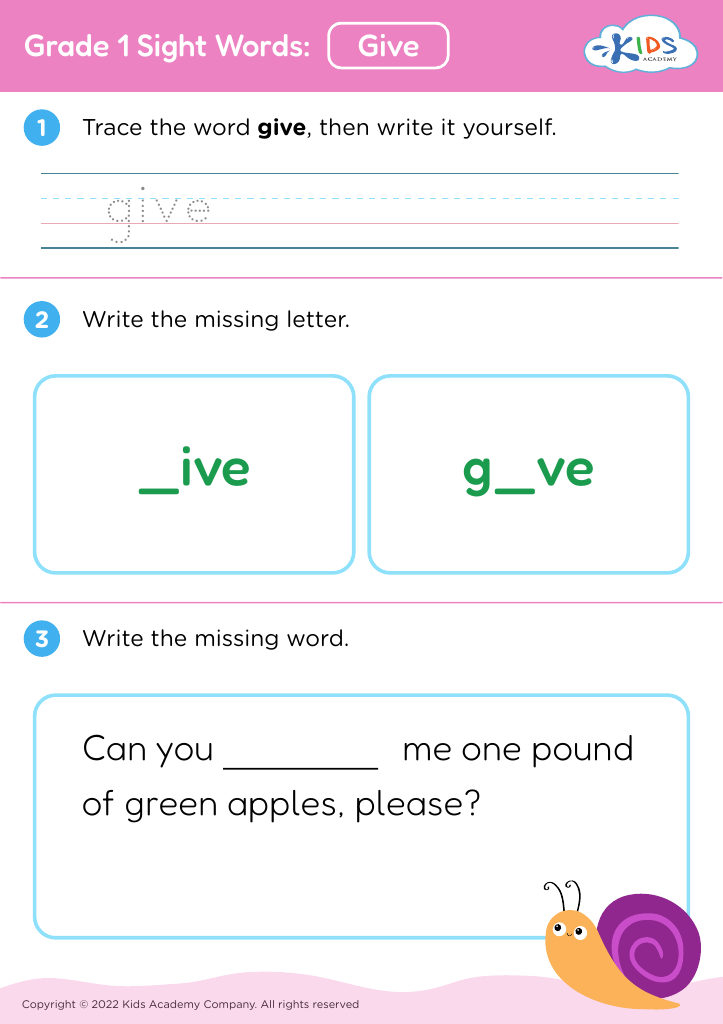
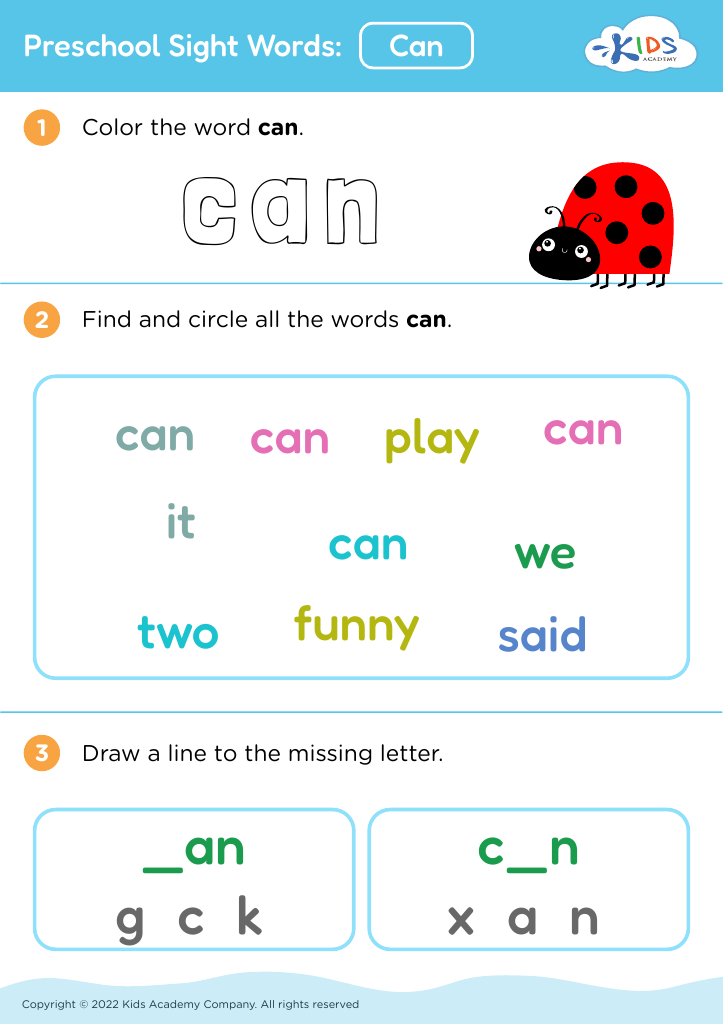
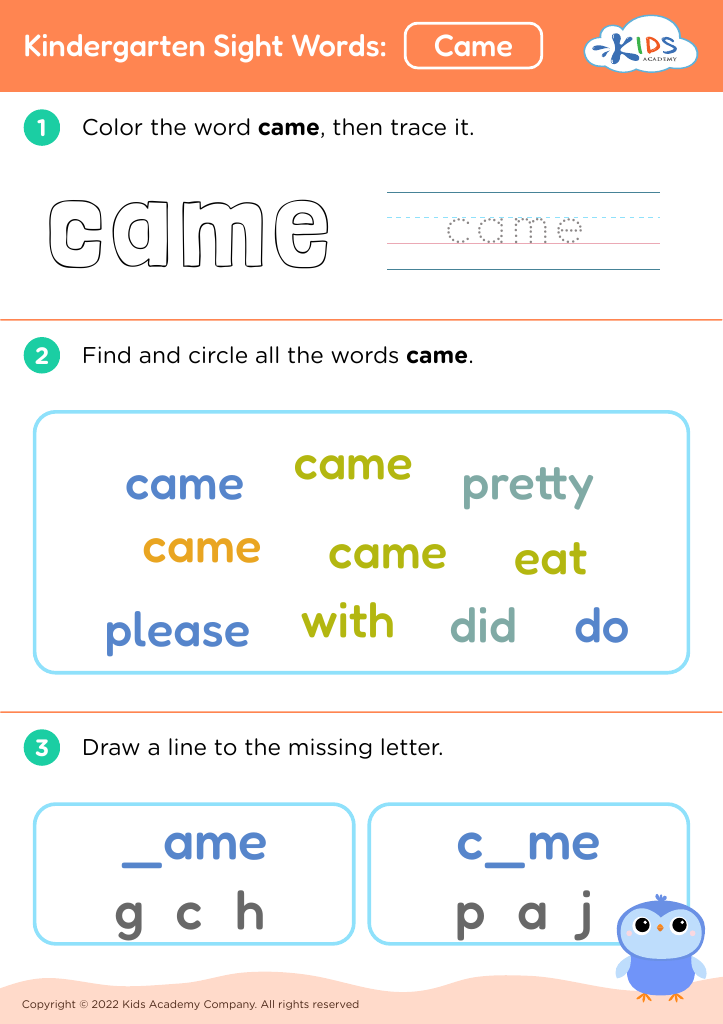
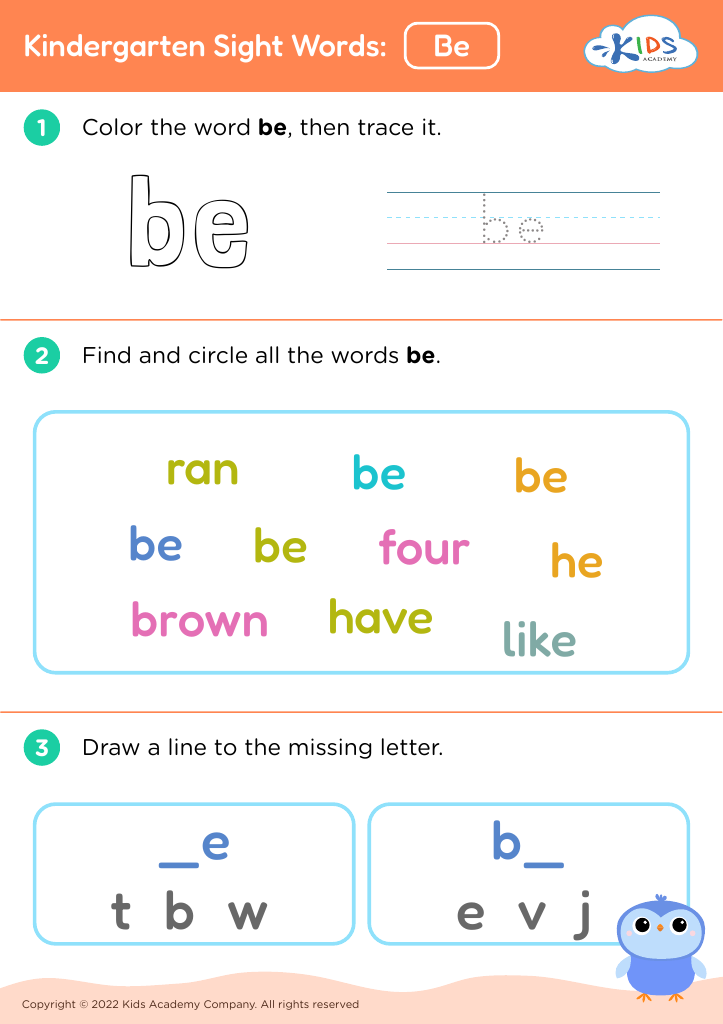
Introduce your child to the world of fractions while enhancing sight word recognition with our "Fraction Comparison Sight Words Worksheets for Ages 3-9." These engaging, printable worksheets combine essential math skills with fundamental reading practice, catering specifically to young learners. Designed to make learning enjoyable, our activities help children identify and compare fractions, while reinforcing common sight words in context. Perfect for both classroom and home use, these worksheets foster a deeper understanding of fractions and improve reading proficiency. Dive into a fun, interactive learning experience that builds strong foundational skills in math and literacy.




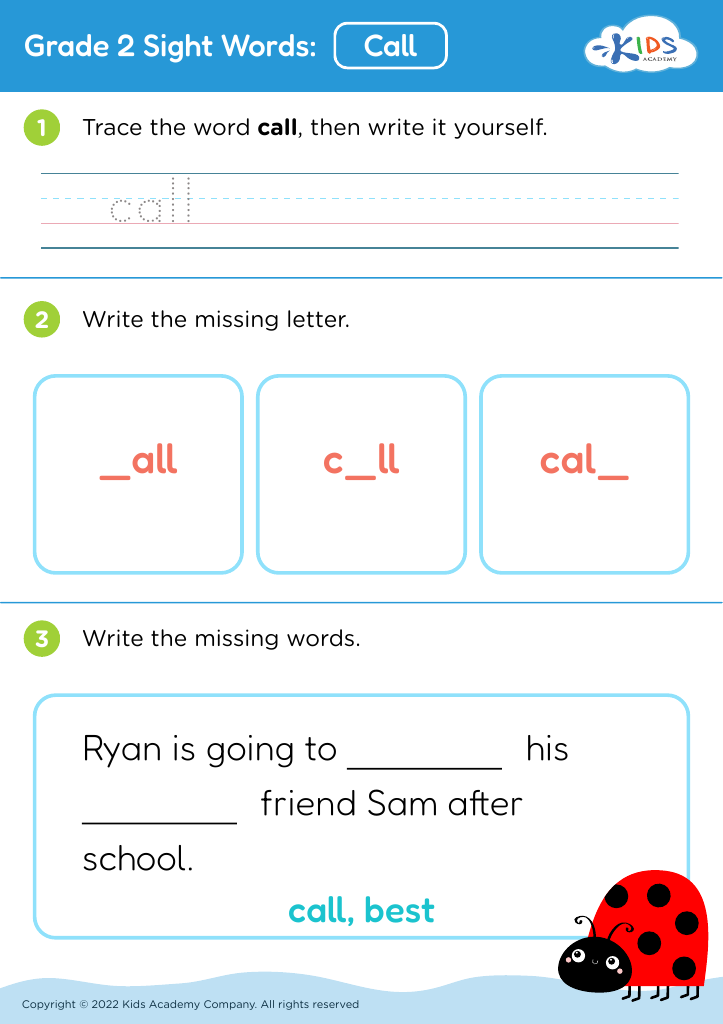
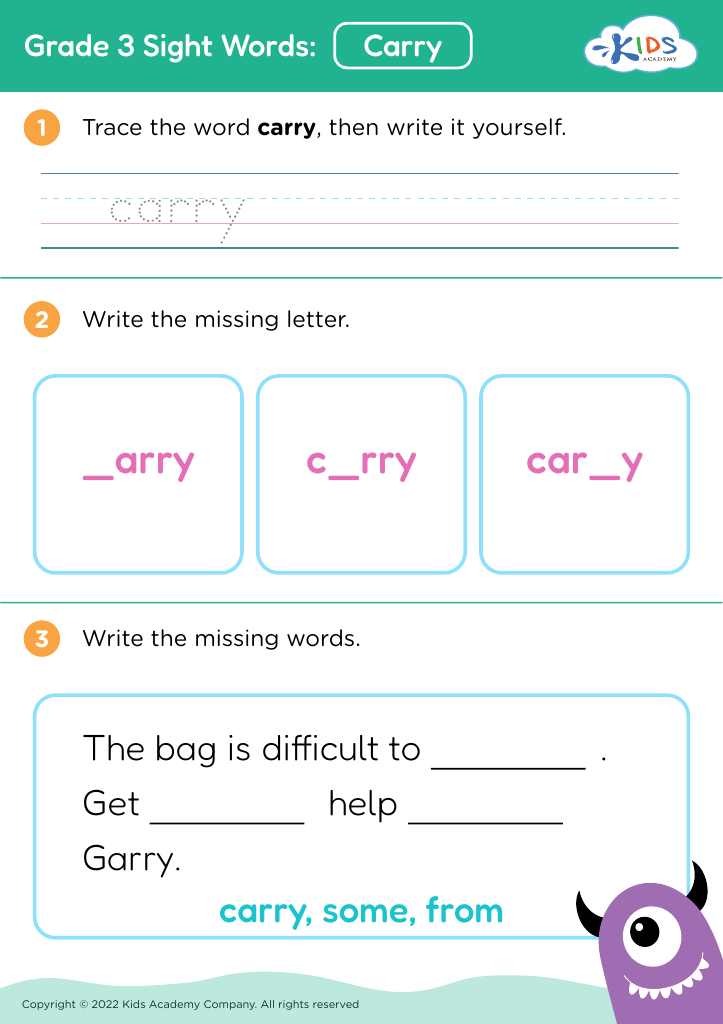
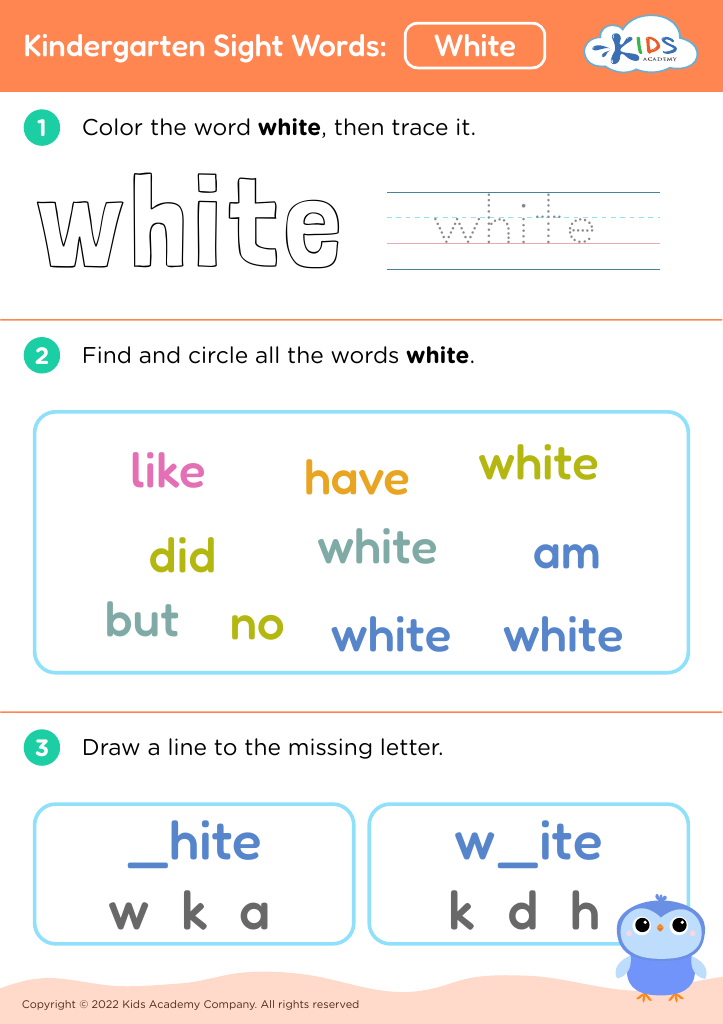
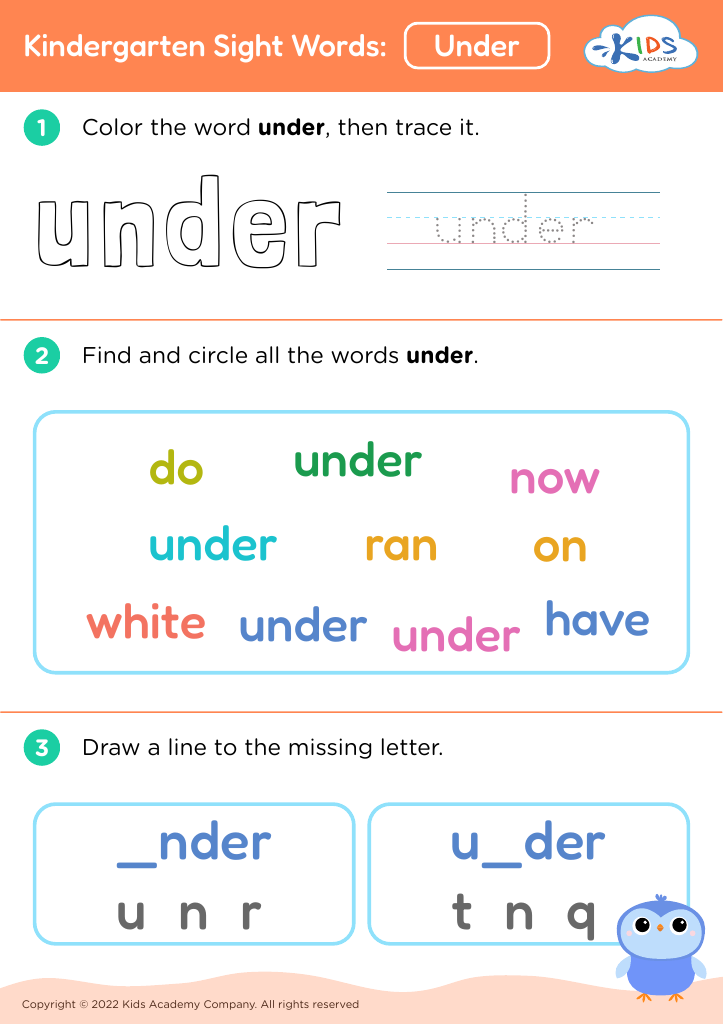





.jpg)


Fraction comparison and sight words are critical components of early education for children ages 3-9, providing foundational skills necessary for academic success.
First, understanding fractions and their comparisons is a fundamental aspect of mathematical literacy. Early exposure helps children develop critical thinking, problem-solving skills, and the ability to compare and differentiate sizes. Mastery of fractions builds a solid groundwork for more complex concepts in later years, such as ratios, percentages, and algebra. By making these skills intuitive through early practice, children are more likely to excel in math, a subject vital for many academic and professional paths.
Simultaneously, sight words—common words that young readers should recognize instantly—form the cornerstone of reading ability. Proficiency in sight words enhances fluency, as children no longer need to laboriously decode frequently occurring words. This ease of reading fosters a love for books, increases reading speed and comprehension, and ultimately supports learning across all subjects. When children can effortlessly recognize sight words, they are better equipped to understand context, derive meaning, and expand their vocabulary.
Overall, when parents and teachers prioritize these critical areas, they ensure balanced cognitive development. Children become confident, competent learners who can tackle the challenges of higher education and life beyond the classroom, paving the way for future success.