Logical thinking Sight Words Worksheets for Ages 3-9
3 filtered results
Difficulty Level
Grade
Age
-
From - To
Subject
Activity
Standards
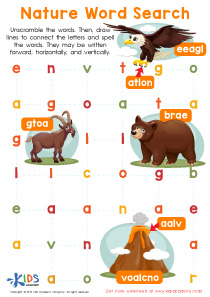
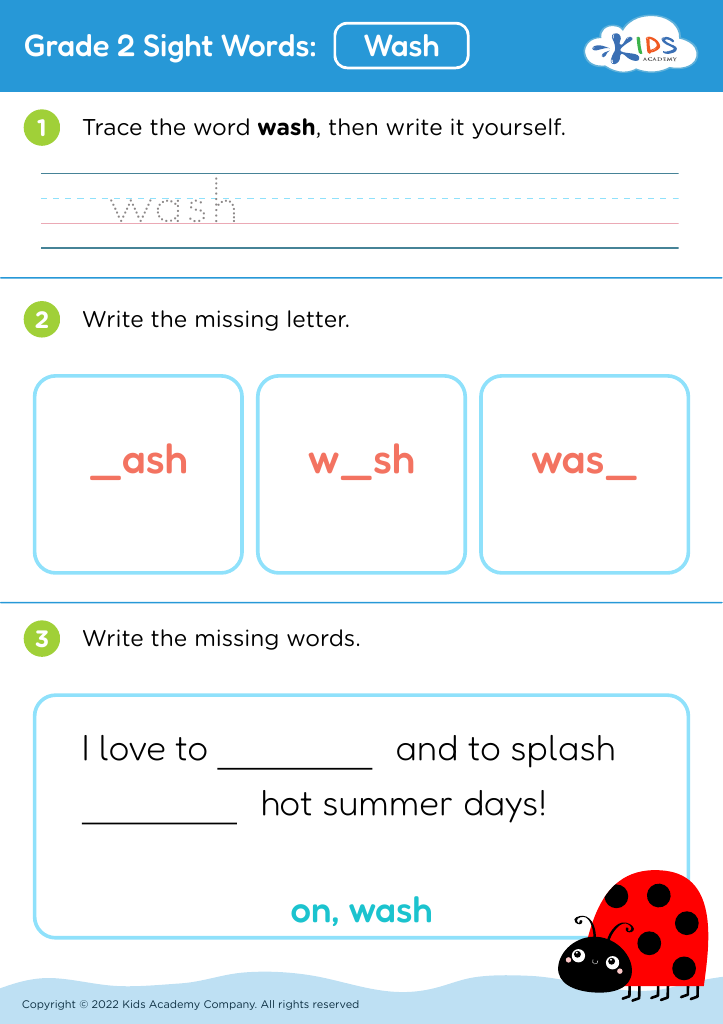
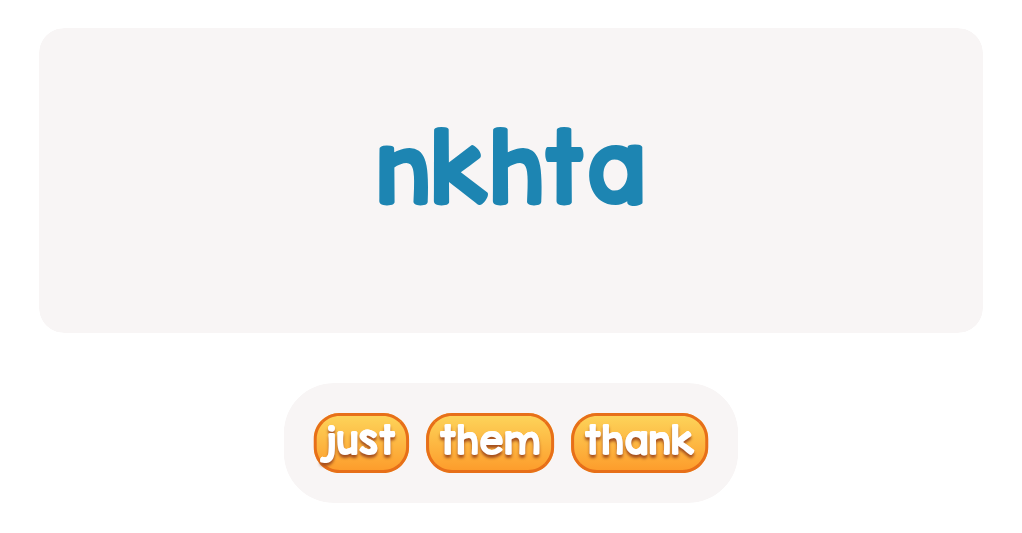
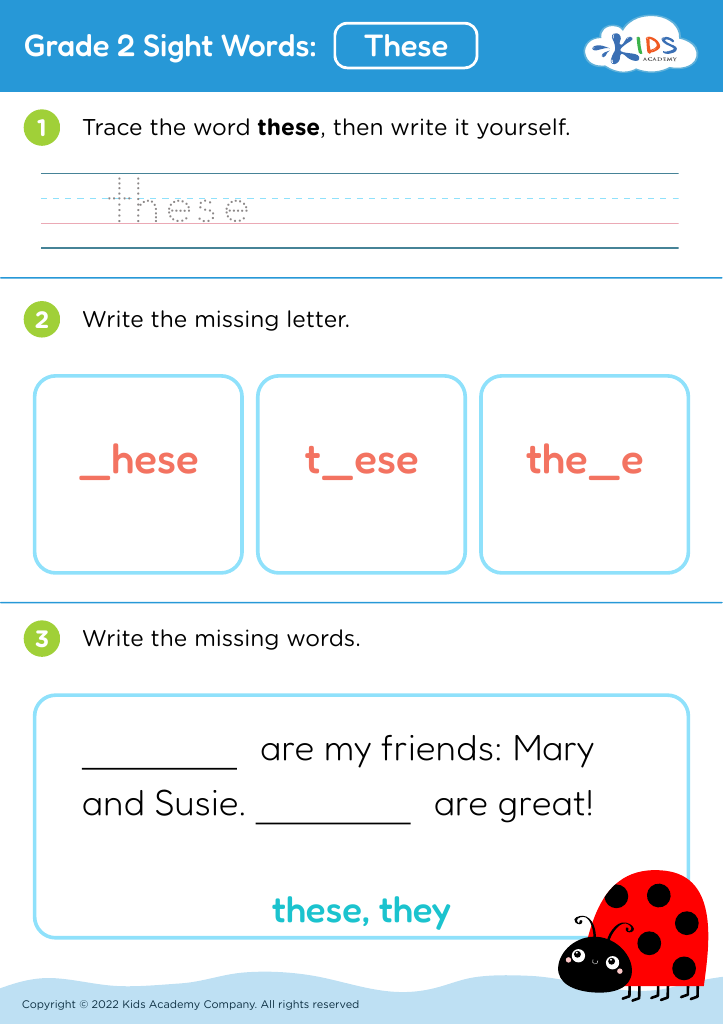
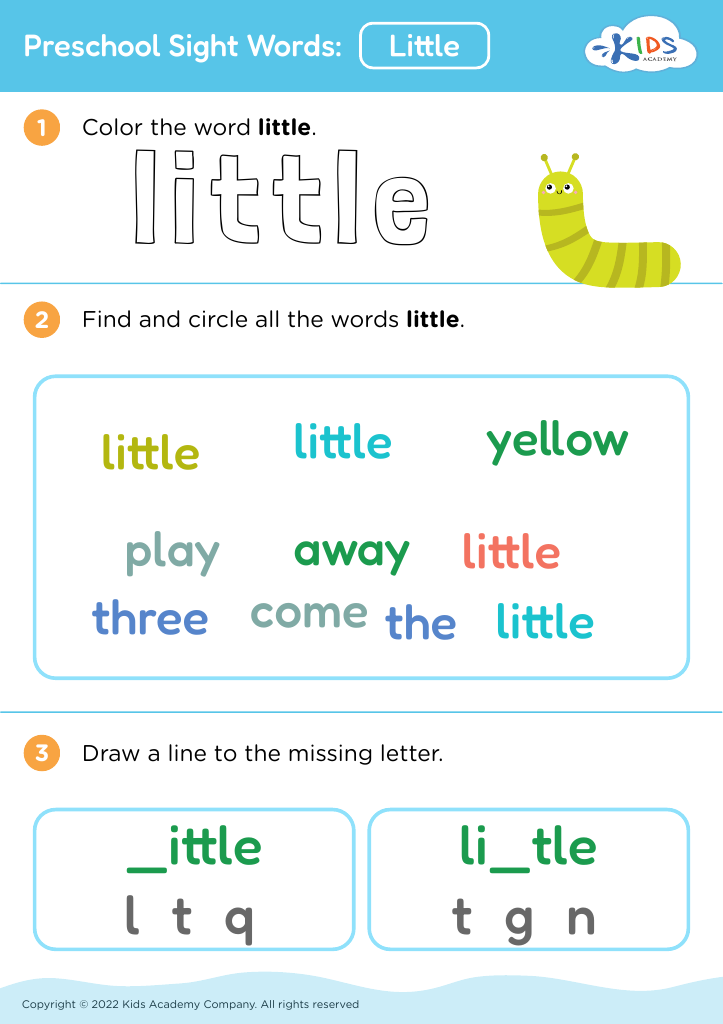
Discover our engaging "Logical Thinking Sight Words Worksheets" designed specifically for children ages 3 to 9! These interactive resources combine essential sight word recognition with exciting logical thinking activities, fostering both reading skills and cognitive development. Each worksheet challenges young learners to think critically as they match, categorize, and solve fun puzzles while becoming familiar with key sight words. Ideal for home or classroom use, our worksheets support early literacy through playful learning. Help your child strengthen their vocabulary and reasoning skills with our creative and educational materials, setting a strong foundation for a lifetime of reading success!
Favorites
With answer key
Interactive




Join Kids Academy for Free
Who is primarily going to use this learning content?







Logical thinking and sight words are crucial components of early literacy for children aged 3-9. Parents and teachers should prioritize these areas as they lay the foundation for successful reading and critical thinking skills.
First, sight words are those common words that children are encouraged to memorize to improve their reading fluency. Recognizing these words quickly aids comprehension, allowing children to focus on the meaning of the text rather than struggling with decoding. Fluency builds confidence, making children more eager to read and explore new literature.
Second, fostering logical thinking aids in developing problem-solving skills and cognitive reasoning. By encouraging logical reasoning through puzzles, games, and age-appropriate activities, educators and parents can help children make connections, draw conclusions, and think critically about their surroundings. This translates beyond reading into everyday activities across subjects, enhancing their overall learning.
Moreover, strong logical thinking skills may support children in recognizing patterns within sight words, allowing them to decode unfamiliar words effectively. Together, logical thinking and sight word recognition equip young learners with the essential tools necessary for academic success, lifelong learning, and effective communication. Engaging with these skills allows parents and teachers to nurture confident, capable readers who are prepared for future challenges.