Vocabulary Building Sight Words Worksheets for Ages 3-9
5 filtered results
-
From - To
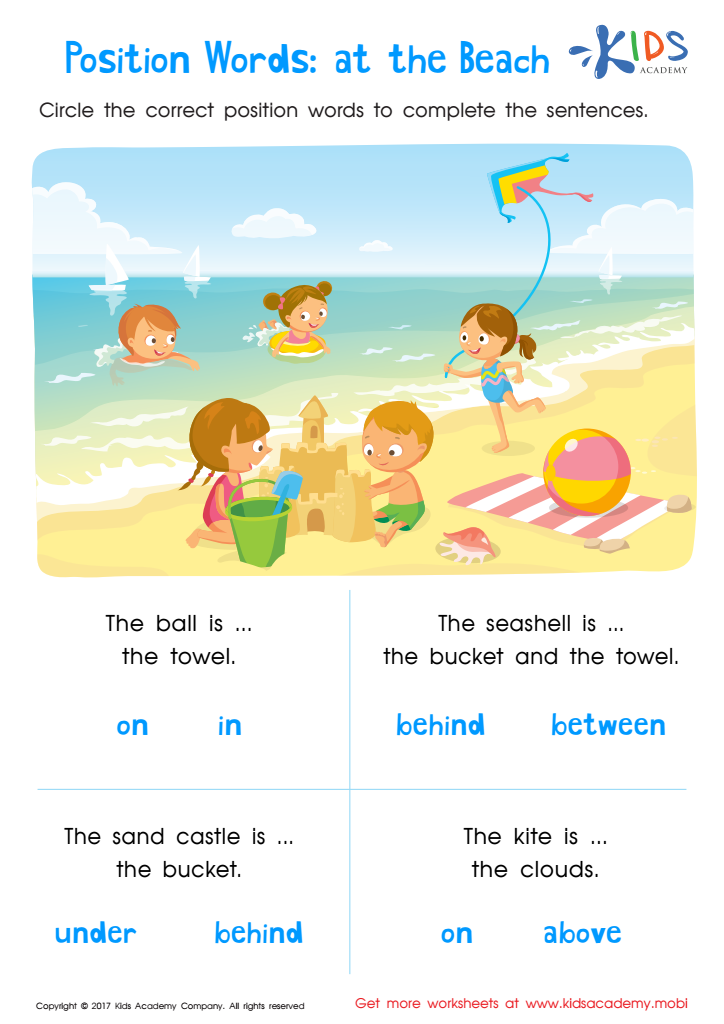
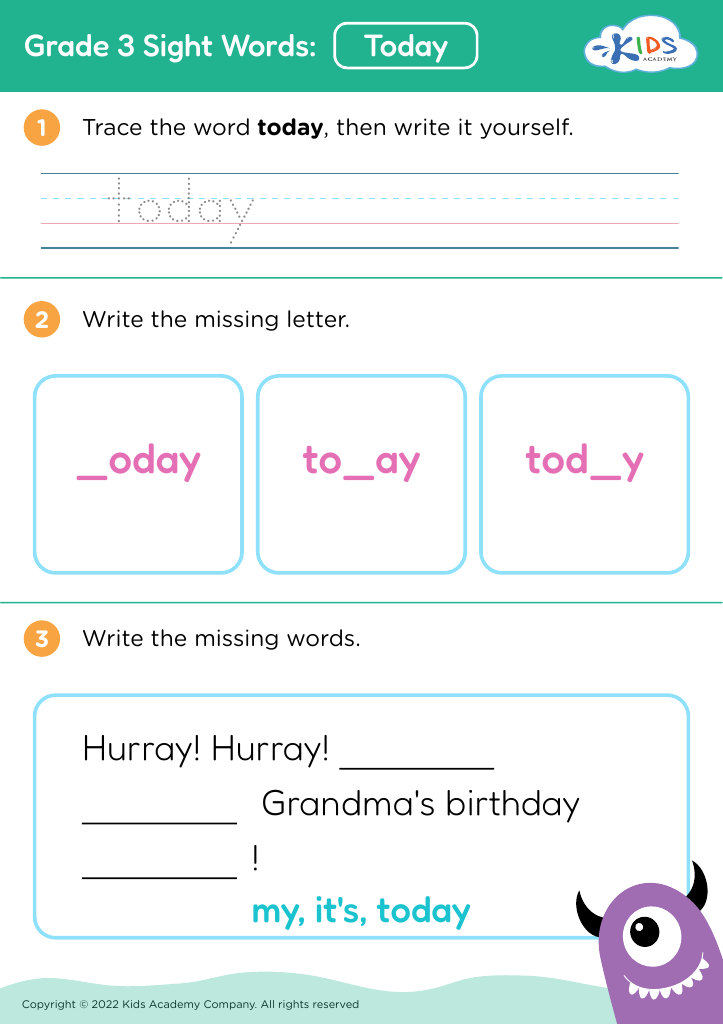
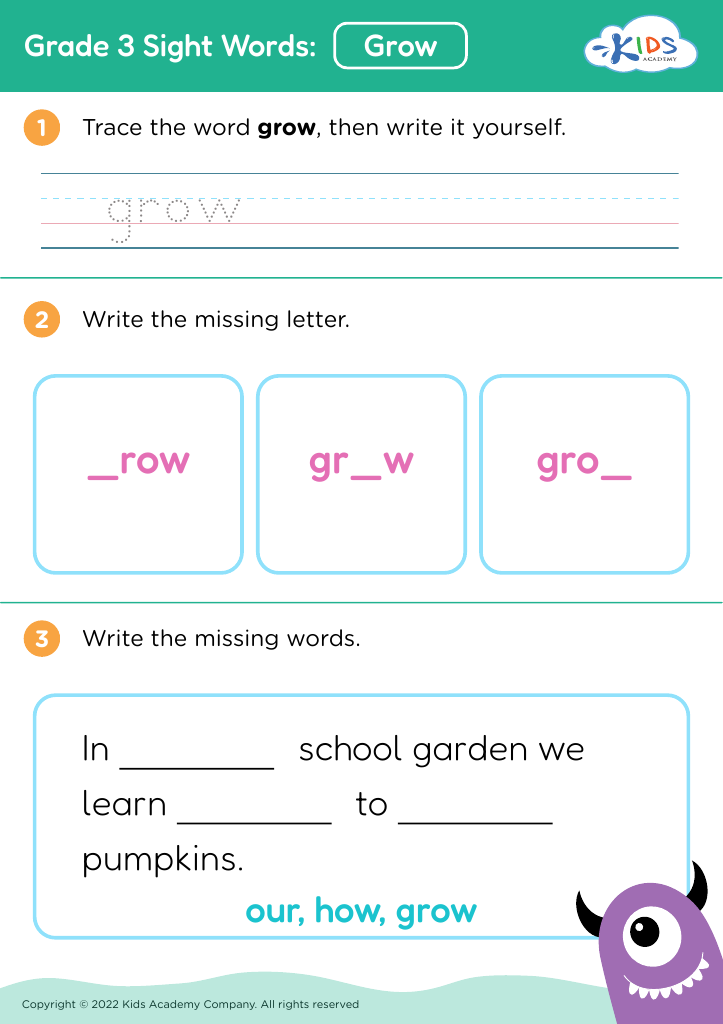
Unlock your child's potential with our Vocabulary Building Sight Words Worksheets, specially designed for ages 3-9! These engaging worksheets help young learners recognize, read, and write essential sight words, forming a strong foundation for reading fluency and comprehension. With a variety of activities, including tracing, matching, and fill-in-the-blank exercises, children will develop critical language skills while having fun! Our carefully curated resources cater to different learning styles, ensuring an effective and enjoyable experience. Explore our interactive and colorful worksheets today to Foster a love for reading and elevate your child’s vocabulary in a playful and stimulating way! Ideal for home or classroom use.
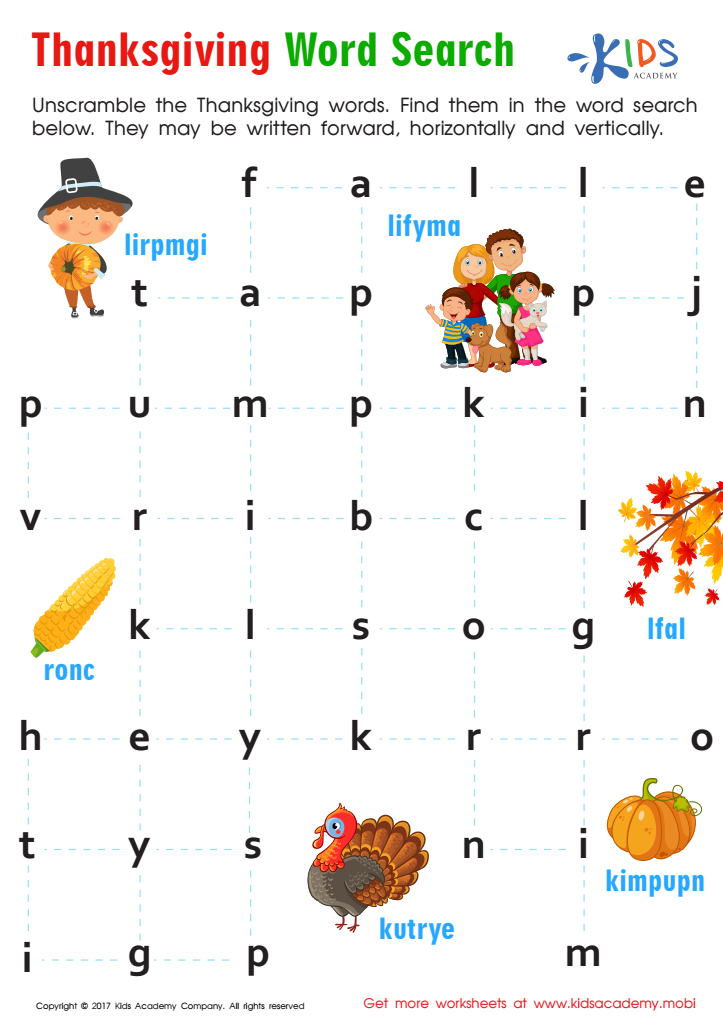
Thanksgiving Word Search Sight Words Worksheet
 Assign to My Students



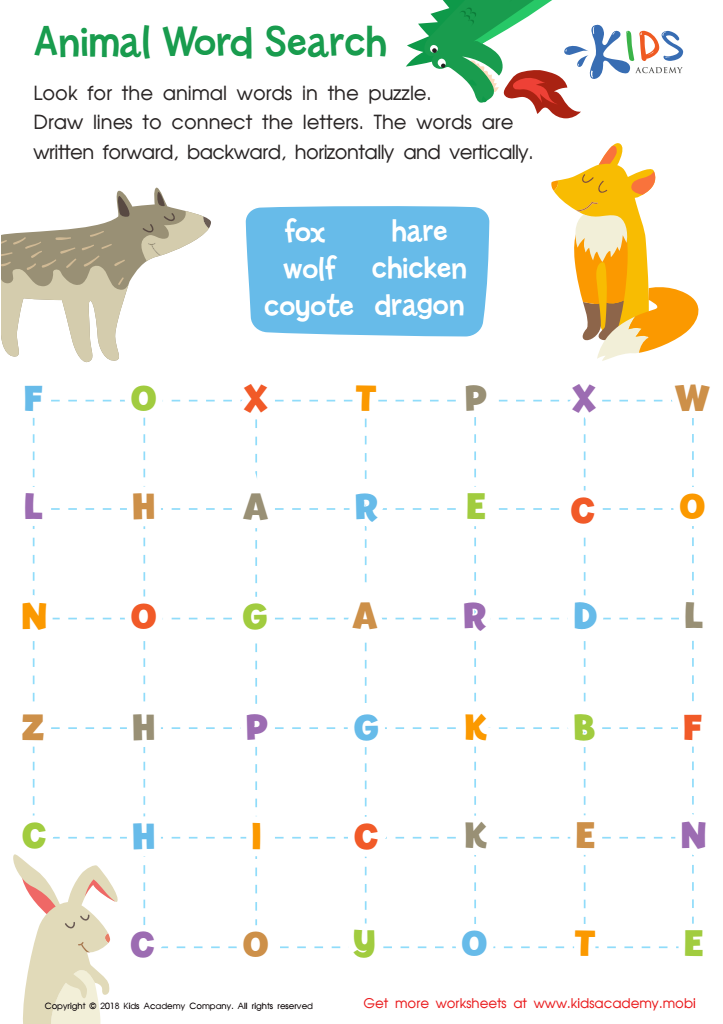
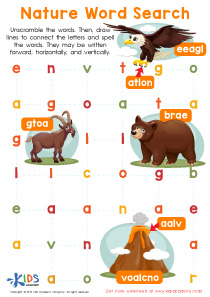
Animal Word Search Worksheet








Vocabulary Building and Sight Words are foundational elements of early literacy, crucial for children aged 3-9. Parents and teachers should prioritize this aspect of language development for several reasons.
First, sight words are commonly used words that children should recognize instantly, without needing to decode them. This automatic recognition enhances reading fluency, enabling kids to focus on comprehension rather than getting hung up on individual words. A strong vocabulary supports better understanding of texts as children progress in reading levels.
Moreover, a solid vocabulary contributes to overall communication skills, improving speaking and listening abilities. Children with rich vocabularies are better able to express themselves and comprehend complex concepts, laying the groundwork for academic success.
Additionally, early vocabulary development fosters a love for reading and learning. Engaging with words in a fun and meaningful way can motivate children and instill lifelong habits.
Finally, involving parents in vocabulary building creates a supportive home environment for learning. Together with teachers, they can use games, storytelling, and conversations to reinforce these concepts, making literacy an enjoyable experience. Investing in vocabulary and sight words during these critical years can greatly influence a child's future reading proficiency, academic achievement, and overall confidence.