Vocabulary development Animals Worksheets for Ages 3-9
4 filtered results
-
From - To
Explore our engaging Vocabulary Development Animals Worksheets designed for children ages 3-9! Our carefully crafted activities introduce young learners to the fascinating world of animals while enhancing their vocabulary skills. These worksheets include fun photo recognition, matching games, and word searches that make learning enjoyable and interactive. Perfect for teachers and parents, our resources help cultivate essential words, enriching your child's language development and comprehension. Choose from a variety of themes and levels to suit your child's needs, fostering a lifelong love for learning and wildlife. Equip your little ones with the vocabulary they need to express themselves and understand the world around them!
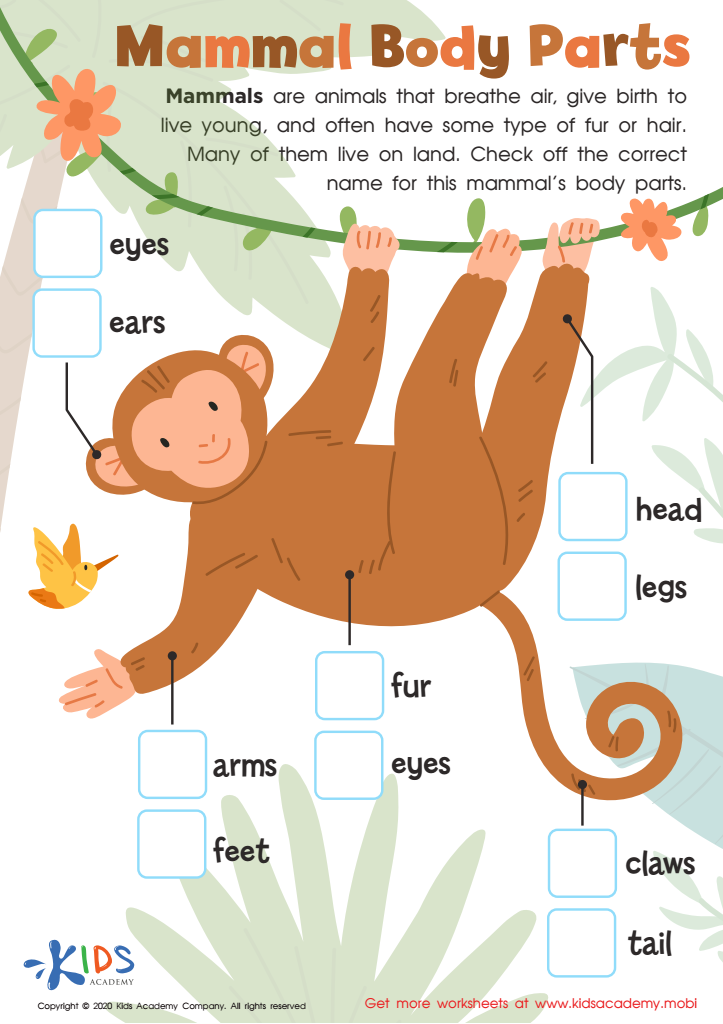
Mammal Body Parts Worksheet
 Assign to My Students
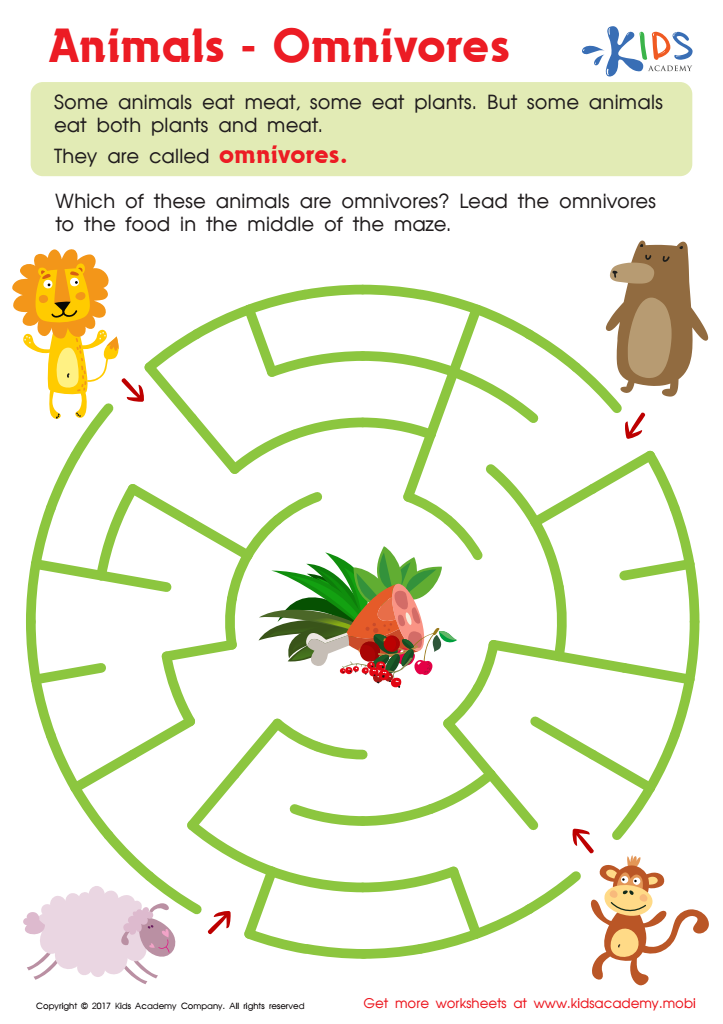
Omnivores Animals Worksheet
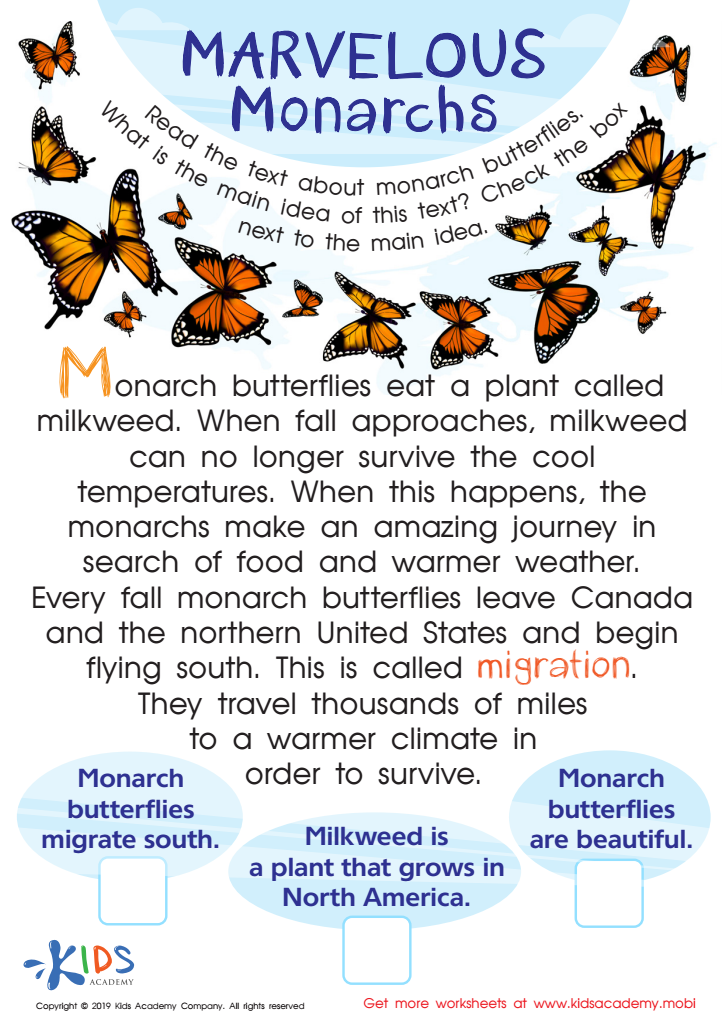
Marvelous Monarchs Worksheet
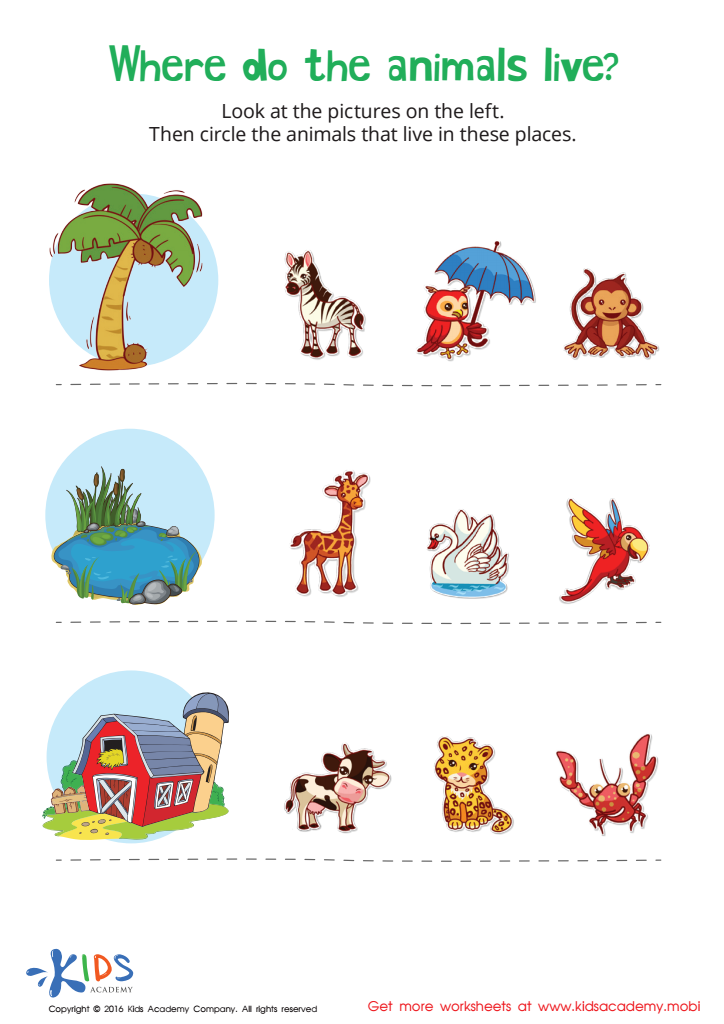
Where Animals Live Worksheet




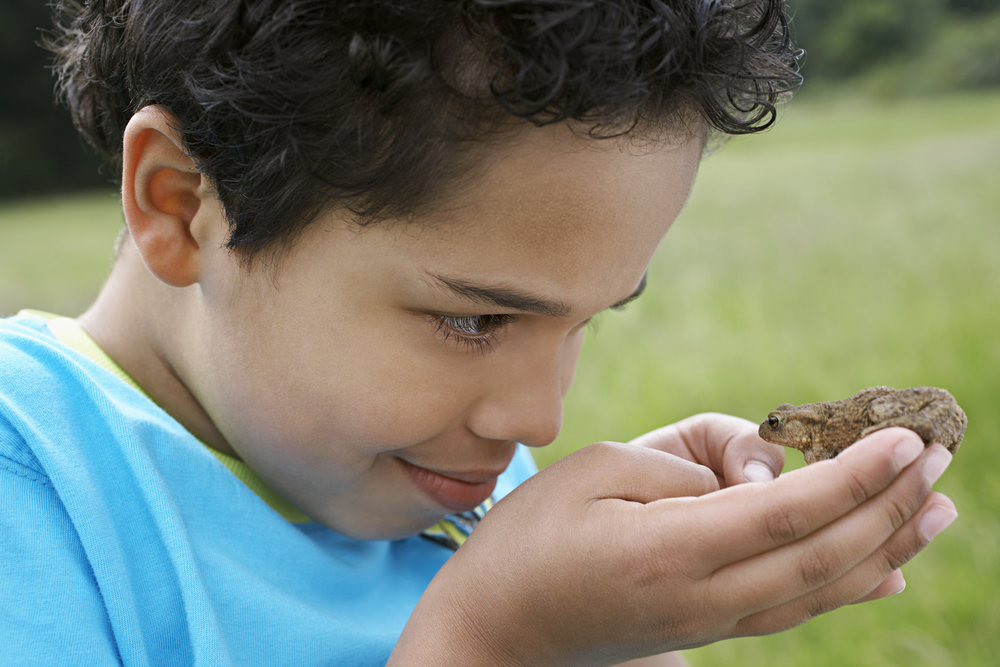



Vocabulary development in young children, especially regarding topics like animals, is essential for several reasons. First, it enriches their language skills, allowing them to express thoughts and emotions effectively. Understanding animal-related vocabulary enables children to describe their environment, enhancing storytelling and communication abilities. Additionally, a strong vocabulary fosters cognitive development, as kids learn to categorize and make connections between words and concepts.
Teaching vocabulary related to animals can spark curiosity and interest in nature and science, promoting inquiry-based learning. Children develop a sense of empathy and respect for living creatures, important values in their moral education. Engaging with animal vocabulary also contributes to literacy skills; as children learn to read, familiarity with words like "elephant" or "squirrel" helps with comprehension.
Moreover, in a classroom setting, animal vocabulary can be integrated into various subjects, from art to math, making learning interdisciplinary and fun. Activities like storytelling, crafts, and group discussions centered around animals may create a collaborative learning environment, strengthening social skills. Ultimately, by prioritizing vocabulary development in this area, parents and teachers can lay a foundational block for future academic success, critical thinking, and emotional growth in children.








