Handwriting practice Letter Sounds Worksheets for Ages 4-6
4 filtered results
-
From - To
Enhance your child's handwriting skills with our engaging Letter Sounds Worksheets specifically designed for ages 4-6. These fun and interactive worksheets combine letter recognition with fine motor practice to foster learning through play. Your little ones will practice writing letters while connecting sounds and words, reinforcing early literacy skills. Each worksheet features captivating illustrations to make learning enjoyable and memorable. Perfect for homeschoolers and educators alike, these resources support developmental milestones while keeping young learners motivated. Explore our collection today and watch your child's confidence soar as they master handwriting and letter sounds! Ideal for both classroom and at-home use.
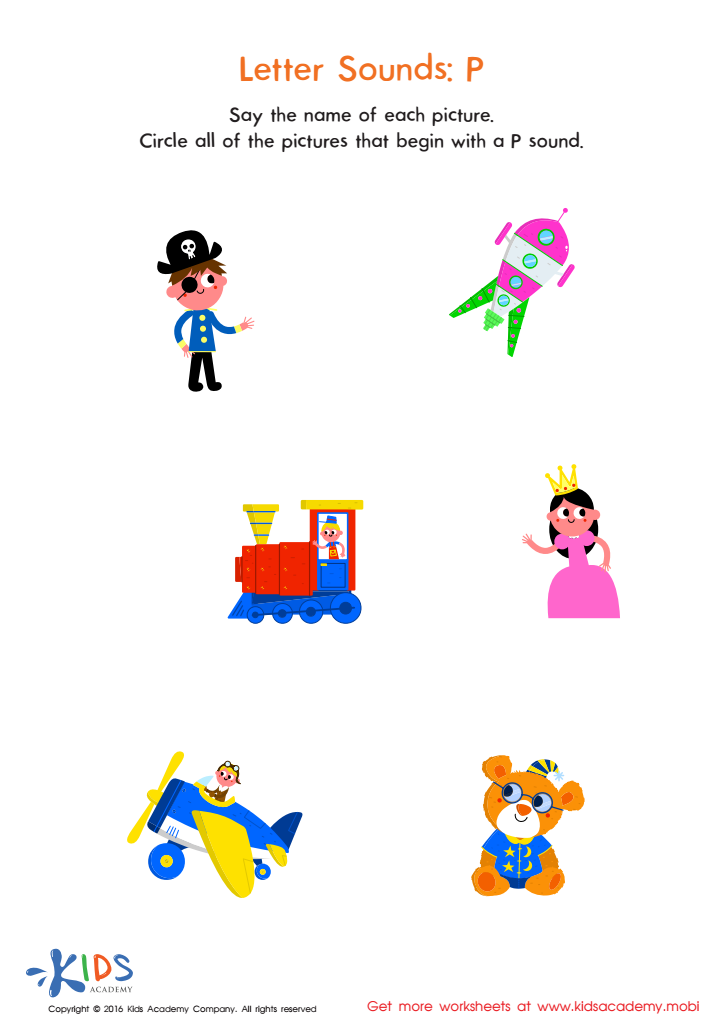
Letter P Sound Worksheet
 Assign to My Students
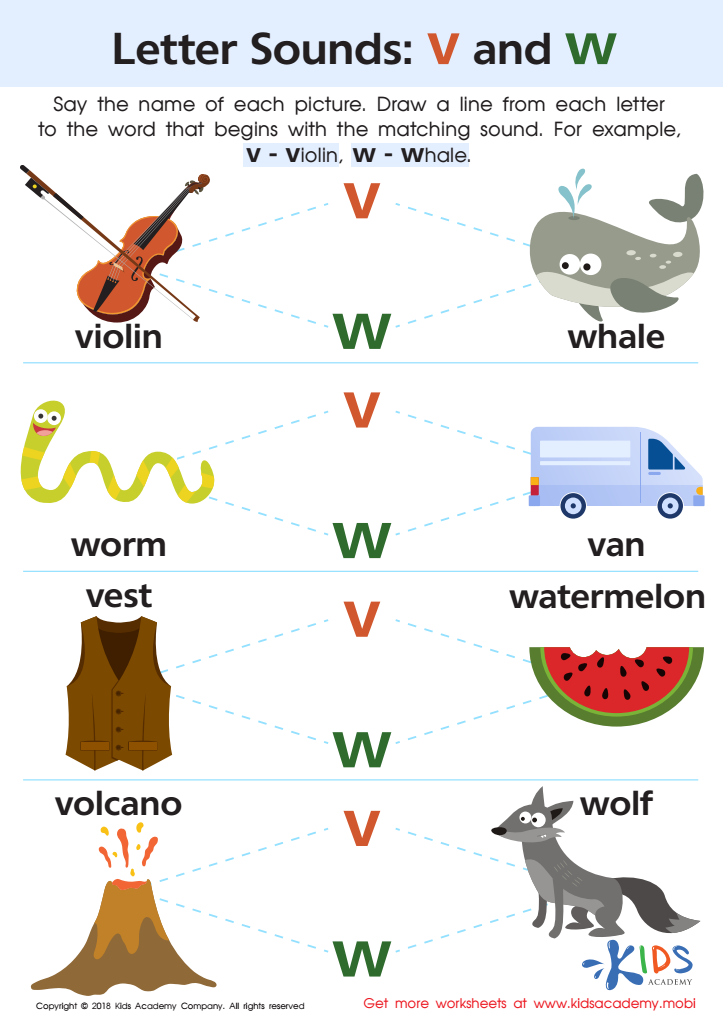
Letter V and W Sounds Worksheet
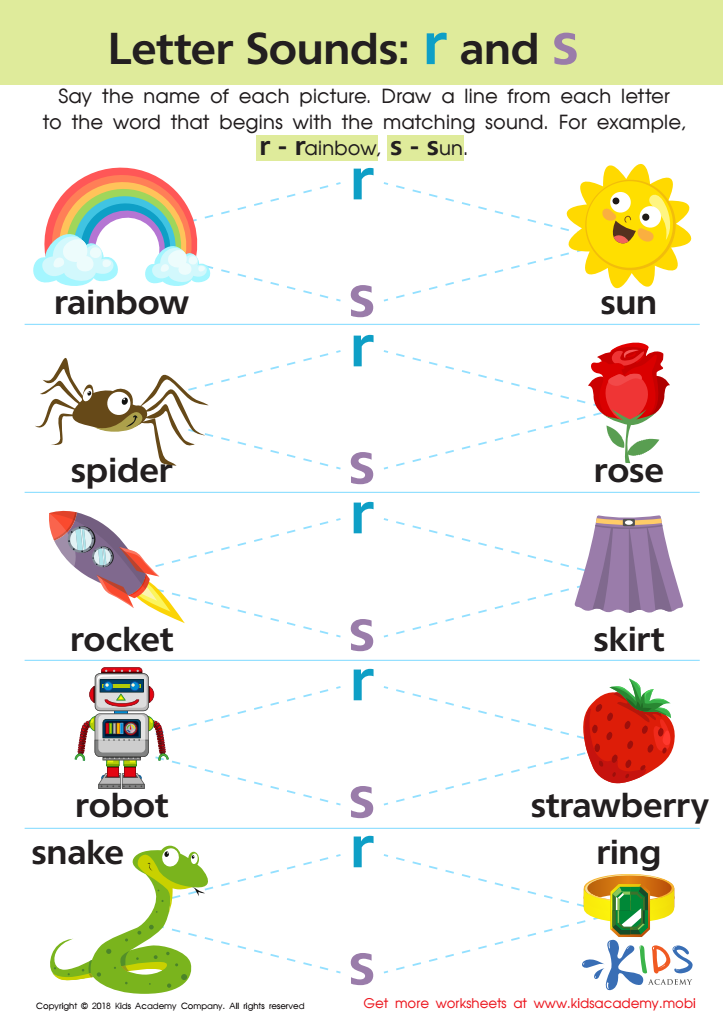
Letter R and S Sounds Worksheet
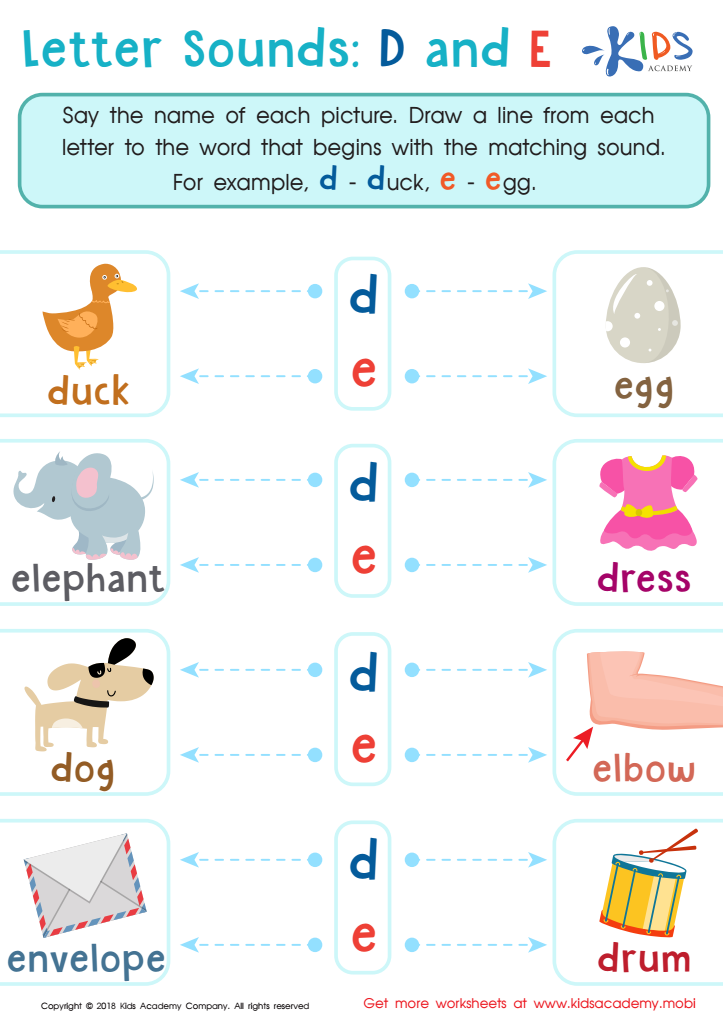
Letter D and E Sounds Worksheet








Parents and teachers should prioritize handwriting practice and letter sounds for children ages 4-6 as these skills lay the groundwork for literacy and academic success. At this age, children are developing essential fine motor skills, which handwriting directly supports. Engaging in regular handwriting practice helps strengthen the muscles in their hands, leading to improved dexterity and coordination.
Additionally, connecting handwriting to letter sounds facilitates phonemic awareness—an essential component in learning to read. When children write letters, they simultaneously reinforce their understanding of the sounds those letters represent. This multi-sensory experience of seeing, saying, and writing letters aids memory retention, making it easier for young learners to decode words later on.
Furthermore, handwriting and phonics instruction create a strong foundation for spelling when children begin to write their ideas down. This early involvement sets the stage for more advanced literacy skills, promoting confidence and enthusiasm for reading and writing.
Ultimately, investing time in these foundational skills helps children navigate their academic journey more effectively, empowering them to engage in fun storytelling activities and future learning opportunities. Parents and teachers play key roles in nurturing these abilities, directly impacting a child’s ability, self-esteem, and love for learning.







